Logical thinking improvement Worksheets for Ages 6-7
5 filtered results
-
From - To
Enhance your child's logical thinking skills with our engaging worksheets designed specifically for ages 6-7. These carefully crafted activities focus on developing critical reasoning, pattern recognition, and problem-solving abilities through fun exercises. Each worksheet encourages children to think independently while building confidence in their reasoning skills. With colorful illustrations and age-appropriate challenges, learning becomes an enjoyable experience. Perfect for classroom use or at-home practice, these worksheets provide valuable opportunities for children to explore concepts in a stimulating way. Empower your child’s cognitive development with our logical thinking improvement worksheets and watch them thrive as young thinkers!
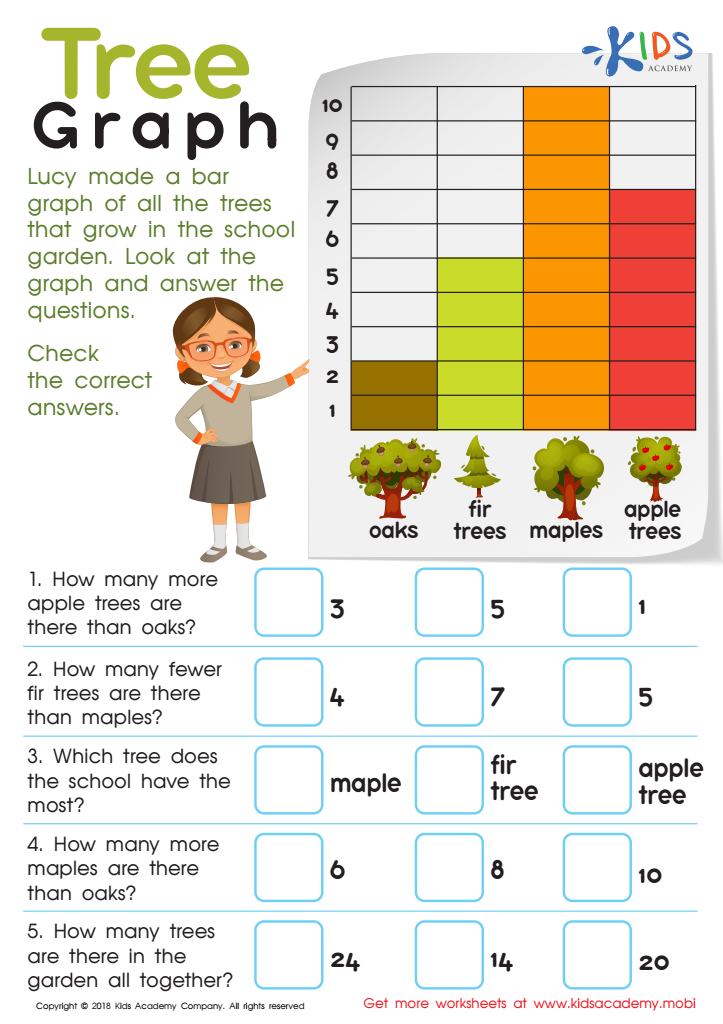
Tree Graph Worksheet
 Assign to My Students
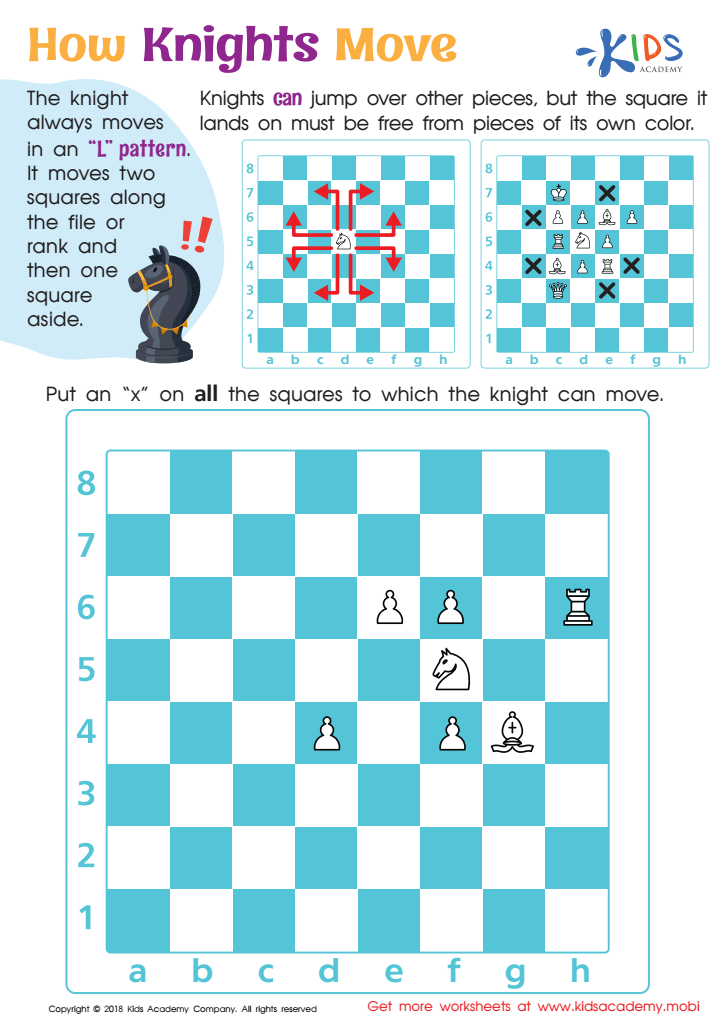
How Knights Move Worksheet
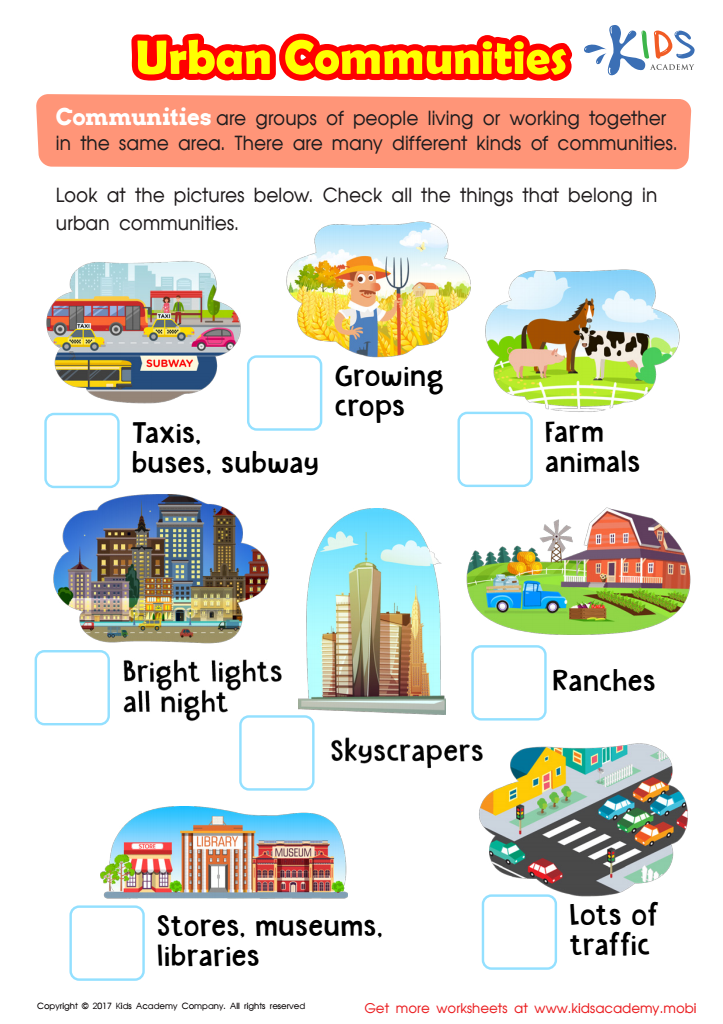
Urban Communities Printable

Two Rook Mate Practice Worksheet
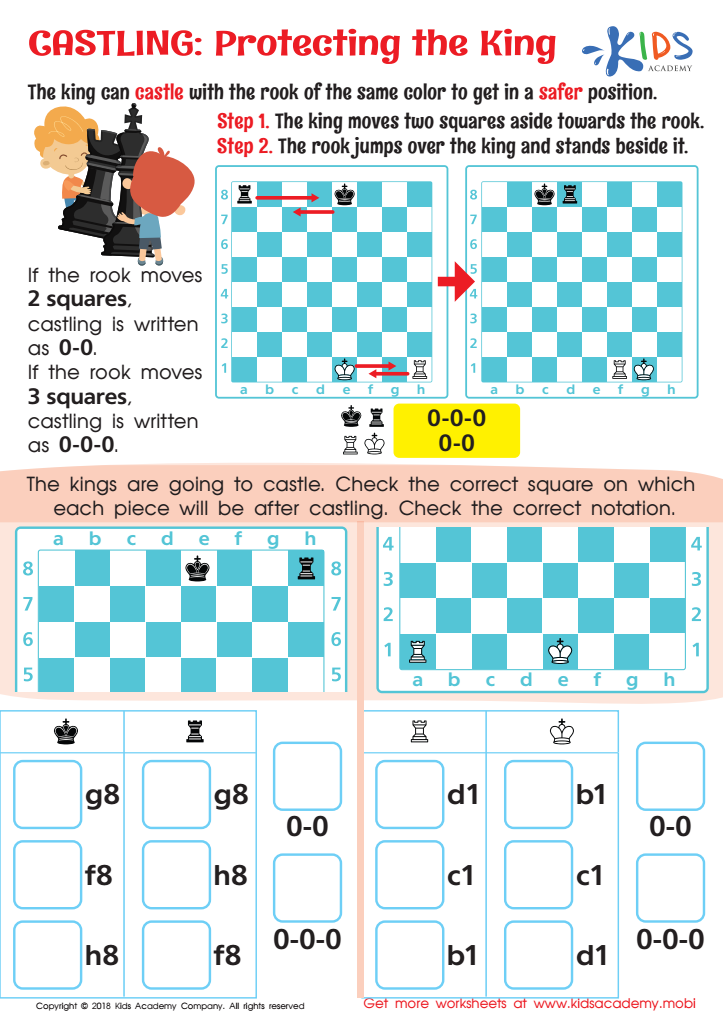
Castling: Protecting the King Worksheet








Logical thinking is a crucial skill for children aged 6-7 as it lays the foundation for problem-solving, critical analysis, and decision-making. At this age, children's brains are incredibly receptive to learning, making it an optimal time to foster logical reasoning skills. Integrating logical thinking in early education enhances a child's ability to understand cause and effect, recognize patterns, and sequence events—all essential elements in their academic journey and daily life.
Moreover, logical thinking encourages children to approach challenges with a systematic perspective, promoting resilience and adaptability. As they learn how to break down problems into smaller, manageable parts, they cultivate confidence in their abilities, which significantly impacts their motivation and love for learning. This skill is crucial not only in subjects like mathematics and science but also in developing literacy and history comprehension.
Furthermore, engaging in activities that promote logical reasoning enhances social skills, as children learn to evaluate options and understand others' perspectives. When parents and teachers prioritize logical thinking, they contribute to their children's holistic development, preparing them for future academic success and lifelong learning. Investing time in nurturing these skills can lead to more inquisitive, analytical, and confident individuals.








