
Map reading Worksheets for Ages 6-7
3 filtered results
Difficulty Level
Grade
Age
-
From - To
Subject
Activity
Standards
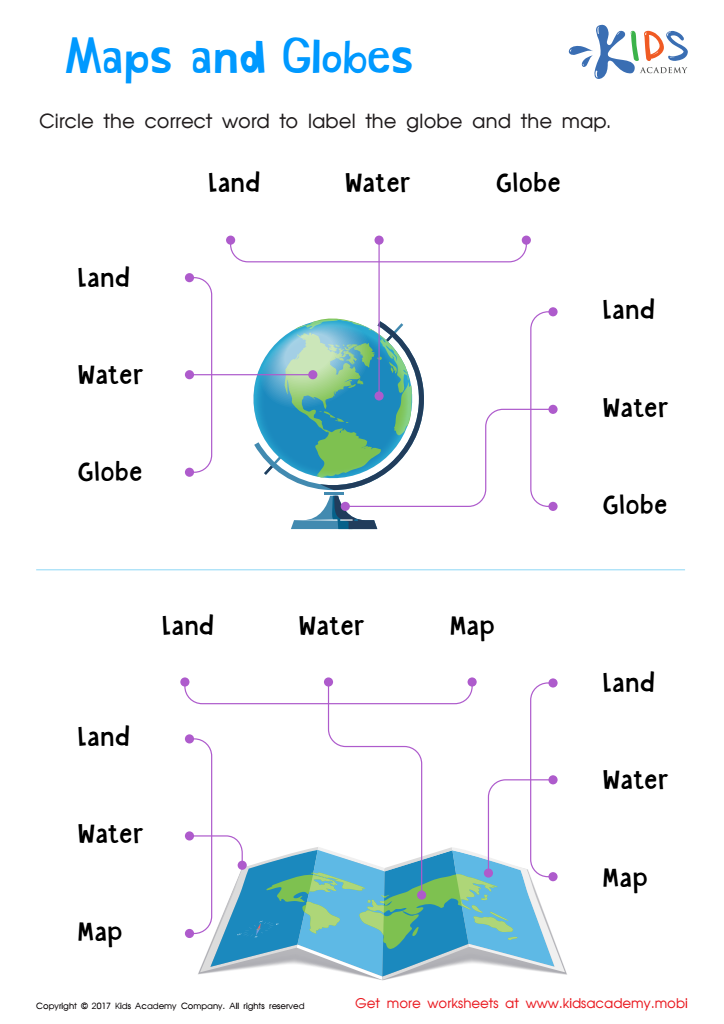
Unlock the wonders of geography with our Map Reading Worksheets tailored for ages 6-7! Designed to spark curiosity, these worksheets make learning map skills fun and engaging. Your young explorers will navigate through various exercises, from understanding symbols to following simple directions and locating landmarks. Aligned with educational standards, these printable resources are perfect for both classroom and home use, supporting foundational skills in spatial thinking and geography. Transform map reading into an adventurous journey and set the stage for lifelong learning. Dive into the world of maps today with Kids Academy’s expertly crafted activities!
Favorites
With answer key
Interactive
 Assign to My Students
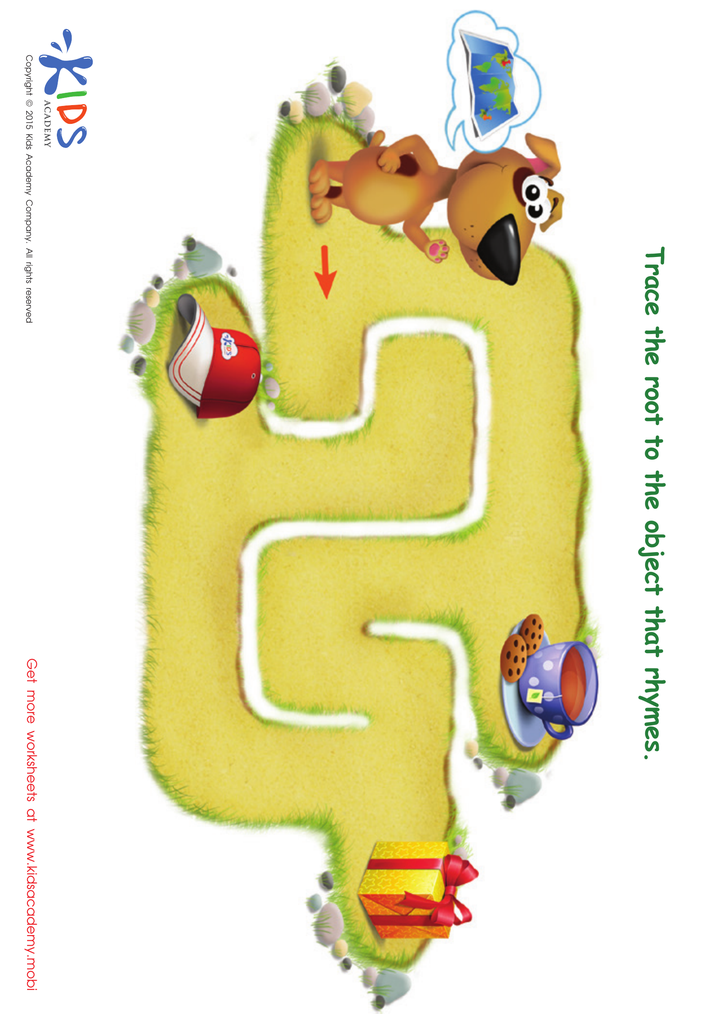
Map Rhyming Words Worksheet
Get them now and practice your skills while having fun playing. Find words that rhyme, trace the roots and enjoy the journey!
Map Rhyming Words Worksheet
Worksheet
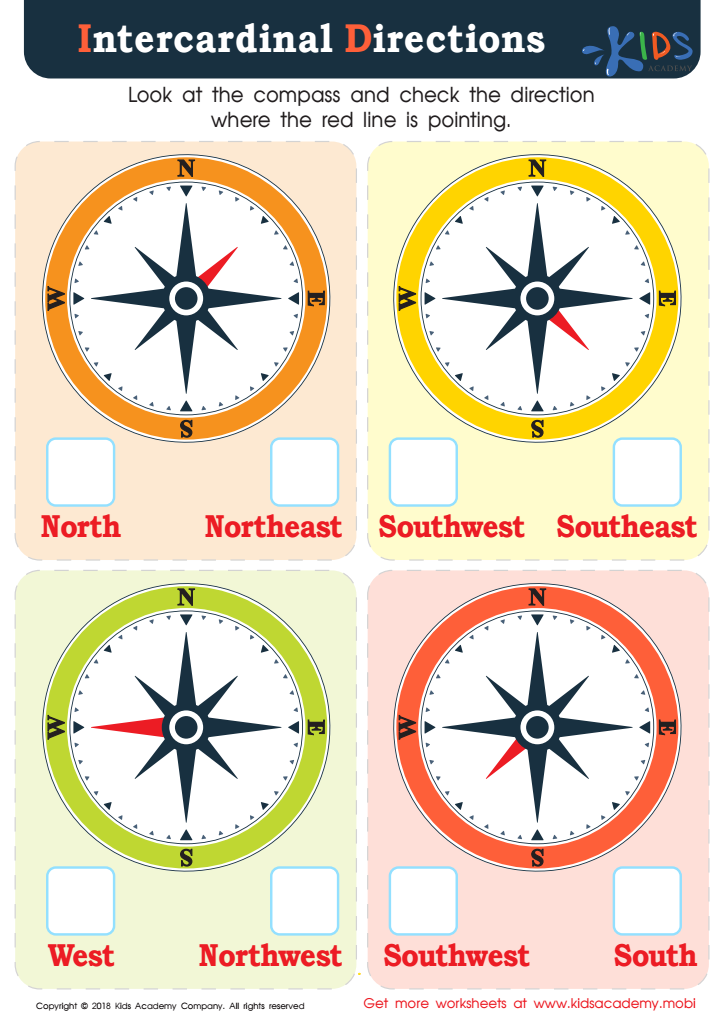
Intercardinal Directions Worksheet
Young students often don't get to practice cardinal and intercardinal directions in the digital age, but it's an important social studies and geography concept to learn. This PDF provides colorful compasses for them to practice with, giving them a real-world skill for common curriculum and independent living.
Intercardinal Directions Worksheet
Worksheet
Join Kids Academy for Free
Who is primarily going to use this learning content?






Parents and teachers play a crucial role in fostering foundational skills in children, and one often-overlooked area is map reading, especially for ages 6-7. At this formative stage, children's brains are highly adaptable, making it an ideal time to introduce spatial awareness.
Map reading is more than just understanding locations; it enhances cognitive development by stimulating critical thinking and problem-solving skills. As children learn to interpret map symbols and scales, they practice abstract thinking and learn to visualize spaces and scenarios, which can translate to better mathematical and language capabilities.
Moreover, understanding maps fosters a sense of direction and independence. It encourages geographical literacy, helping children comprehend the wider world and their place within it, fostering curiosity about diverse cultures and regions.
Incorporating maps into early education can also be a fun, interactive experience. Treasure hunts using simple maps can turn learning into an adventure, making skills retention more likely. Engaged and curious learners are more motivated to explore further, setting a solid foundation for future learning in geography and other subjects.
In short, by introducing map reading at an early age, parents and teachers equip children with essential life skills that contribute to their overall intellectual growth and global awareness.








