Mathematical problem-solving Worksheets for Ages 6-7
7 filtered results
-
From - To
Explore our engaging Mathematical Problem-Solving Worksheets designed specifically for children ages 6-7! These worksheets help young learners develop critical thinking and reasoning skills through fun, engaging problems that make math enjoyable. With a variety of topics and problem formats, kids can practice addition, subtraction, and basic word problems while boosting their confidence. Ideal for both classroom and home use, our worksheets cater to diverse learning styles and promote independent learning. Perfect for reinforcing math concepts and fostering a love for numeracy, these hands-on activities set the foundation for future mathematical success. Dive in now and watch your child's problem-solving skills flourish!
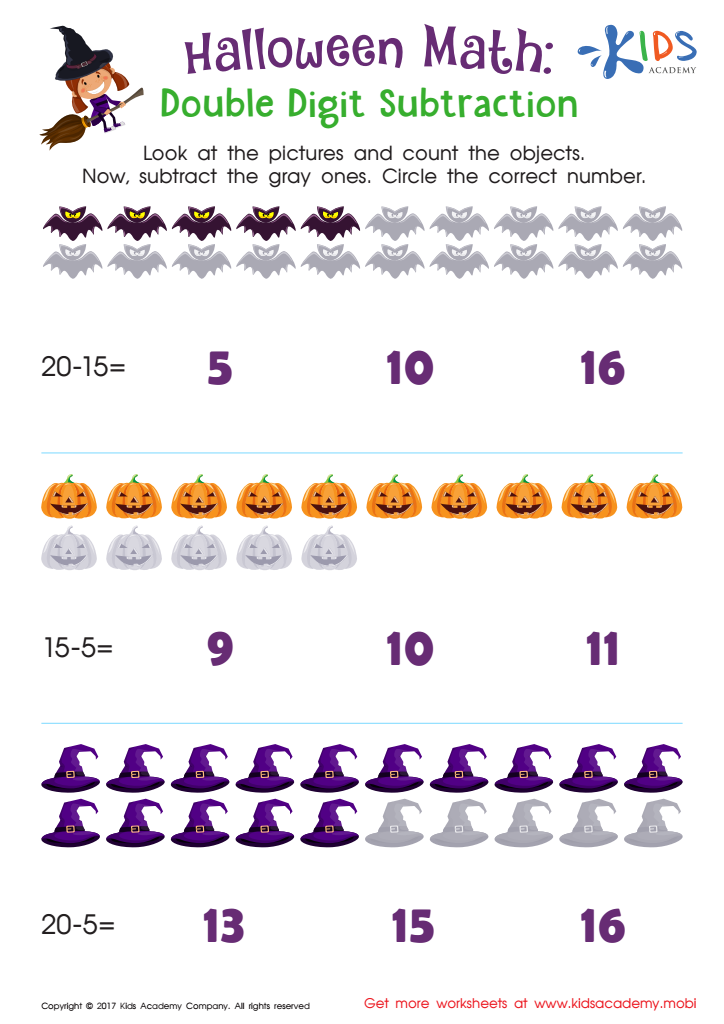
Halloween Math Subtraction Worksheet
 Assign to My Students
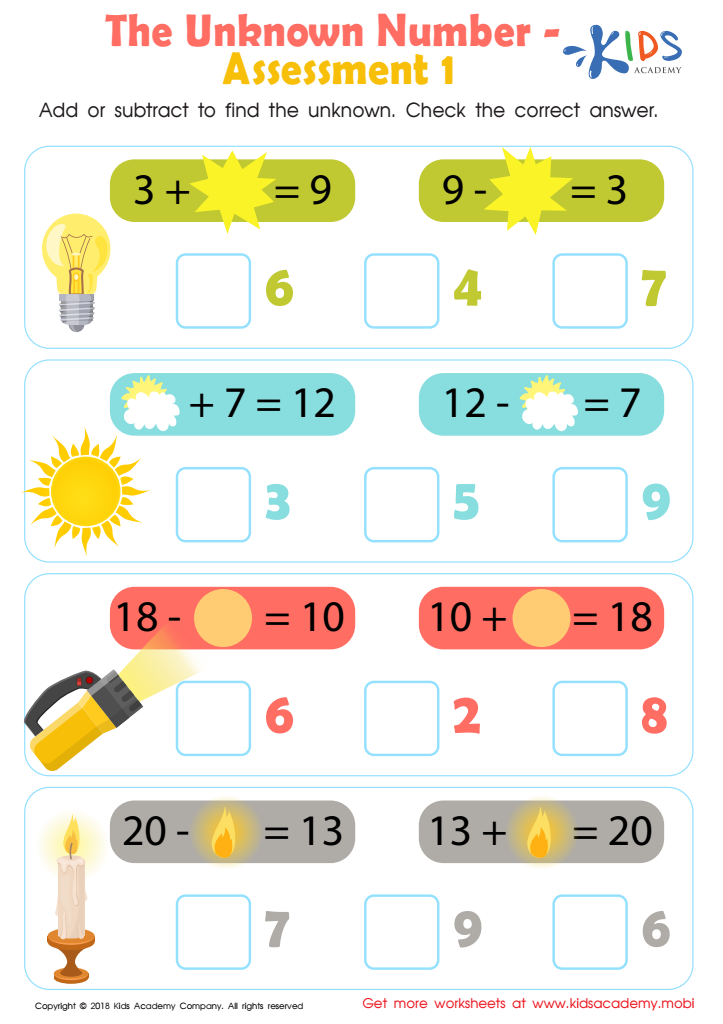
The Unknown Number: Assessment 1 Worksheet
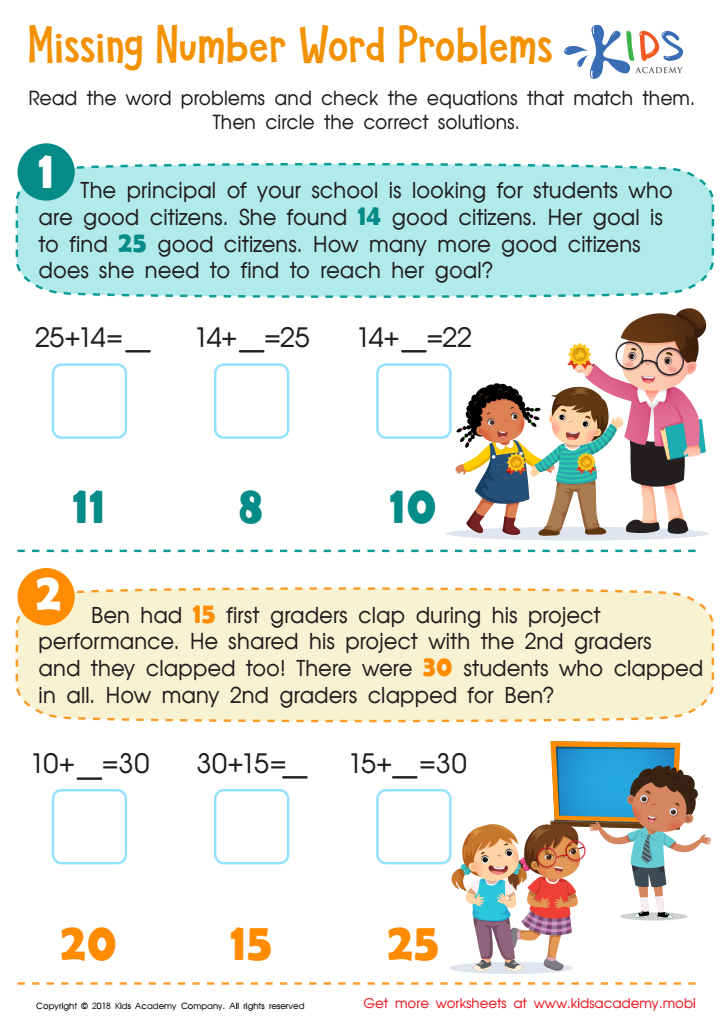
Missing Number Word Problems Worksheet
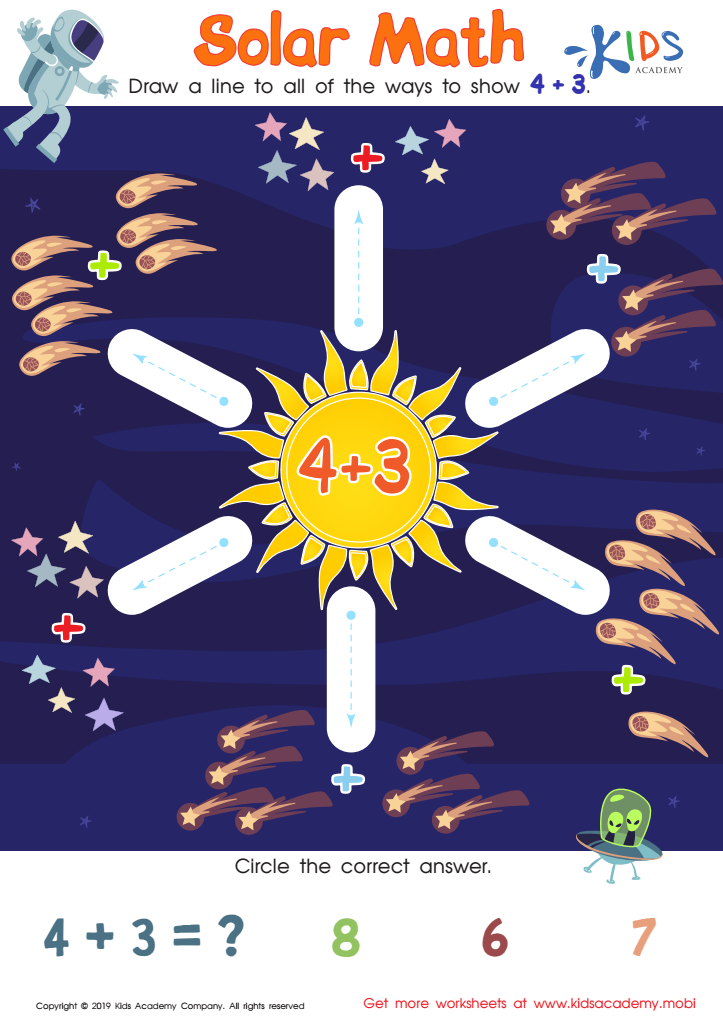
Solar Math Worksheet
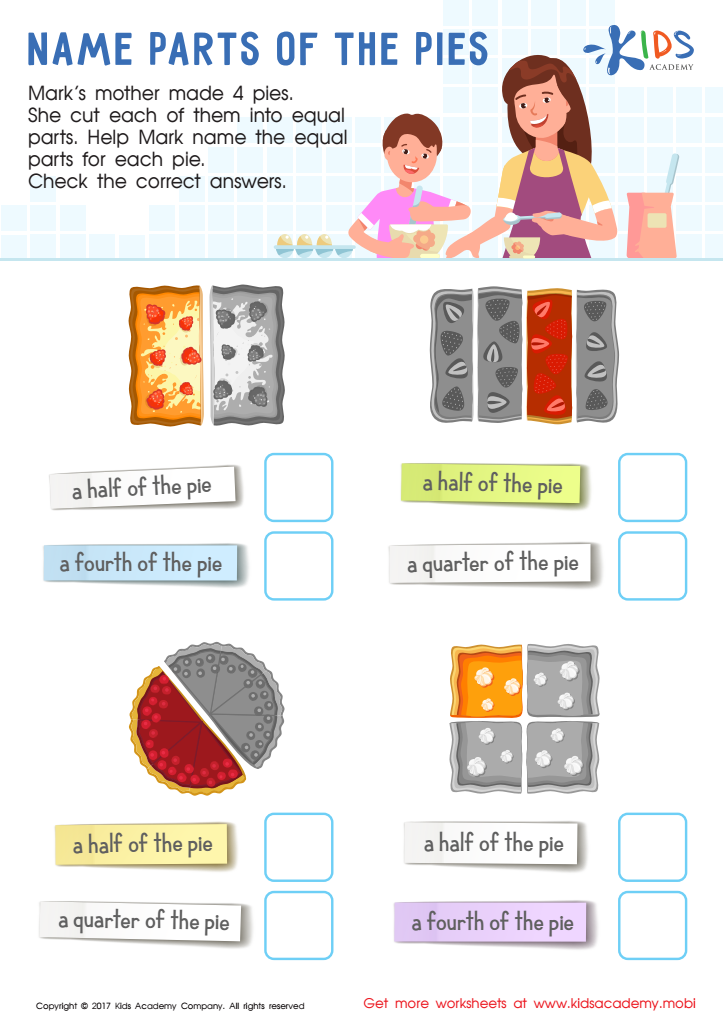
Name Parts of the Pies Worksheet
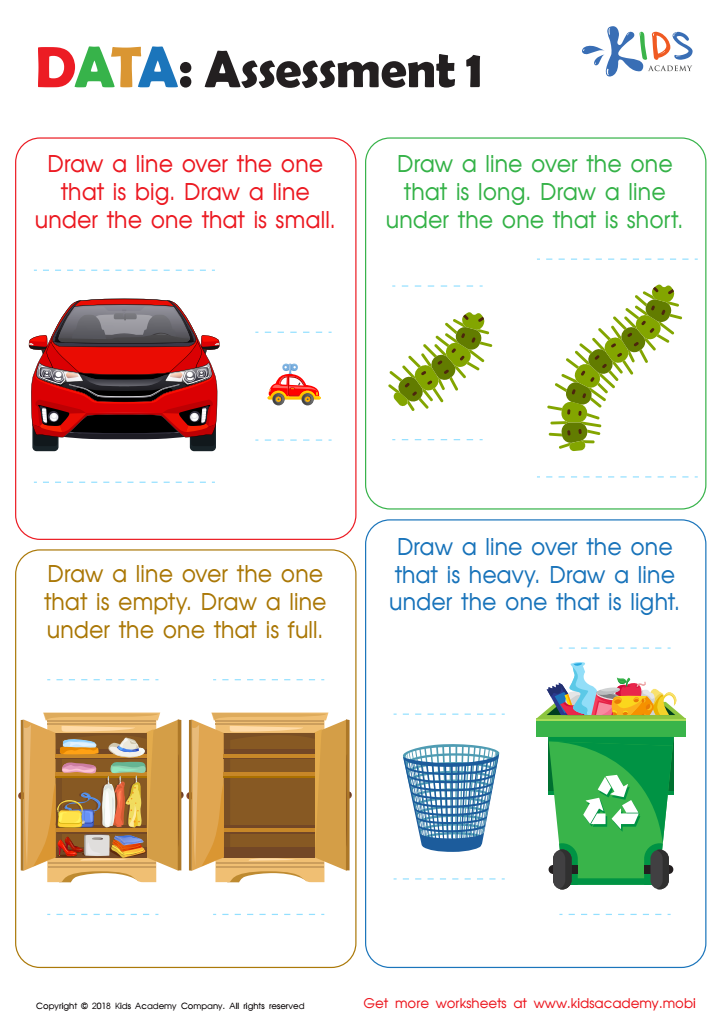
Data: Assessment 1 Worksheet
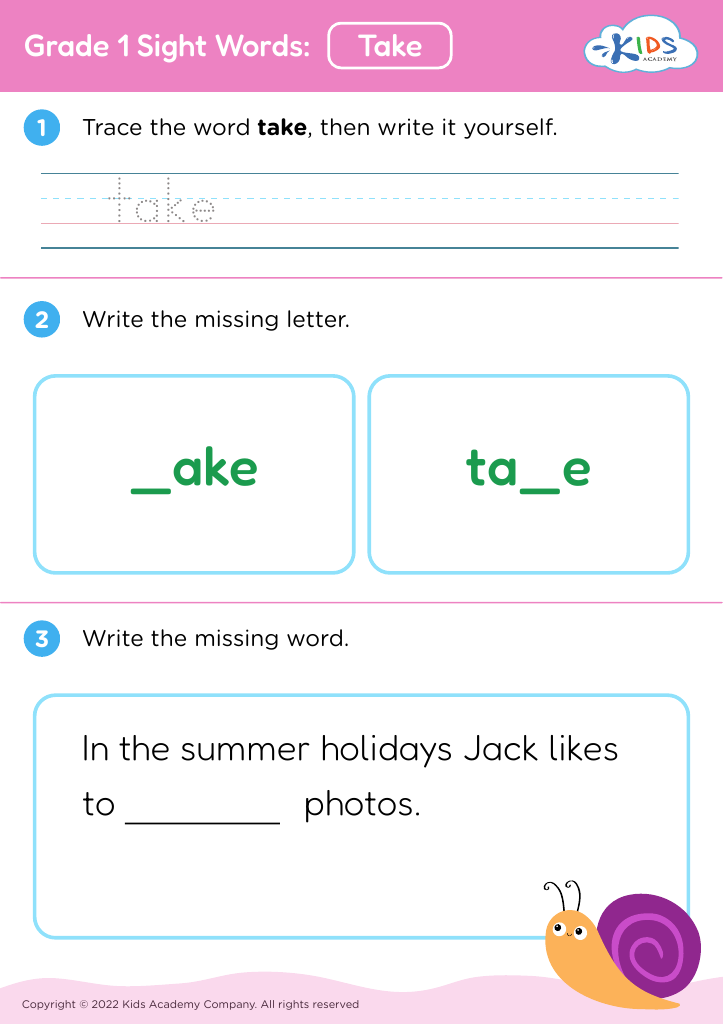








Mathematical problem-solving is a crucial skill for children aged 6-7 as it lays the foundation for their academic and life success. This stage is vital; children become more capable of reasoning and thinking critically. Engaging in problem-solving activities encourages them to explore different strategies and approaches, which enhances their cognitive development.
For parents and teachers, fostering mathematical problem-solving helps children develop a growth mindset. When learners tackle challenging problems, they build resilience and learn that making mistakes is a part of the learning process. This not only boosts their confidence in mathematics but also encourages a positive attitude towards tackling challenges in other subjects and areas of life.
Additionally, problem-solving in mathematics aids in developing essential skills such as logical reasoning, analytical thinking, and the ability to communicate mathematically. These skills are not only significant in academic settings but are also invaluable in everyday situations, from budgeting allowances to understanding patterns in daily life.
Moreover, when parents and teachers actively support this type of learning, they create a culture that values inquiry and exploration, helping children become curious learners who seek to understand the world around them. Emphasizing mathematical problem-solving at this age can have lifelong benefits, shaping more adept, innovative future problem solvers.








