Problem-solving abilities Worksheets for Ages 6-7 - Page 2
47 filtered results
-
From - To
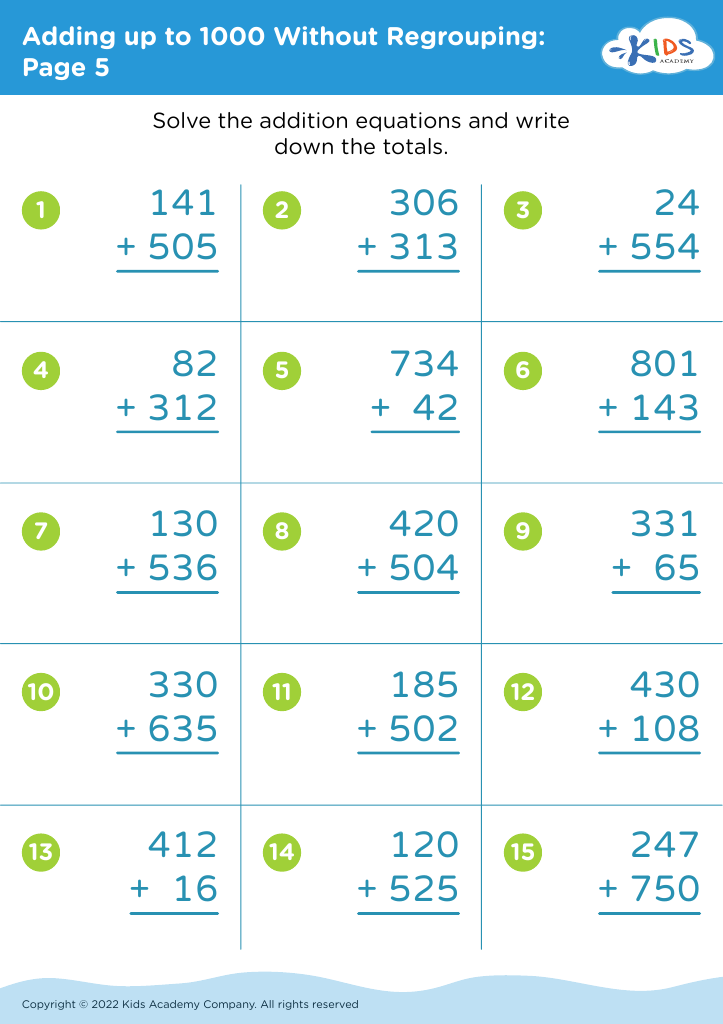
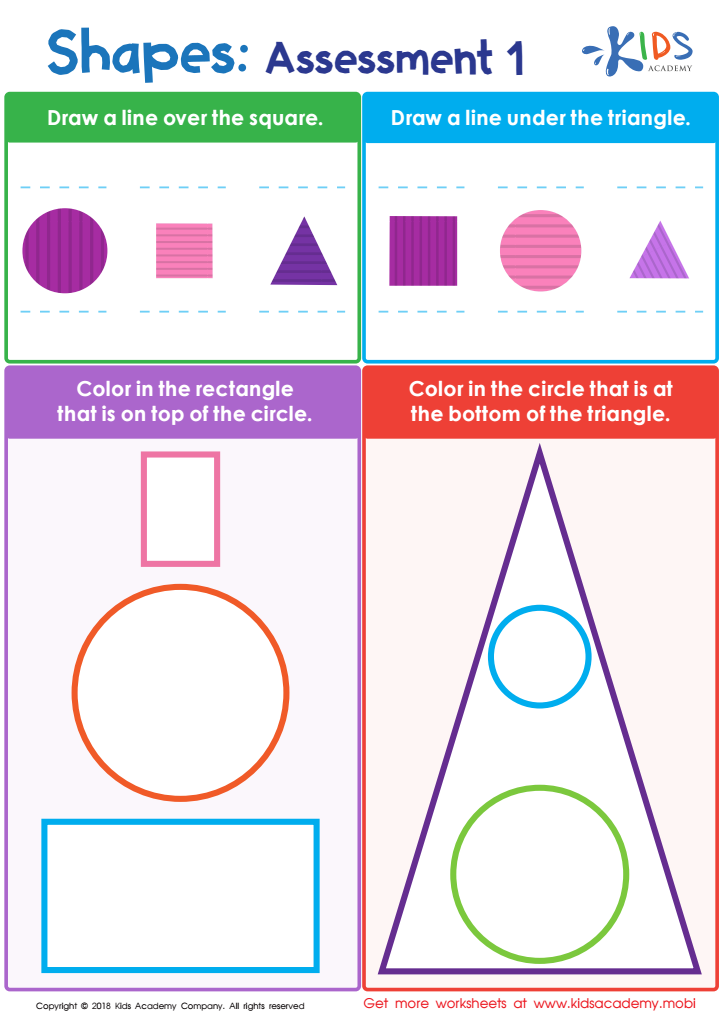
Shapes: Assessment 1 Worksheet
 Assign to My Students
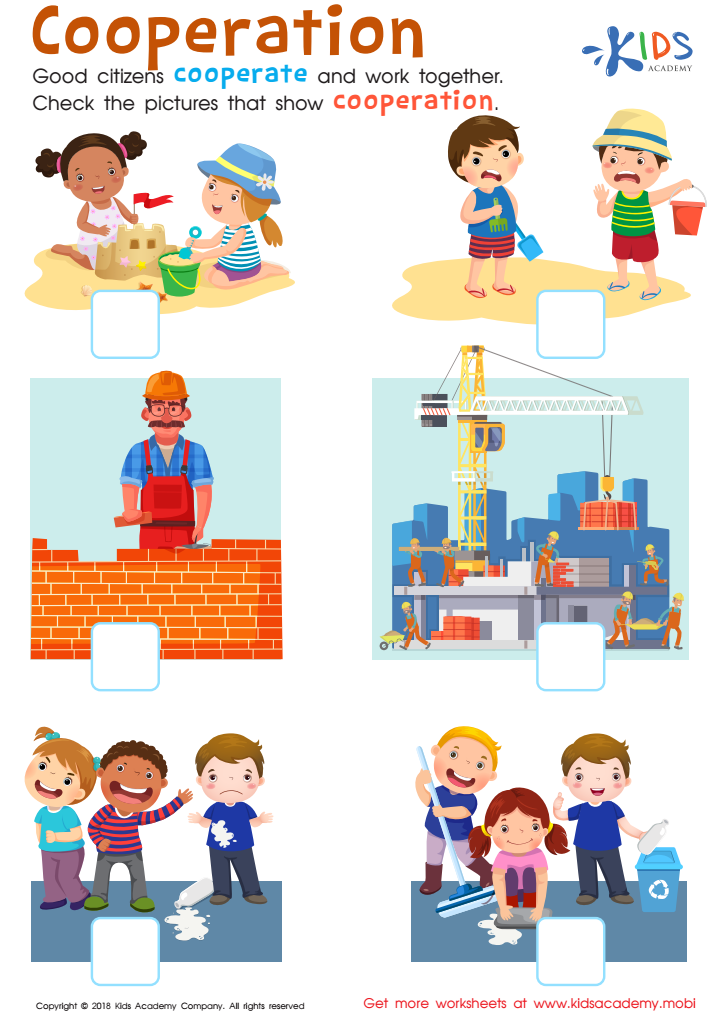
Cooperation Worksheet
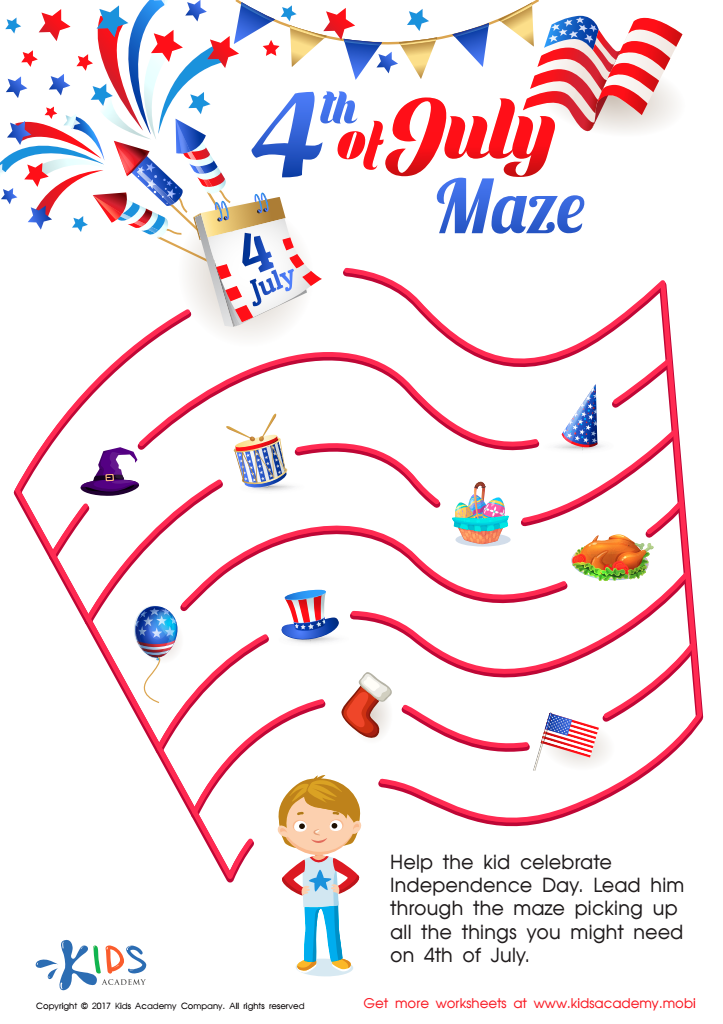
Fourth of July Maze Printable
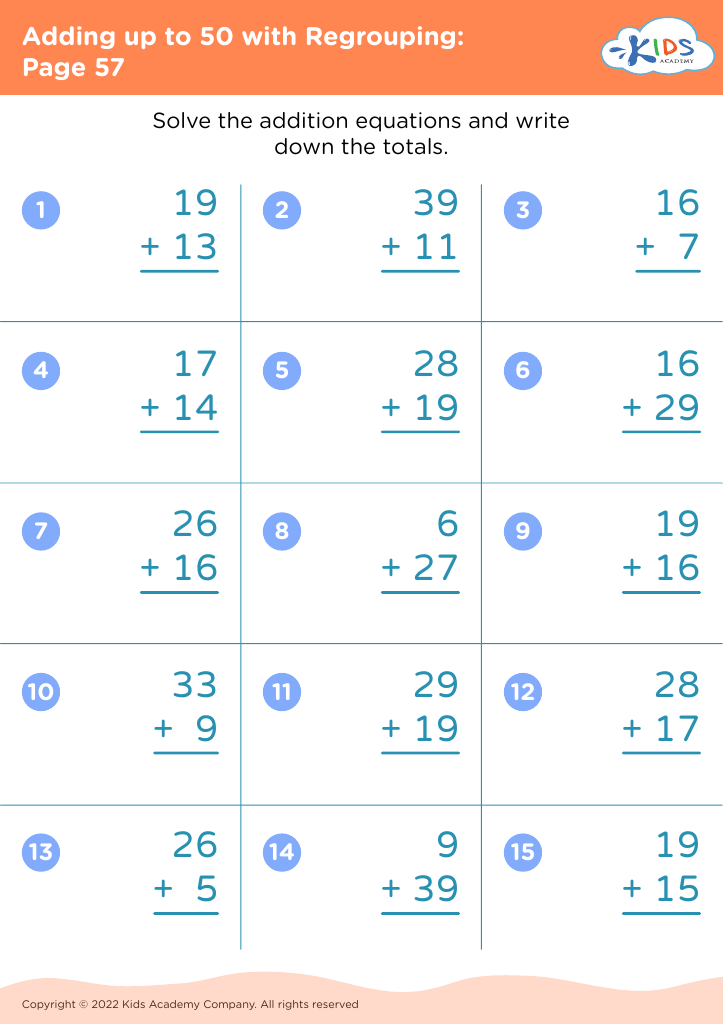
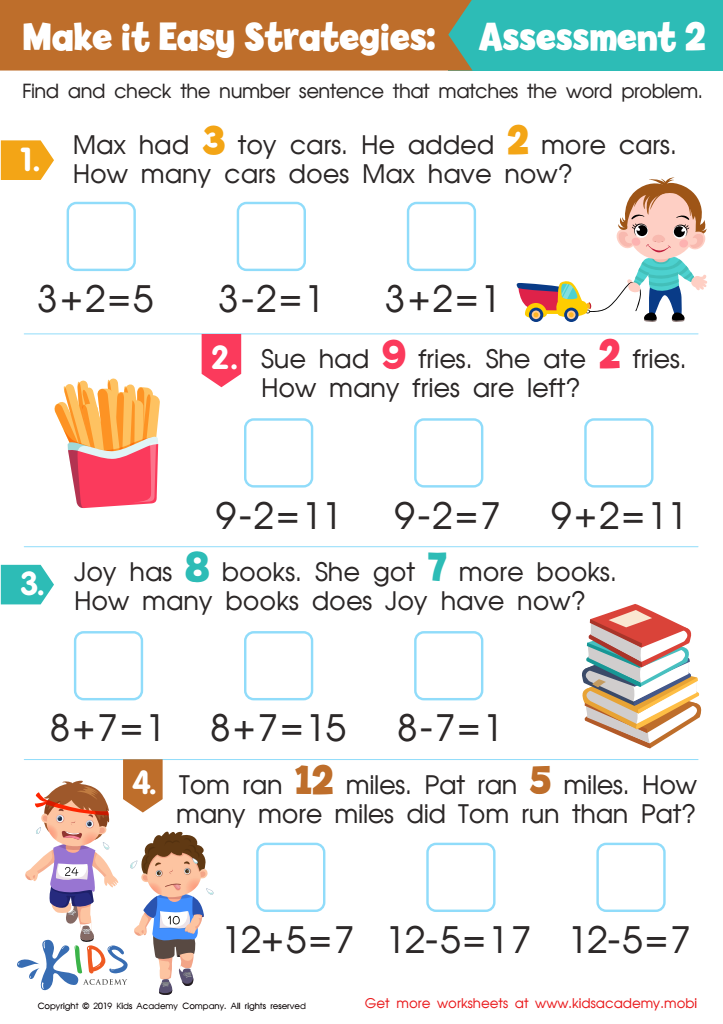
Make it Easy Strategies: Assessment 2 Worksheet
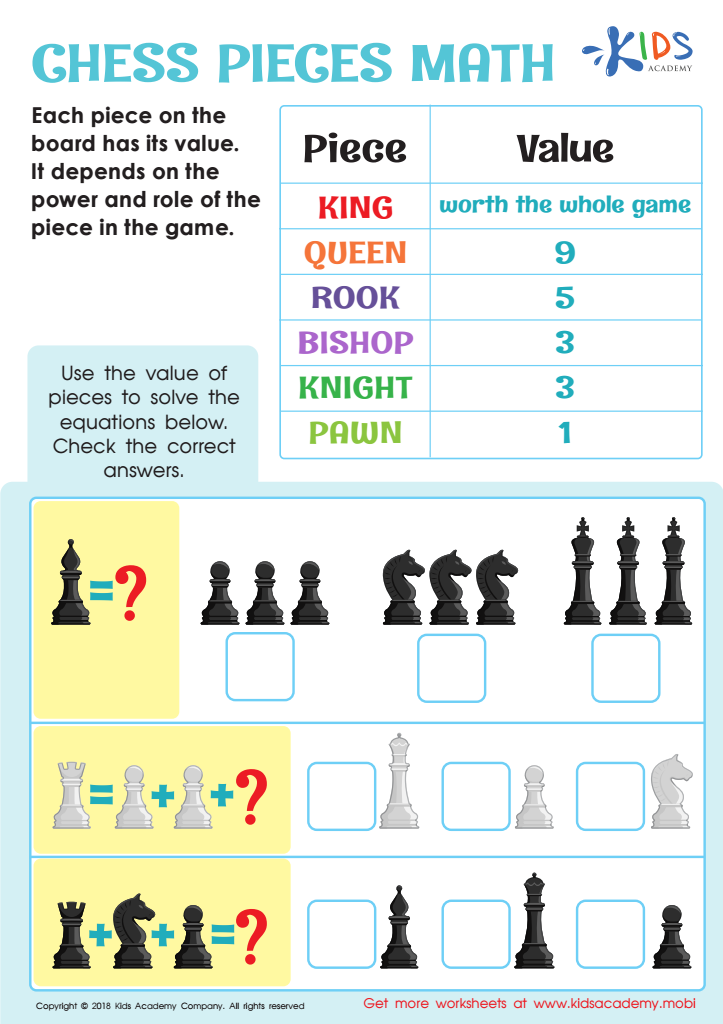
Chess Pieces Math Worksheet
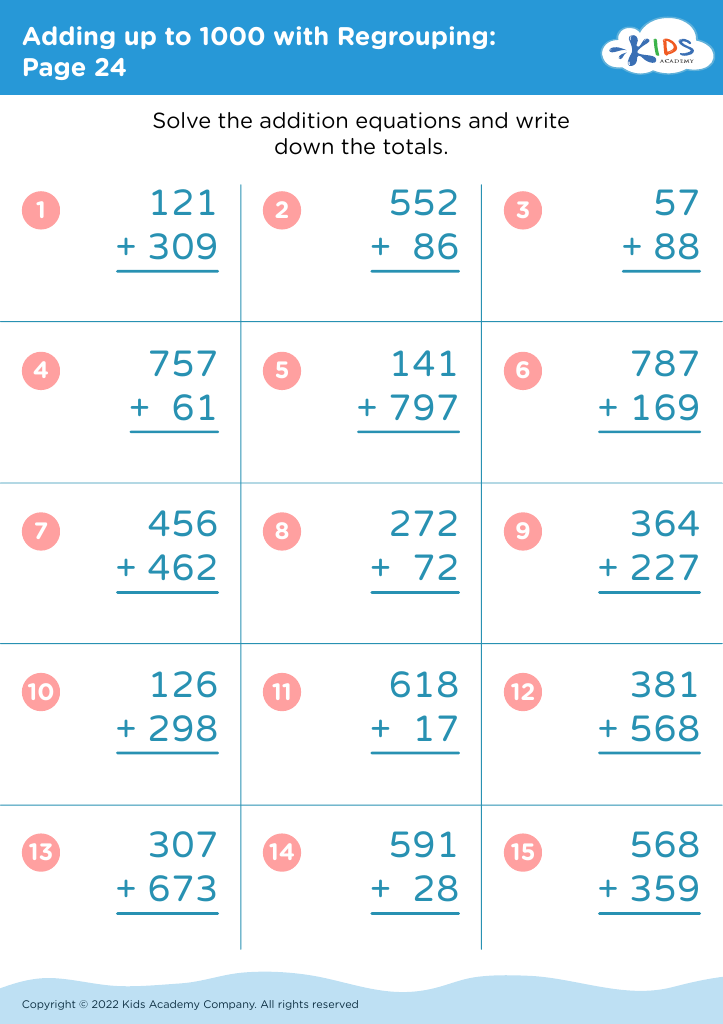
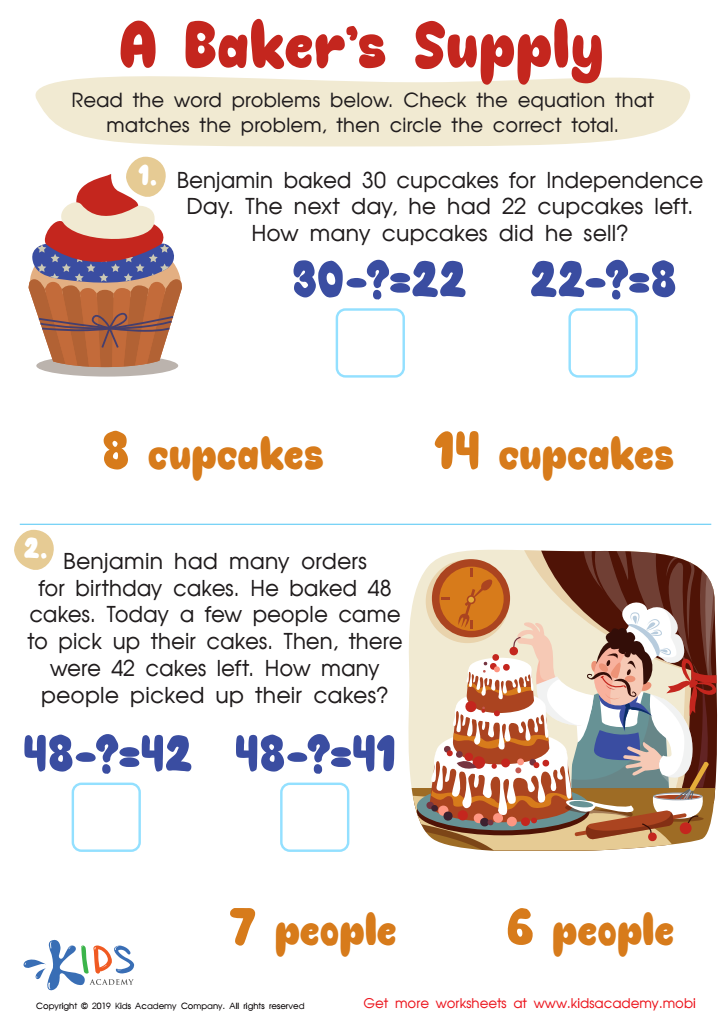
A Baker's Supply Worksheet
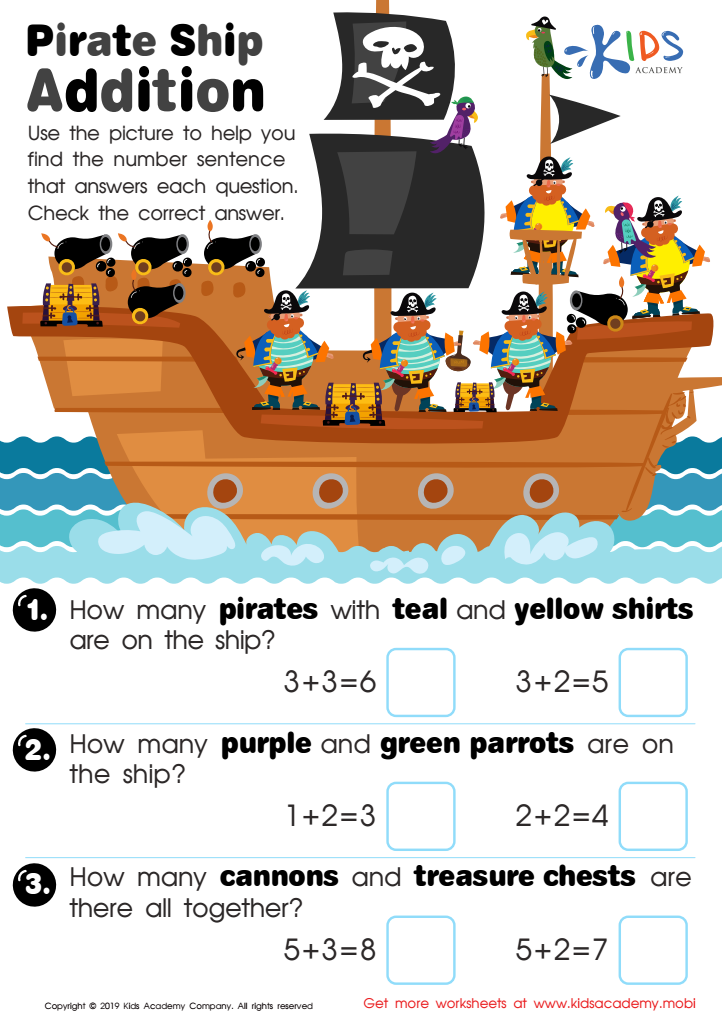
Pirate Ship Addition Worksheet
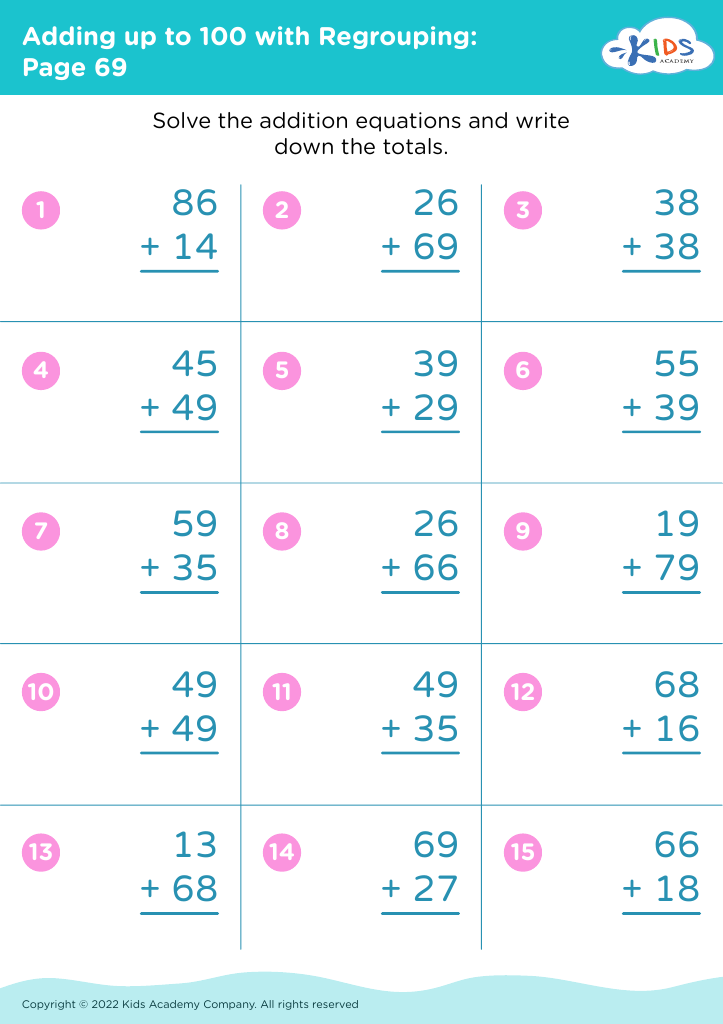
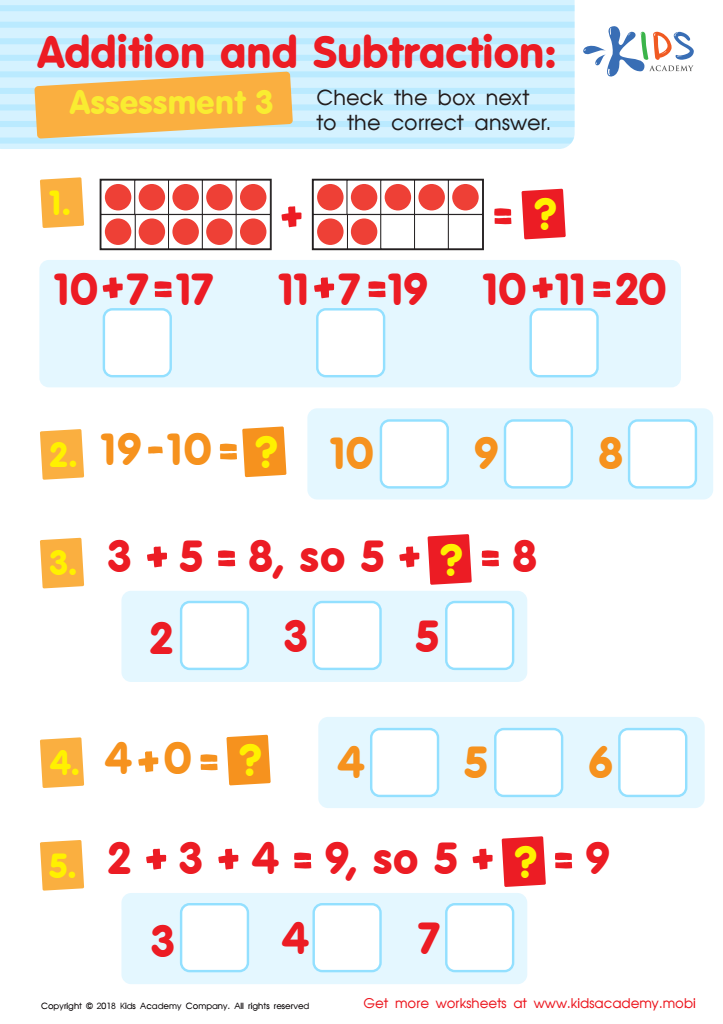
Addition and Subtraction Assessment 3 Worksheet
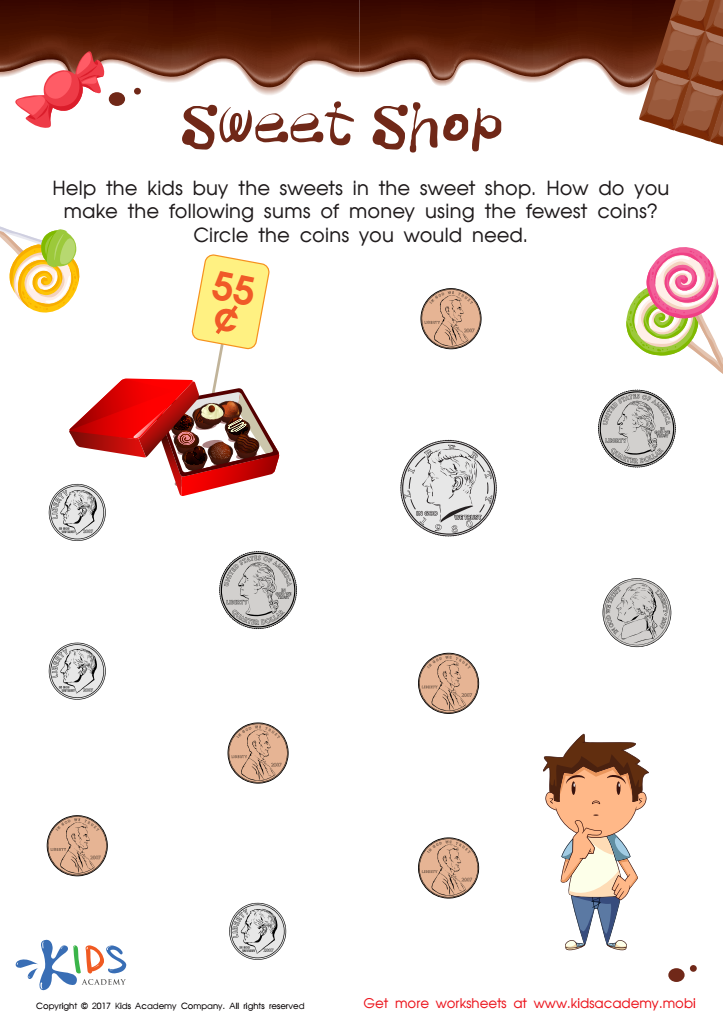
Sweet Shop – Counting Coins Worksheet
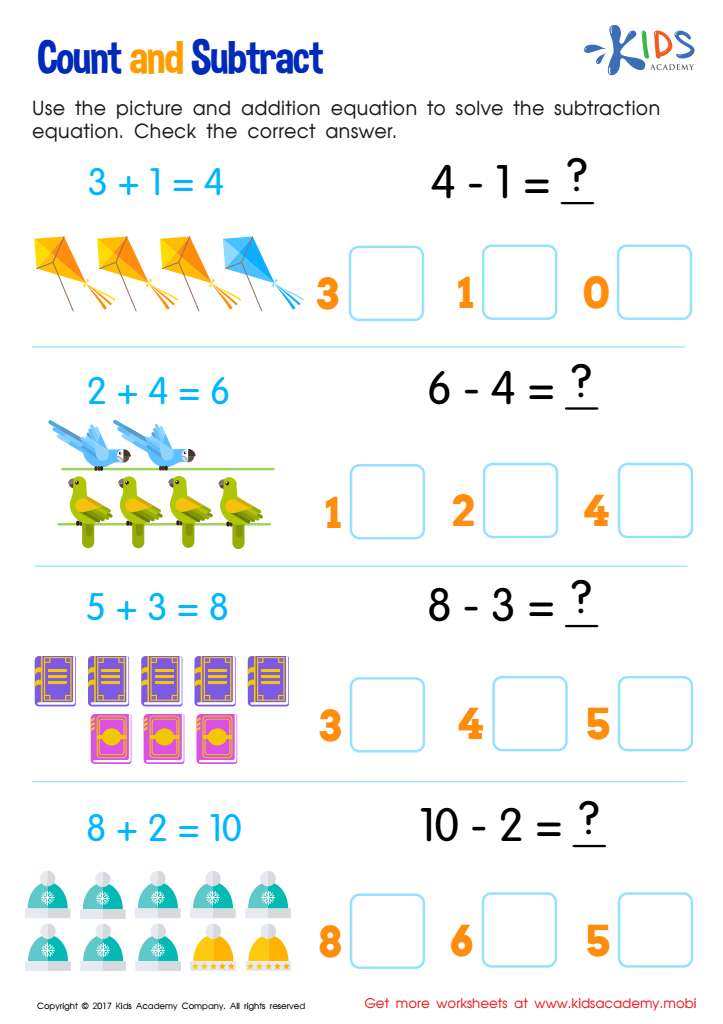
Count and Subtract Worksheet
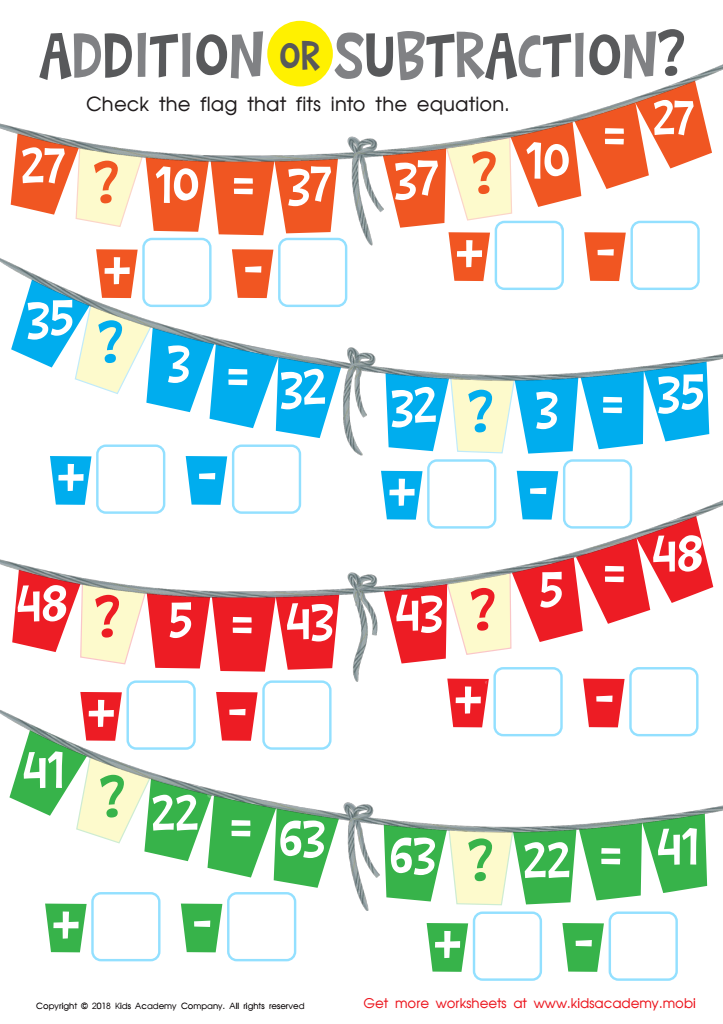
Addition or Subtraction? Worksheet
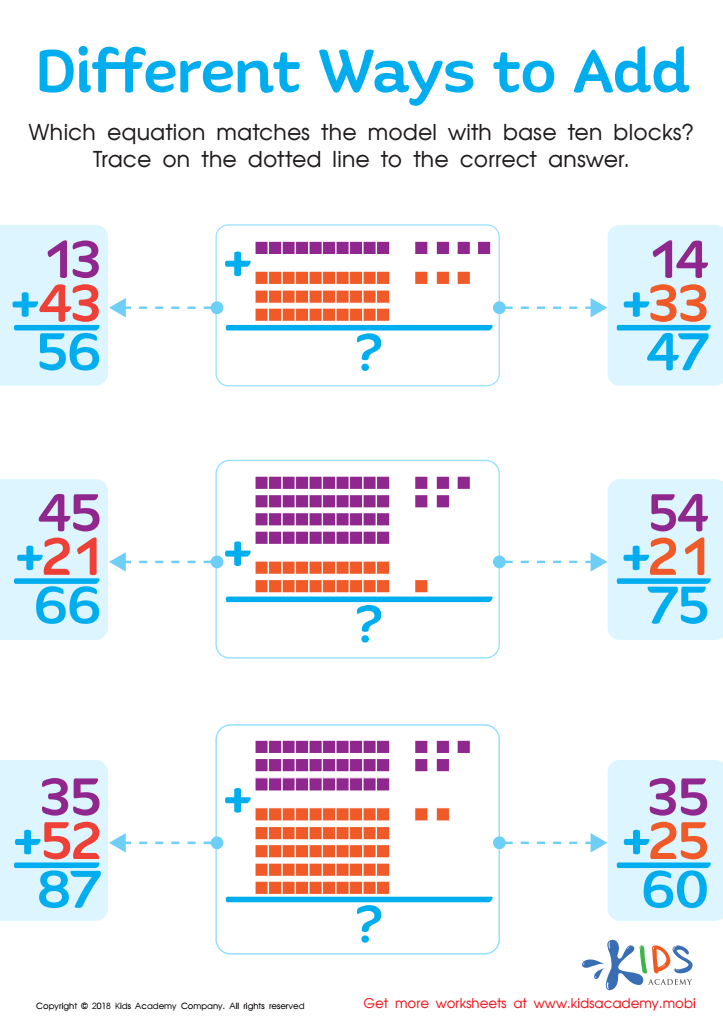
Different Ways to Add Worksheet
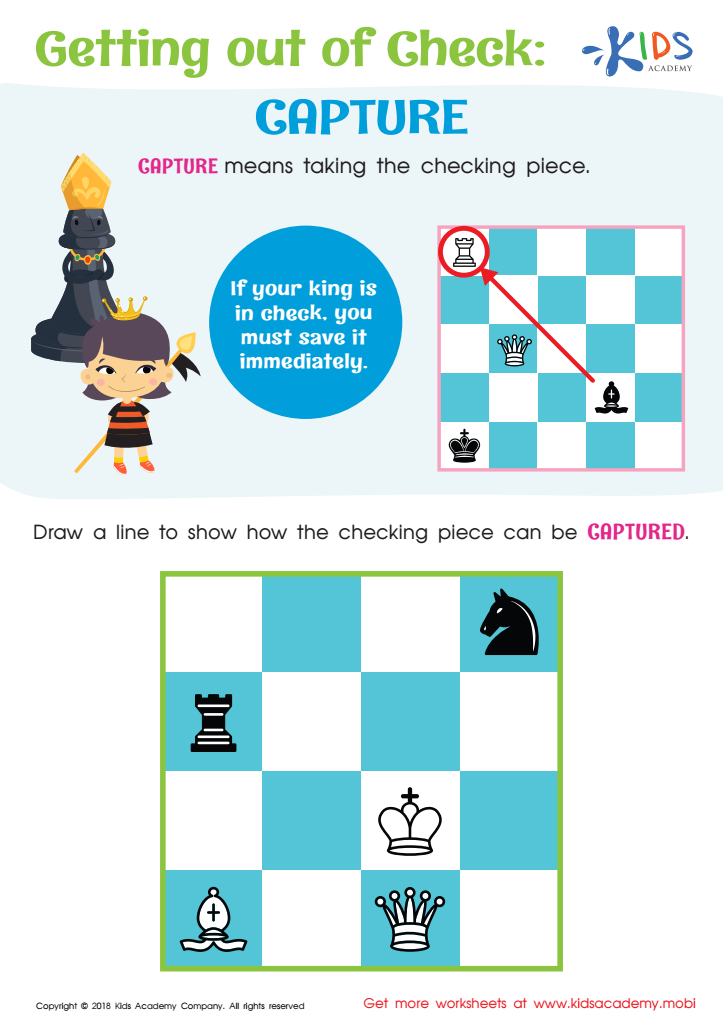
Getting out of Check: Capture
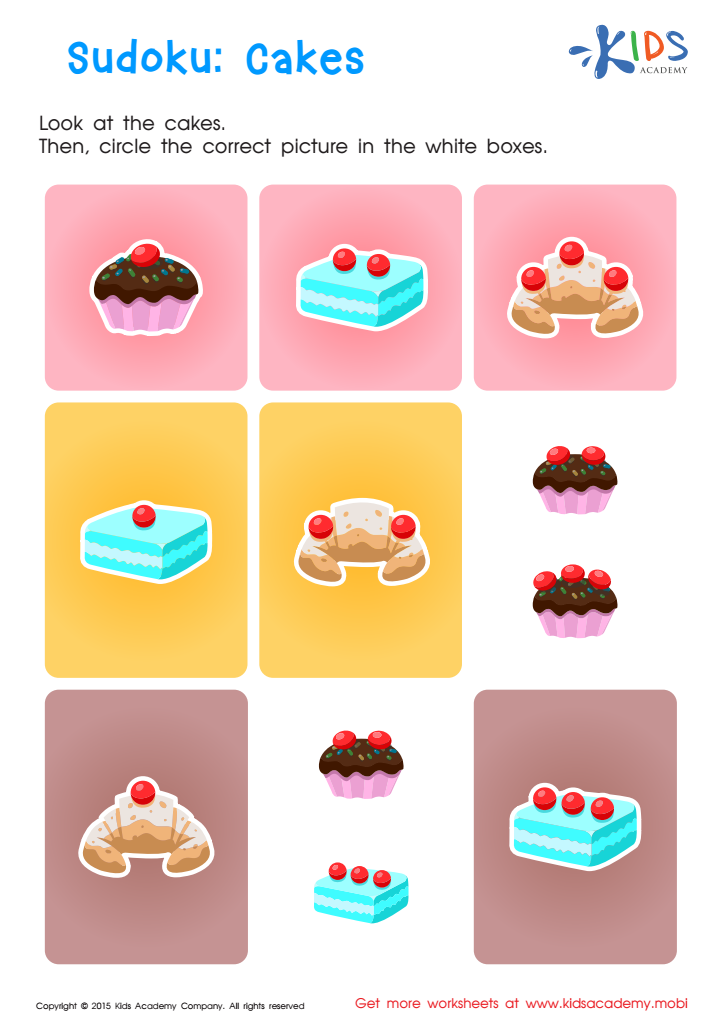
Sudoku Worksheet
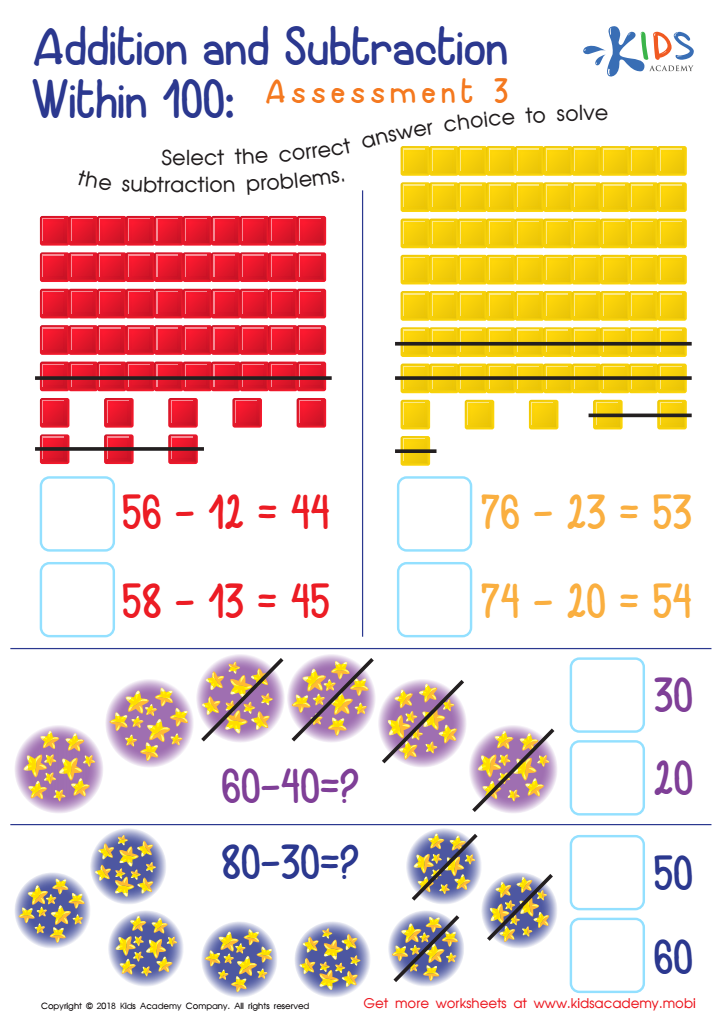
Addition and Subtraction Within 1: Assessment 3 Worksheet
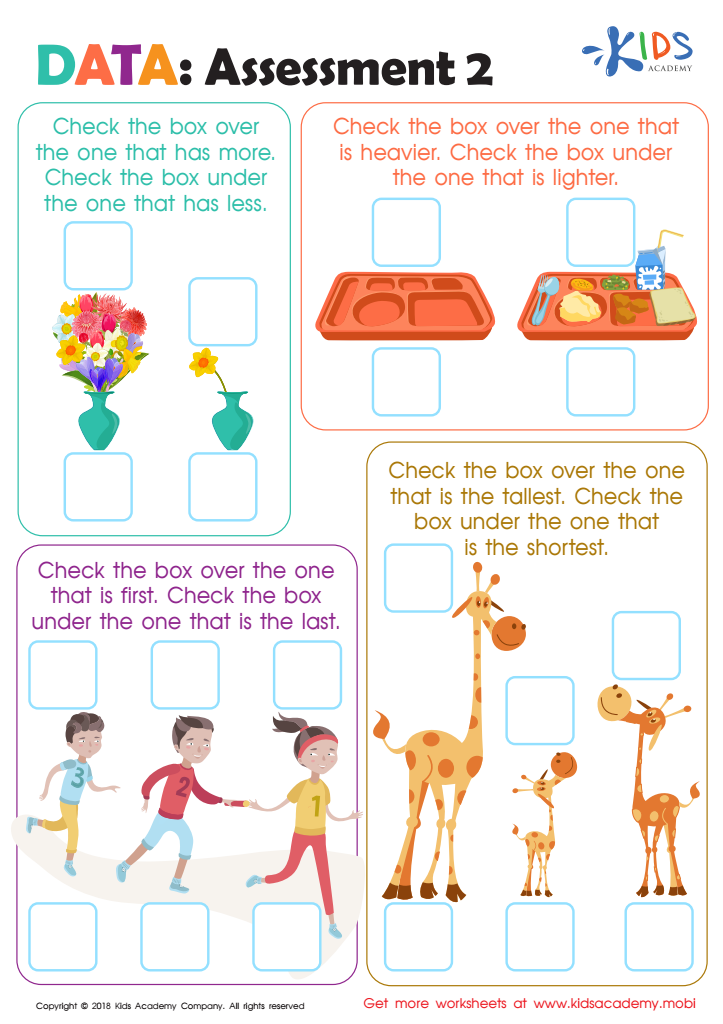
Data: Assessment 2 Worksheet
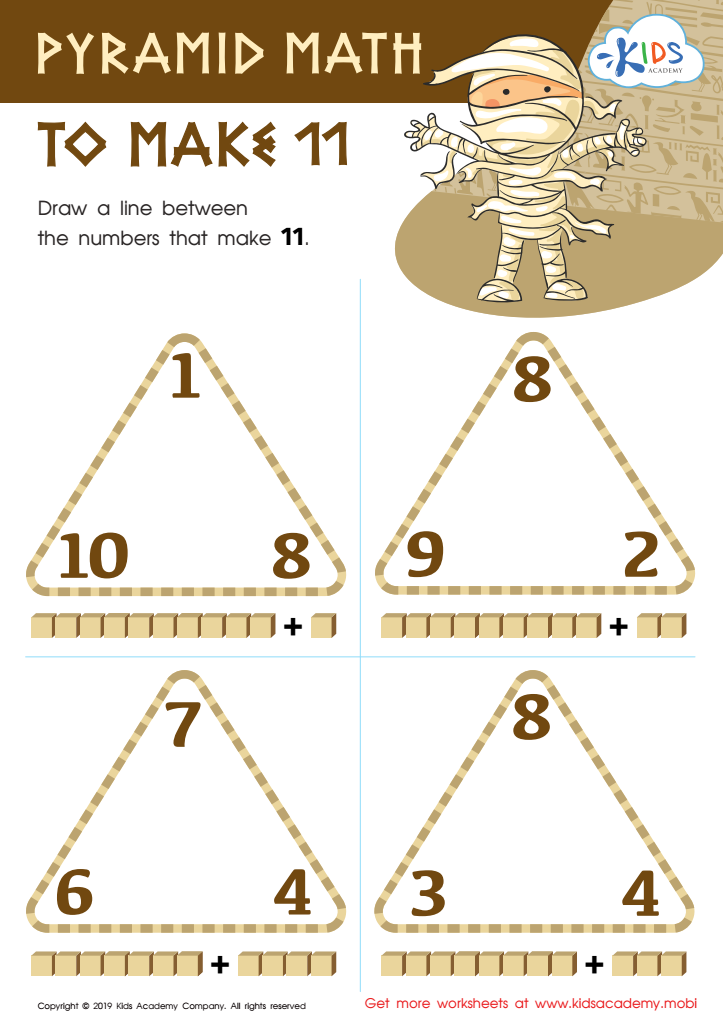
Pyramid Math to Make 11 Worksheet




At ages 6-7, children are at a pivotal stage of cognitive development where problem-solving abilities begin to take shape. Caring about this skill is essential for both parents and teachers, as it lays the foundation for critical thinking, creativity, and independence.
Developing problem-solving skills enhances a child's ability to navigate everyday challenges, fostering resilience and adaptability in uncertain situations. These skills enable young learners to approach tasks methodically, encouraging perseverance when faced with difficulties. For instance, when children tackle puzzles or engage in group discussions, they hone their ability to think analytically and collaboratively—skills that will serve them well throughout their educational journey.
Moreover, strong problem-solving abilities integrate multiple areas of learning, including mathematics, science, and social studies, enabling children to make connections across subjects. Encouraging this skill can bolster academic performance and instill a love for learning.
Finally, instilling problem-solving skills at this age promotes self-confidence. Children who can solve problems independently often feel a greater sense of achievement, motivating them to take on new challenges. Ultimately, prioritizing problem-solving skills creates a robust foundation for lifelong success, personally and academically.








