Problem Solving Worksheets for Ages 6-7 - Page 2
31 filtered results
-
From - To
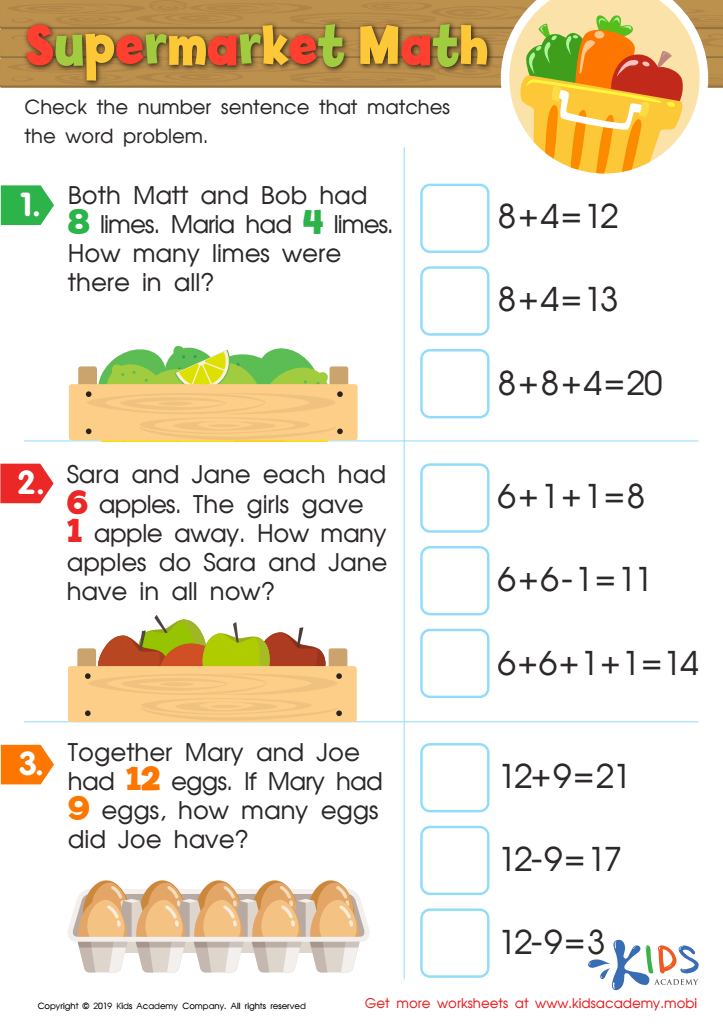
Supermarket Math Worksheet
 Assign to My Students
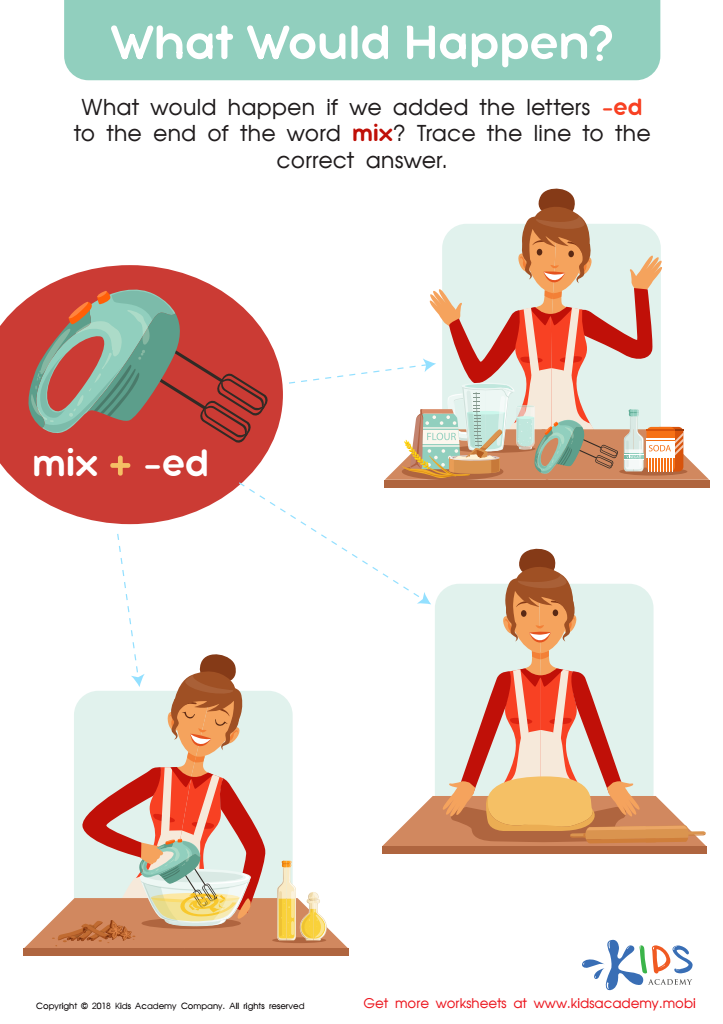
What Would Happen? Worksheet
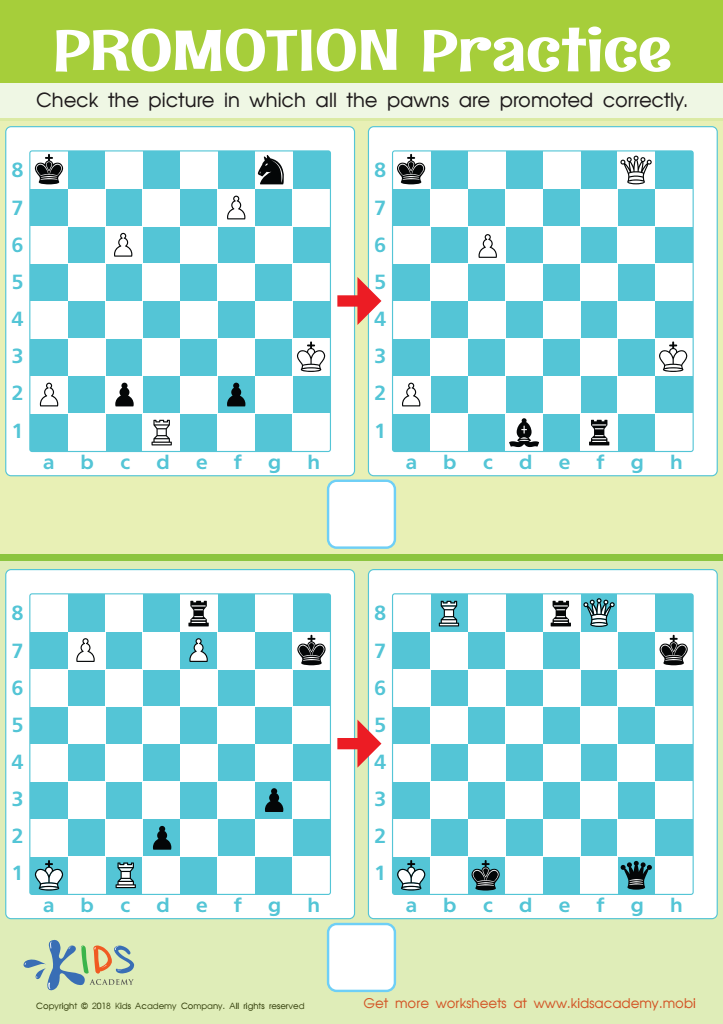
Promotion Practice Worksheet
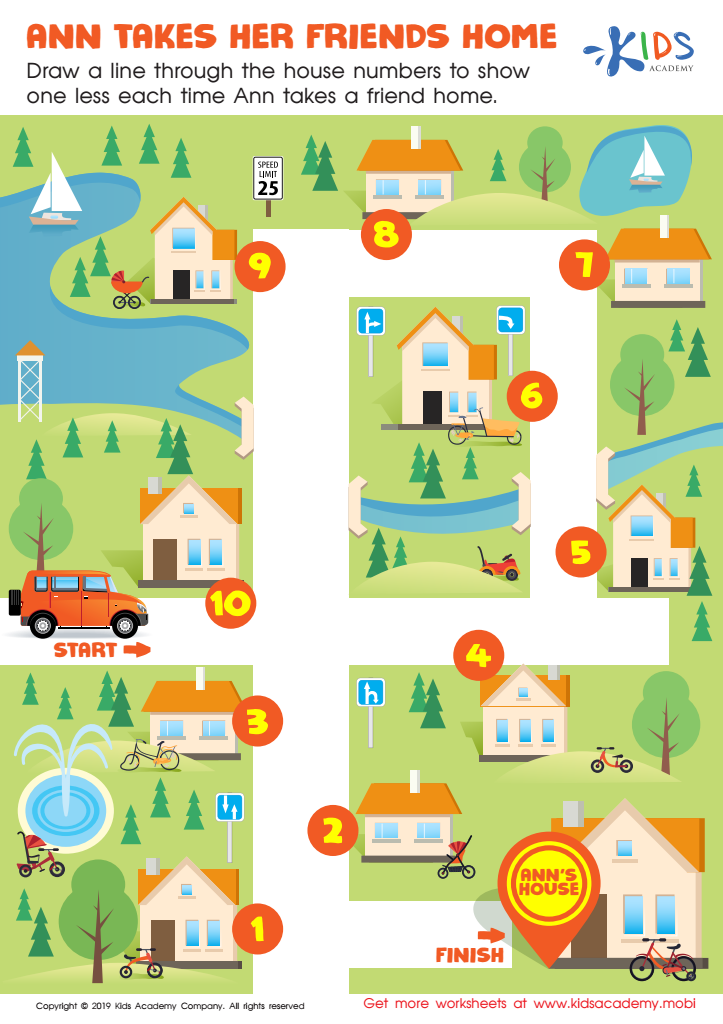
Ann Takes her Friends Home Worksheet






Problem solving is a crucial skill that begins to develop during the early school years, particularly for children aged 6-7. Parents and teachers should care about fostering this capability because it lays the foundation for critical thinking, resilience, and independence. At this age, children are naturally curious and eager to explore their environment. By engaging them in problem-solving activities, adults can channel this curiosity into developing essential cognitive skills.
Effective problem solving helps children learn to evaluate situations, consider multiple perspectives, and arrive at solutions, thereby enhancing their decision-making skills. These skills not only benefit their academic performance—mathematics and science, in particular—but also equip them for real-life challenges, such as navigating social interactions or overcoming obstacles in play.
Moreover, nurturing problem-solving in young children cultivates a growth mindset, teaching them that failure is a part of the learning process. This can lead to increased persistence and motivation. As children master these skills, they gain confidence in their abilities, which fosters positive self-esteem. Therefore, parents and teachers should proactively support age-appropriate problem-solving opportunities, thus ensuring children are well-prepared for future academic and life challenges.








