
Recognition skills Worksheets for Ages 6-7
3 filtered results
Difficulty Level
Grade
Age
-
From - To
Subject
Activity
Standards
Nurture your child's cognitive development with our expertly designed Recognition Skills Worksheets for ages 6-7. Our fun and engaging activities are crafted to enhance visual and auditory recognition abilities, supporting crucial skills like pattern identification, shape and color differentiation, and letter and number recognition. With vibrant illustrations and interactive elements, these worksheets are perfect for reinforcing classroom learning or enriching home practice. Suitable for early grade learners, our resources offer a variety of challenges to keep young minds active and inspired. Help your child build a strong foundation in recognition skills today and watch them thrive both academically and creatively!
Favorites
With answer key
Interactive
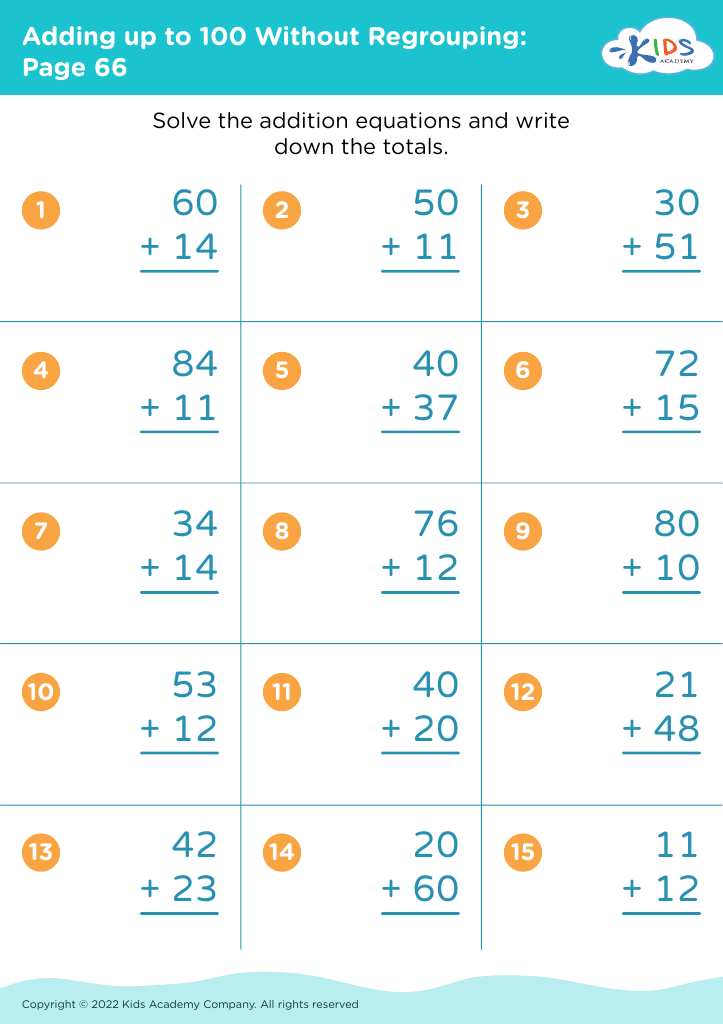
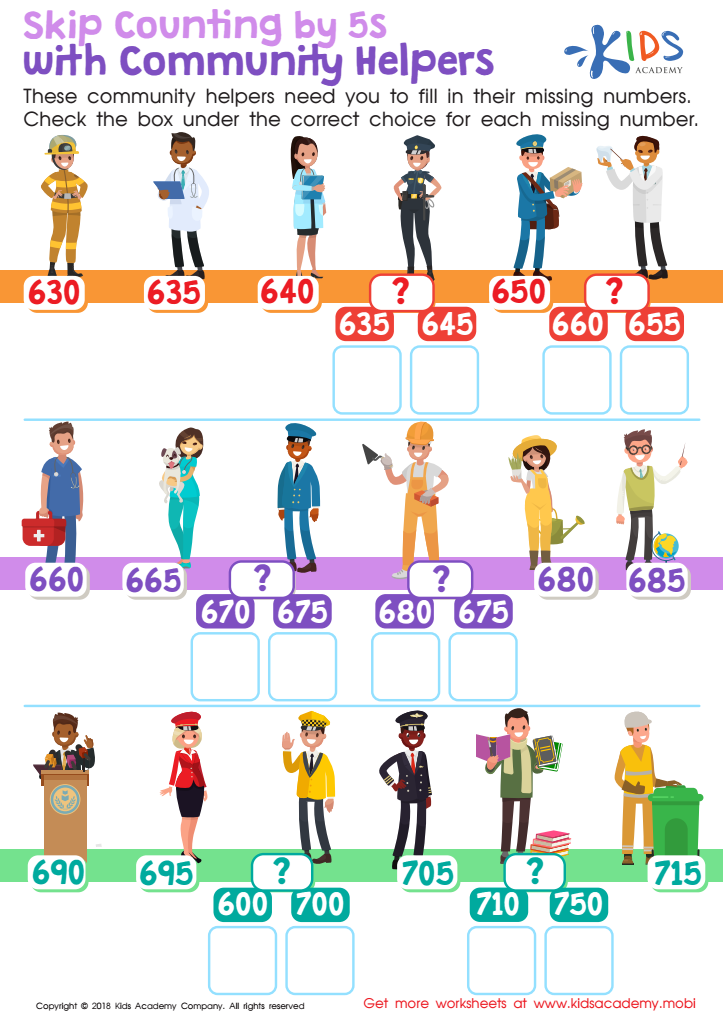
Skip Counting by 5s With Community Helpers Worksheet
This free worksheet combines social studies with math! Kids will practice counting by 5s, rounding numbers and honing their computation skills while also familiarizing themselves with community helpers. Develop your child's number sense and strengthen their math skills - all through a fun and interactive activity.
 Assign to My Students
Skip Counting by 5s With Community Helpers Worksheet
Worksheet
Join Kids Academy for Free
Who is primarily going to use this learning content?



.jpg)




Recognition skills are foundational abilities crucial for successful learning and development in children aged 6-7. These skills include recognizing letters, numbers, shapes, colors, and patterns. As children enter formal schooling, robust recognition skills act as building blocks for higher-order learning, such as reading fluently, solving math problems, and understanding new concepts.
For parents and teachers, fostering these skills is essential because they directly impact a child's readiness and confidence in tackling academic challenges. When children can easily recognize letters and numbers, they can more effectively learn to read and do basic math. Early literacy and numeracy are vital predictors of long-term academic success.
Recognition skills also play a significant role in social and emotional development. Being able to understand and process information quickly helps children follow instructions, participate in classroom activities, and interact positively with peers. Improved recognition abilities lead to a more engaging and less frustrating learning experience.
Parents and teachers can nurture these skills through interactive activities like reading aloud, playing matching games, and hands-on exercises involving object identification. Such involvement not only enhances a child's competency but also reinforces positive attitudes towards learning, setting the stage for lifelong educational success.








