Story sequencing skills Worksheets for Ages 6-7
3 filtered results
-
From - To
Enhance your child's storytelling abilities with our engaging Story Sequencing Skills Worksheets designed for ages 6-7! These worksheets focus on developing critical thinking and comprehension skills as young learners arrange events in the correct order. Featuring colorful illustrations and relatable scenarios, each worksheet encourages creativity and logical reasoning. Perfect for supporting reading readiness, our printable resources foster independent learning and reinforce essential narrative skills. Kids will love the interactive nature of these activities, making storytelling a fun and educational experience. Explore our collection today to help your child become a confident storyteller and thrive in their academic journey!
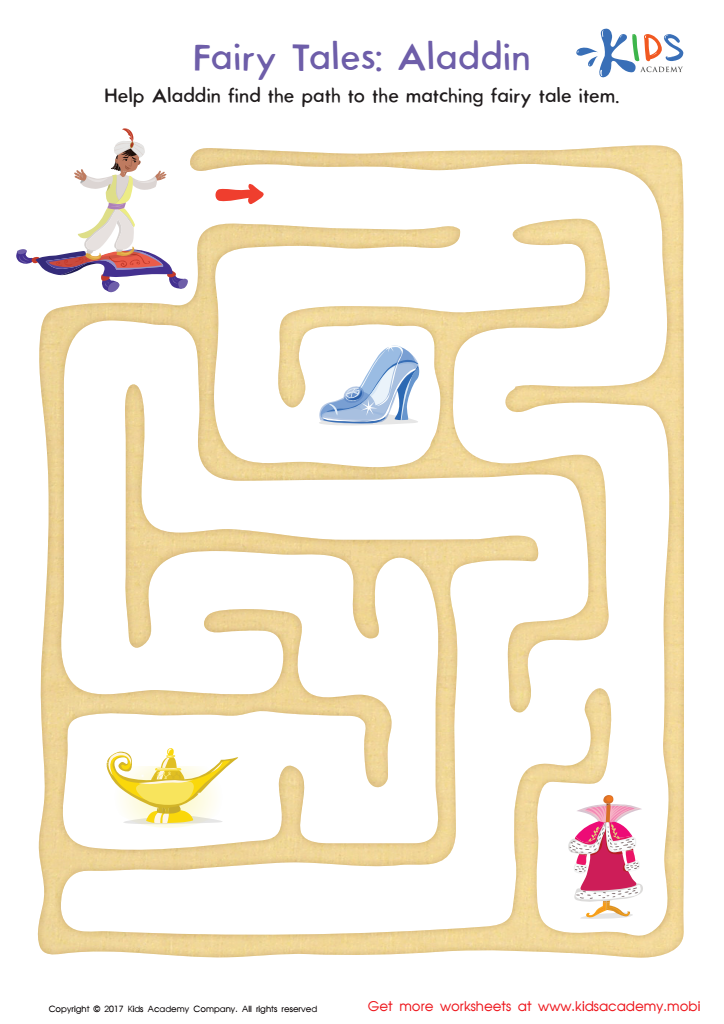
Fairy Tales Aladdin Printable
 Assign to My Students
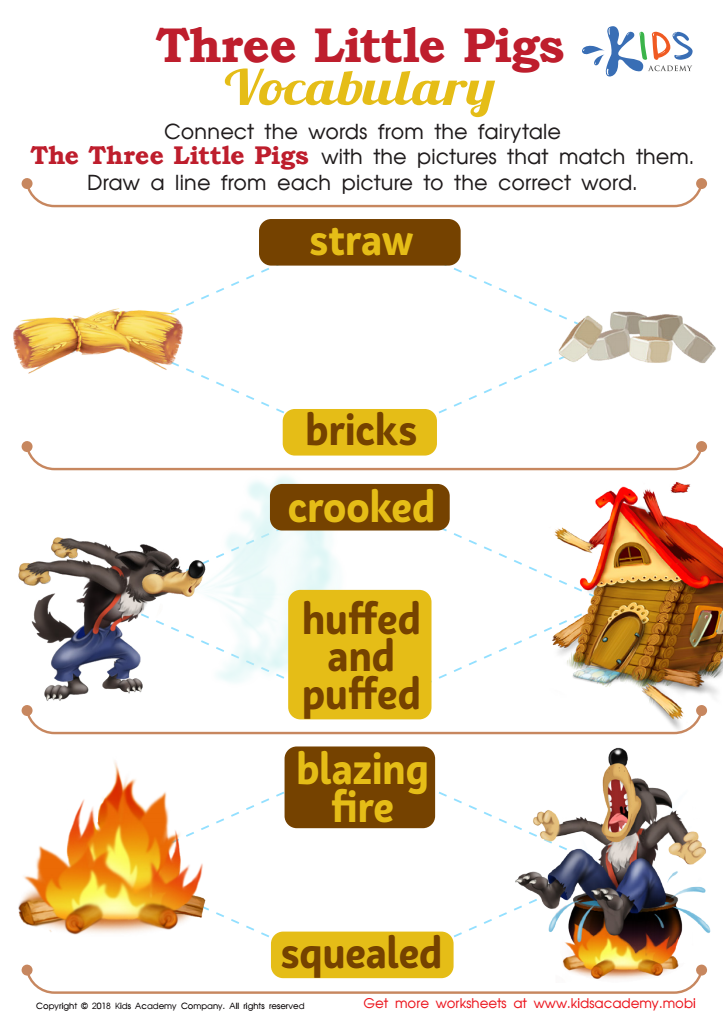
Three Little Pigs Vocabulary Worksheet








Story sequencing skills are crucial for children aged 6-7 as they lay the groundwork for literacy, comprehension, and critical thinking development. At this age, children begin to transition from learning to read to reading to learn, making story sequencing an essential component of their education. It helps them understand the structure of narratives, including the beginning, middle, and end, allowing them to follow and retell stories more effectively.
Developing these skills enhances a child's ability to comprehend plots and character actions, forging a deeper connection with the material. This connection fosters engagement with reading, which can lead to improved vocabulary and language use. Additionally, sequencing skills promote cognitive abilities, as children learn to recognize patterns and cause-and-effect relationships in stories, which can translate into better problem-solving skills in real-life situations.
Moreover, these skills encourage creativity, as students become more adept at crafting their own stories, fostering self-expression and imagination. For parents and teachers, prioritizing story sequencing skills is vital—it not only enriches children's reading experiences but builds a strong foundation for academic success across various subjects. Engaging children in storytelling activities can nurture a lifelong love for reading and enhance their overall learning journey.








