Story sequencing Worksheets for Ages 6-7 - Page 2
27 filtered results
-
From - To
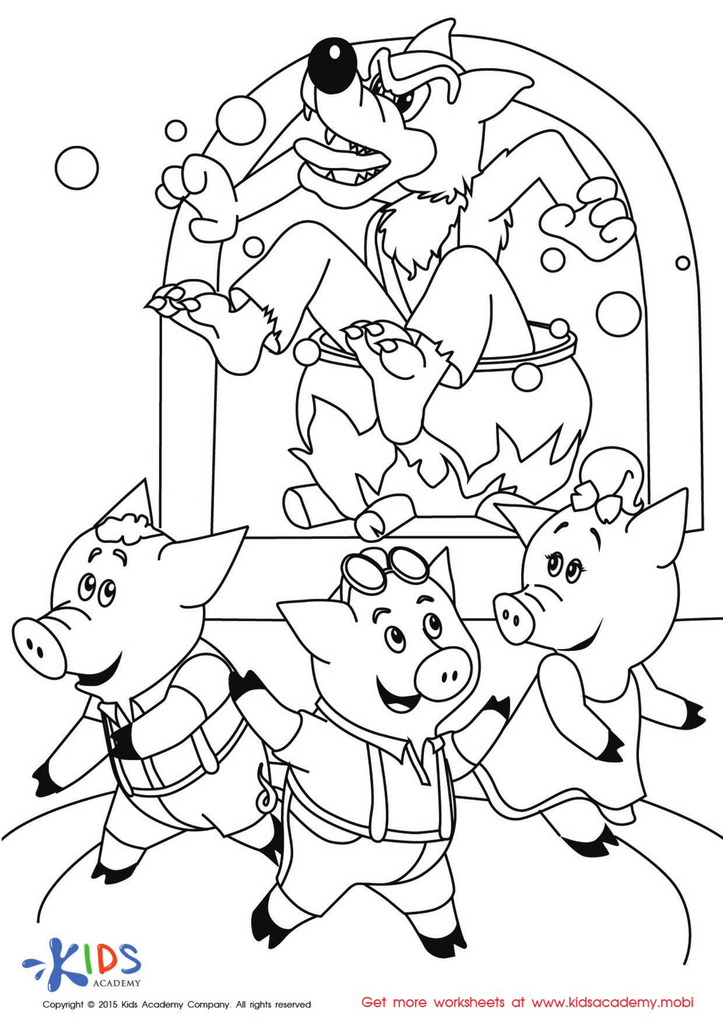
The Three Little Pigs and The Big Bad Wolf Printable
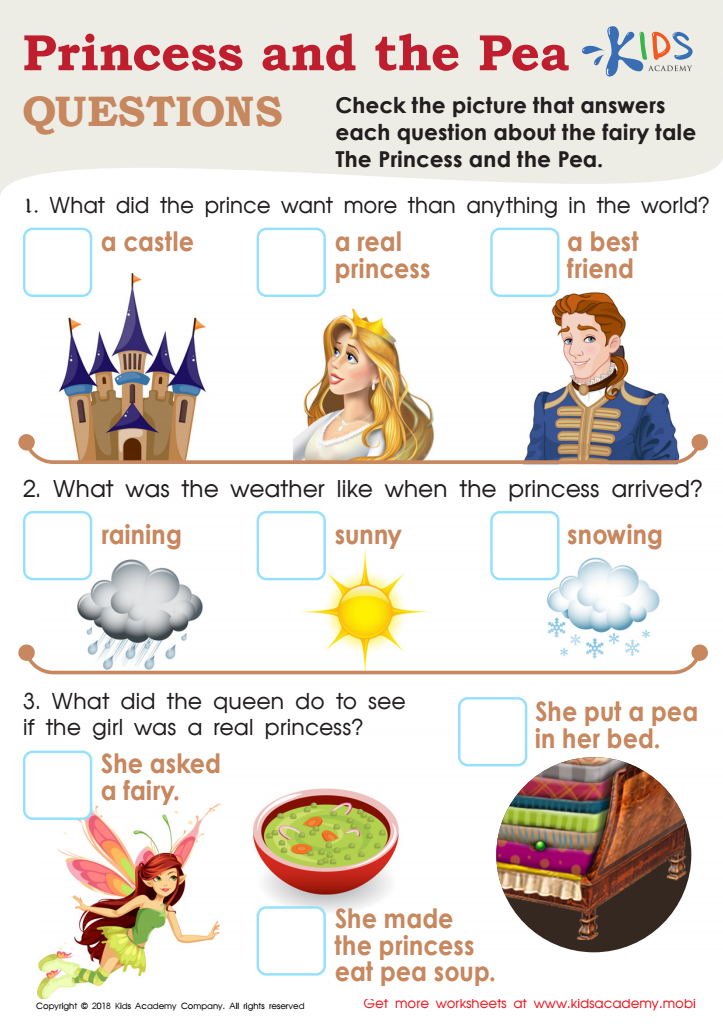
Princess and the Pea Questions Worksheet
 Assign to My Students
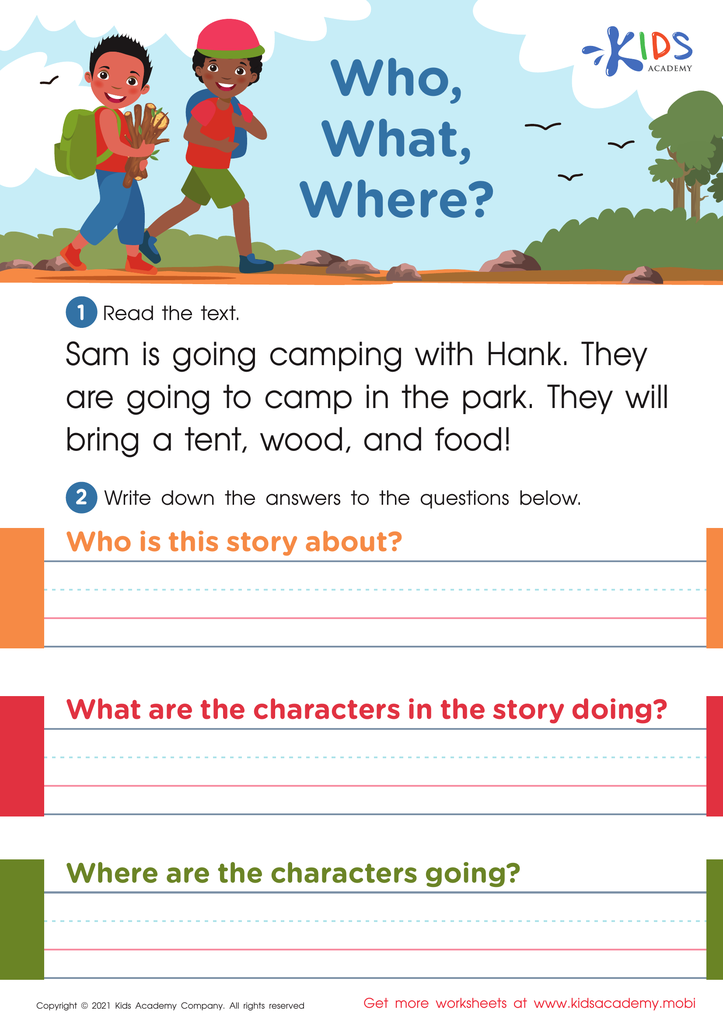
Who, What, Where? Worksheet







Story sequencing is a crucial skill for children aged 6-7 that significantly enhances their understanding of narrative structures and improves literacy skills. At this developmental stage, children are beginning to grasp the components of stories—like characters, settings, problems, and resolutions. Teaching them to sequence events helps them comprehend how stories unfold and allows for better retelling, fostering both listening and comprehension skills.
Moreover, story sequencing encourages critical thinking. When children analyze and sort events or actions in a logical order, they engage their cognitive processes, which are essential for solving problems both within stories and in real-life situations. This skill also enhances their creative expression as they begin to understand how to build their narratives effectively.
For parents and teachers, encouraging story sequencing at this age supports overall academic success. It lays the groundwork for future reading comprehension, writing, and verbal communication skills. Additionally, it nurtures a love of storytelling, prompting children to engage with books and narratives actively. By prioritizing story sequencing, we help children to become not just proficient readers and writers, but also thoughtful thinkers and communicators. This foundational skill brings countless benefits as they transition into more complex literacy tasks in the years ahead.








