Time calculation Worksheets for Ages 6-7
3 filtered results
-
From - To
Welcome to our "Time Calculation Worksheets for Ages 6-7" page, designed to help young learners grasp essential time concepts. These engaging and interactive worksheets introduce kids to reading analog and digital clocks, understanding AM/PM, and calculating time intervals. With a variety of activities, from matching times to solving real-life scenarios, students will build their confidence in managing time. Tailored to reinforce key math skills and enhance critical thinking, our resources support early education goals. Explore our collection and watch your child develop a strong foundation in time management while having fun learning! Perfect for home or classroom use!
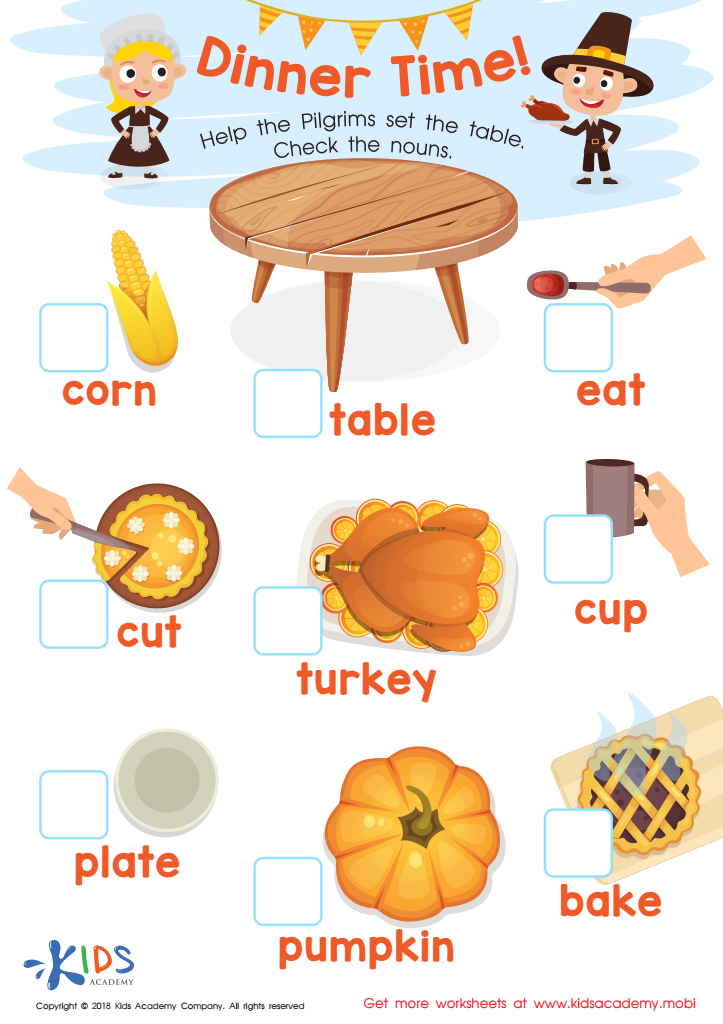
Dinner Time! Worksheet
 Assign to My Students
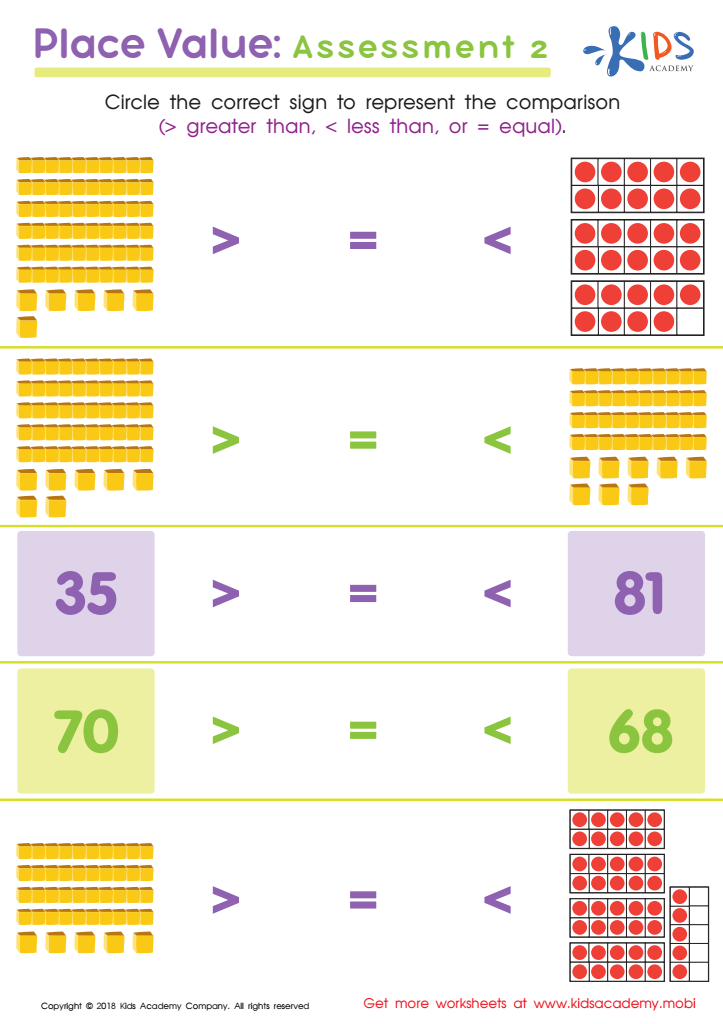
Place Value: Assessment 2 Worksheet
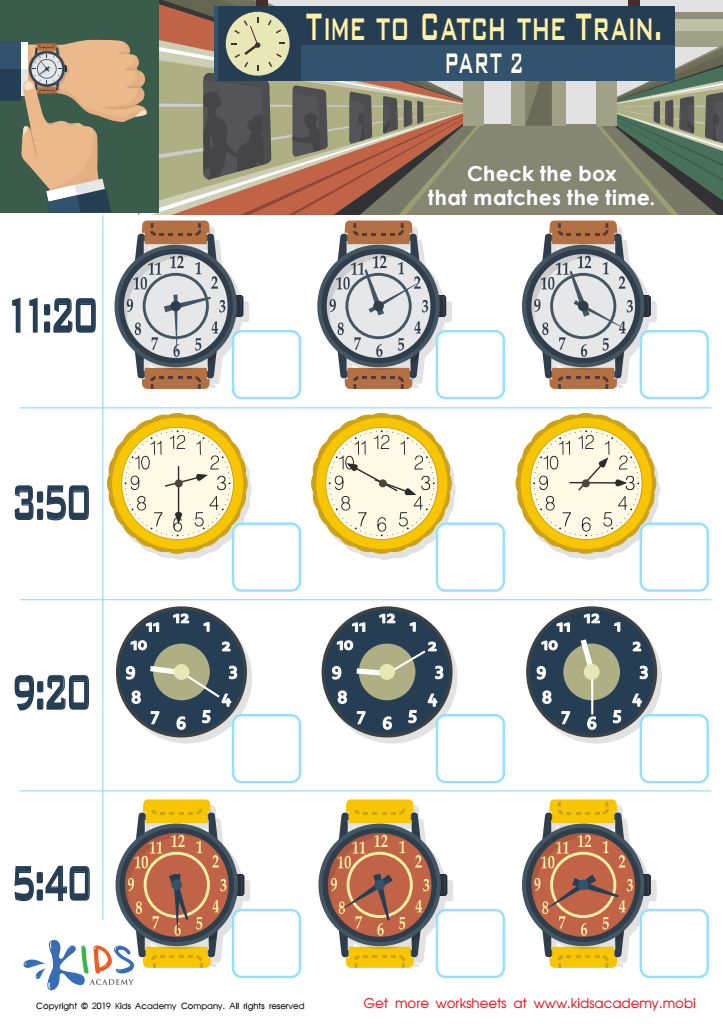
Time to Catch the Train Part 2 Worksheet






Time calculation is a crucial skill for children aged 6-7, as it lays the foundation for their understanding of daily routines, schedules, and the passage of time. Parents and teachers should care because this aspect of learning promotes essential cognitive development and practical life skills.
Firstly, understanding time helps children better manage their activities, from waking up on time for school to participating in after-school events. This fosters independence and responsibility, as they learn to follow written or verbal schedules. Developing time awareness also enhances critical thinking and problem-solving skills; for instance, children can estimate how long tasks might take and make decisions accordingly.
Additionally, engaging with time creates opportunities for enhanced math skills. By working with clocks, calendars, and various time-related concepts, children solidify foundational mathematical principles like counting, addition, and subtraction. Understanding time also enriches their language skills as they learn to articulate timelines and use time-related vocabulary.
Moreover, fostering time calculation in young students can reduce anxiety about transitions, such as moving from one activity to another, cultivating a sense of security and routine in their lives. In essence, time calculation enriches children's learning experiences both cognitively and emotionally, which is vital for their overall development.








