Understanding measurements Worksheets for Ages 6-7 - Page 2
27 filtered results
-
From - To
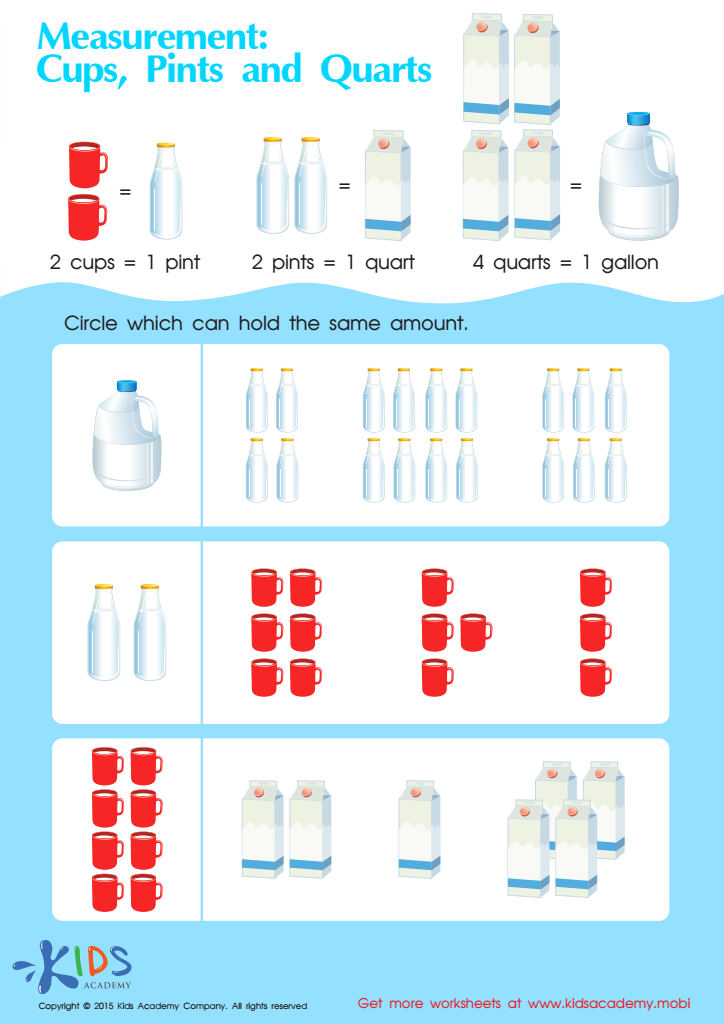
Cups, Pints and Quarts 2 Worksheet
 Assign to My Students
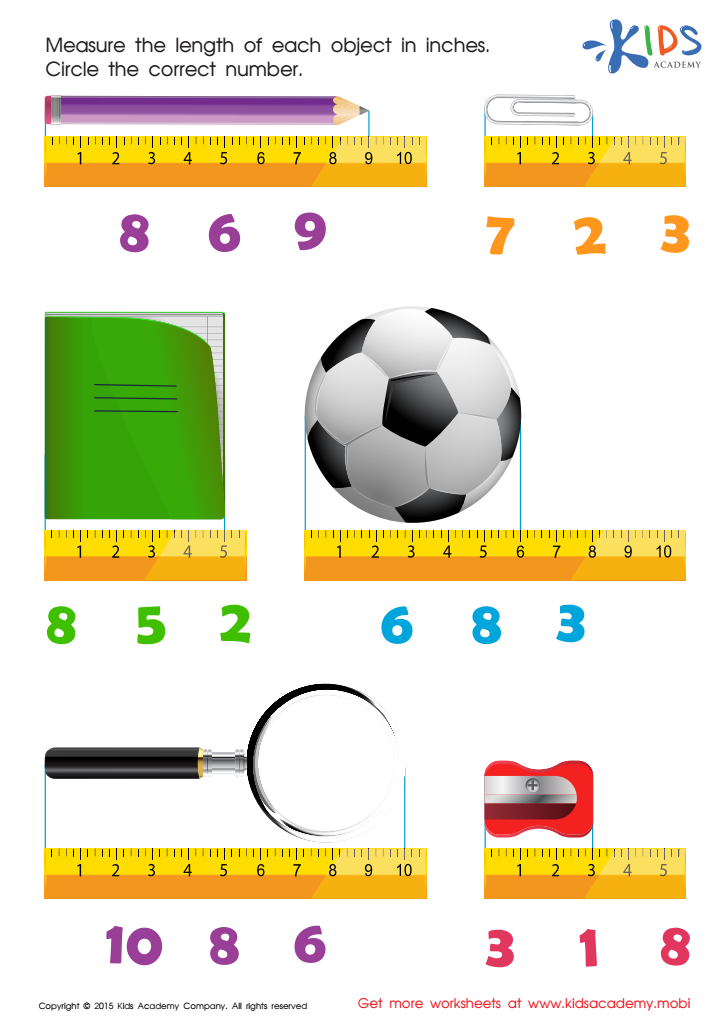
Learning measuring objects in inches Worksheet
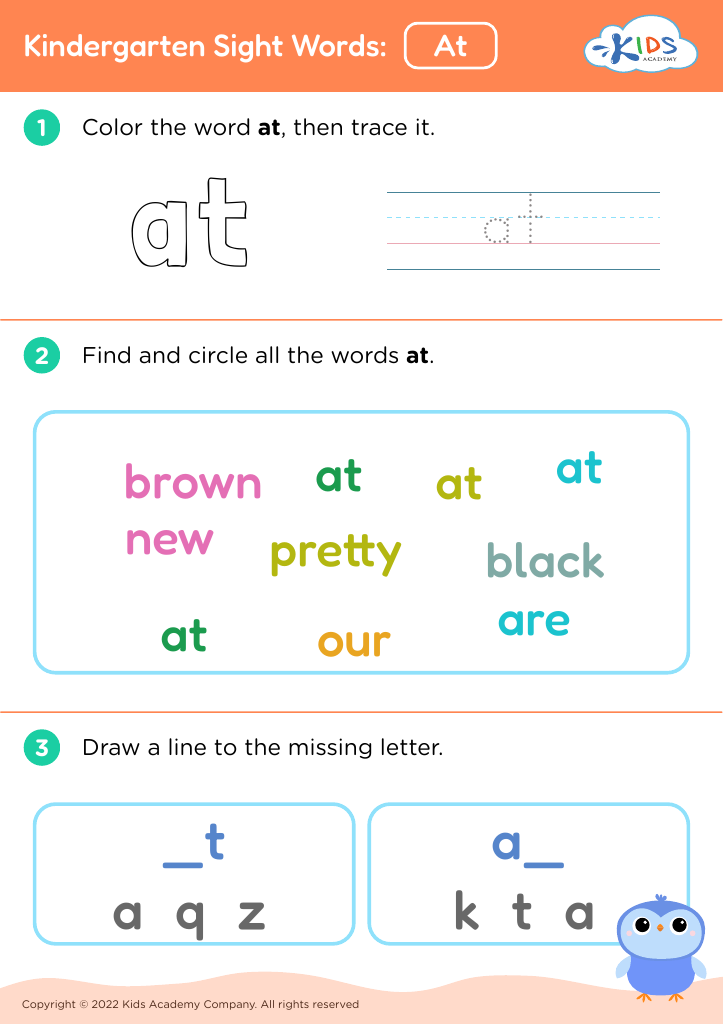


.jpg)

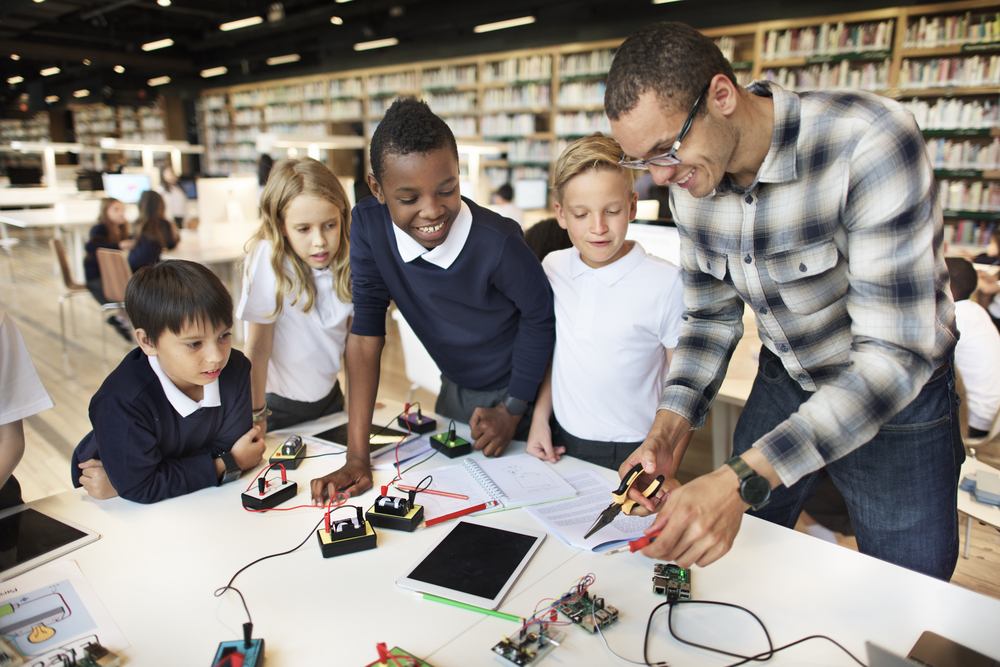
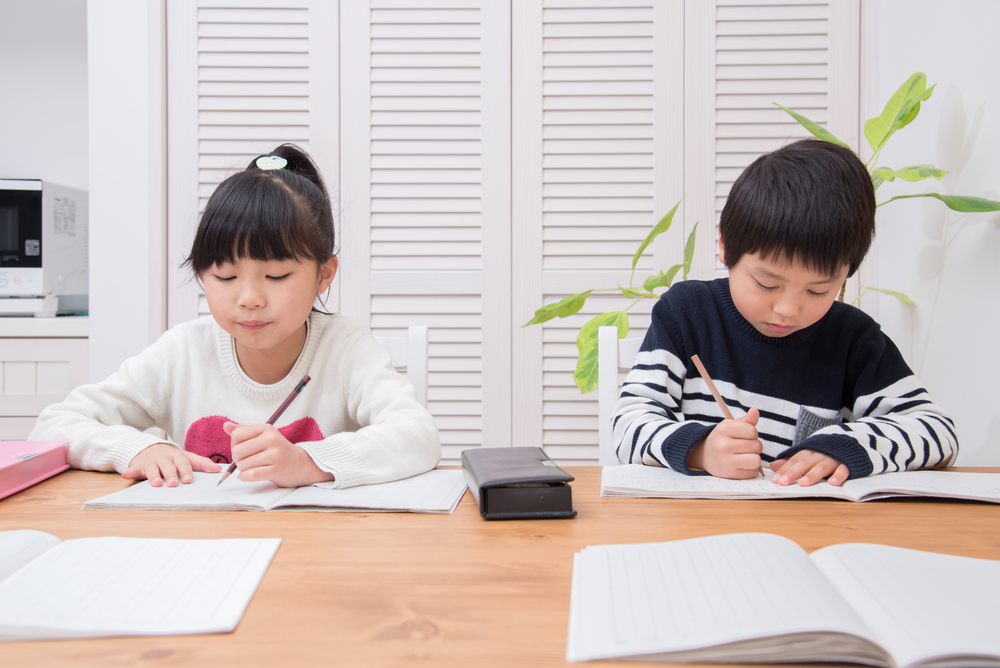

Understanding measurements is crucial for children aged 6-7 as it lays a solid foundation for their mathematical and problem-solving skills. At this age, children are naturally curious, and teaching them to measure—whether it's liquids, lengths, or weights—excites this curiosity and enhances their everyday experiences. For instance, cooking provides a delightful opportunity to understand quantities and units, making math tangible and engaging.
Moreover, grasping measurements becomes essential as children encounter more advanced concepts in later grades. It supports their comprehension in subjects beyond math, including science (understanding capacities in experiments) and art (proportions in drawings). Furthermore, measurement skills can boost a child's confidence, as it empowers them to make sense of their environment, from measuring the height of a plant to comparing the lengths of objects like toy cars.
When parents and teachers actively involve children in hands-on activities related to measurements, it strengthens their analytical thinking and critical reasoning. By caring about measurement concepts now, they instill a lifelong appreciation for mathematics, enhance cognitive development, and prepare children for academic success. Ultimately, these skills are not just about numbers; they are fundamental to understanding the world around us.








