Understanding sentence structure Worksheets for Ages 6-7
4 filtered results
-
From - To
Discover our engaging "Understanding Sentence Structure Worksheets" designed specifically for kids aged 6-7. These interactive resources are perfect for young learners to build foundational language skills. Our worksheets focus on identifying sentence components, understanding word order, and enhancing overall writing abilities. With fun activities that capture children's attention, they’ll learn through coloring, matching, and filling in the blanks. These worksheets not only foster creativity but also boost comprehension and vocabulary, making learning exciting. Ideal for teachers and parents aiming to support early literacy development, our resources help children become confident communicators. Start your child's journey to mastering sentence structure today!
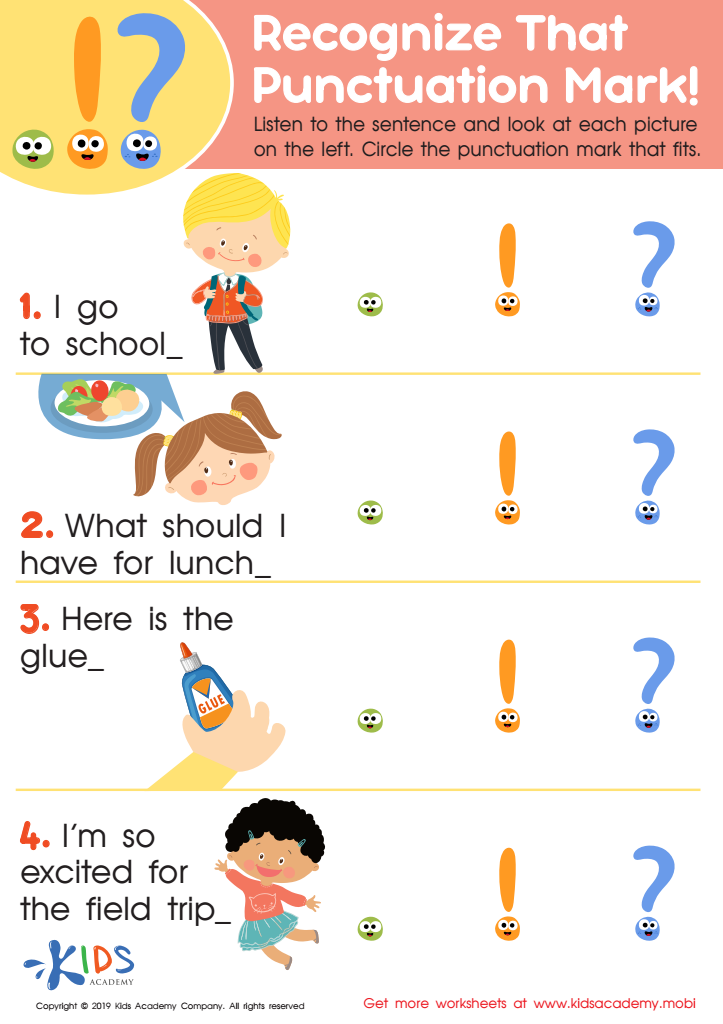
Recognize Punctuation Marks Worksheet
 Assign to My Students
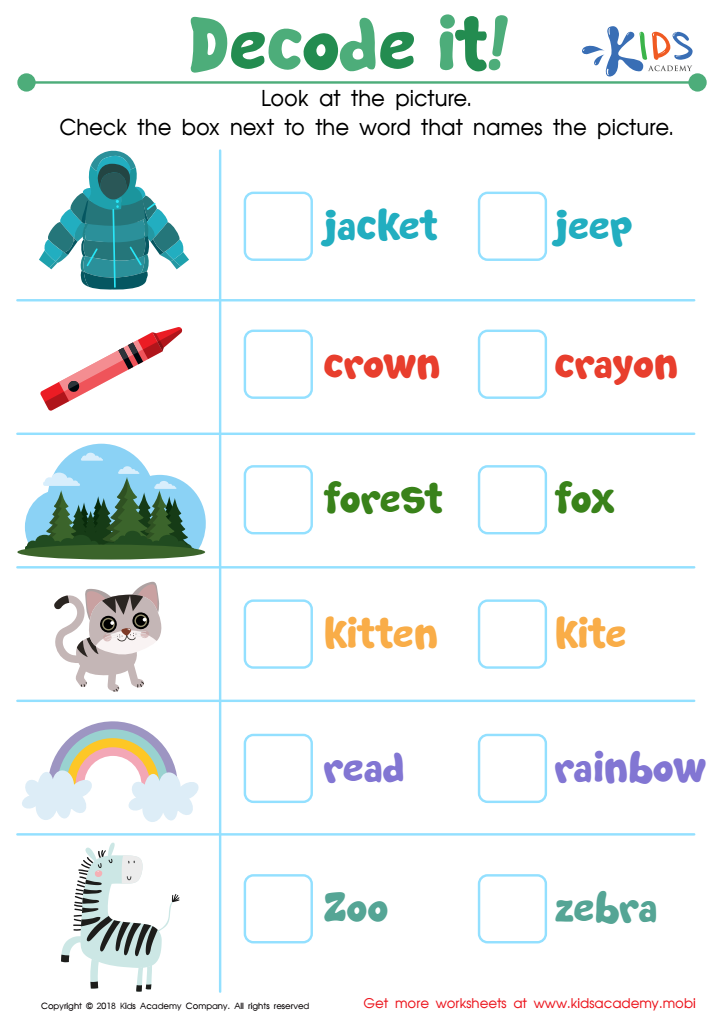
Reading: Decode It Worksheet
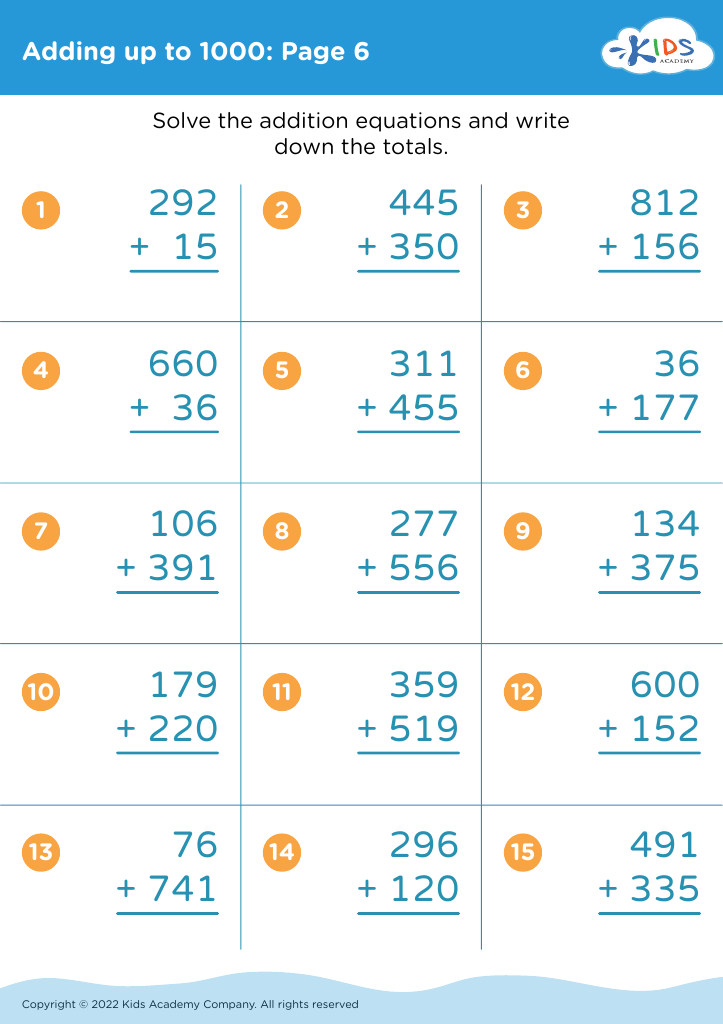
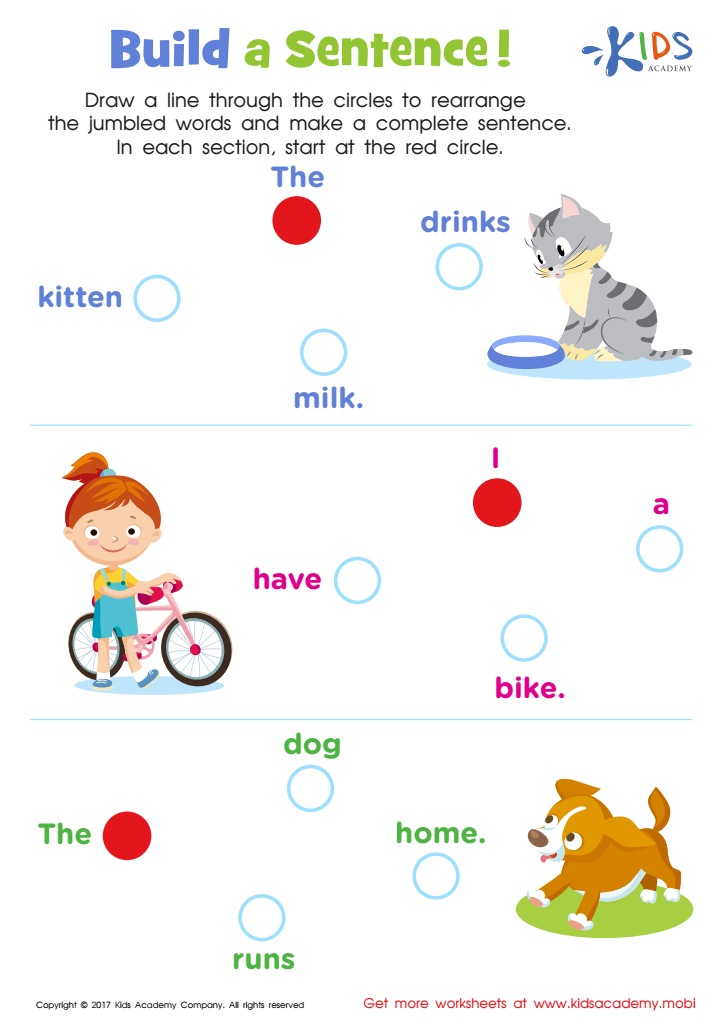
Sentence Structure Printable




.jpg)



Understanding sentence structure is vital for children aged 6-7 as it serves as a foundation for their literacy development. At this age, children begin to expand their writing and reading abilities, transitioning from simple sentences to more complex ones. If parents and teachers recognize the importance of sentence structure, they can provide targeted support that enhances communication skills.
Firstly, comprehending sentence structure helps children make sense of what they read. Recognizing subject-verb relationships and the role of adjectives and adverbs allows them to grasp the meaning of sentences more effectively. This understanding also improves their writing; children learn to craft sentences that convey their thoughts clearly and engage readers.
Moreover, mastering sentence structure builds confidence in both oral and written communication, essential skills for school and beyond. Encouraging activities such as sentence-building games can make learning enjoyable and interactive. When parents and teachers take an active role in discussing and practicing sentence structure, they foster essential literacy skills that will benefit children throughout their education. Ultimately, prioritizing a solid foundation in sentence structure empowers children to express themselves thoughtfully, prepares them for academic success, and builds critical thinking skills essential for lifelong learning.








