
Visual representation Worksheets for Ages 6-7
3 filtered results
Difficulty Level
Grade
Age
-
From - To
Subject
Activity
Standards
Unlock the magic of learning with our Visual Representation Worksheets for Ages 6-7! Designed to captivate young minds, these printable resources combine education and fun, helping children grasp key concepts through visual aids. Our worksheets cover a range of topics including math, science, and reading comprehension, fostering critical thinking and problem-solving skills. With vibrant illustrations and engaging activities, kids will develop a deeper understanding of patterns, sequences, and relationships. Perfect for classroom or home use, these worksheets make learning an enjoyable adventure, laying a solid foundation for future academic success. Enhance your child’s educational journey with our expertly crafted visual tools!
Favorites
With answer key
Interactive
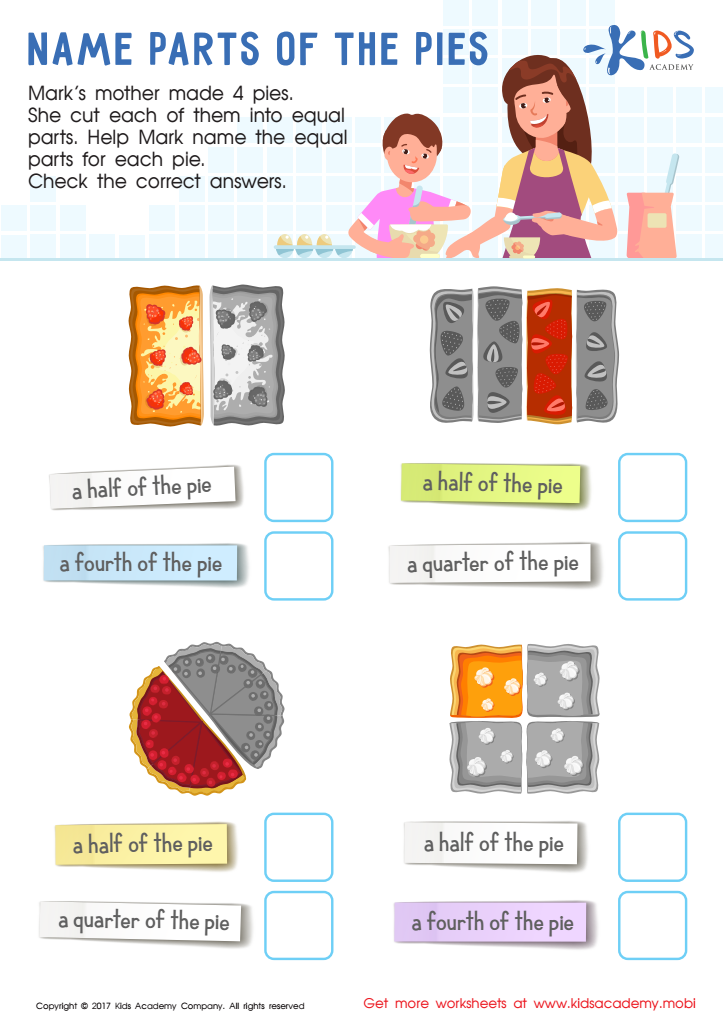
Name Parts of the Pies Worksheet
Mark and his mom are making pies. He's dividing them into equal parts and needs help to name them. Let your students aid him by checking the correct answer for each picture. Have them think of their own roles in the kitchen when they're done. How do they help their moms?
 Assign to My Students
Name Parts of the Pies Worksheet
Worksheet
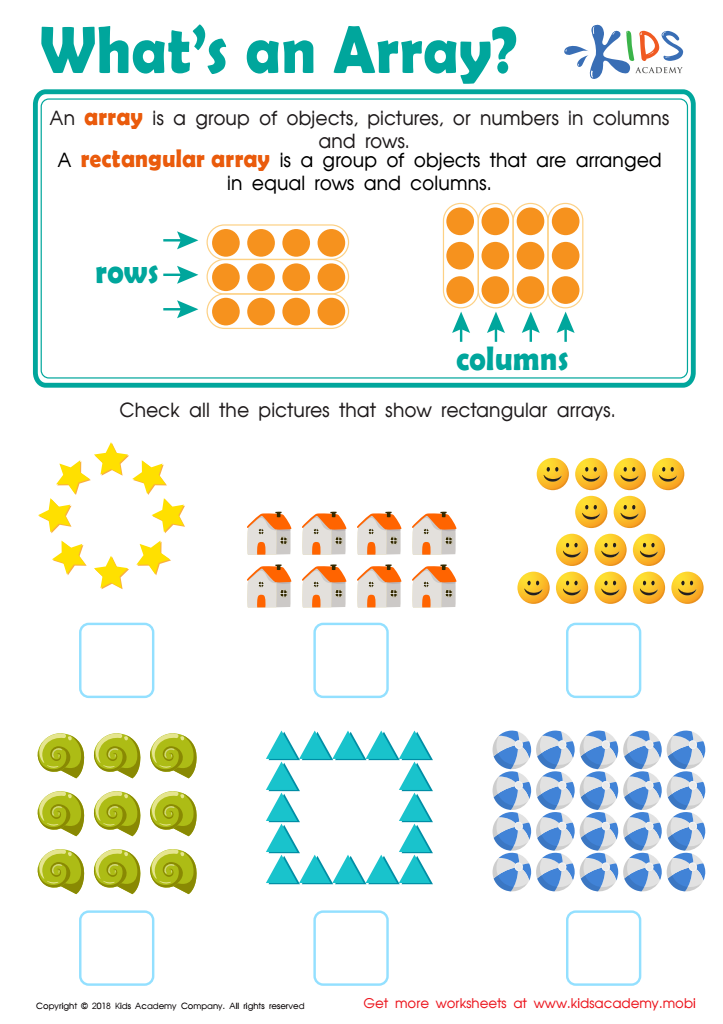
What's an Array? Worksheet
Explain to your child that an array is a group of objects, pictures, or numbers in columns and rows. Show them a rectangular array is a group of objects in equal rows and columns. Guide them to check the pictures in the worksheet to spot any rectangular arrays. Help them remember this concept.
What's an Array? Worksheet
Worksheet
Join Kids Academy for Free
Who is primarily going to use this learning content?






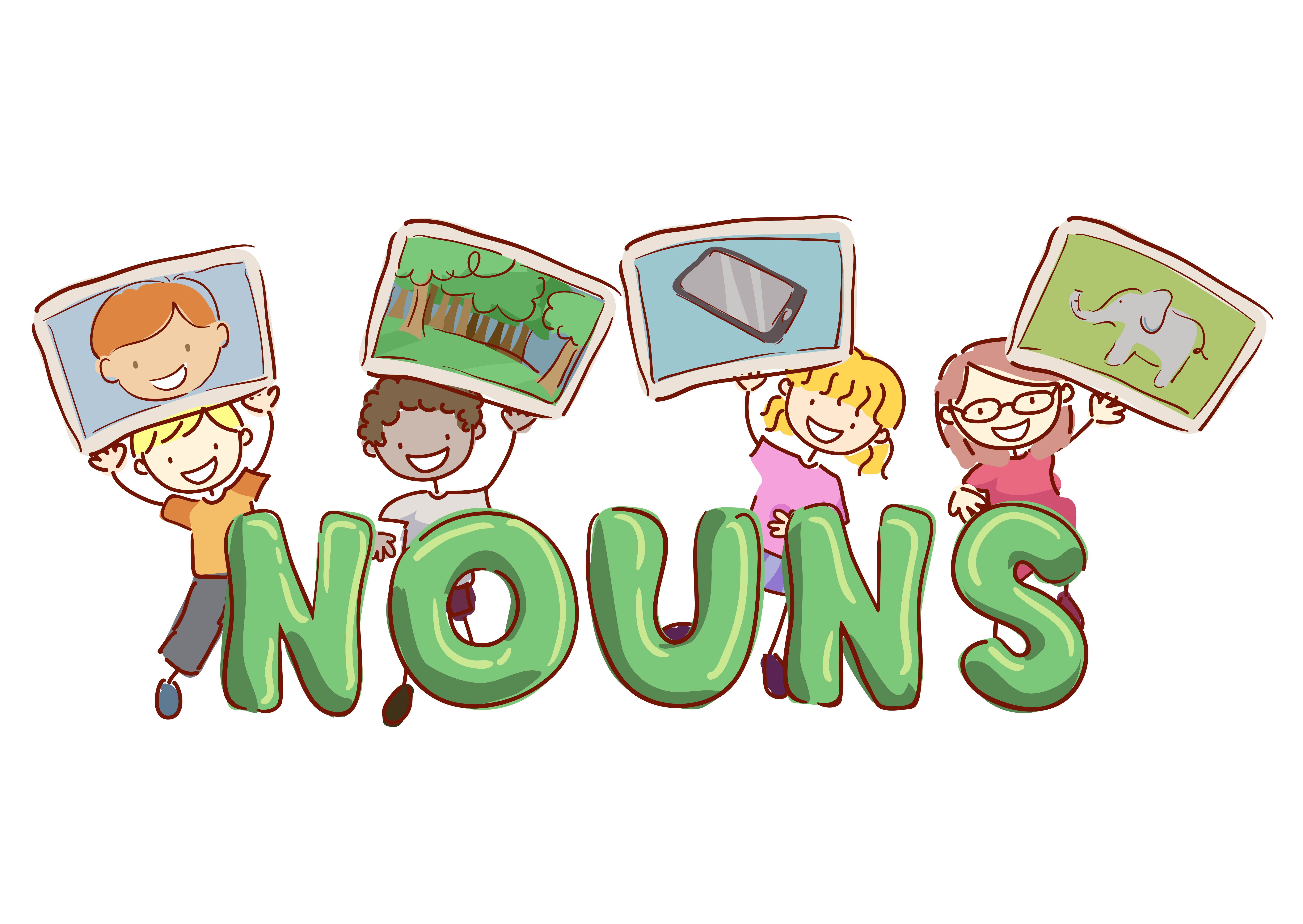

Visual representation is crucial for young learners, particularly those between the ages of 6-7, because it significantly enhances their understanding and retention of new concepts. At this age, children are often visual learners, meaning they grasp and remember information better when it's presented visually.
First, visual aids like pictures, diagrams, and charts help make abstract ideas more concrete. For instance, when learning basic math, students can better comprehend addition and subtraction by seeing pictures of objects being added or taken away rather than just hearing or reading about it. Visual tools also aid in vocabulary development, as associating words with images can foster more effective learning and recall.
Additionally, visual representation supports cognitive development. It helps children in organizing information, identifying patterns, and making connections between different pieces of information. This visual learning strategy also caters to diverse learning styles. Not all students learn effectively through traditional methods like listening or reading; some need to see concepts visually to fully understand them.
Moreover, using visual aids can increase student engagement and motivation. Bright, engaging visuals capture children's attention better than plain text, making learning activities more exciting and enjoyable.
Overall, integrating visual representation into teaching methodologies enables educators and parents to create a more inclusive, effective, and engaging learning environment for young children.








