Filters

219 filtered results

Clear all filters
Favorites
With answer key
Interactive

219 filtered results

Difficulty Level

Grade


Subject

    Check out this FREE Trial Lesson on Adding up to 100 for age 6-7!

    Short and Long Vowel Sort

    Favorites
    With answer key
    Interactive
    • 6-7
    • Adding up to 100
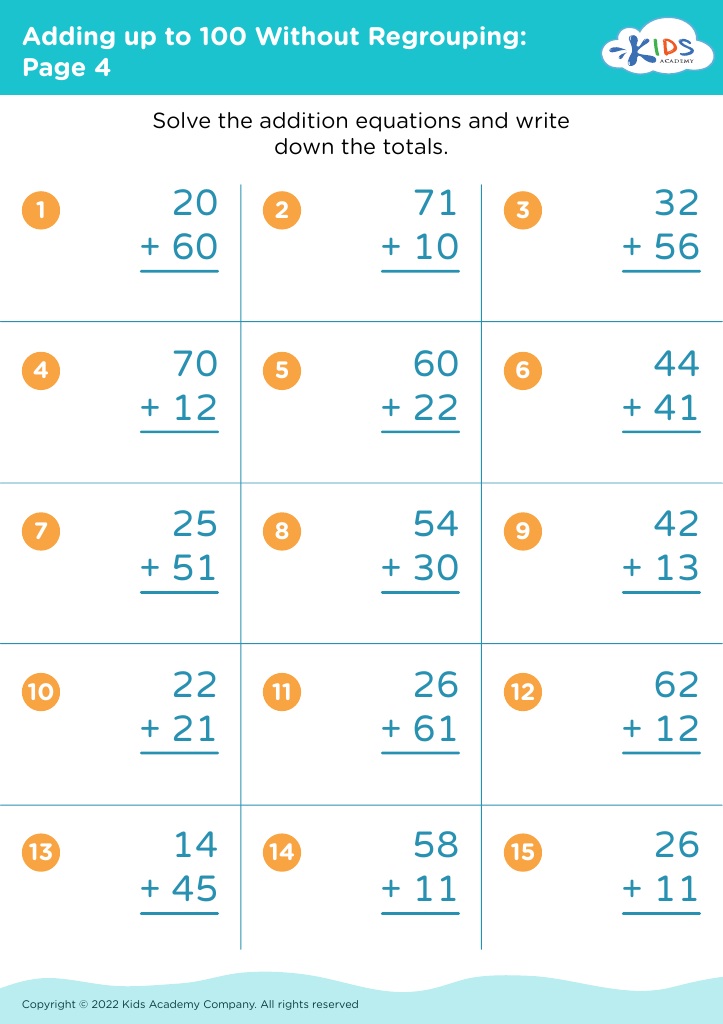
    Adding up to 100 Without Regrouping: Page 4
    Adding up to 100 Without Regrouping: Page 4
    Adding up to 100 Without Regrouping: Page 4
    Worksheet
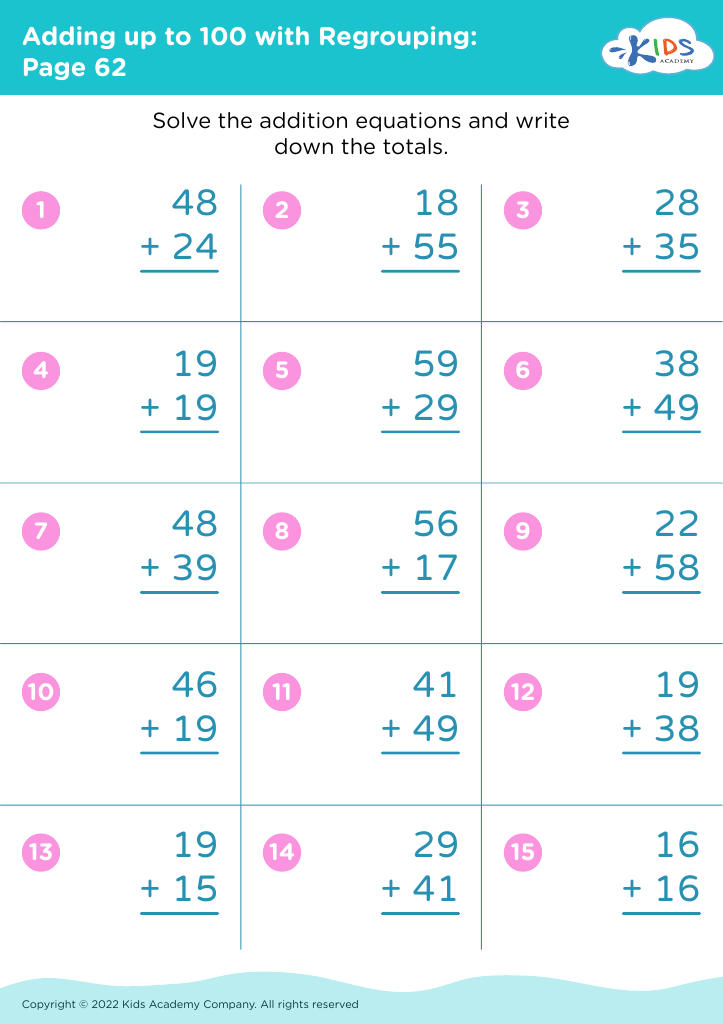
    Adding up to 100 with Regrouping: Page 62
    Adding up to 100 with Regrouping: Page 62
    Adding up to 100 with Regrouping: Page 62
    Worksheet
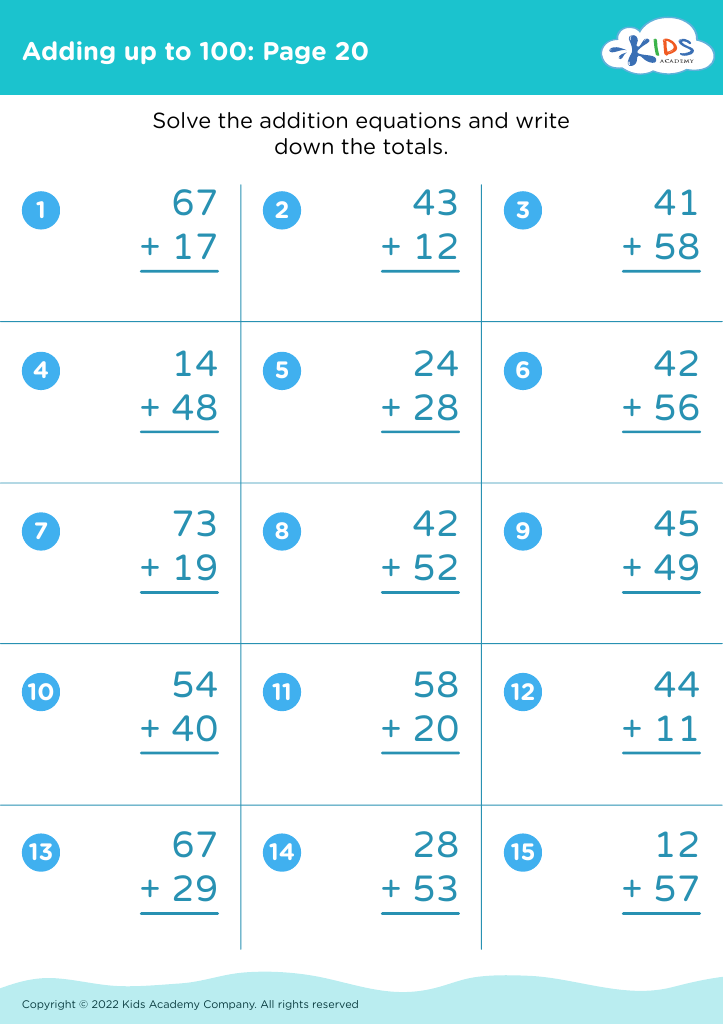
    Adding up to 100: Page 20
    Adding up to 100: Page 20

    Adding up to 100: Page 20

    Adding up to 100: Page 20
    Worksheet
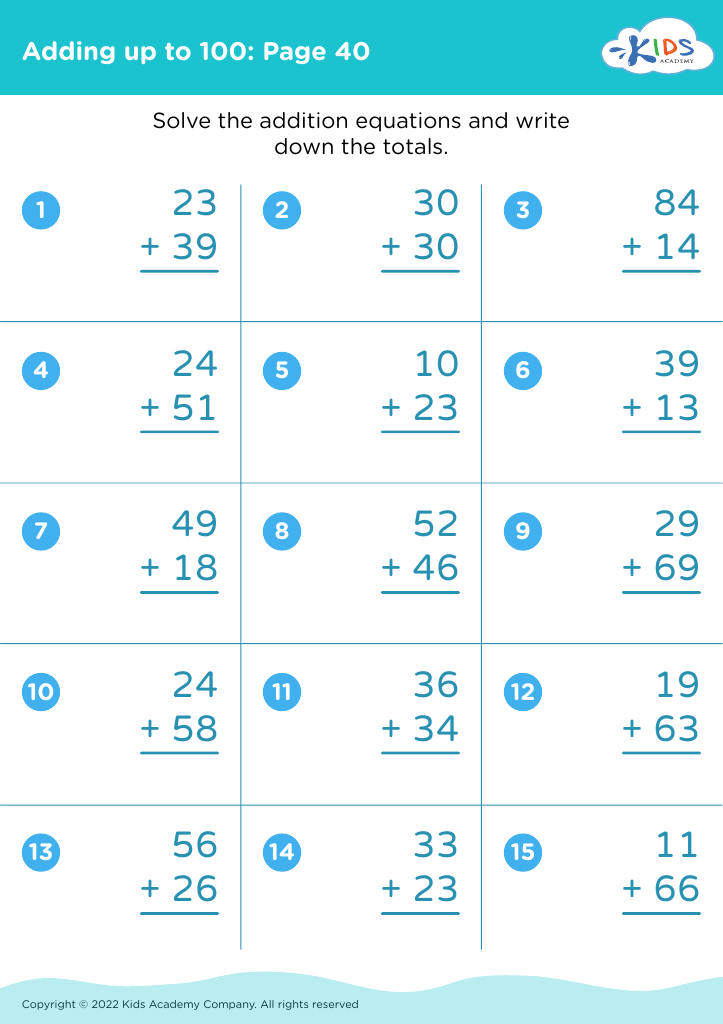
    Adding up to 100: Page 40
    Adding up to 100: Page 40

    Adding up to 100: Page 40

    Adding up to 100: Page 40
    Worksheet
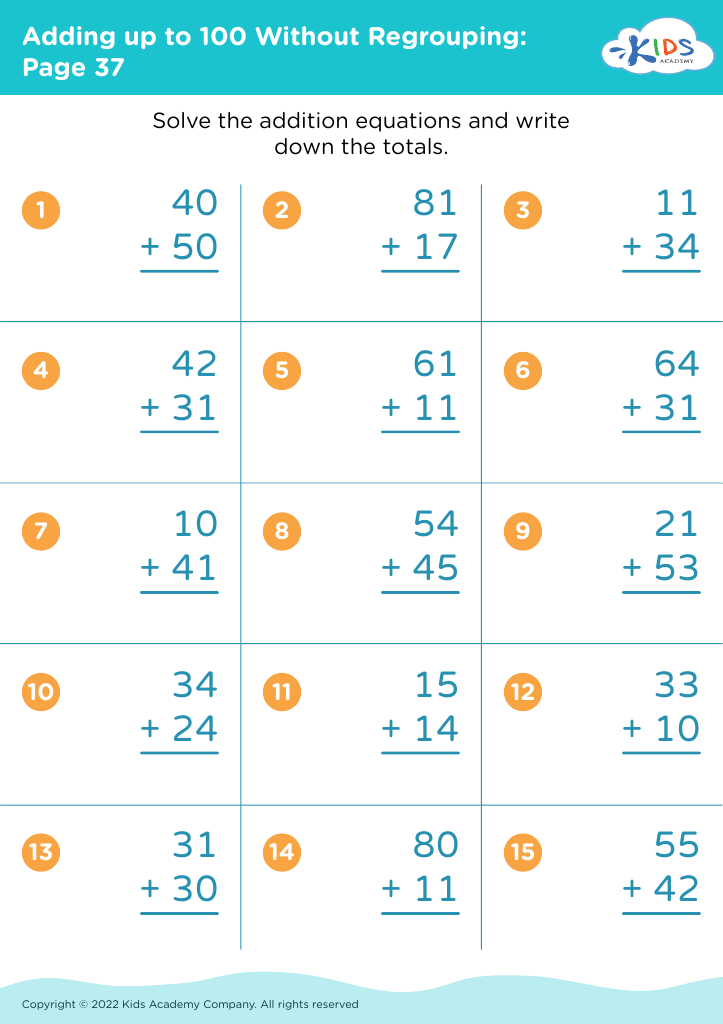
    Adding up to 100 Without Regrouping: Page 37
    Adding up to 100 Without Regrouping: Page 37
    Adding up to 100 Without Regrouping: Page 37
    Worksheet
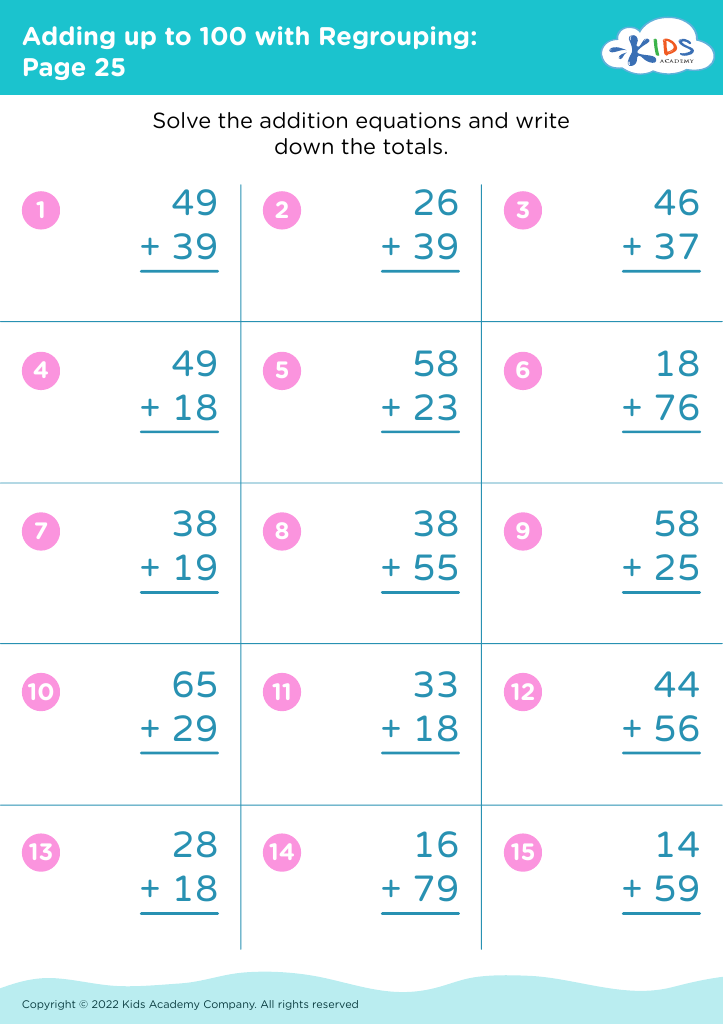
    Adding up to 100 with Regrouping: Page 25
    Adding up to 100 with Regrouping: Page 25
    Adding up to 100 with Regrouping: Page 25
    Worksheet
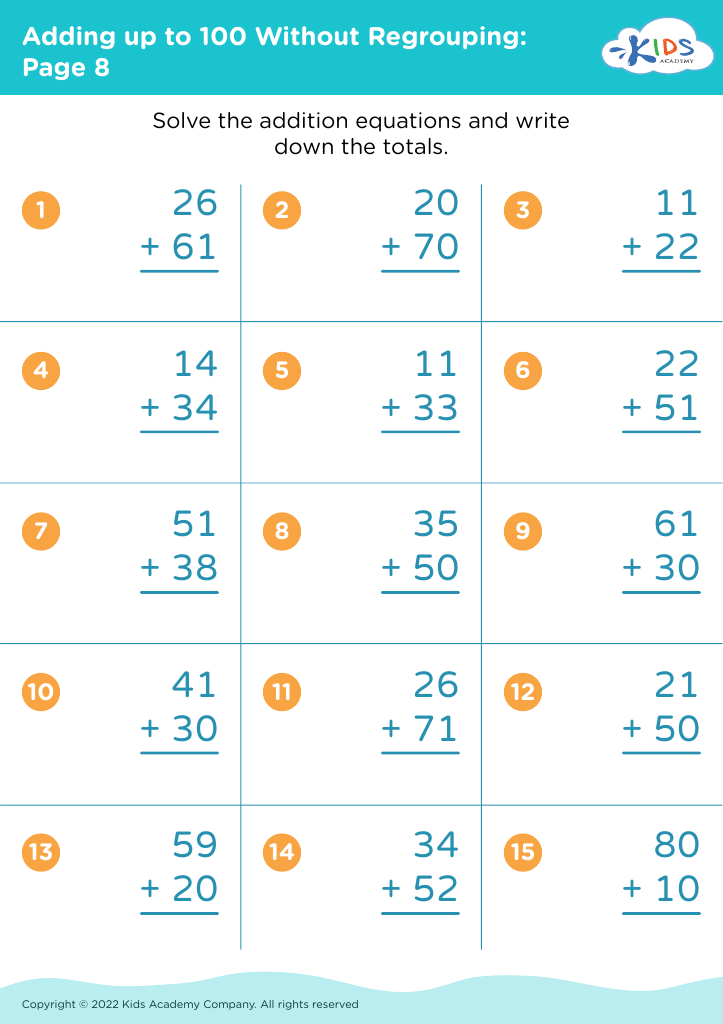
    Adding up to 100 Without Regrouping: Page 8
    Adding up to 100 Without Regrouping: Page 8
    Adding up to 100 Without Regrouping: Page 8
    Worksheet
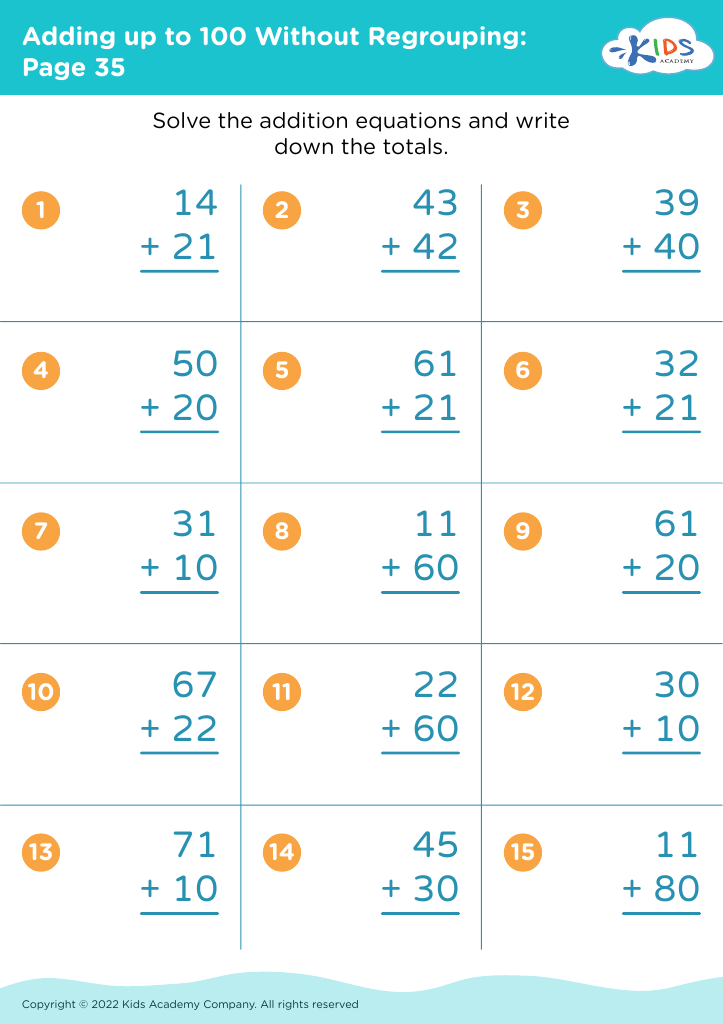
    Adding up to 100 Without Regrouping: Page 35
    Adding up to 100 Without Regrouping: Page 35
    Adding up to 100 Without Regrouping: Page 35
    Worksheet
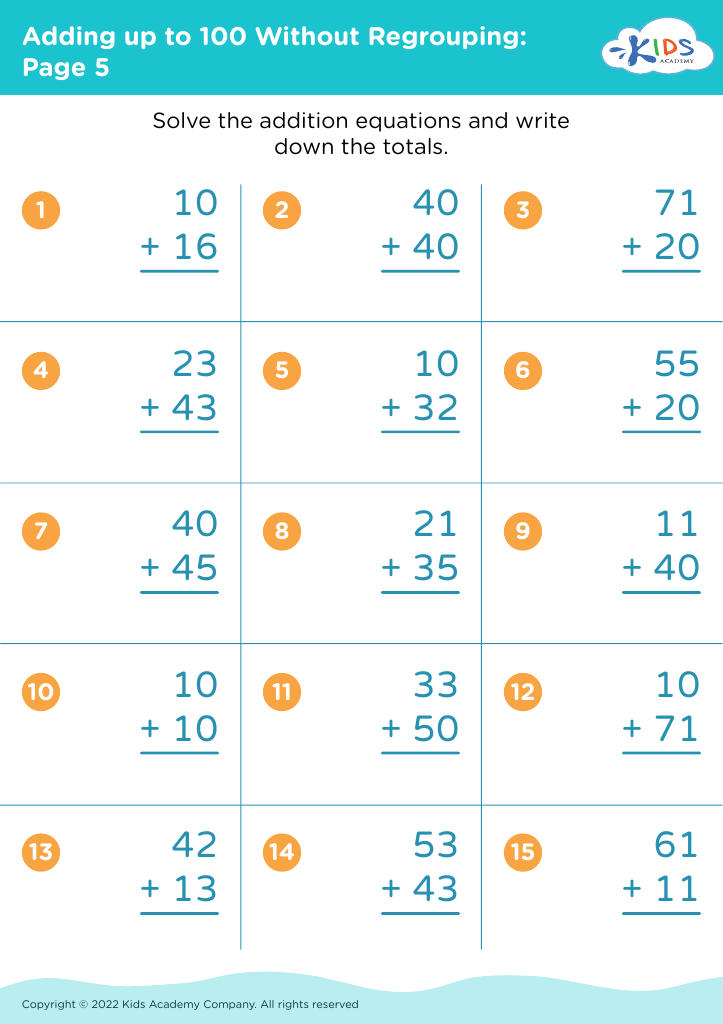
    Adding up to 100 Without Regrouping: Page 5
    Adding up to 100 Without Regrouping: Page 5
    Adding up to 100 Without Regrouping: Page 5
    Worksheet
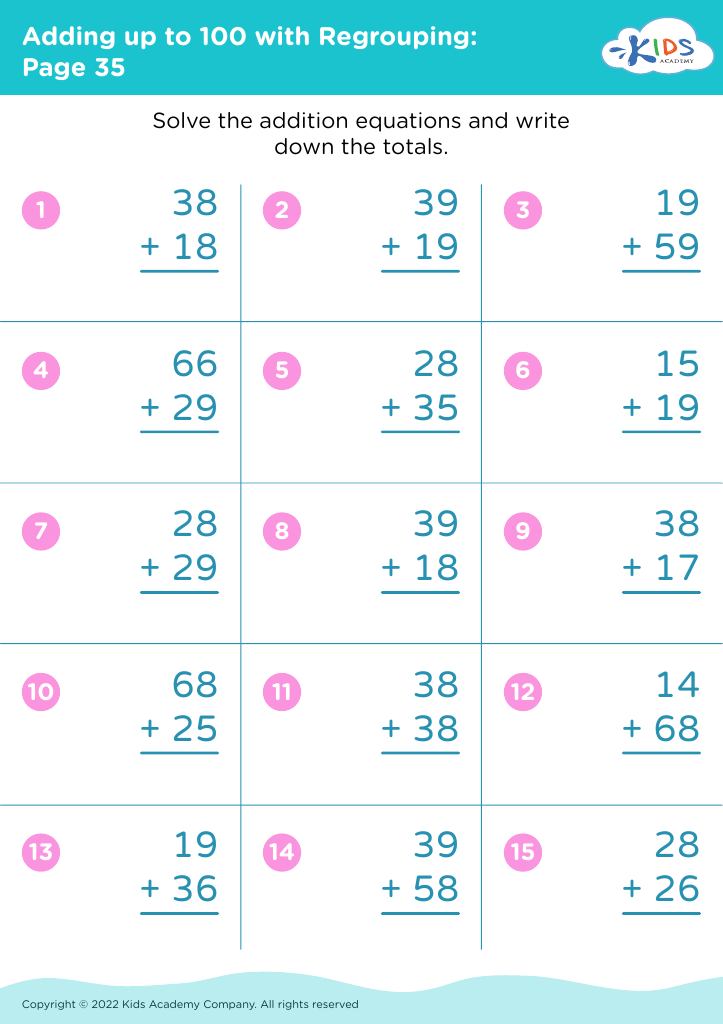
    Adding up to 100 with Regrouping: Page 35
    Adding up to 100 with Regrouping: Page 35
    Adding up to 100 with Regrouping: Page 35
    Worksheet
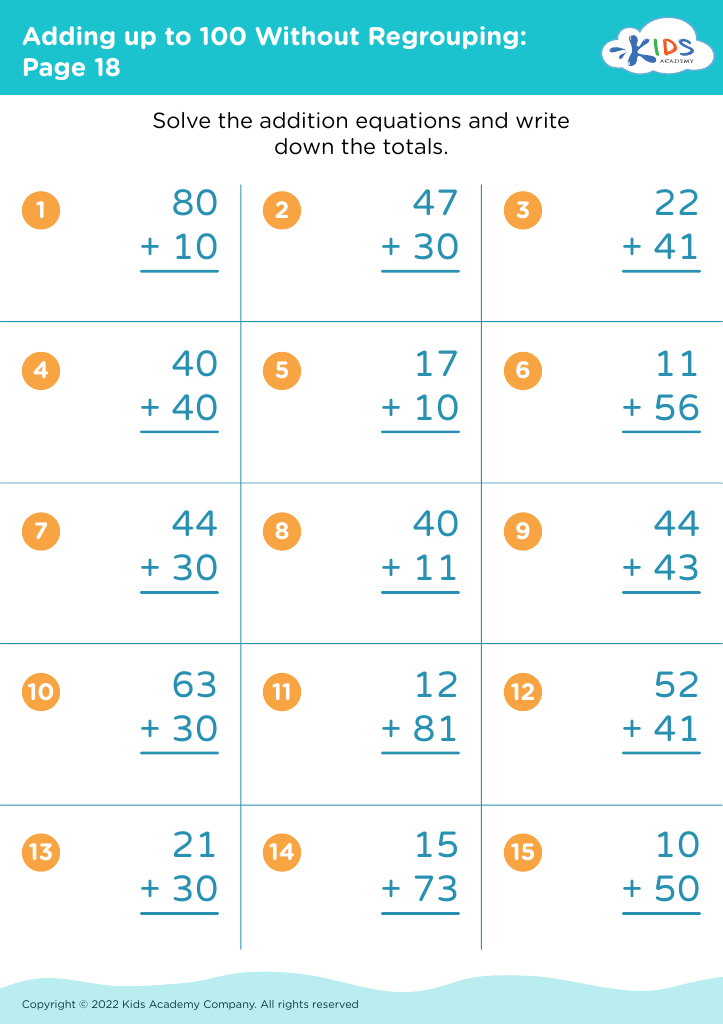
    Adding up to 100 Without Regrouping: Page 18
    Adding up to 100 Without Regrouping: Page 18
    Adding up to 100 Without Regrouping: Page 18
    Worksheet
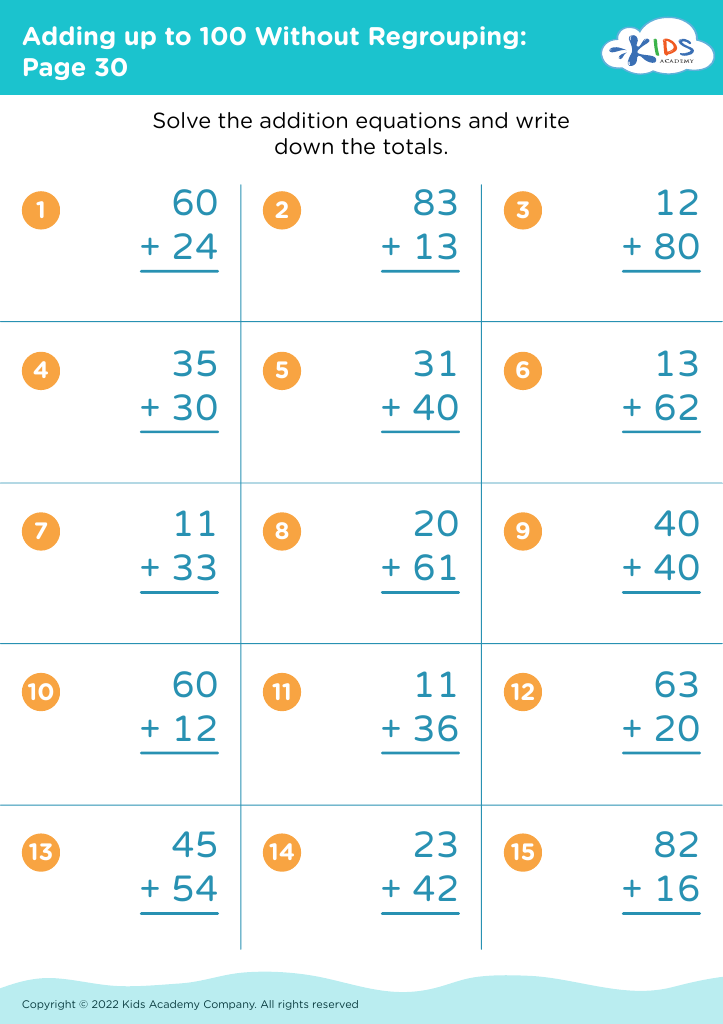
    Adding up to 100 Without Regrouping: Page 30
    Adding up to 100 Without Regrouping: Page 30
    Adding up to 100 Without Regrouping: Page 30
    Worksheet
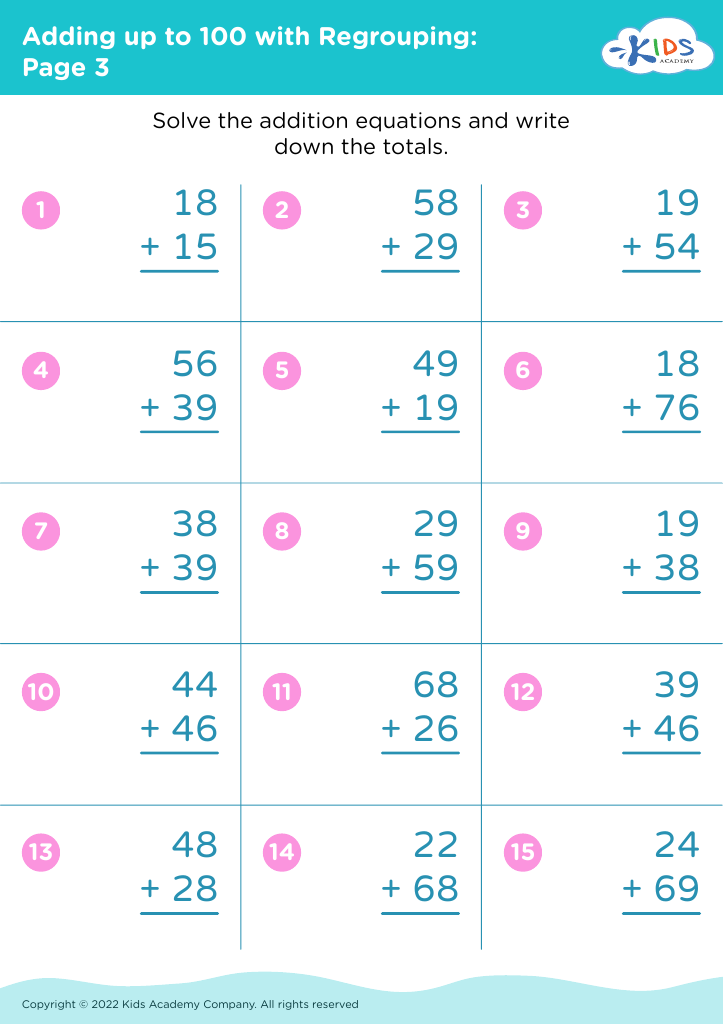
    Adding up to 100 with Regrouping: Page 3
    Adding up to 100 with Regrouping: Page 3
    Adding up to 100 with Regrouping: Page 3
    Worksheet
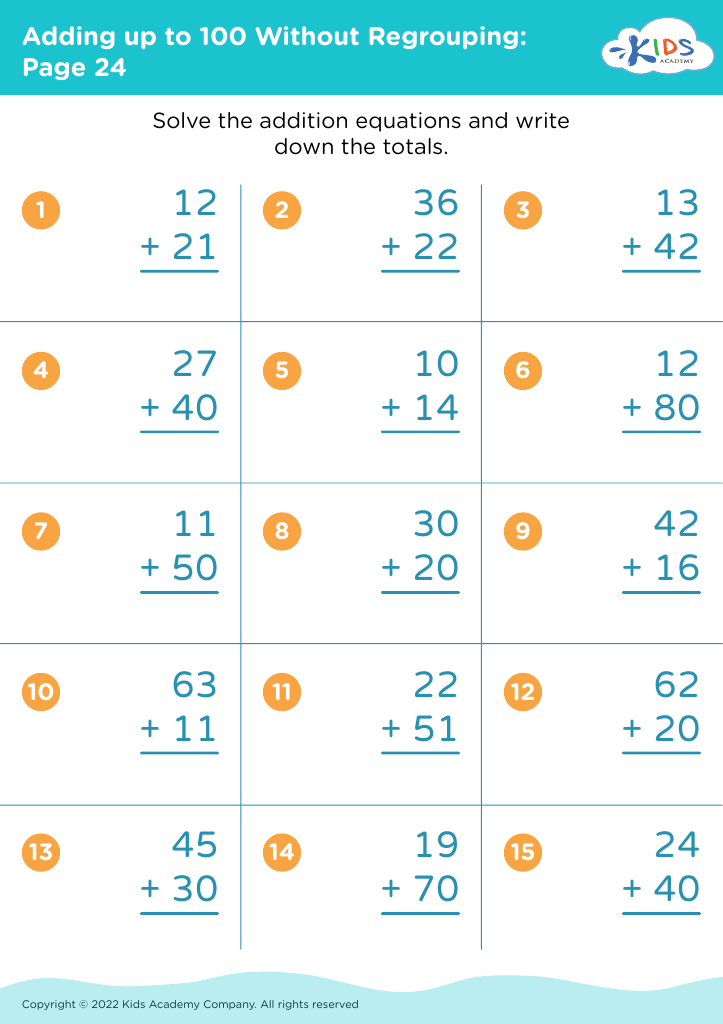
    Adding up to 100 Without Regrouping: Page 24
    Adding up to 100 Without Regrouping: Page 24
    Adding up to 100 Without Regrouping: Page 24
    Worksheet
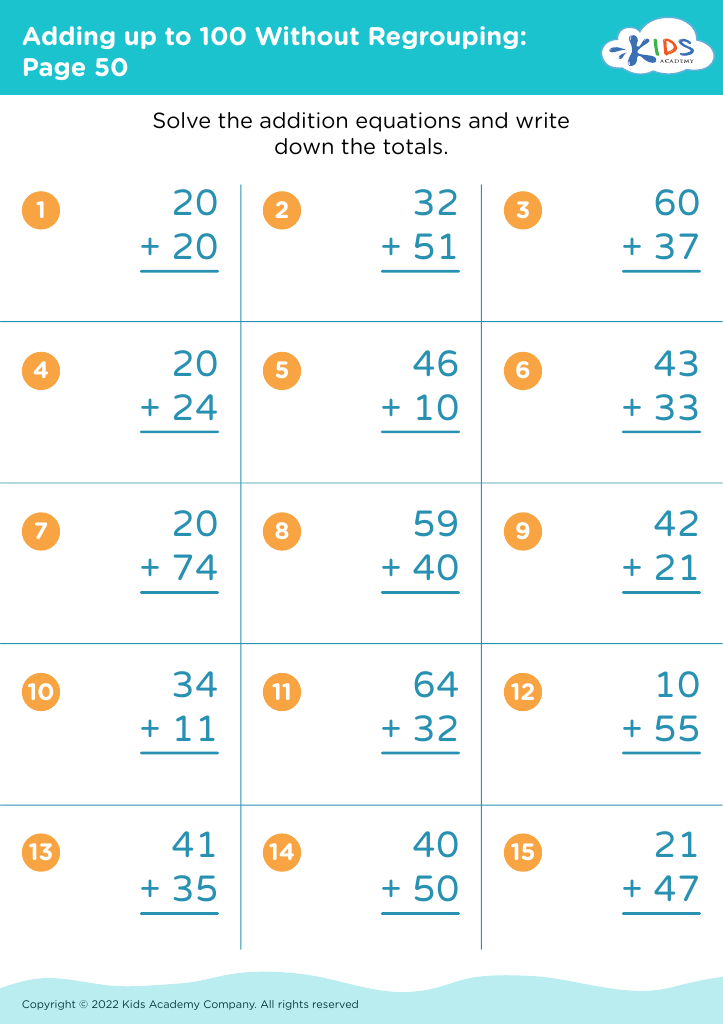
    Adding up to 100 Without Regrouping: Page 50
    Adding up to 100 Without Regrouping: Page 50
    Adding up to 100 Without Regrouping: Page 50
    Worksheet
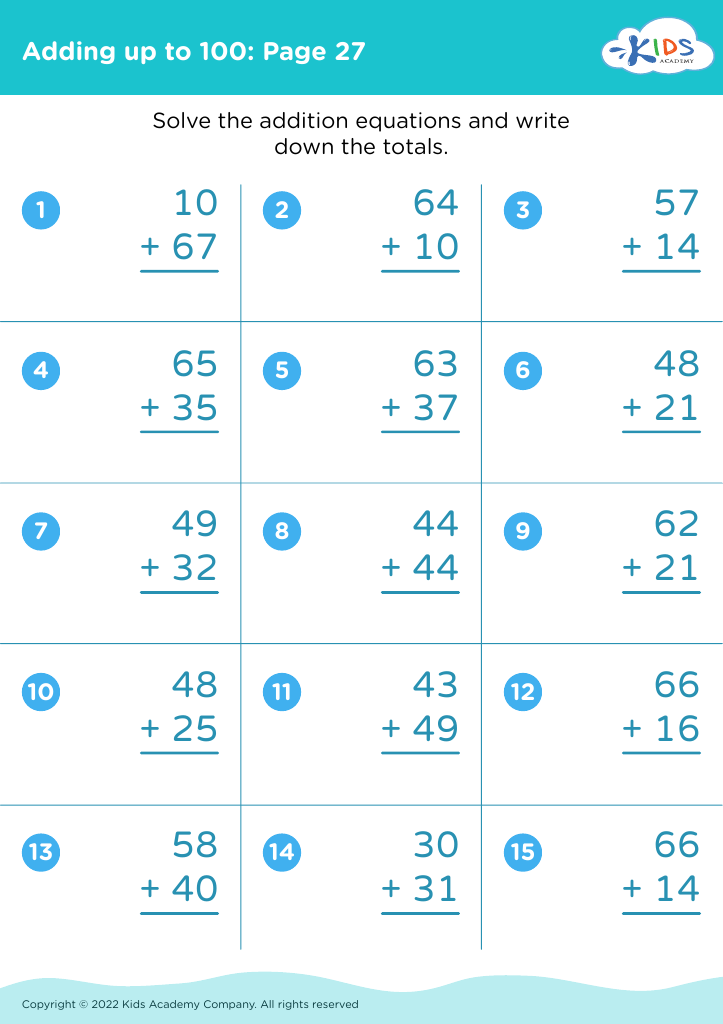
    Adding up to 100: Page 27
    Adding up to 100: Page 27

    Adding up to 100: Page 27

    Adding up to 100: Page 27
    Worksheet
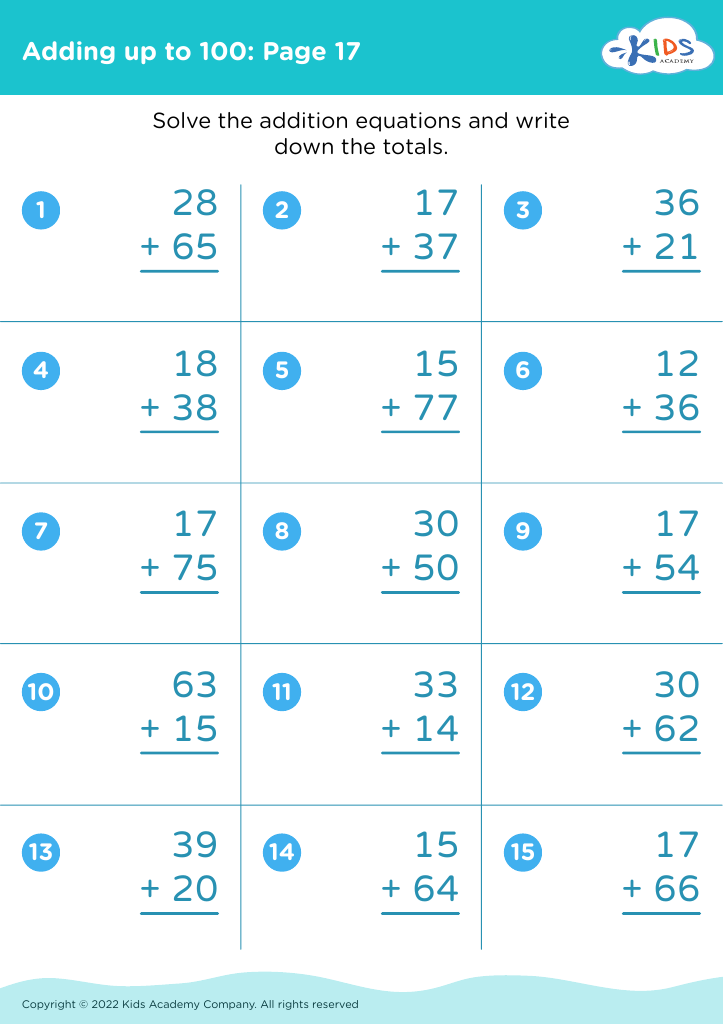
    Adding up to 100: Page 17
    Adding up to 100: Page 17

    Adding up to 100: Page 17

    Adding up to 100: Page 17
    Worksheet
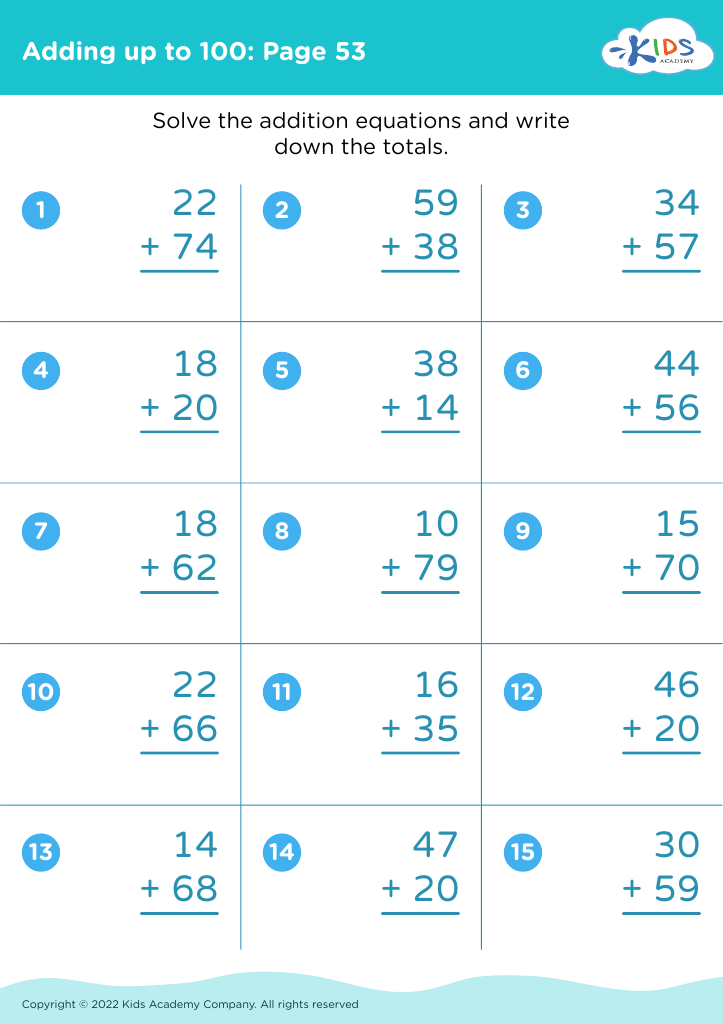
    Adding up to 100: Page 53
    Adding up to 100: Page 53

    Adding up to 100: Page 53

    Adding up to 100: Page 53
    Worksheet
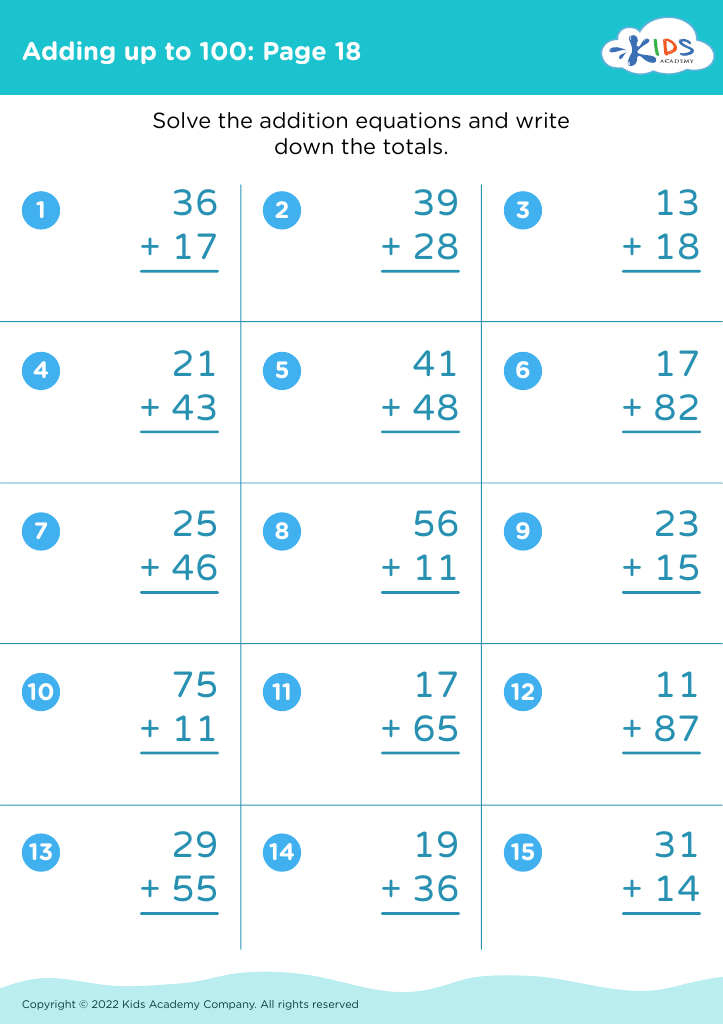
    Adding up to 100: Page 18
    Adding up to 100: Page 18

    Adding up to 100: Page 18

    Adding up to 100: Page 18
    Worksheet
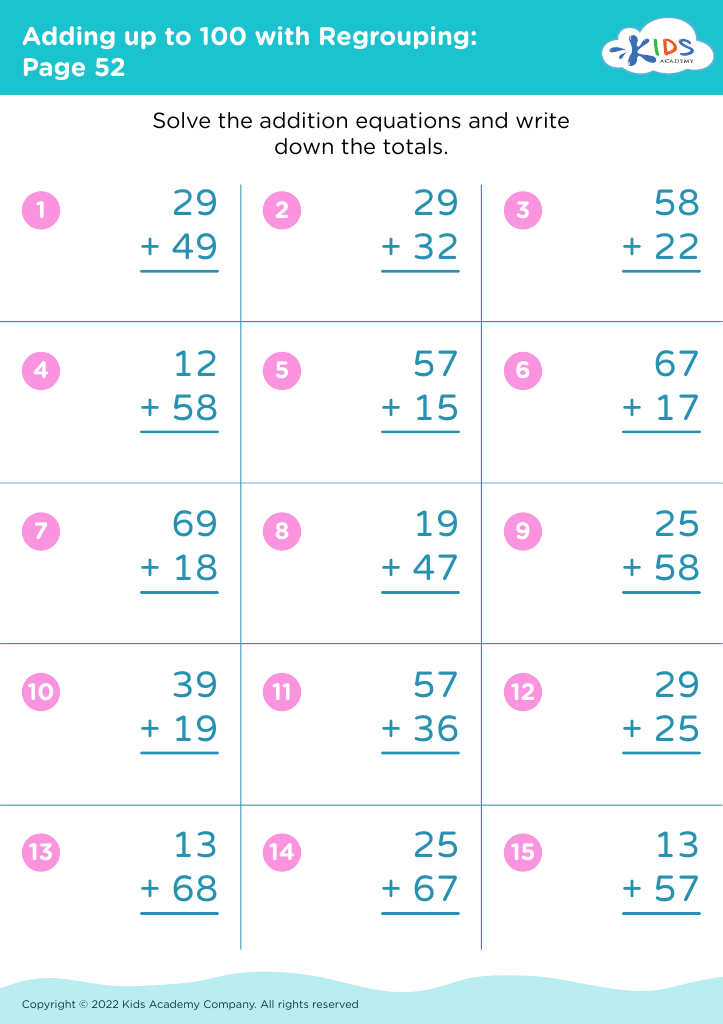
    Adding up to 100 with Regrouping: Page 52
    Adding up to 100 with Regrouping: Page 52
    Adding up to 100 with Regrouping: Page 52
    Worksheet
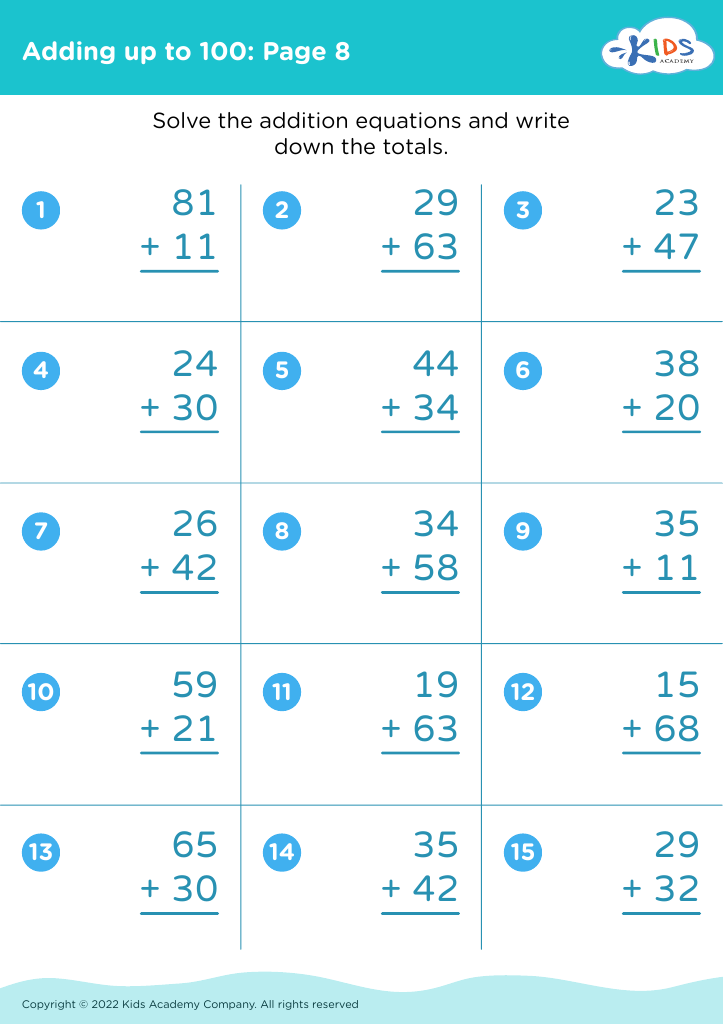
    Adding up to 100: Page 8
    Adding up to 100: Page 8

    Adding up to 100: Page 8

    Adding up to 100: Page 8
    Worksheet
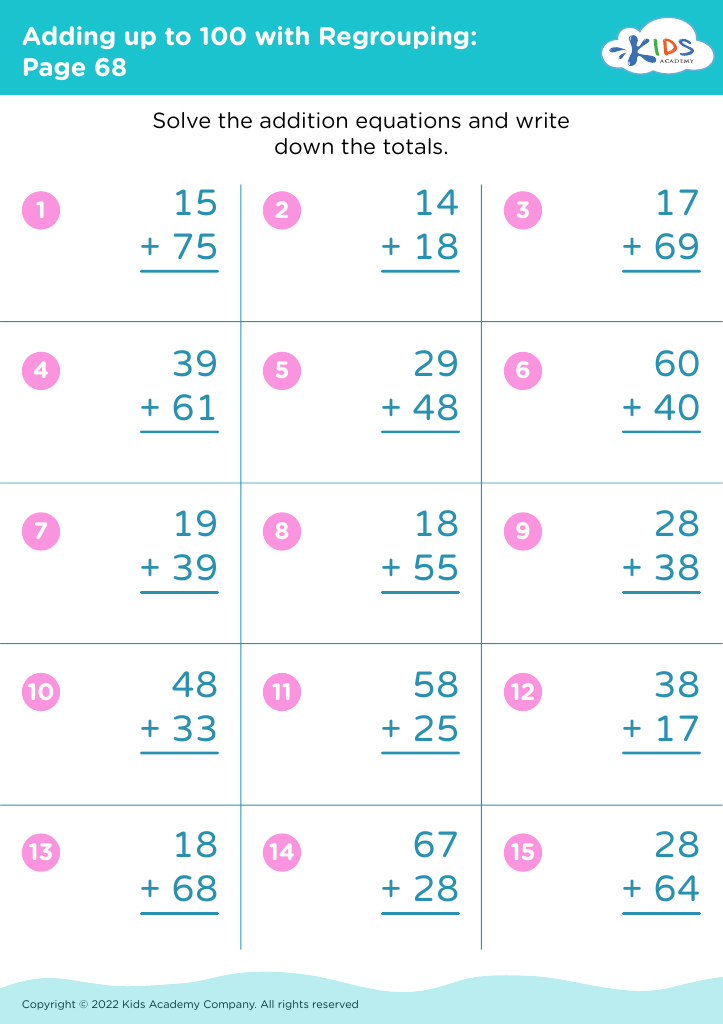
    Adding up to 100 with Regrouping: Page 68
    Adding up to 100 with Regrouping: Page 68
    Adding up to 100 with Regrouping: Page 68
    Worksheet
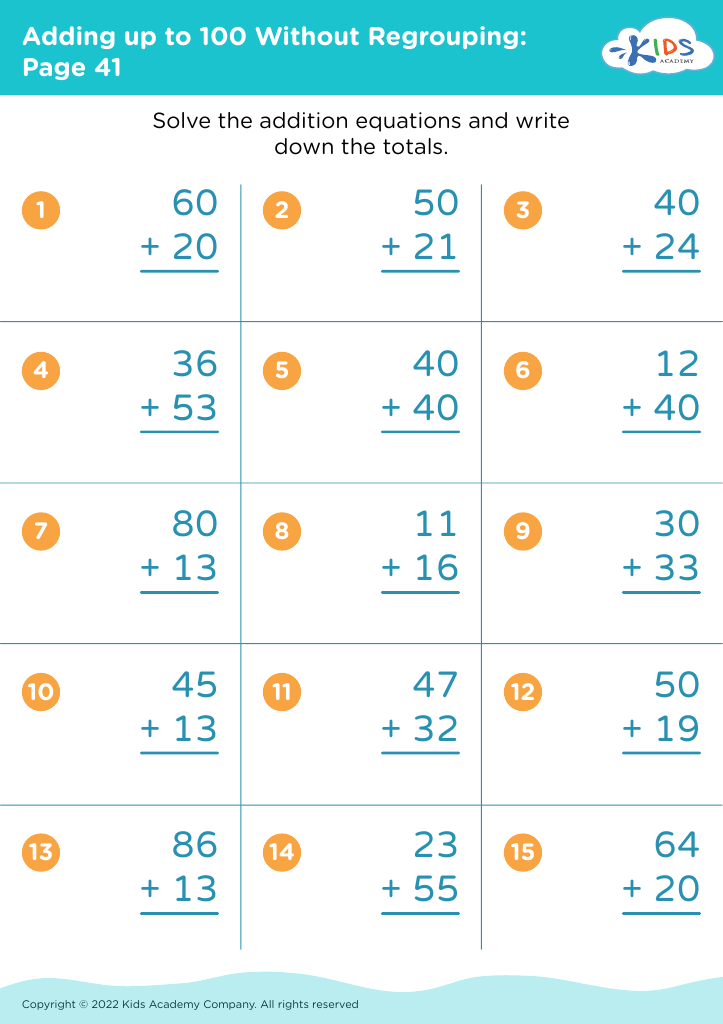
    Adding up to 100 Without Regrouping: Page 41
    Adding up to 100 Without Regrouping: Page 41
    Adding up to 100 Without Regrouping: Page 41
    Worksheet
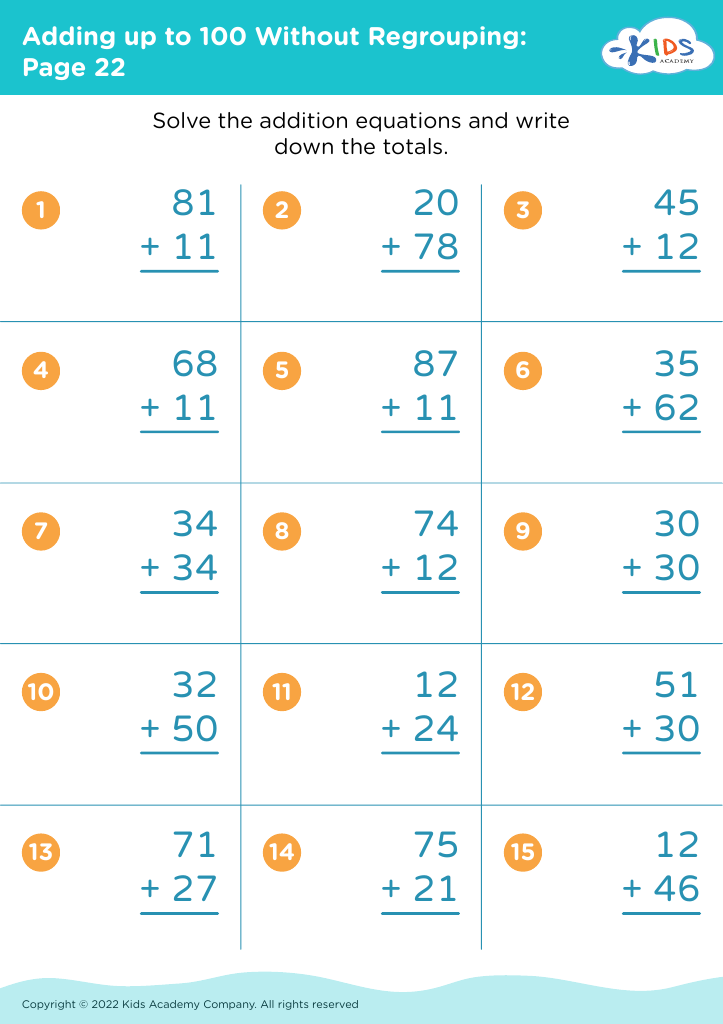
    Adding up to 100 Without Regrouping: Page 22
    Adding up to 100 Without Regrouping: Page 22
    Adding up to 100 Without Regrouping: Page 22
    Worksheet


    Understanding basic math concepts like adding up to 100 is crucial for children aged 6-7 because it forms the foundation for more complex mathematical skills they will encounter later. At this age, children are developing cognitive abilities that allow them to grasp numerical relationships and patterns.

    Firstly, mastering addition up to 100 enhances a child's number sense, which is the ability to recognize, relate, and manipulate numbers flexibly. This understanding helps children confidently tackle real-world problems involving quantities, measurements, and expenses.

    Secondly, proficiency in this area boosts children's confidence and interest in math. When children feel competent, they are more likely to approach future math challenges with a positive attitude, reducing anxiety and fostering a love for learning.

    Additionally, adding up to 100 teaches children essential problem-solving and analytical skills. As they practice, they learn various strategies to break problems into manageable parts, promoting logical thinking.

    Furthermore, foundational math skills are linked to academic success in other subjects. Studies have shown that early math proficiency correlates with better performance in reading and overall academic achievement.

    Thus, by supporting children's ability to add up to 100, parents and teachers equip them with vital tools for their educational journey and everyday life, laying a groundwork for lifelong numeracy and critical thinking skills.