Check out this FREE Trial Lesson on Addition & Subtraction for age 6-7!

Sorting Objects into 3 Categories

Favorites
With answer key
Interactive
  • 6-7
  • Comparing Fractions
  • Addition & Subtraction
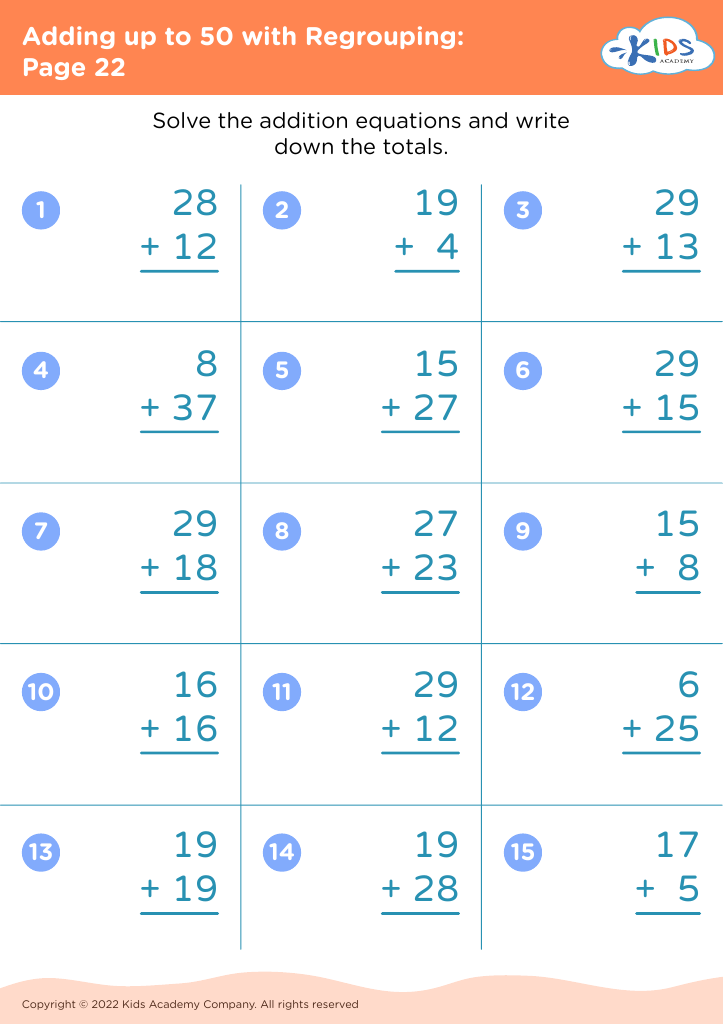
Adding up to 50 with Regrouping: Page 22
Worksheet
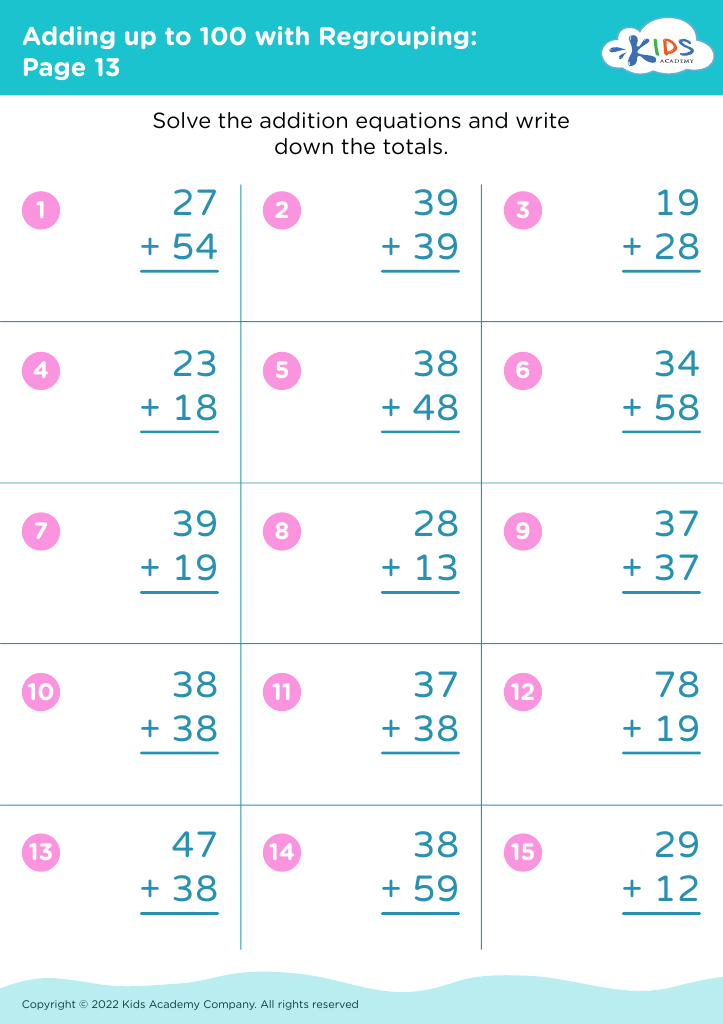
Adding up to 100 with Regrouping: Page 13
Worksheet
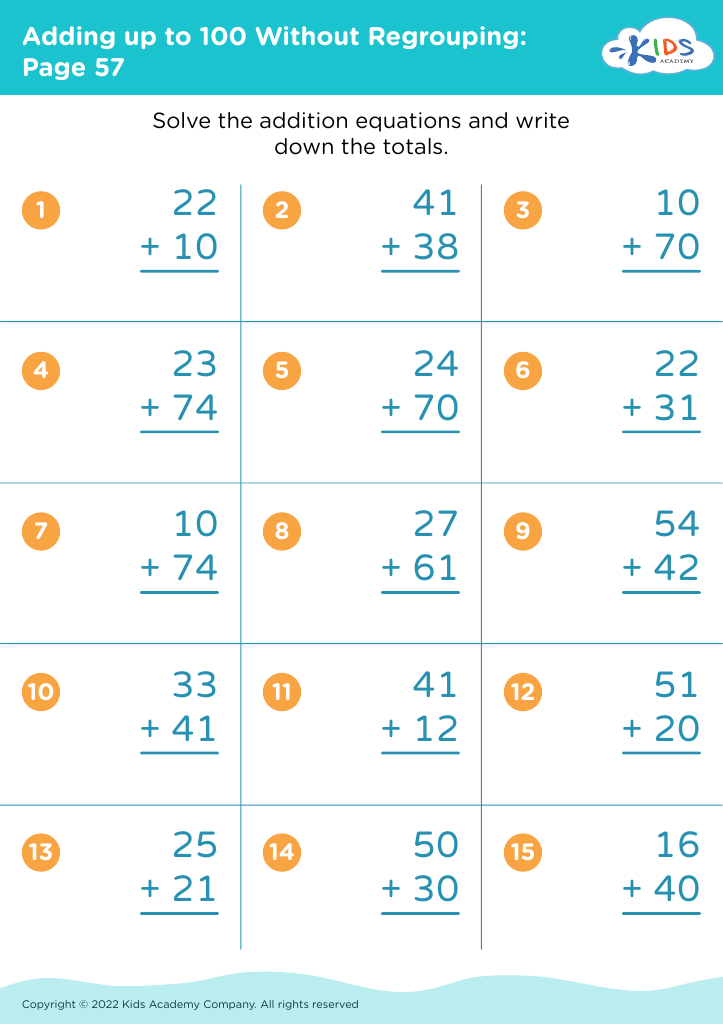
Adding up to 100 Without Regrouping: Page 57
Worksheet
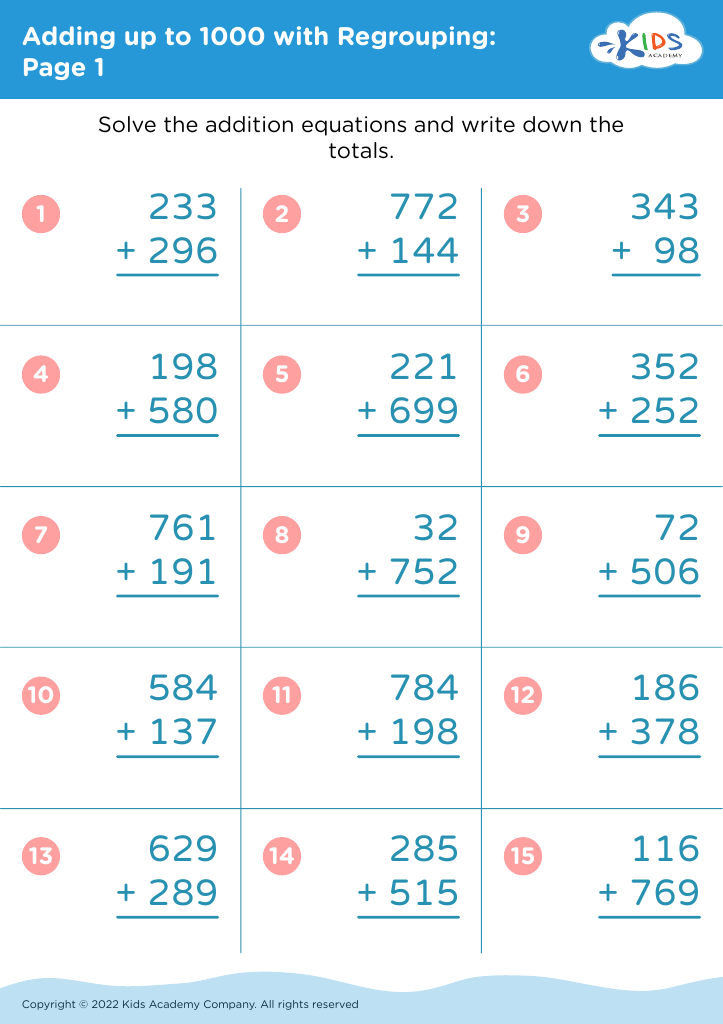
Adding up to 1000 with Regrouping: Page 1
Worksheet
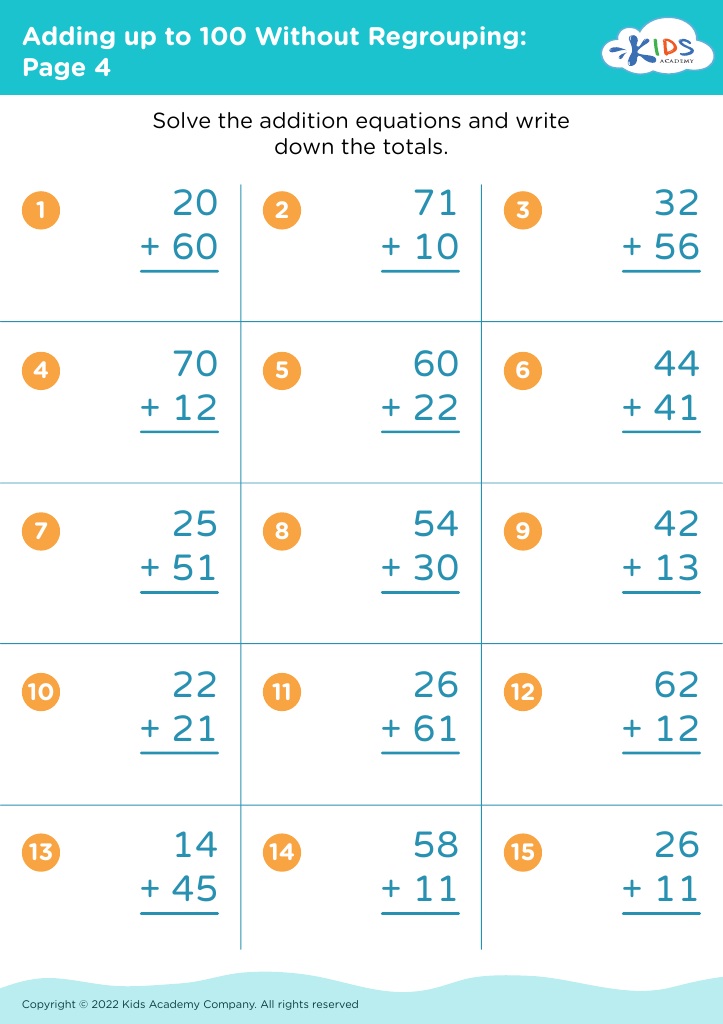
Adding up to 100 Without Regrouping: Page 4
Worksheet
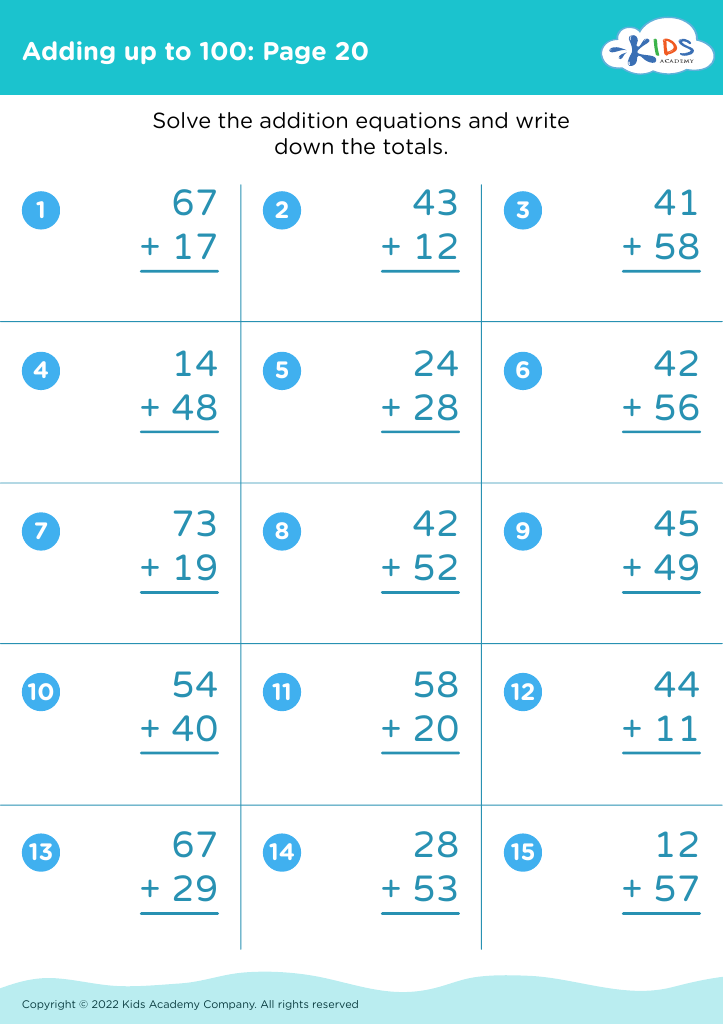
Adding up to 100: Page 20

Adding up to 100: Page 20

Adding up to 100: Page 20
Worksheet
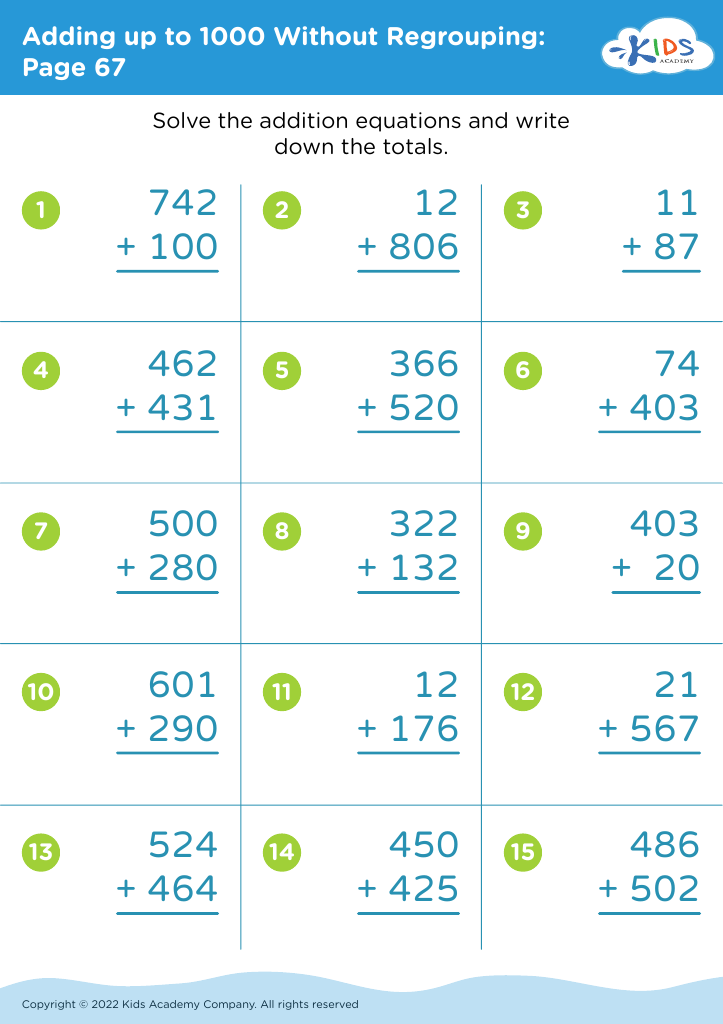
Adding up to 1000 Without Regrouping: Page 67
Worksheet
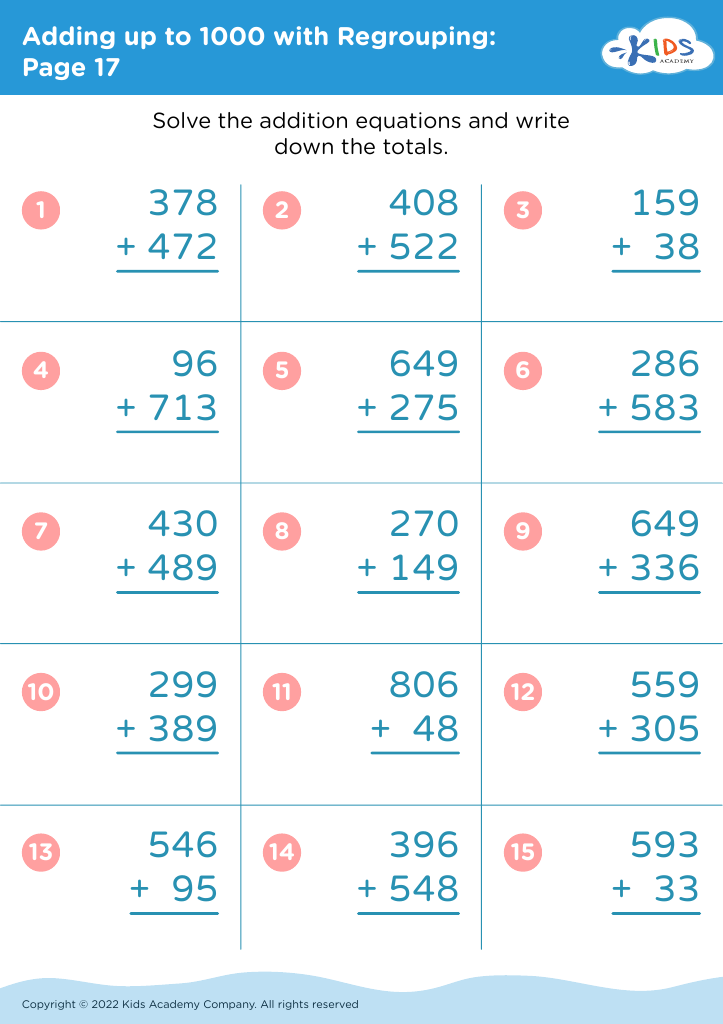
Adding up to 1000 with Regrouping: Page 17
Worksheet
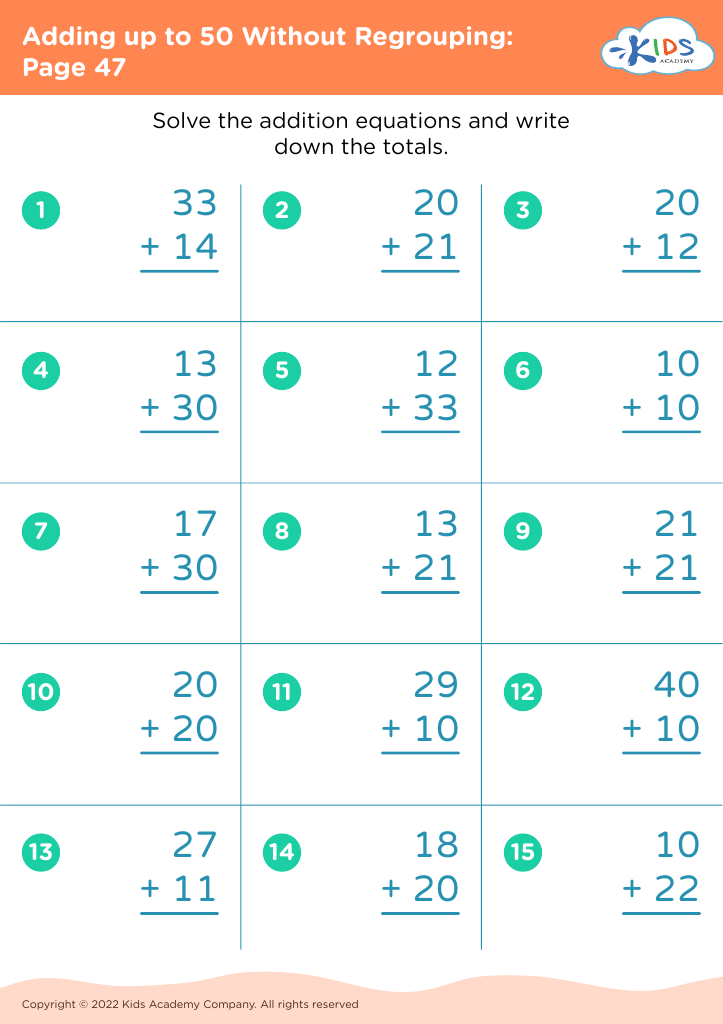
Adding up to 50 Without Regrouping: Page 47
Worksheet
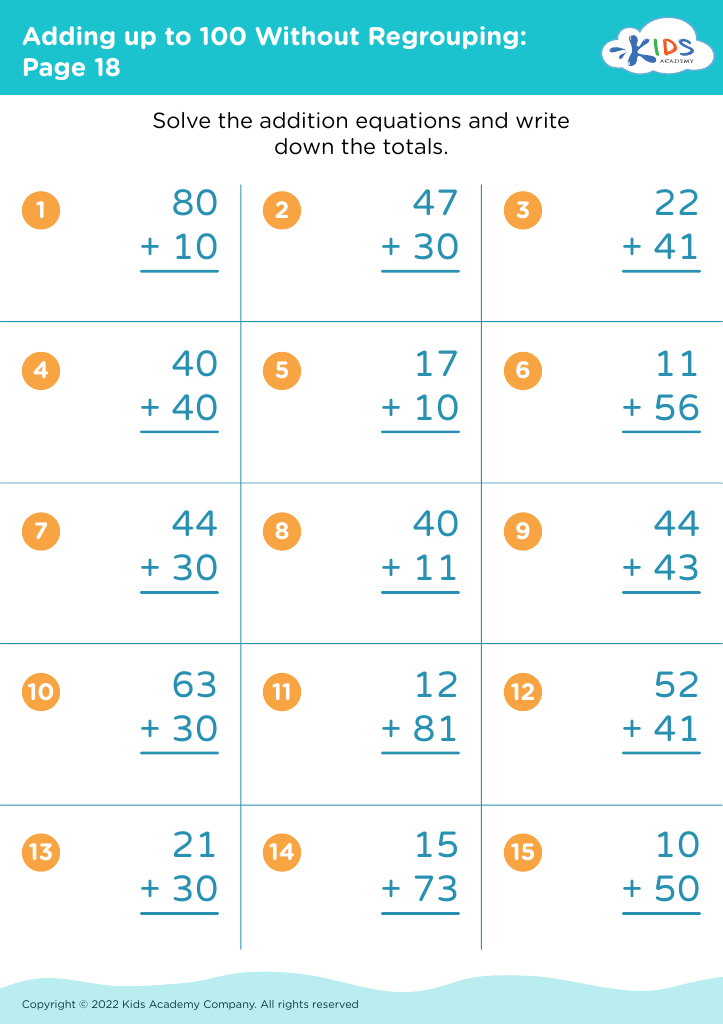
Adding up to 100 Without Regrouping: Page 18
Worksheet
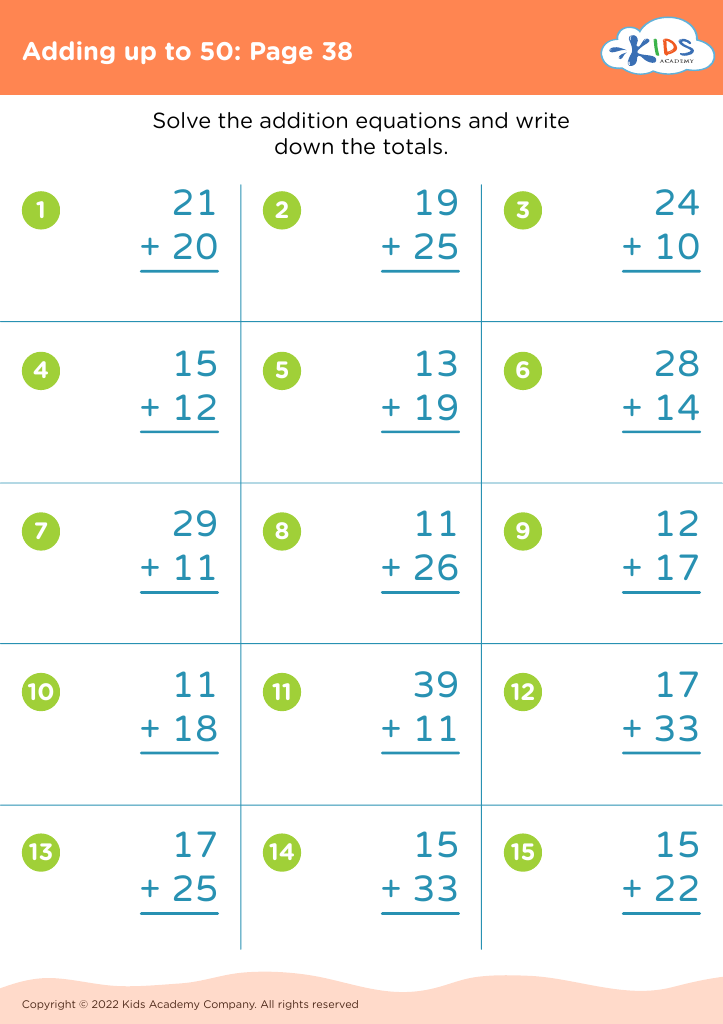
Adding up to 50: Page 38

Adding up to 50: Page 38

Adding up to 50: Page 38
Worksheet
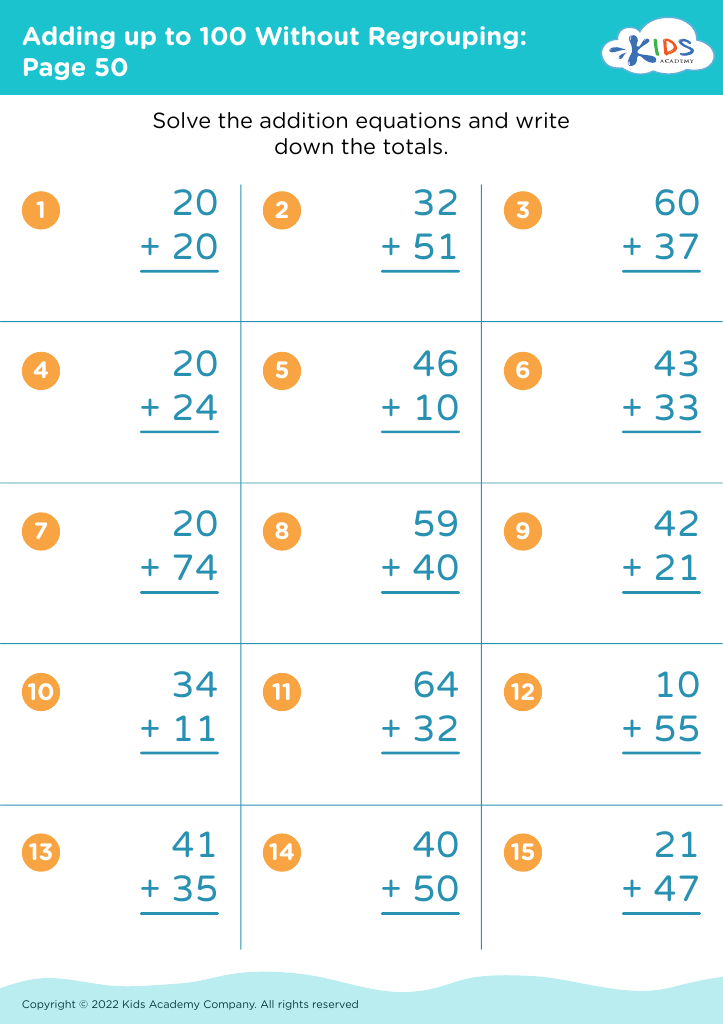
Adding up to 100 Without Regrouping: Page 50
Worksheet
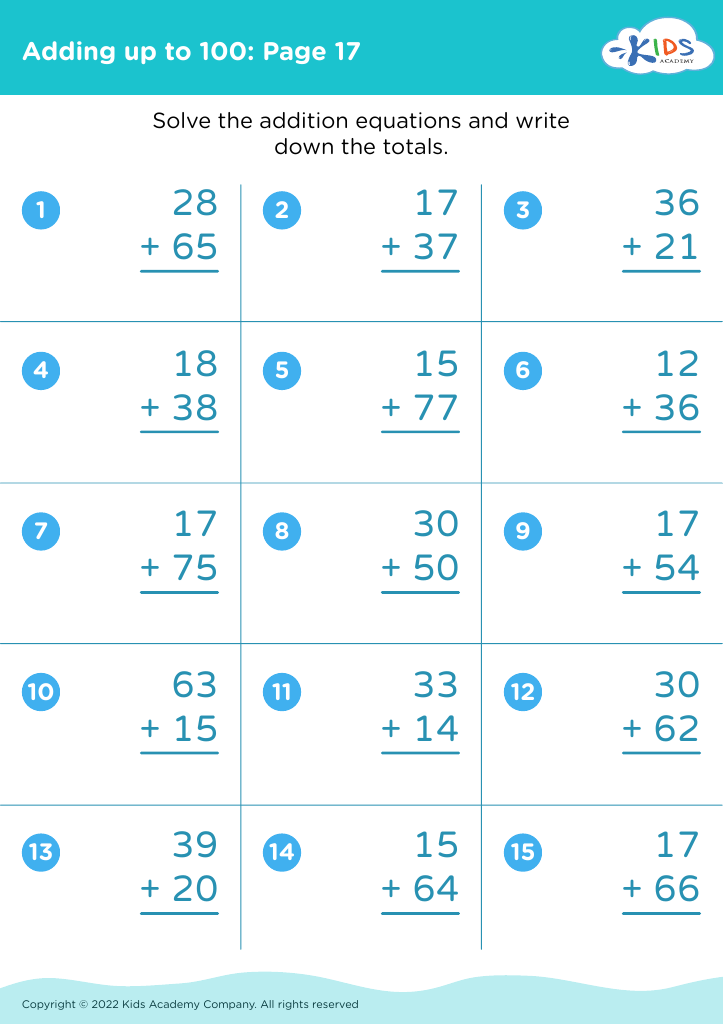
Adding up to 100: Page 17

Adding up to 100: Page 17

Adding up to 100: Page 17
Worksheet
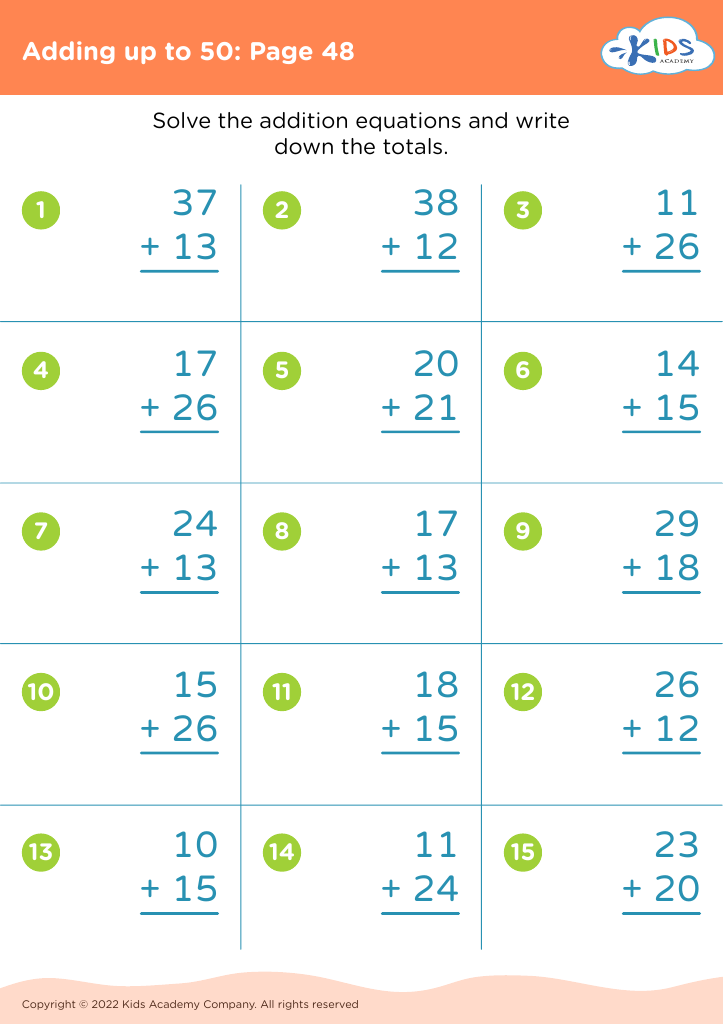
Adding up to 50: Page 48

Adding up to 50: Page 48

Adding up to 50: Page 48
Worksheet
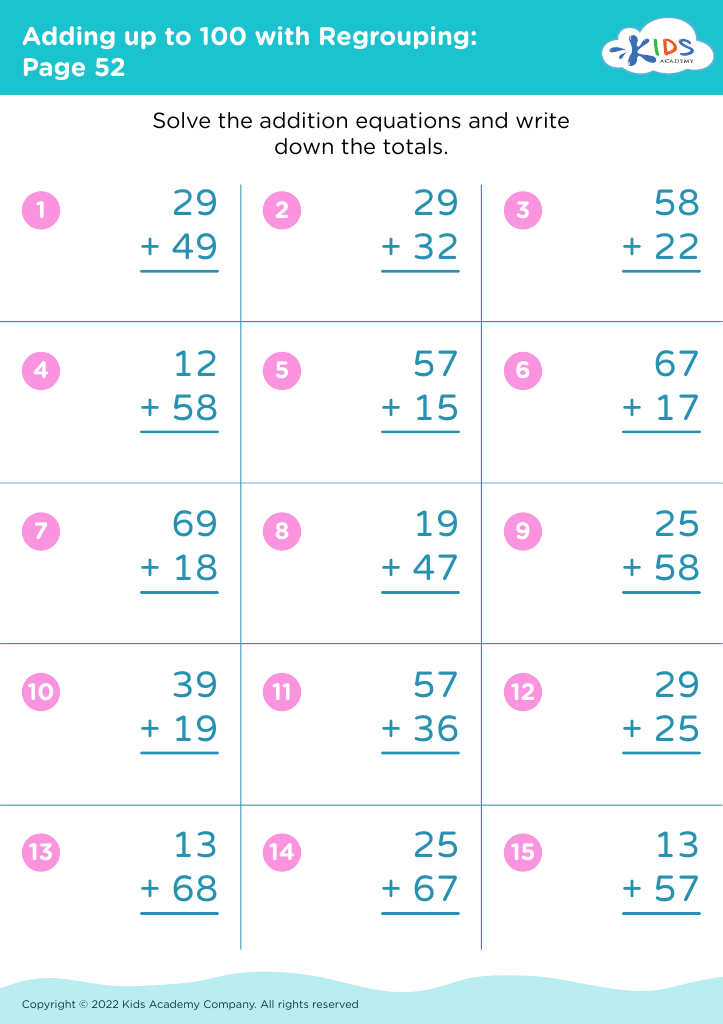
Adding up to 100 with Regrouping: Page 52
Worksheet
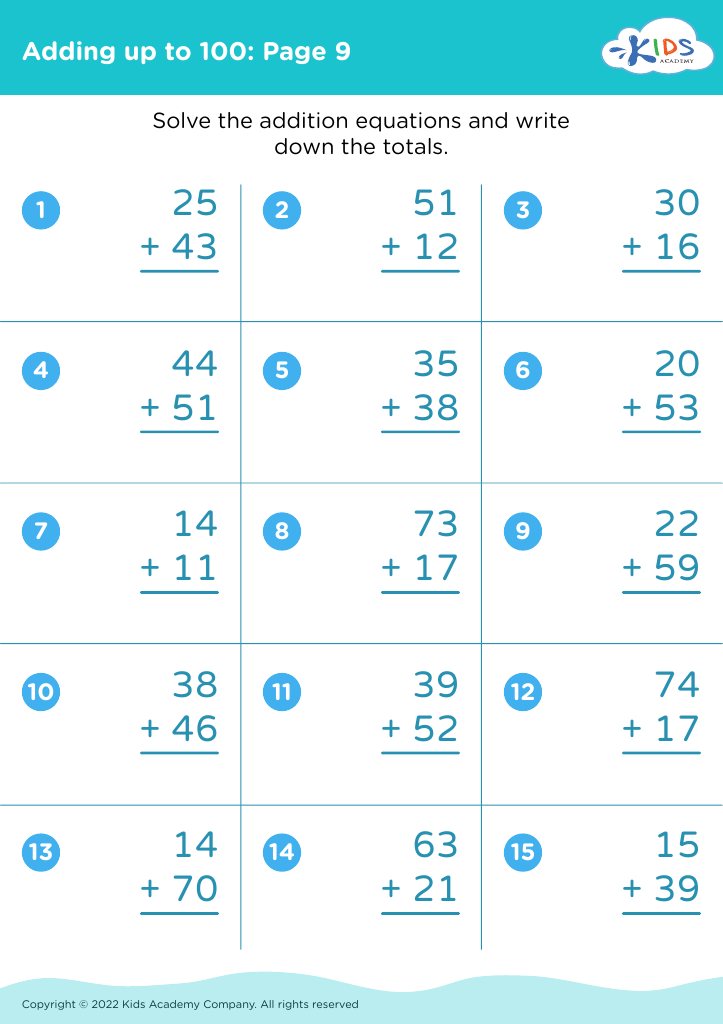
Adding up to 100: Page 9

Adding up to 100: Page 9

Adding up to 100: Page 9
Worksheet
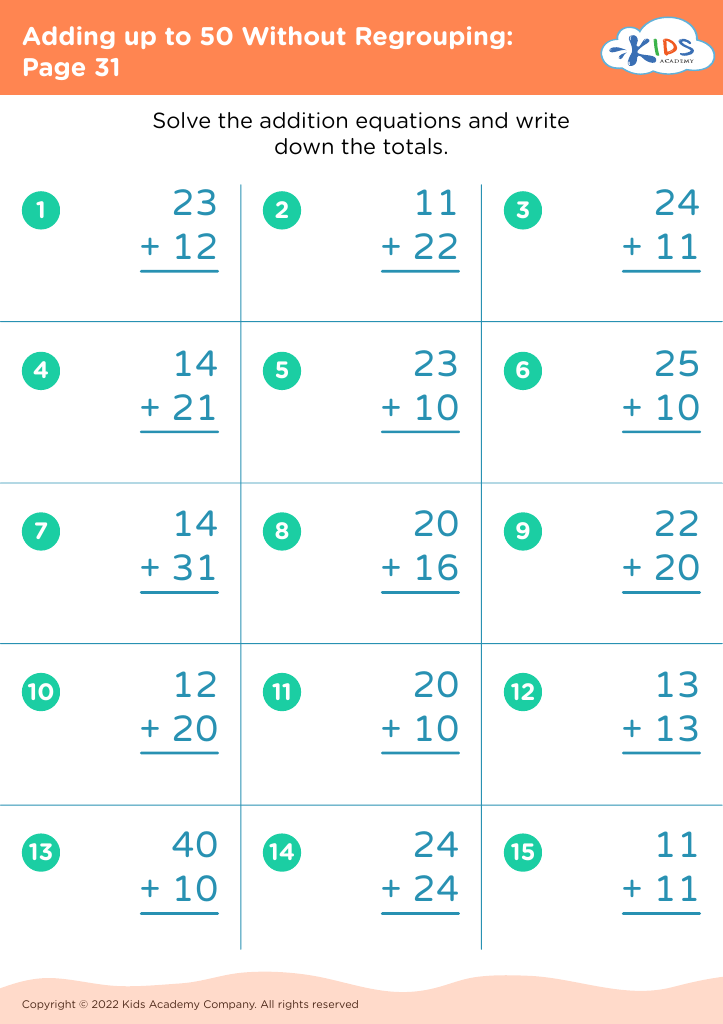
Adding up to 50 Without Regrouping: Page 31
Worksheet
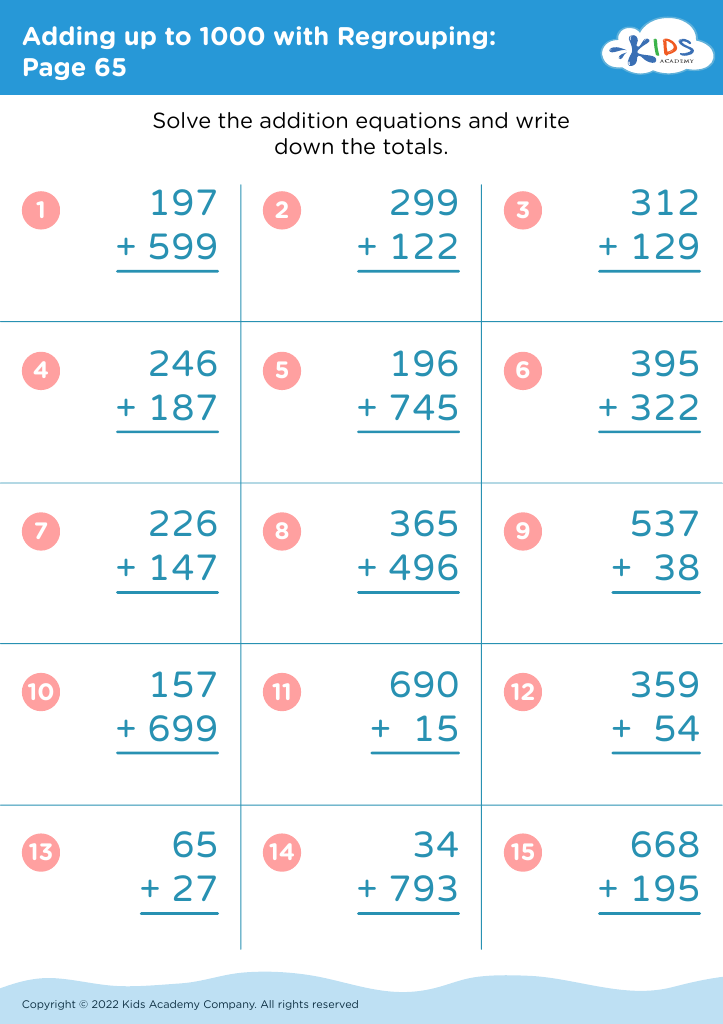
Adding up to 1000 with Regrouping: Page 65
Worksheet
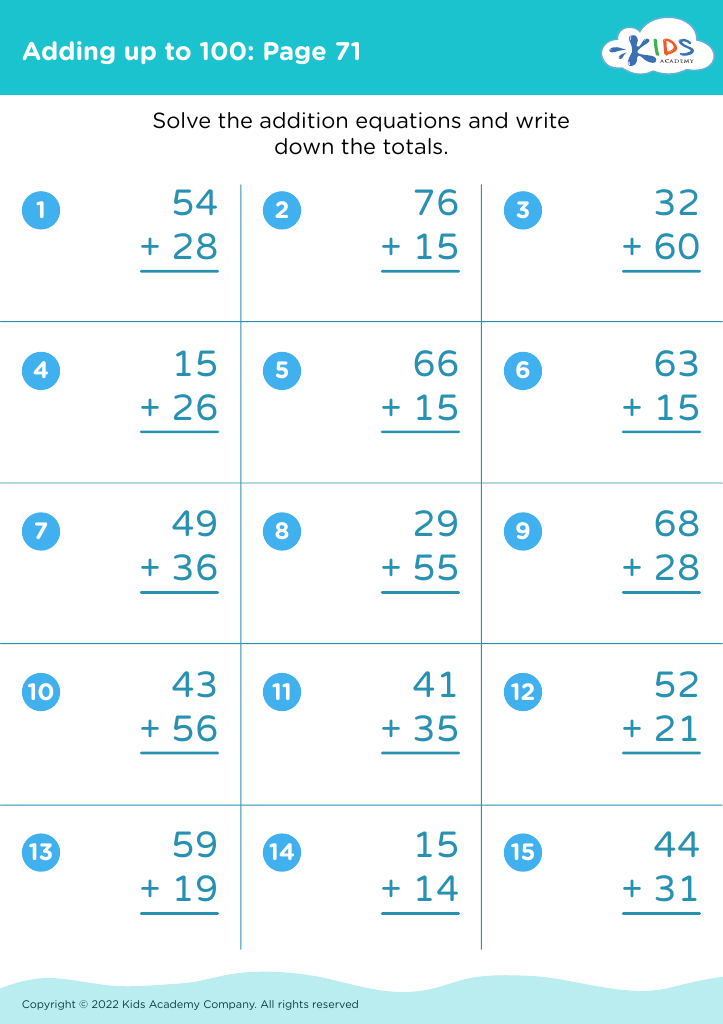
Adding up to 100: Page 71

Adding up to 100: Page 71

Adding up to 100: Page 71
Worksheet
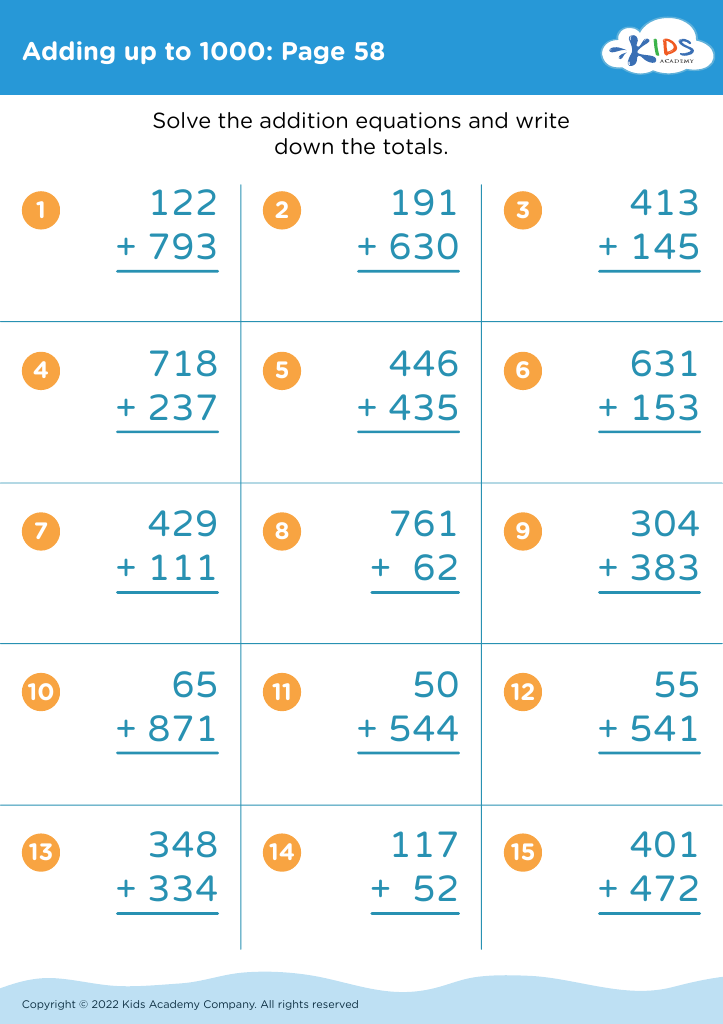
Adding up to 1000: Page 58

Adding up to 1000: Page 58

Adding up to 1000: Page 58
Worksheet
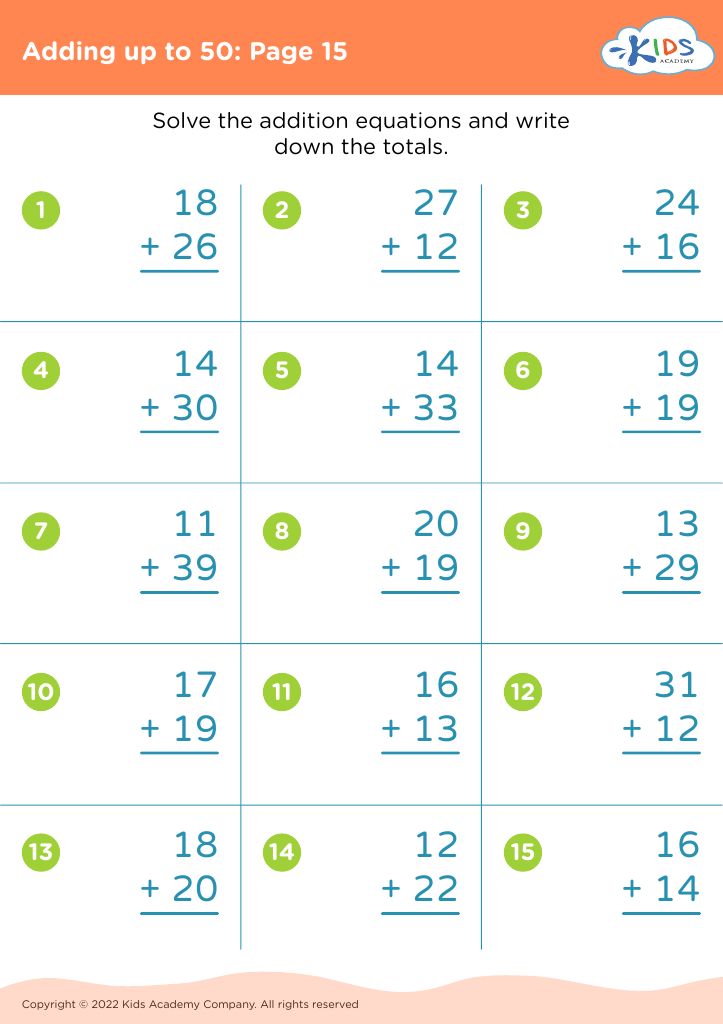
Adding up to 50: Page 15

Adding up to 50: Page 15

Adding up to 50: Page 15
Worksheet
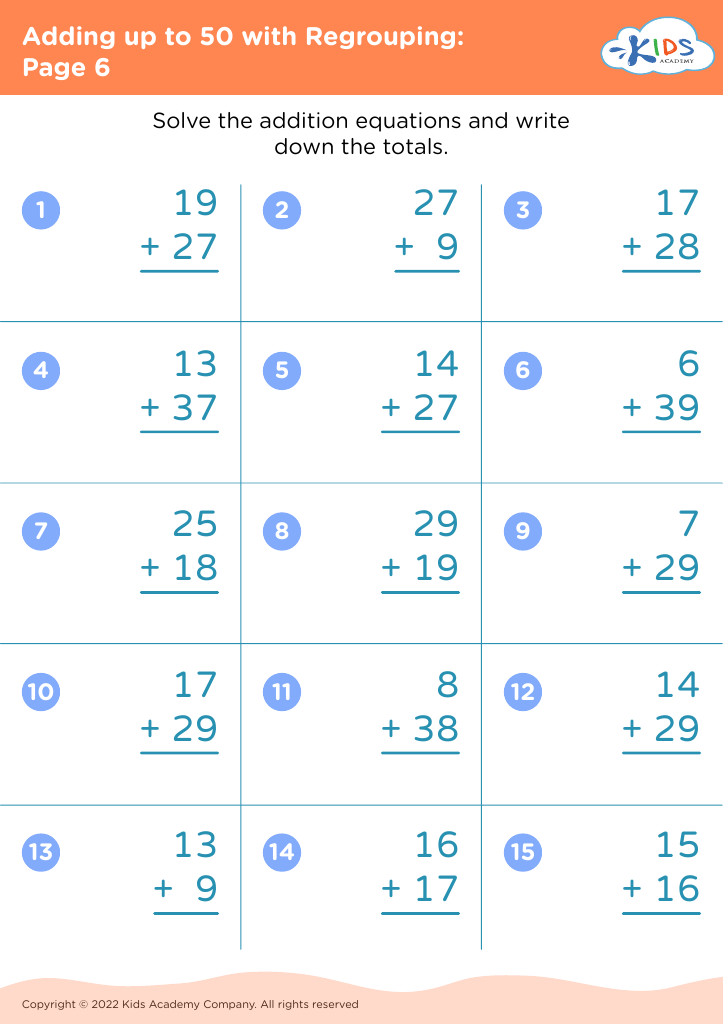
Adding up to 50 with Regrouping: Page 6
Worksheet
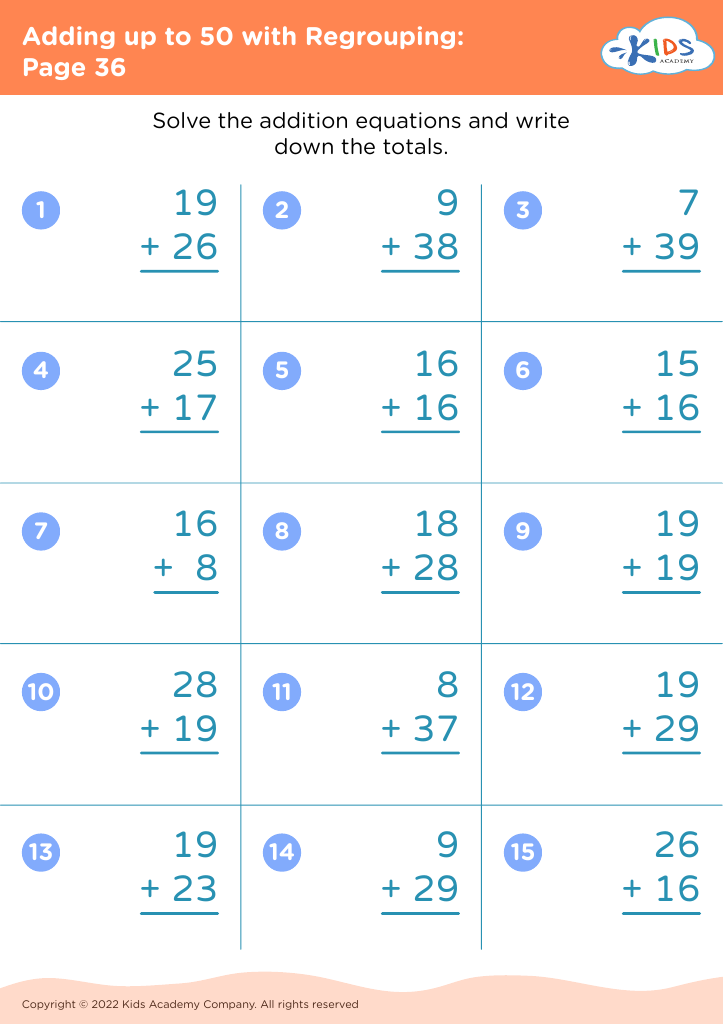
Adding up to 50 with Regrouping: Page 36
Worksheet
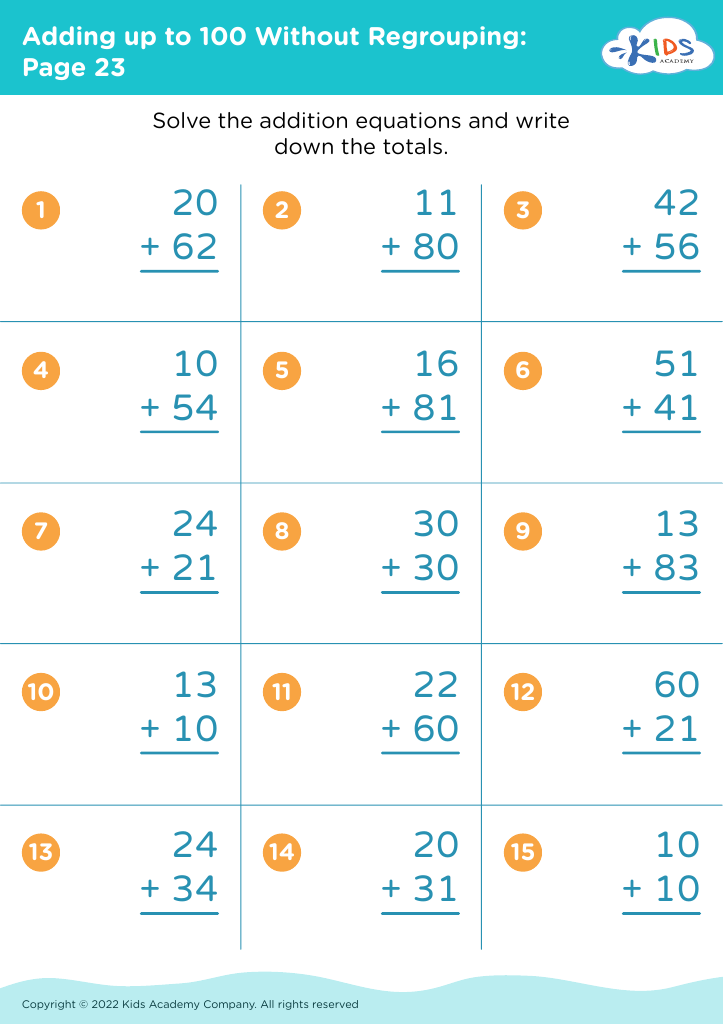
Adding up to 100 Without Regrouping: Page 23
Worksheet


Comparing fractions, particularly through addition and subtraction, is crucial for young learners aged 6-7 as it lays a foundation for future mathematical understanding. At this stage, children begin to engage with more complex concepts, and understanding fractions fosters critical thinking and problem-solving skills. Parents and teachers should care about this because mastering fractions enhances a child's ability to grasp the significance of parts of a whole, which is applicable in various real-life situations, from cooking to sharing.

Additionally, comparing fractions helps students develop number sense, a key ingredient in mathematics that influences their overall confidence and capability. Encountering challenges in fractions can highlight gaps in knowledge, providing opportunities for targeted intervention and support. When parents and teachers focus on comparing fractions during addition and subtraction, they encourage collaboration, logical reasoning, and pattern recognition.

Furthermore, a solid grasp of fractions builds the groundwork for topics such as measurement and ratios in higher grades. By engaging children in fractional comparisons through games and discussions, educators can create an interactive experience that not only reinforces mathematical proficiency but also fosters a love for learning. This foundational skill set becomes a critical tool in helping children navigate through complex mathematical concepts as they progress in their education.