Check out this FREE Trial Lesson on Addition & Subtraction for age 6-7!

Match Exactly the Same

Favorites
With answer key
Interactive
  • 6-7
  • Fraction simplification
  • Addition & Subtraction
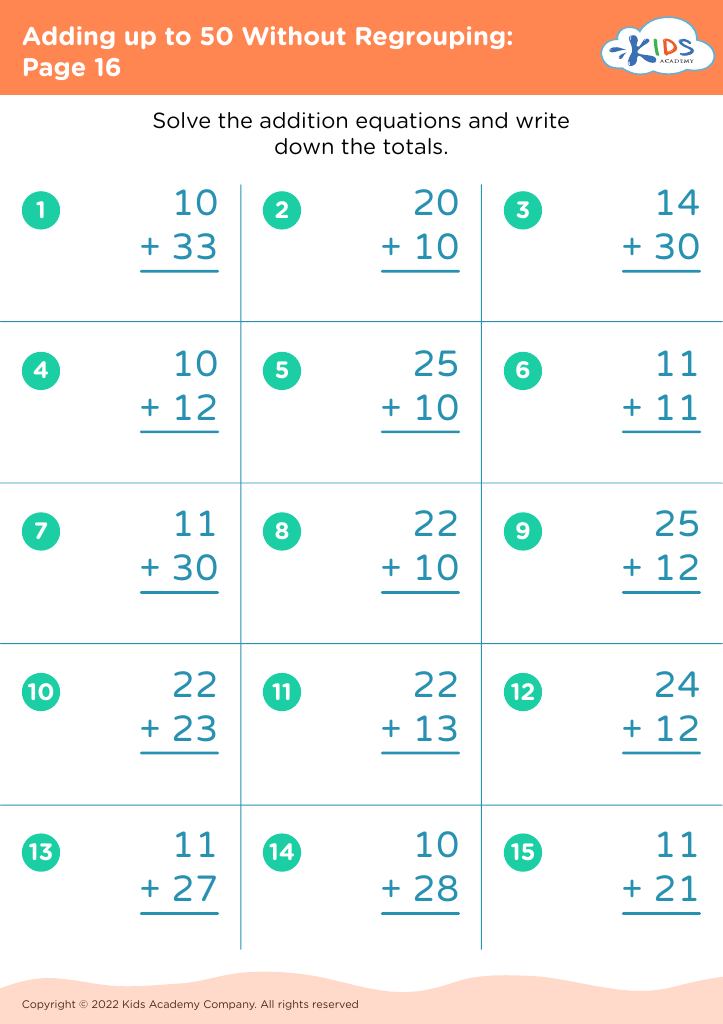
Adding up to 50 Without Regrouping: Page 16
Worksheet
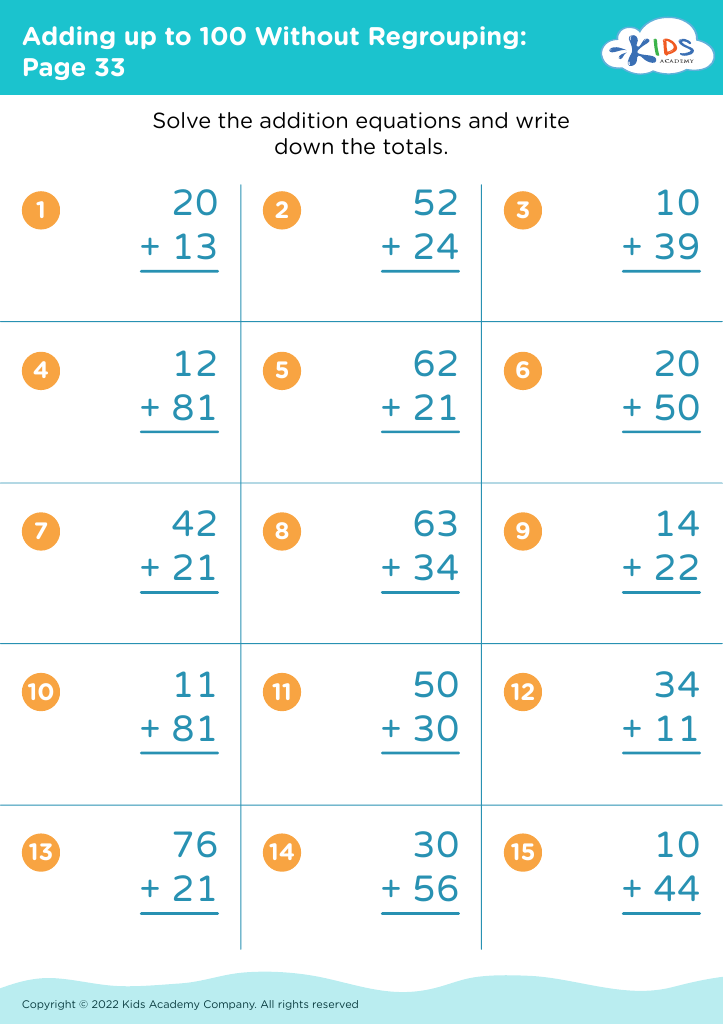
Adding up to 100 Without Regrouping: Page 33
Worksheet
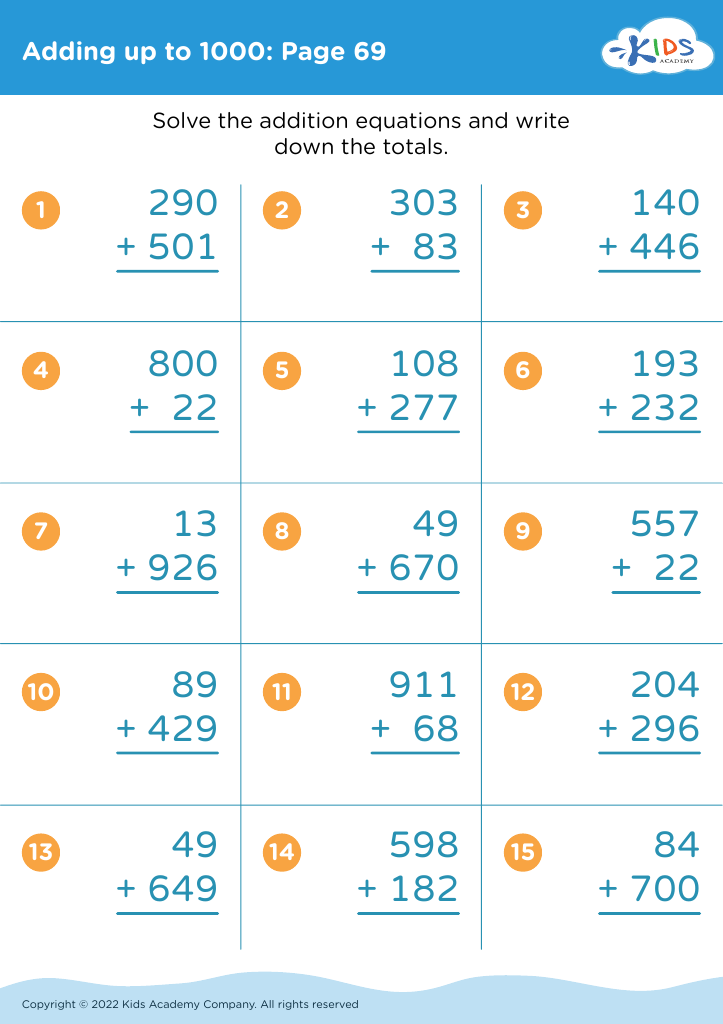
Adding up to 1000: Page 69

Adding up to 1000: Page 69

Adding up to 1000: Page 69
Worksheet
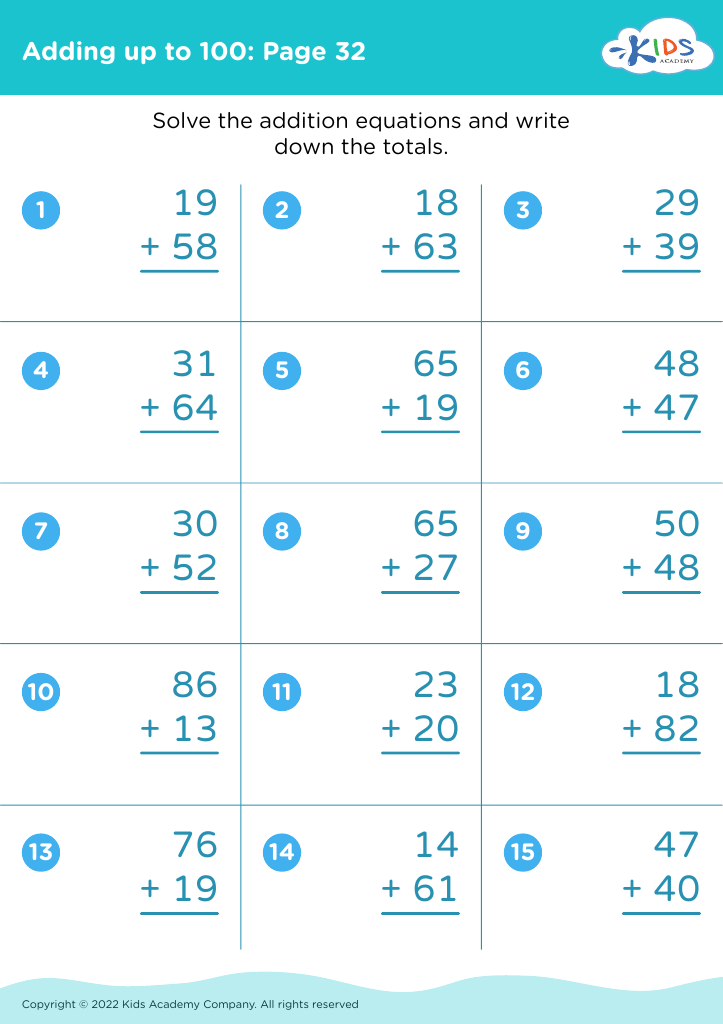
Adding up to 100: Page 32

Adding up to 100: Page 32

Adding up to 100: Page 32
Worksheet
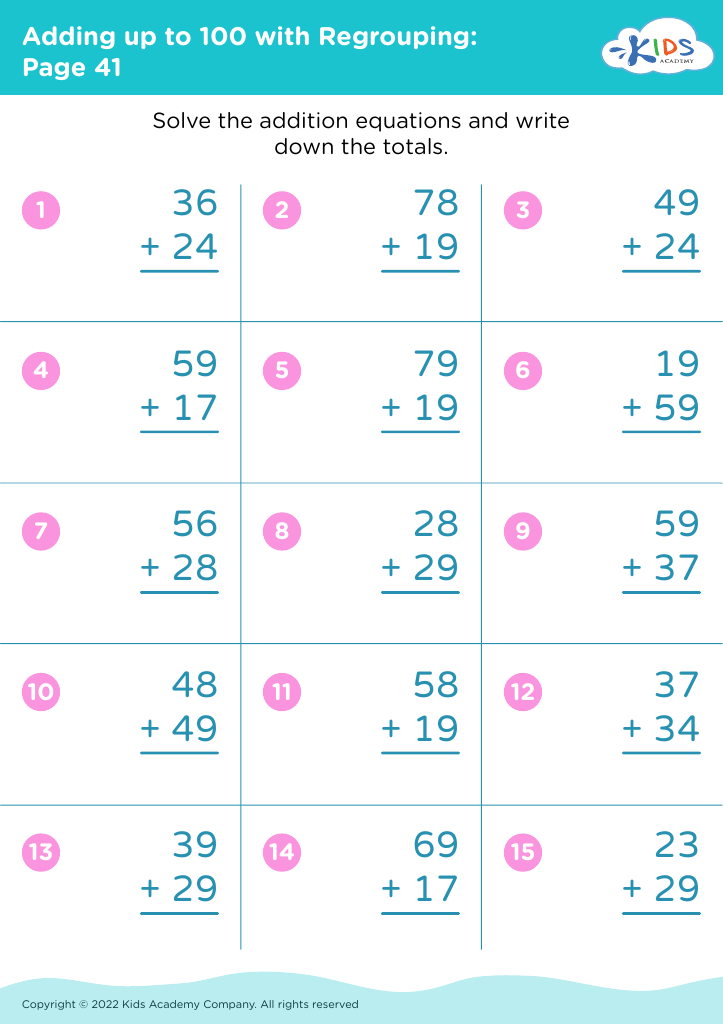
Adding up to 100 with Regrouping: Page 41
Worksheet
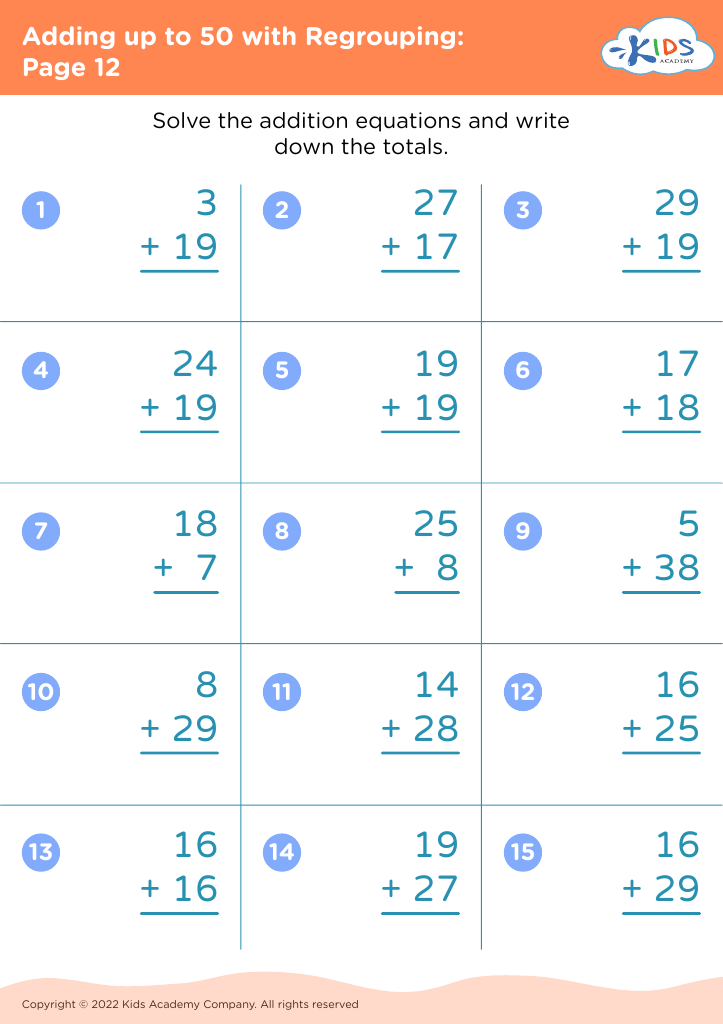
Adding up to 50 with Regrouping: Page 12
Worksheet
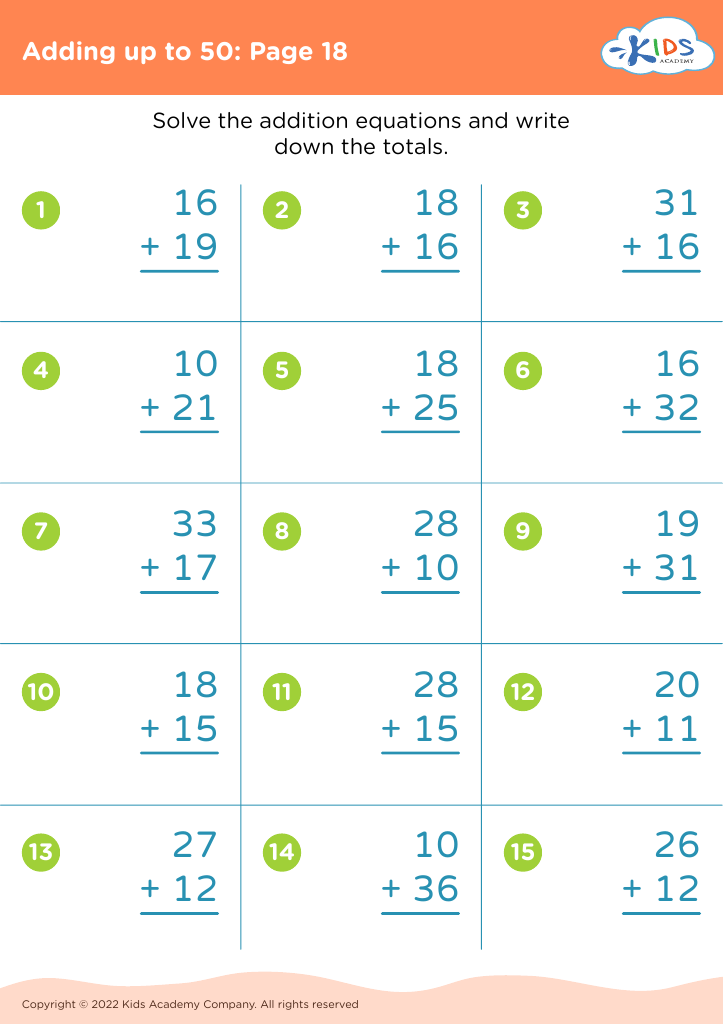
Adding up to 50: Page 18

Adding up to 50: Page 18

Adding up to 50: Page 18
Worksheet
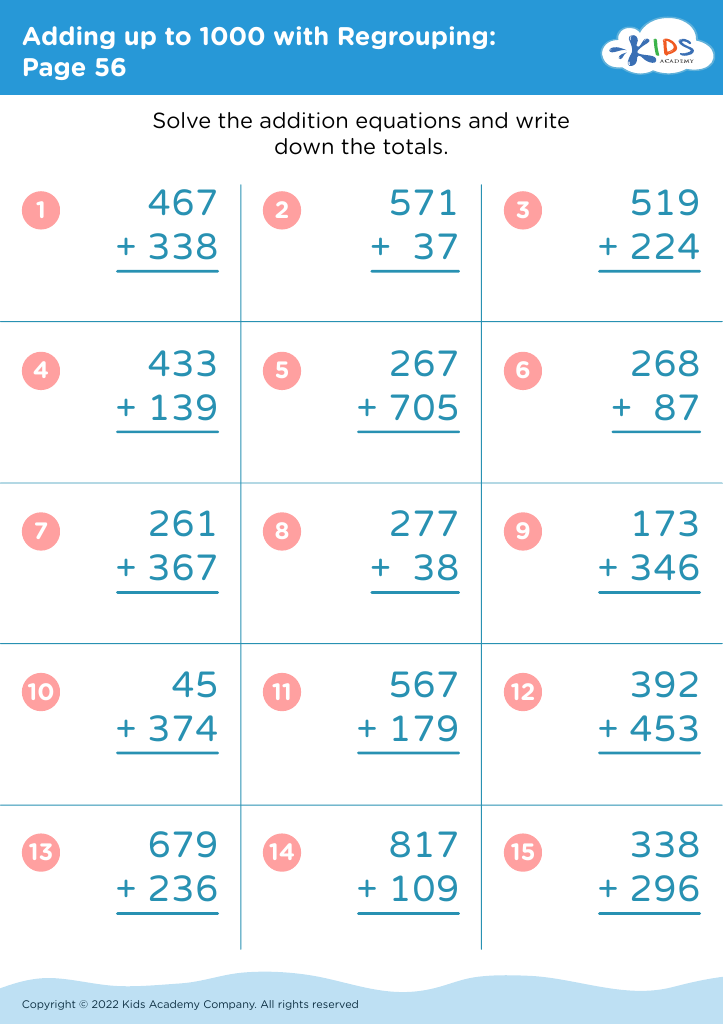
Adding up to 1000 with Regrouping: Page 56
Worksheet
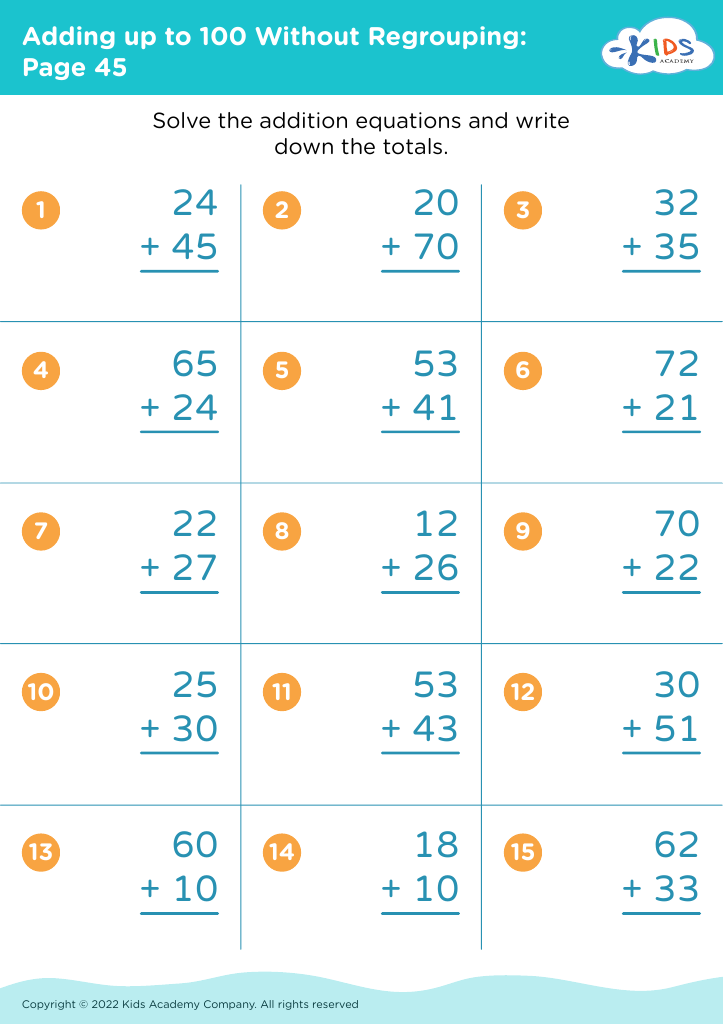
Adding up to 100 Without Regrouping: Page 45
Worksheet
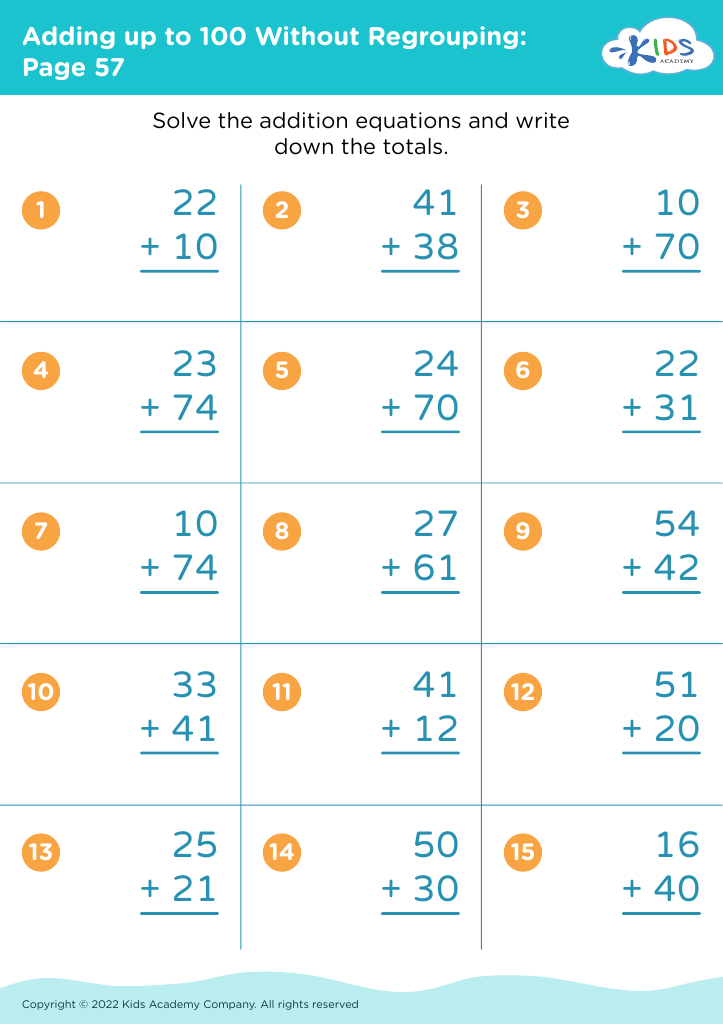
Adding up to 100 Without Regrouping: Page 57
Worksheet
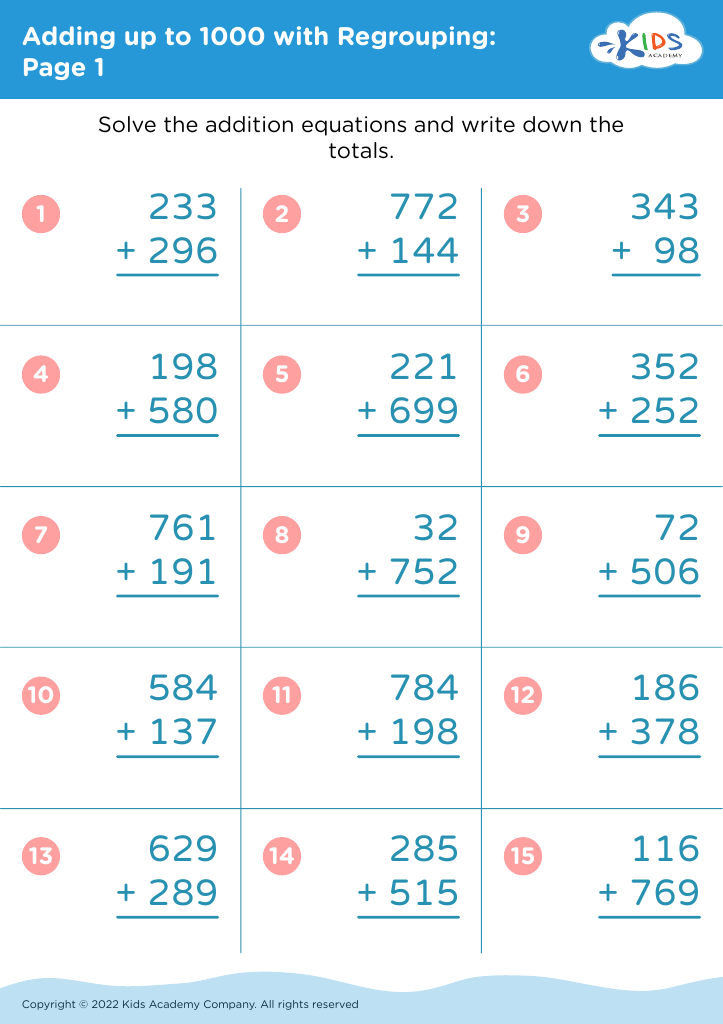
Adding up to 1000 with Regrouping: Page 1
Worksheet
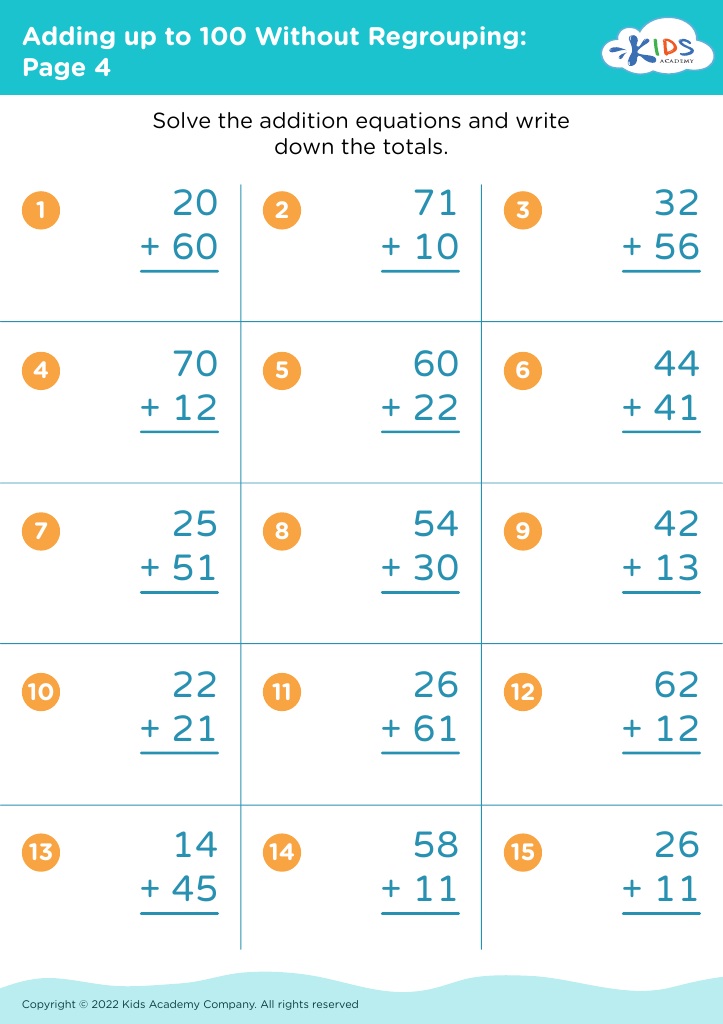
Adding up to 100 Without Regrouping: Page 4
Worksheet
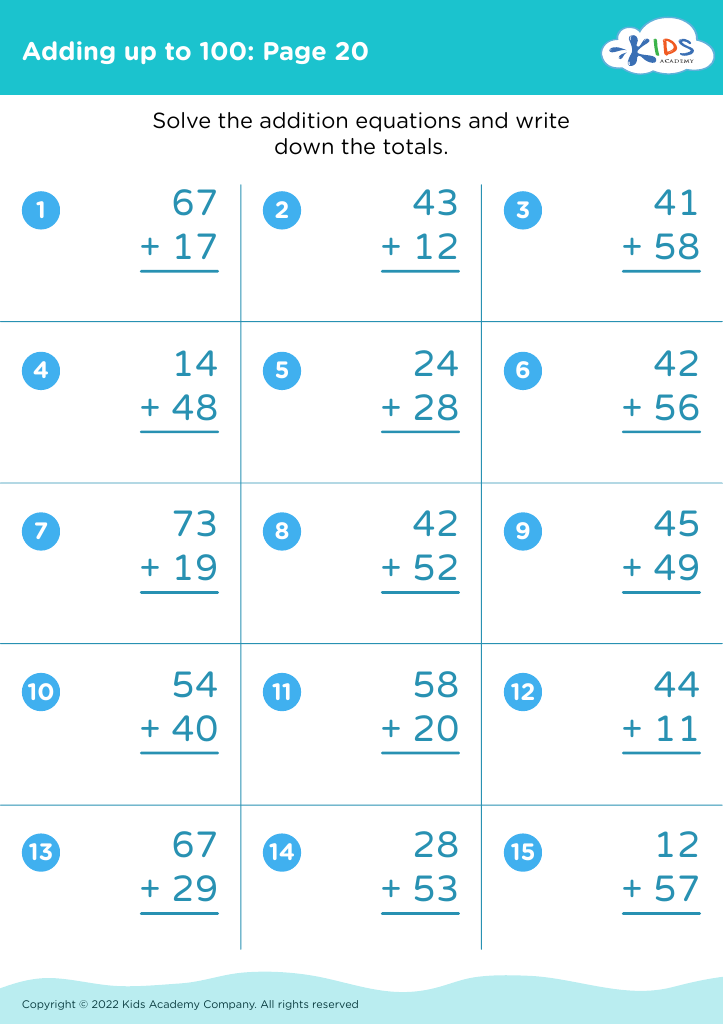
Adding up to 100: Page 20

Adding up to 100: Page 20

Adding up to 100: Page 20
Worksheet
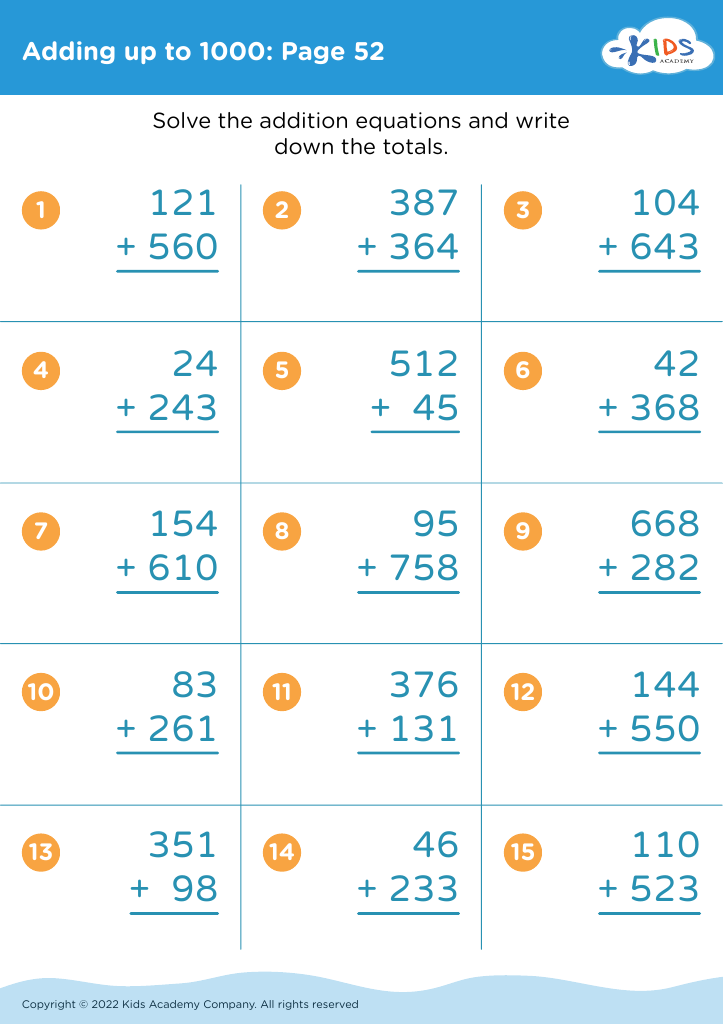
Adding up to 1000: Page 52

Adding up to 1000: Page 52

Adding up to 1000: Page 52
Worksheet
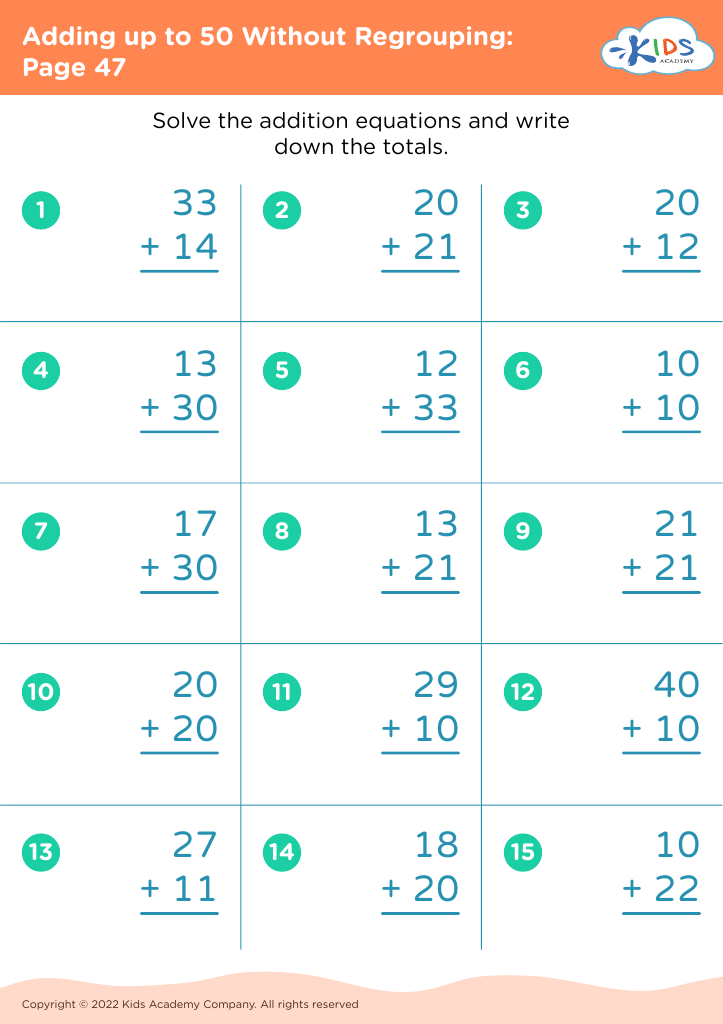
Adding up to 50 Without Regrouping: Page 47
Worksheet
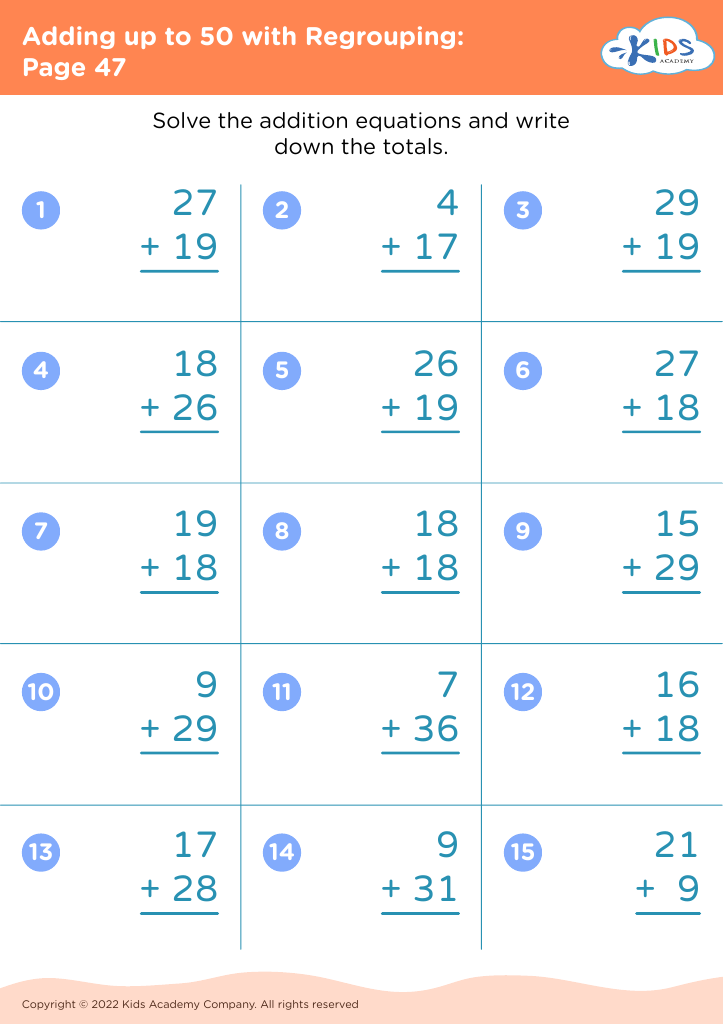
Adding up to 50 with Regrouping: Page 47
Worksheet
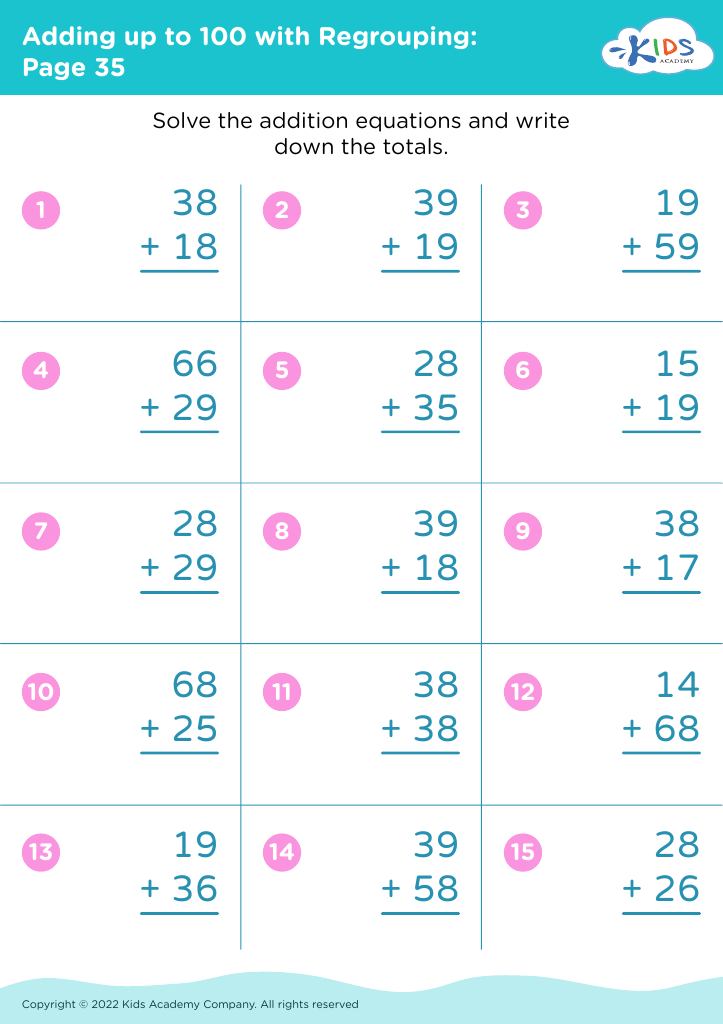
Adding up to 100 with Regrouping: Page 35
Worksheet
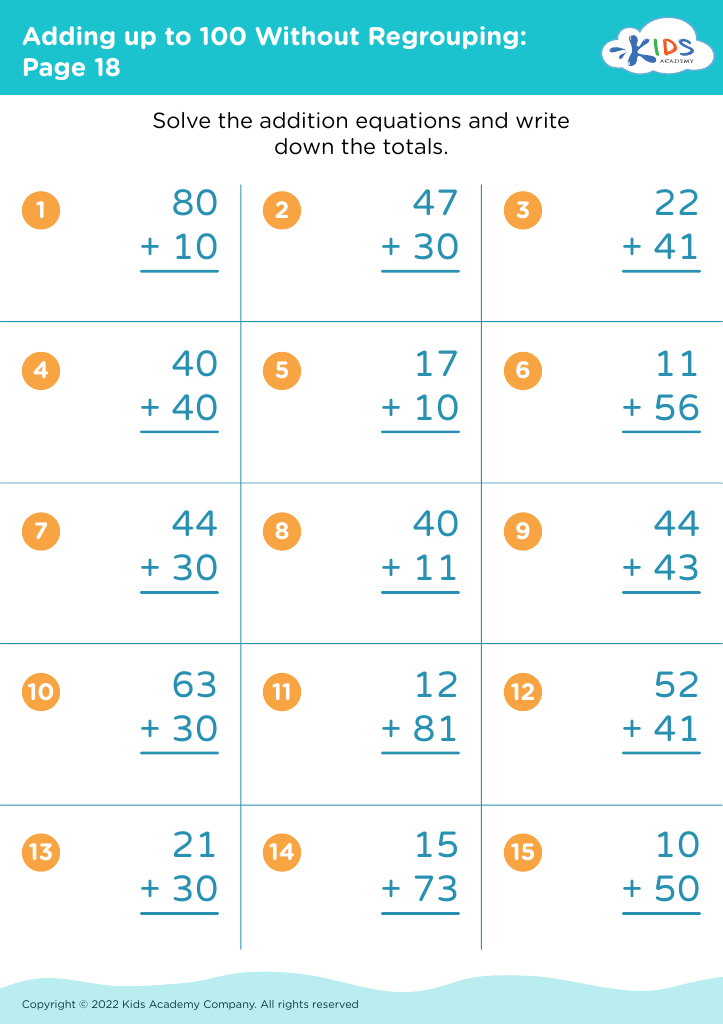
Adding up to 100 Without Regrouping: Page 18
Worksheet
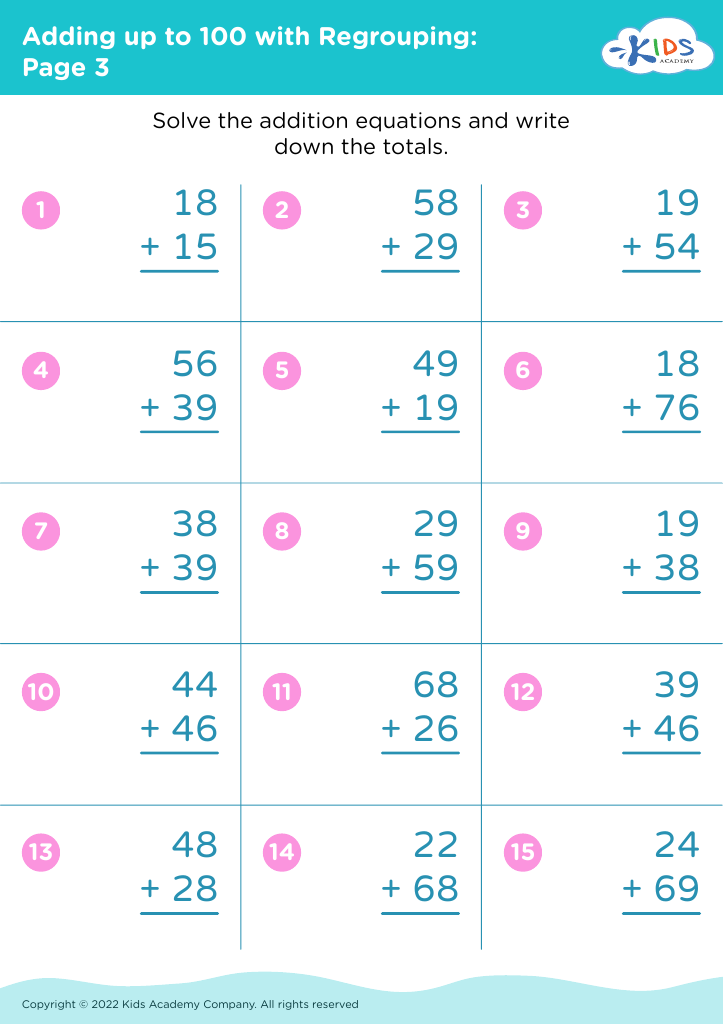
Adding up to 100 with Regrouping: Page 3
Worksheet
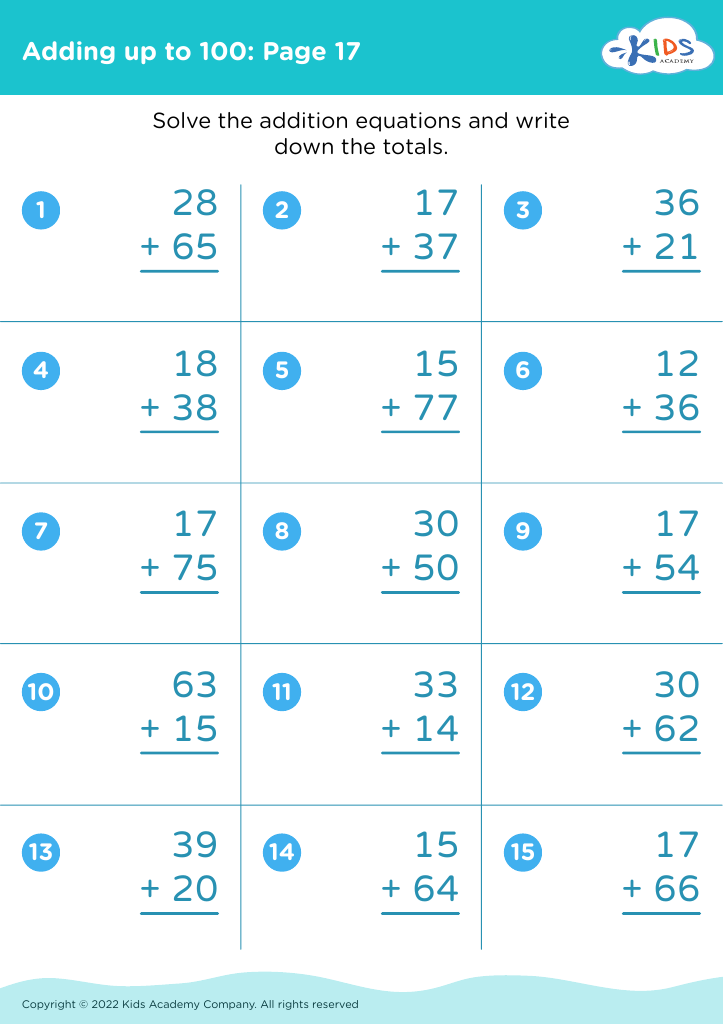
Adding up to 100: Page 17

Adding up to 100: Page 17

Adding up to 100: Page 17
Worksheet
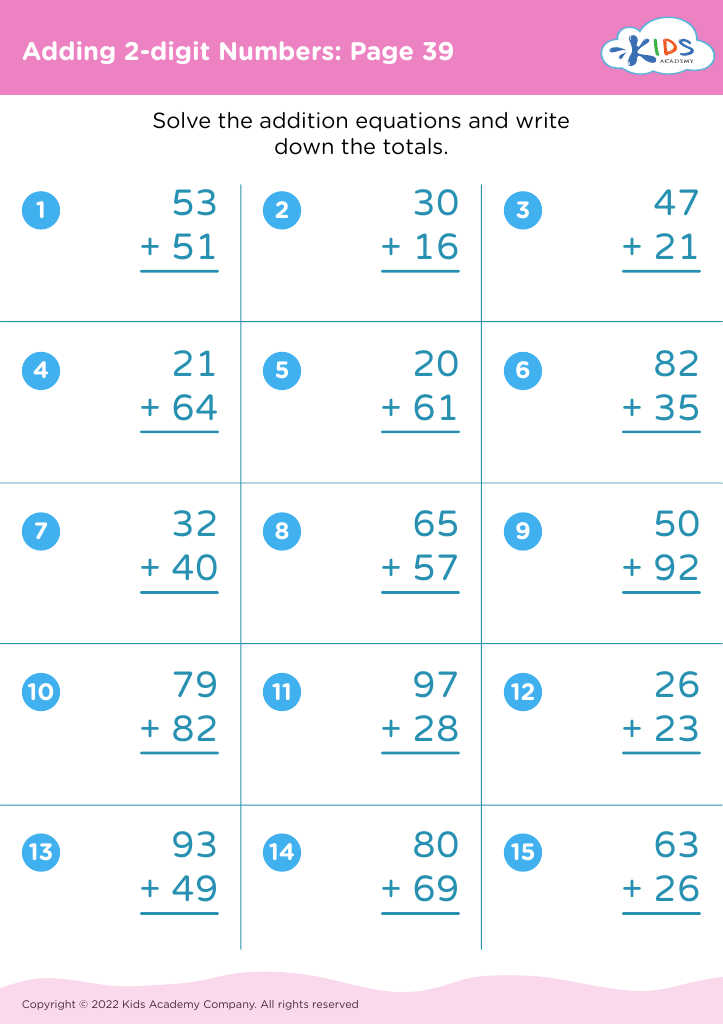
Adding 2-digit Numbers: Page 39

Adding 2-digit Numbers: Page 39

Adding 2-digit Numbers: Page 39
Worksheet
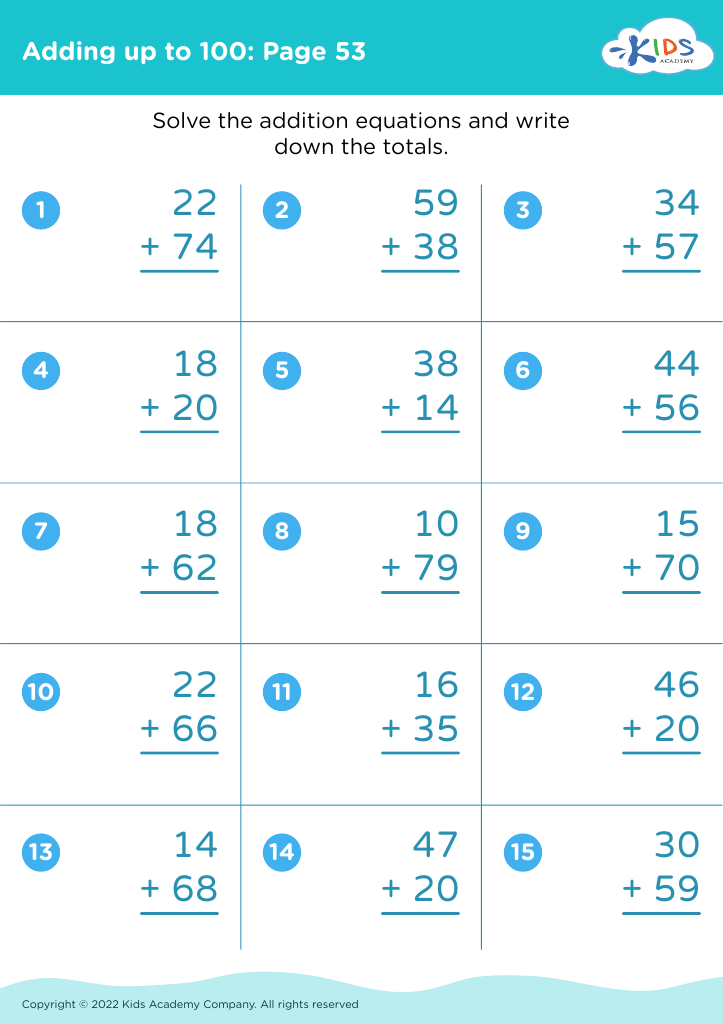
Adding up to 100: Page 53

Adding up to 100: Page 53

Adding up to 100: Page 53
Worksheet
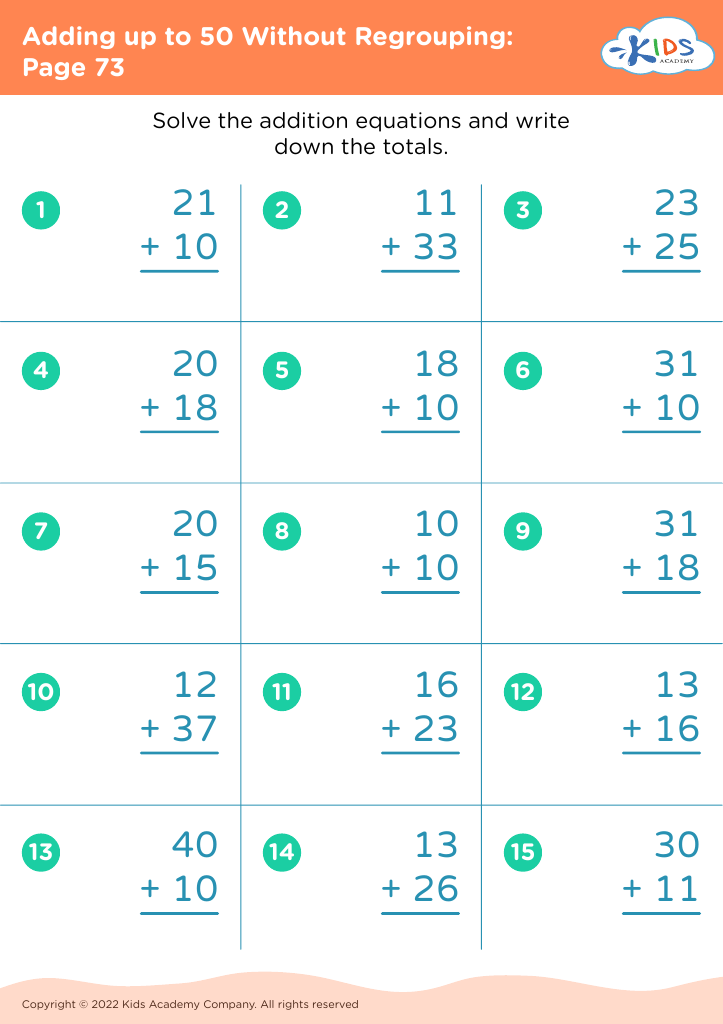
Adding up to 50 Without Regrouping: Page 73
Worksheet
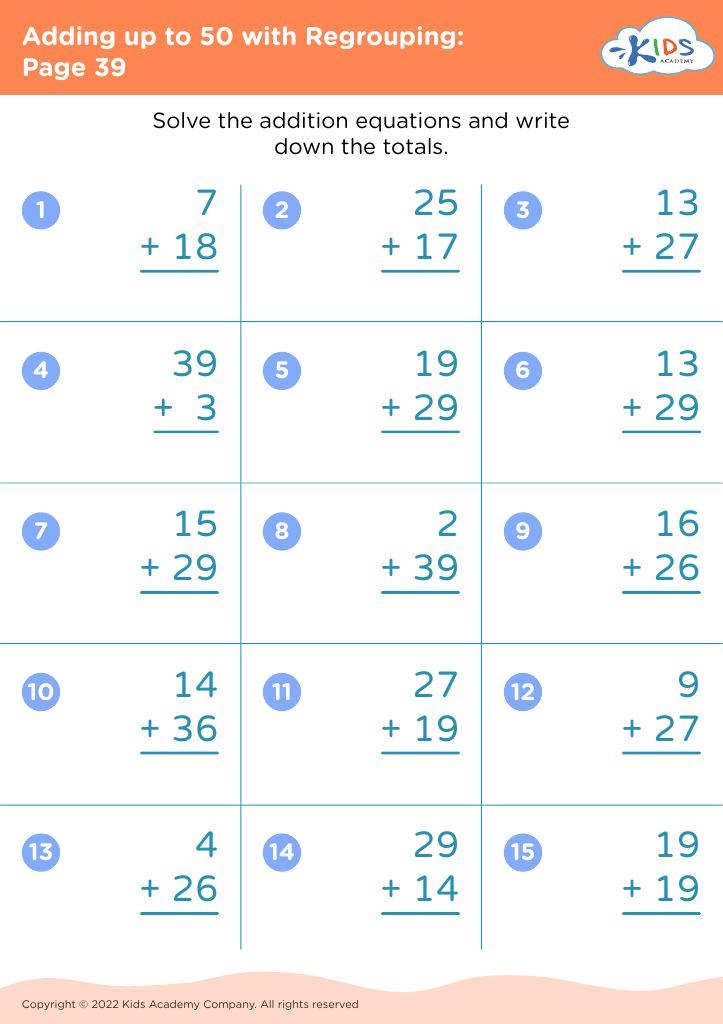
Adding up to 50 with Regrouping: Page 39
Worksheet


Parents and teachers should prioritize fraction simplification, addition, and subtraction for children aged 6-7 because these skills lay a foundational understanding of mathematics that extends beyond simple calculations. At this age, children are developing critical thinking and problem-solving abilities. Fractions, as a concept, introduce them to the idea of parts of a whole, which is essential for understanding ratios, measurements, and later, algebra.

By learning how to simplify fractions, children practice division and number sense, which enhances their overall mathematical fluency. Addition and subtraction of fractions help them discover how to combine different quantities, fostering skills in addition and subtraction more broadly.

Furthermore, these mathematical principles are often interconnected with real-world applications, such as cooking, shopping, and understanding time. When children grasp these concepts early, it builds confidence and prepares them for more complex math challenges in future grades. Additionally, mastering these foundational skills stimulates curiosity and an appreciation for mathematics, encouraging a lifelong interest in learning. Overall, investing time and effort into fraction simplification, addition, and subtraction during these formative years promotes both academic success and essential life skills.