Identifying equivalent fractions Addition & Subtraction Worksheets for Ages 6-7
7 filtered results
-
From - To
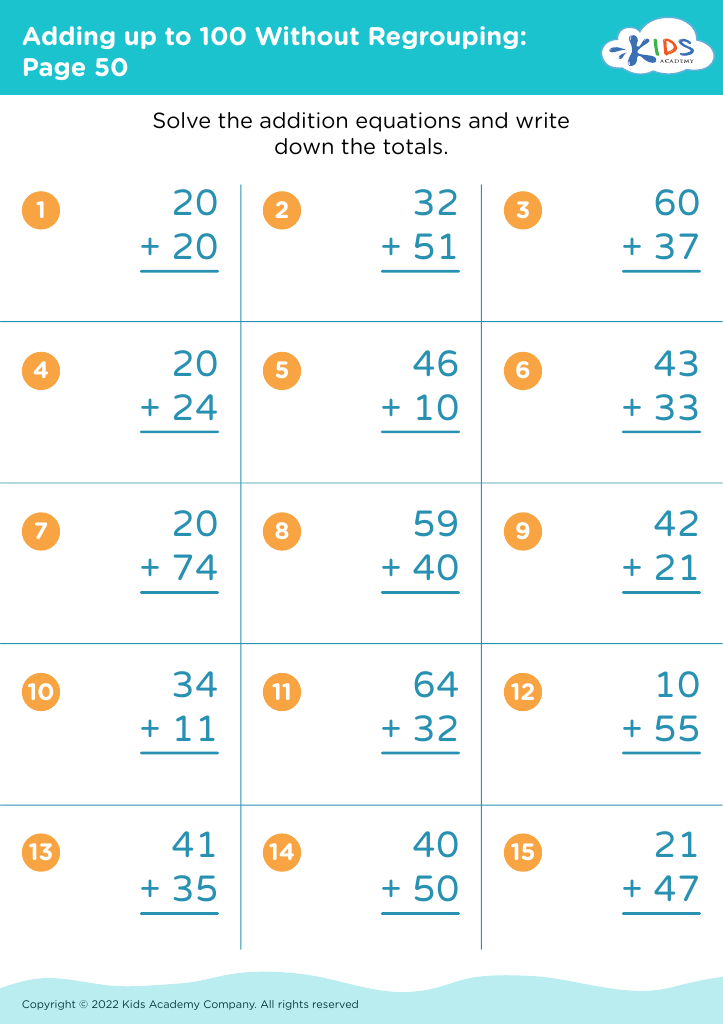
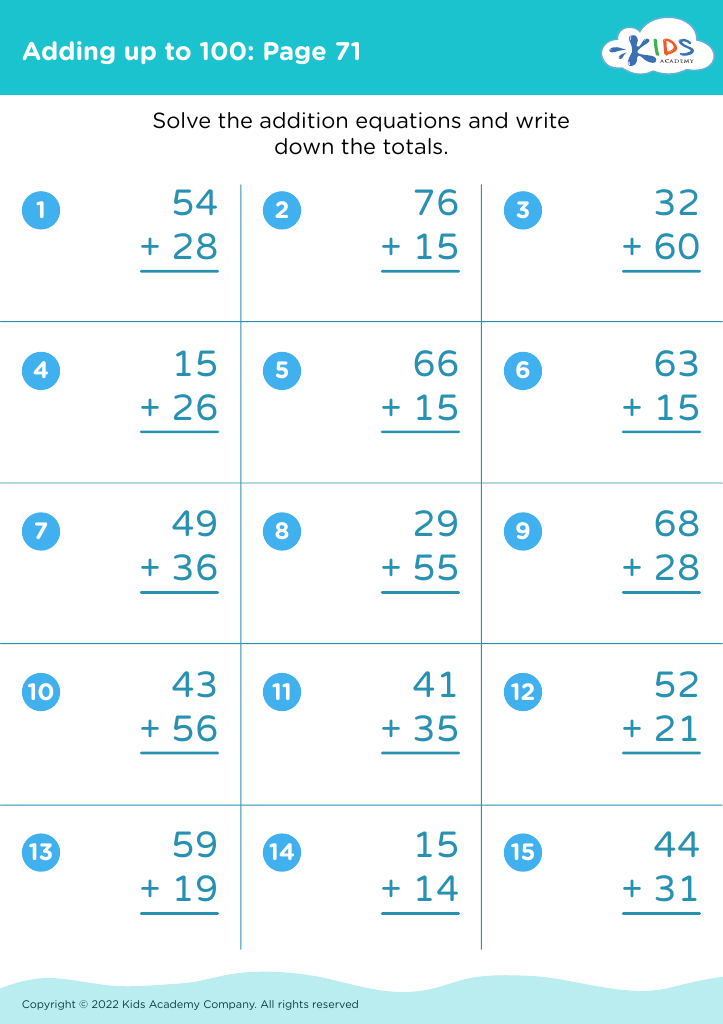
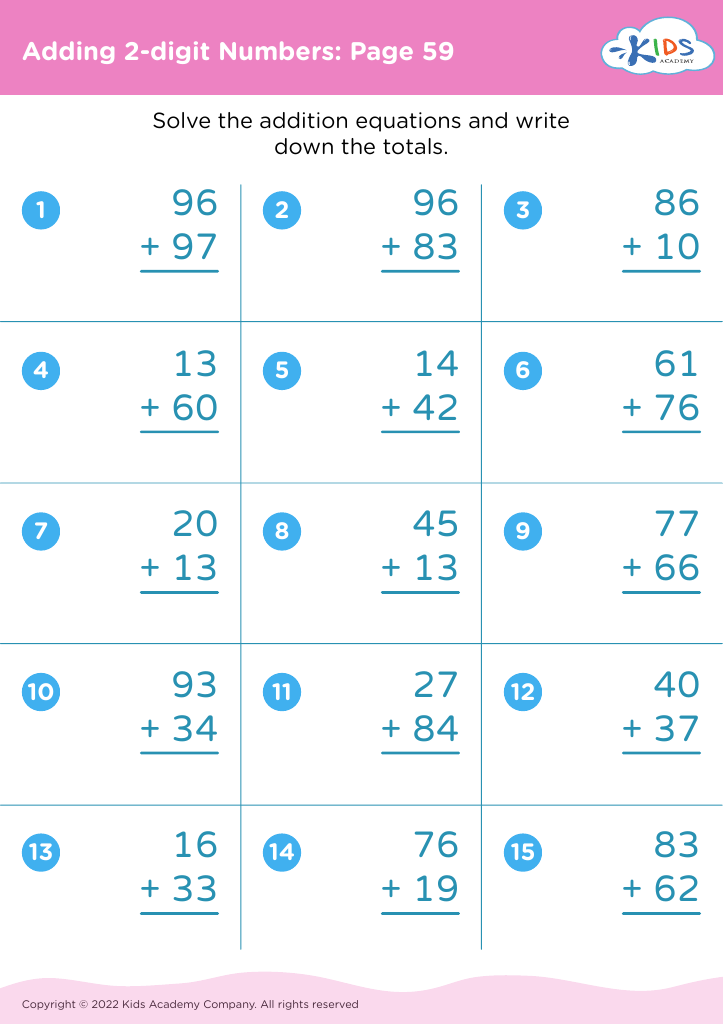
Discover our engaging Identifying Equivalent Fractions Addition & Subtraction Worksheets designed specifically for children aged 6-7. These worksheets provide a fun, hands-on approach to mastering the concept of equivalent fractions, laying a solid foundation for future math skills. With vibrant visuals and age-appropriate challenges, students will practice essential addition and subtraction operations involving fractions. Each worksheet encourages critical thinking and helps young learners recognize and understand the relationship between different fractions. Ideal for classroom use or home learning, these worksheets are perfect for reinforcing mathematical concepts in a friendly and interactive way. Start building confidence in math today!
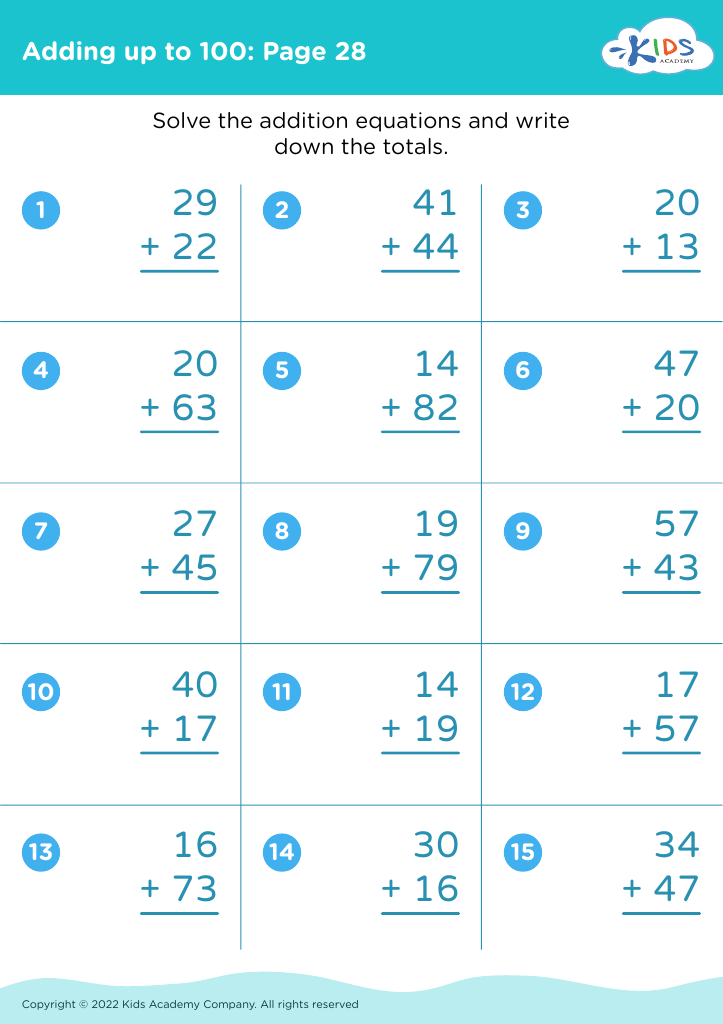
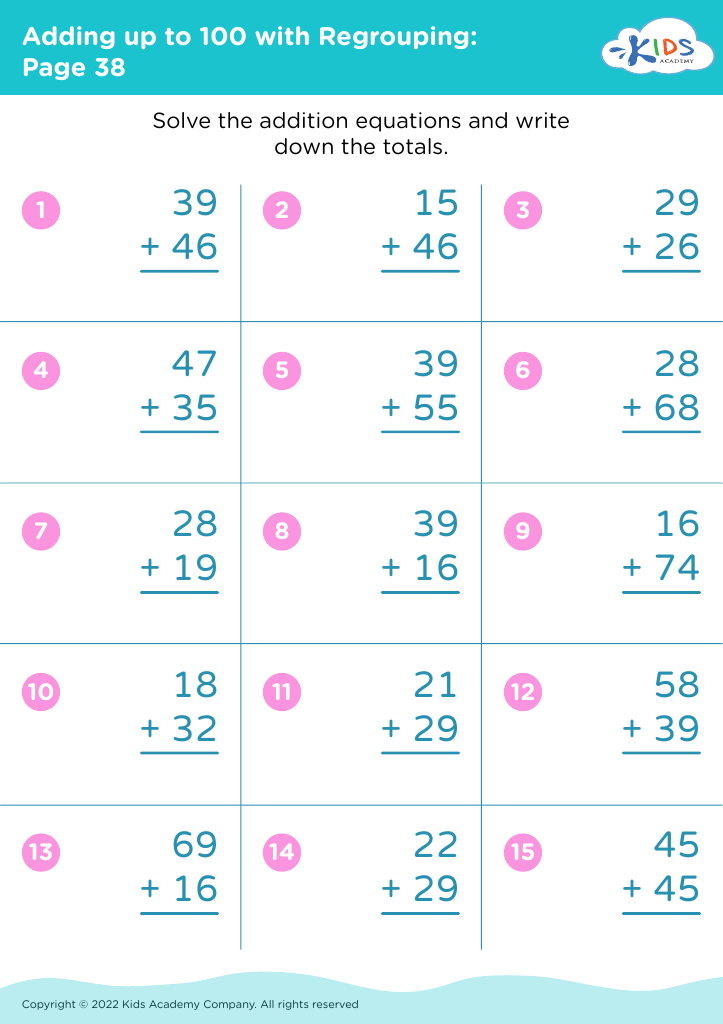
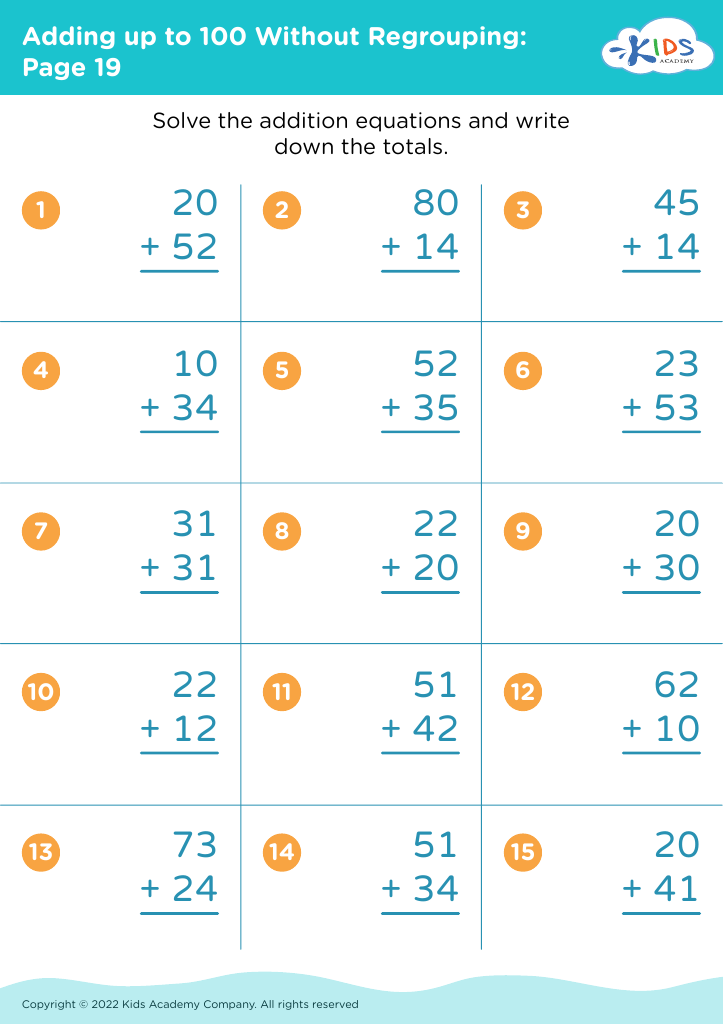
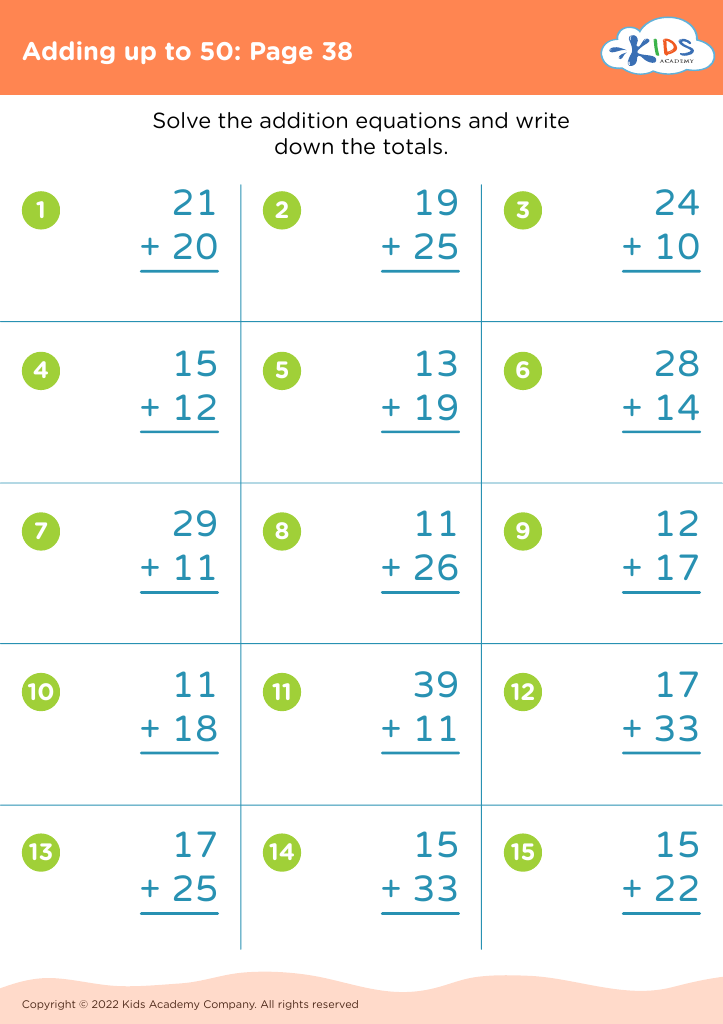








Identifying equivalent fractions and understanding addition and subtraction of fractions is vital for young learners, aged 6-7, as it sets a strong foundation for their mathematical development. At this age, children are naturally curious and beginning to grasp basic fractions, which makes it an ideal time to introduce concepts of equivalency, like recognizing that 1/2 is the same as 2/4.
Parents and teachers should care because mastering equivalent fractions enhances children's ability to compare and combine fractions effectively, essential skills for more complex mathematical concepts in later grades. Understanding equivalence fosters critical thinking; children learn to manipulate numbers, which reinforces their overall numerical literacy.
Additionally, fractions are prevalent in everyday life—whether they’re measuring ingredients, dividing a pizza, or sharing toys among friends. When children comprehend these principles early on, they experience increased confidence when tackling math problems.
Engaging in activities that promote fraction understanding not only makes math fun but cultivates a positive attitude toward learning in general. Involving parents through educational activities at home can reinforce what is learned at school, ensuring children develop a strong mathematical foundation and problem-solving skills that benefit them throughout their academic journey.








