Improve reading comprehension Addition & Subtraction Worksheets for Ages 6-7
9 filtered results
-
From - To
Boost your child's reading comprehension skills with our engaging Addition & Subtraction Worksheets designed for ages 6-7. These worksheets blend math practice with reading exercises, enhancing understanding through context clues and problem-solving. As young learners solve addition and subtraction problems, they also develop critical reading skills by interpreting instructions and word problems. Our carefully curated worksheets encourage kids to explore numbers while improving their ability to comprehend written language. Perfect for reinforcing classroom learning or enjoying at home, these resources make learning math enjoyable and impactful, setting the stage for academic success. Unlock your child's potential today!
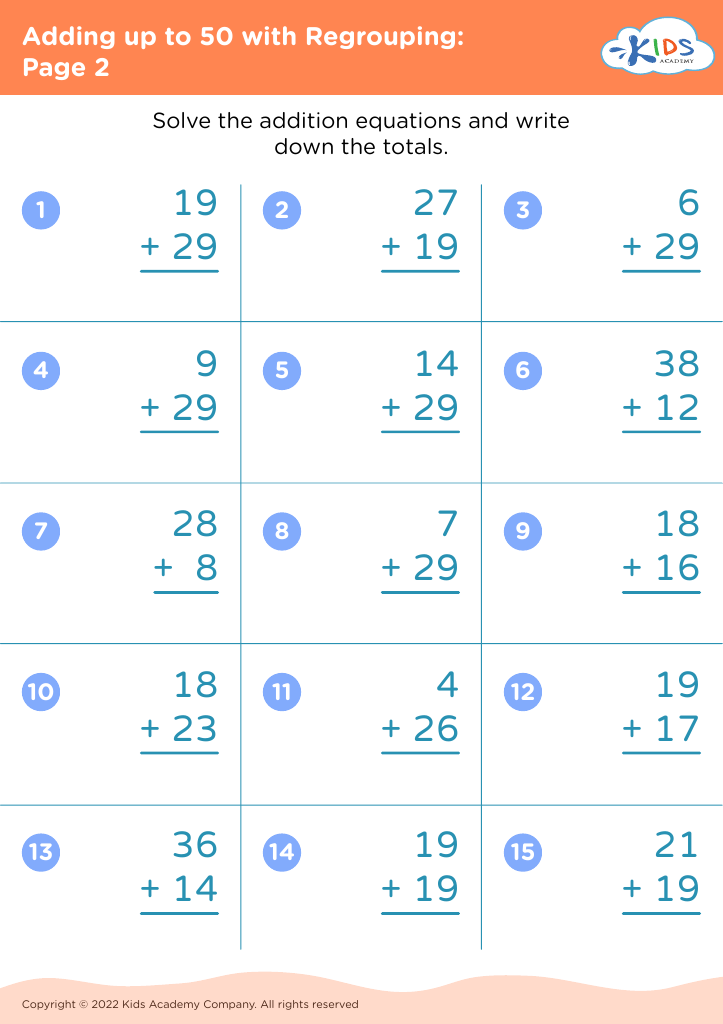
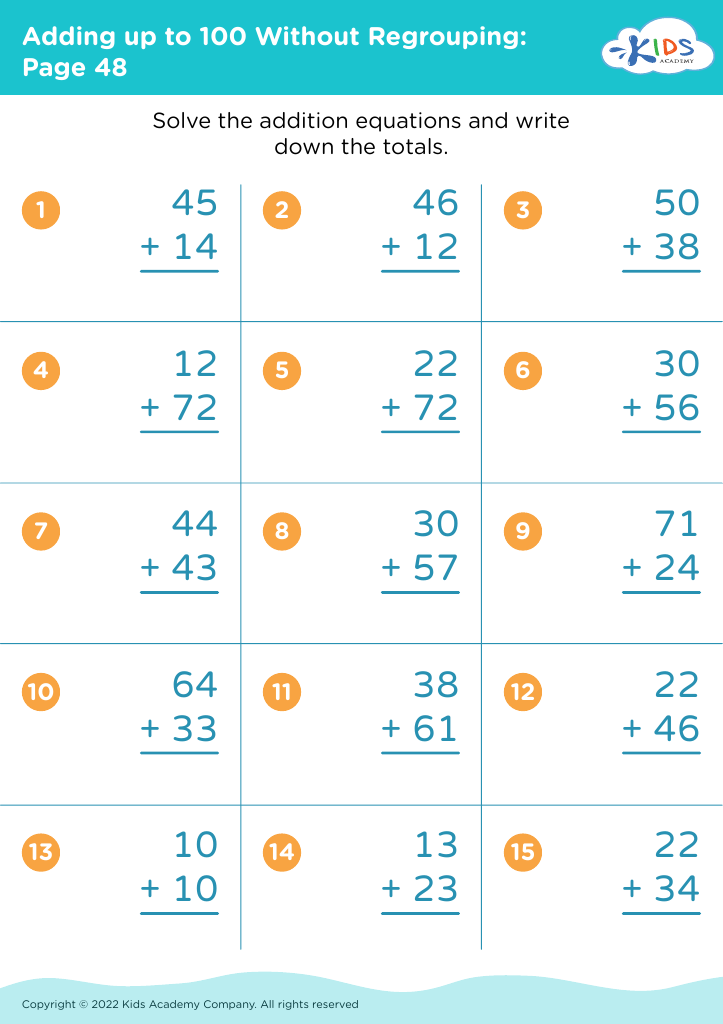
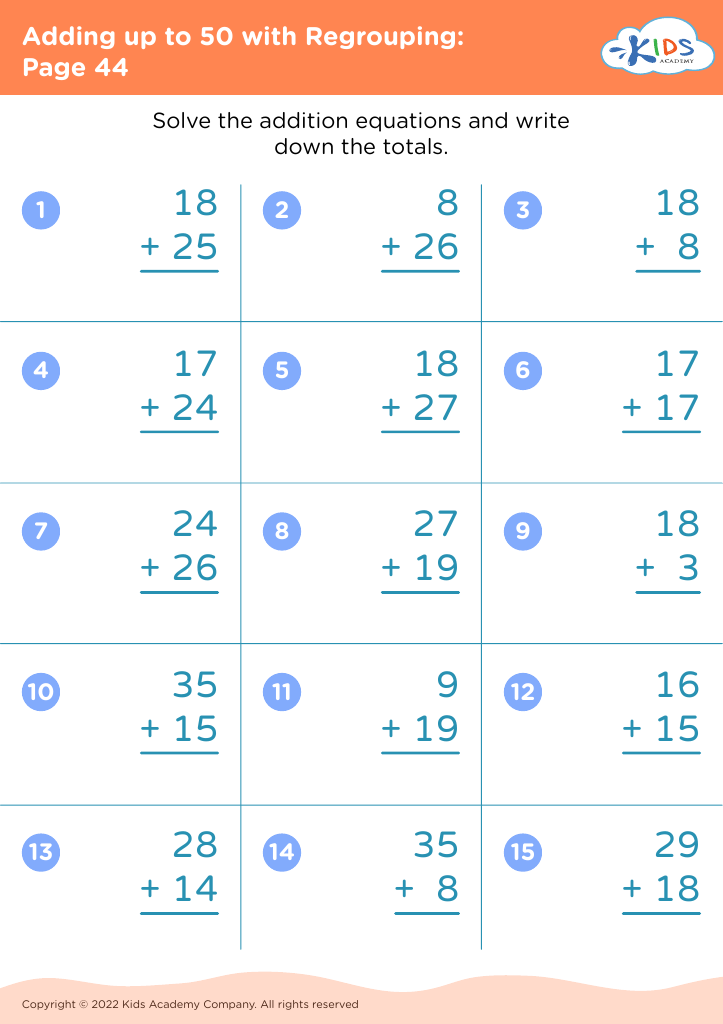
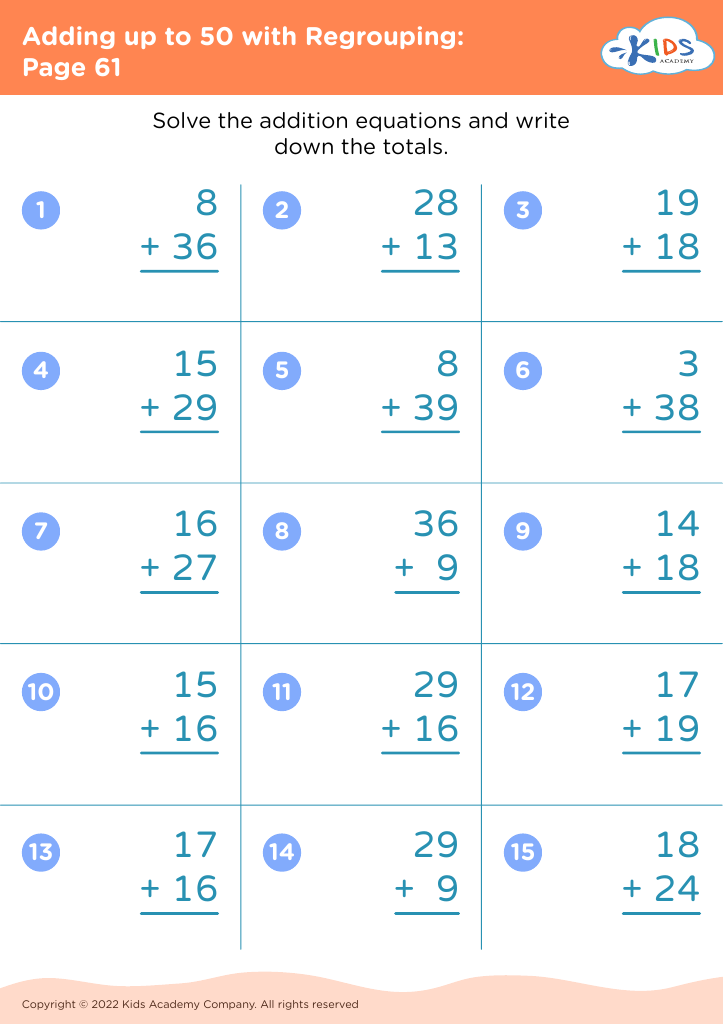
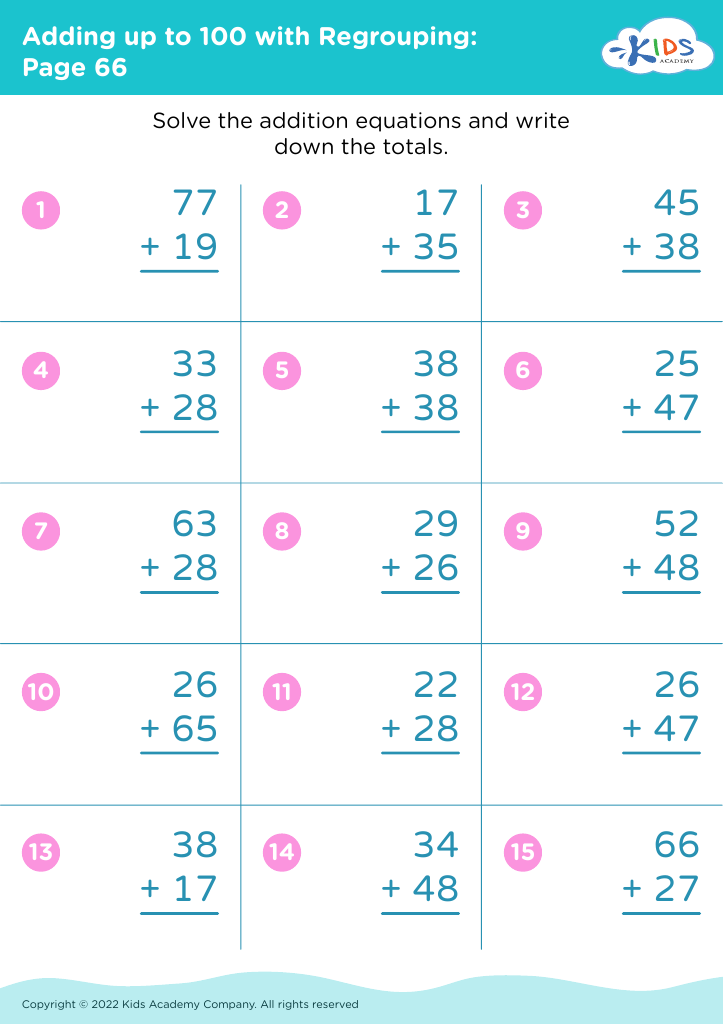
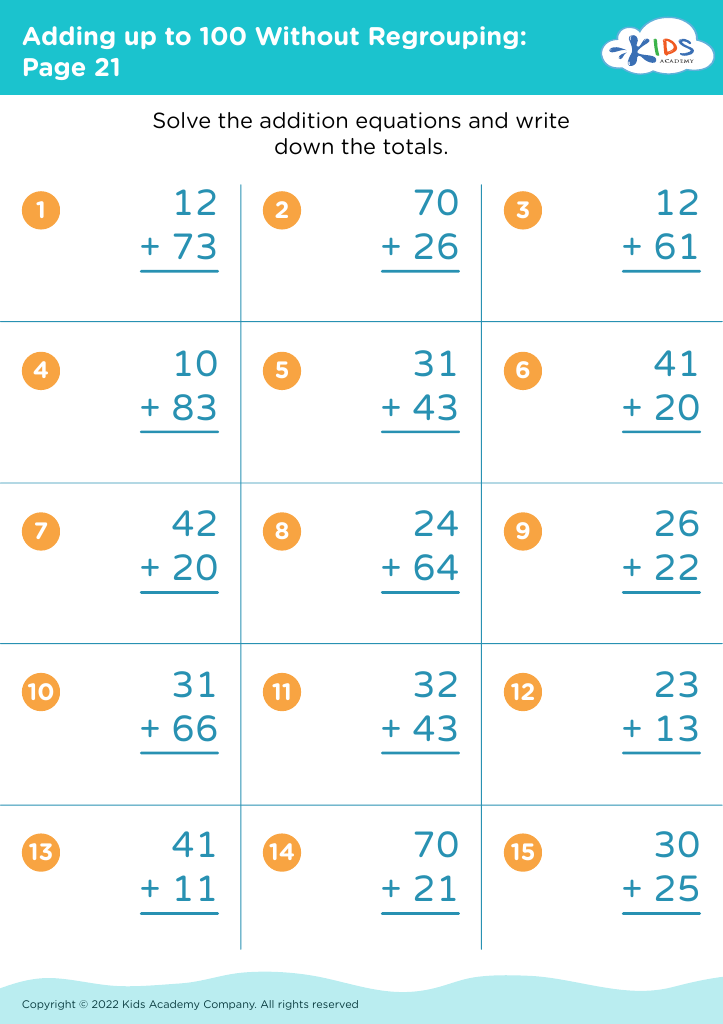
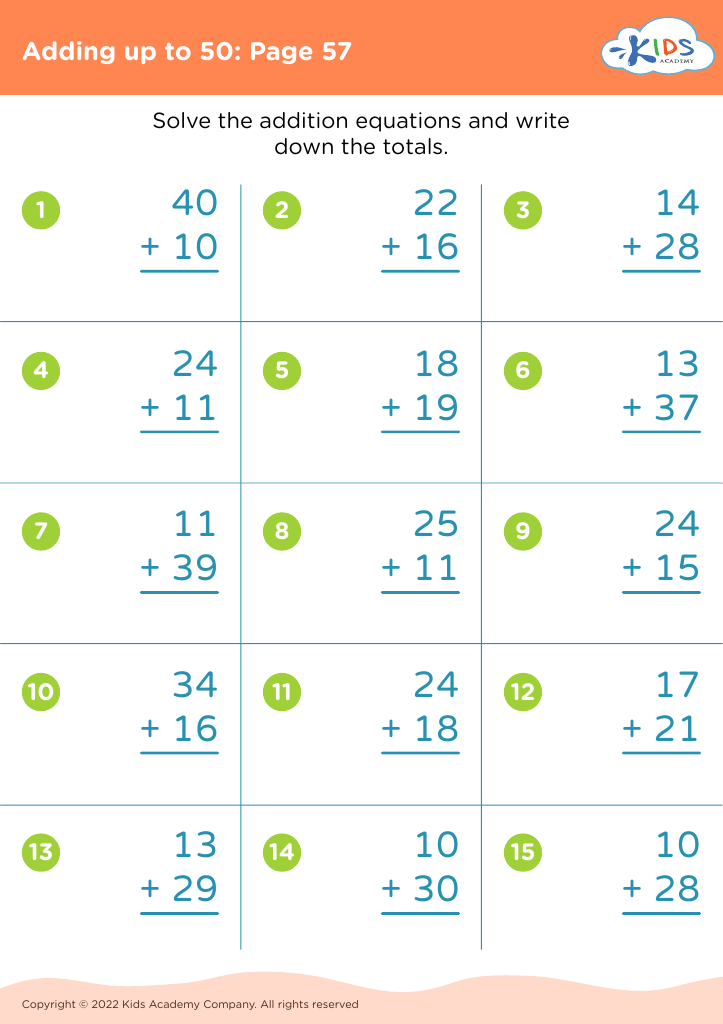
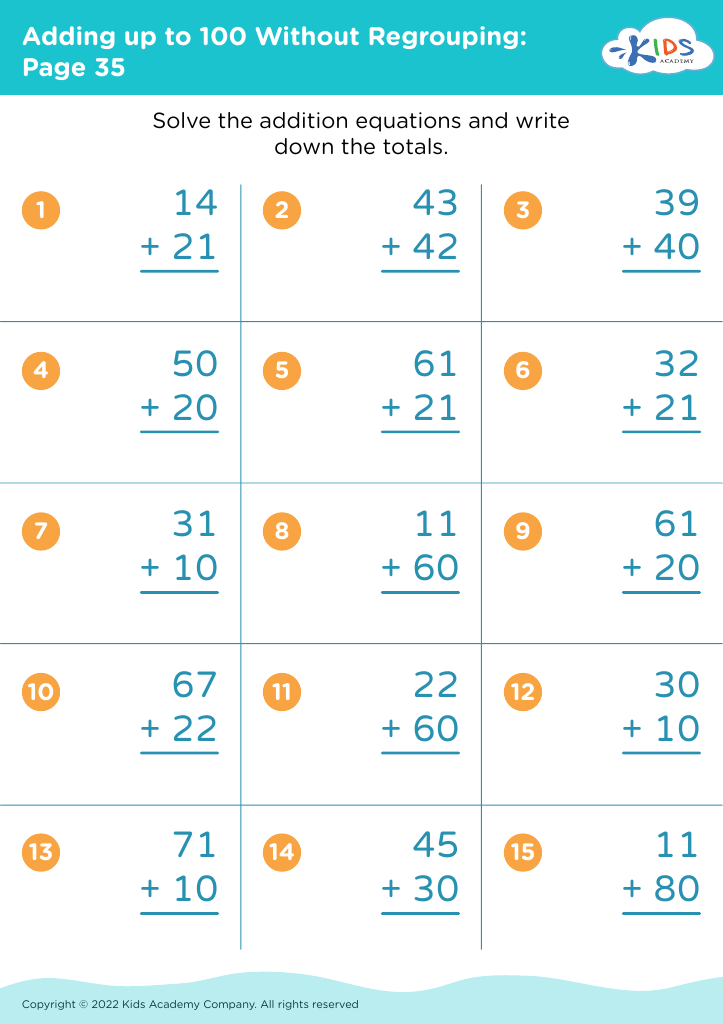
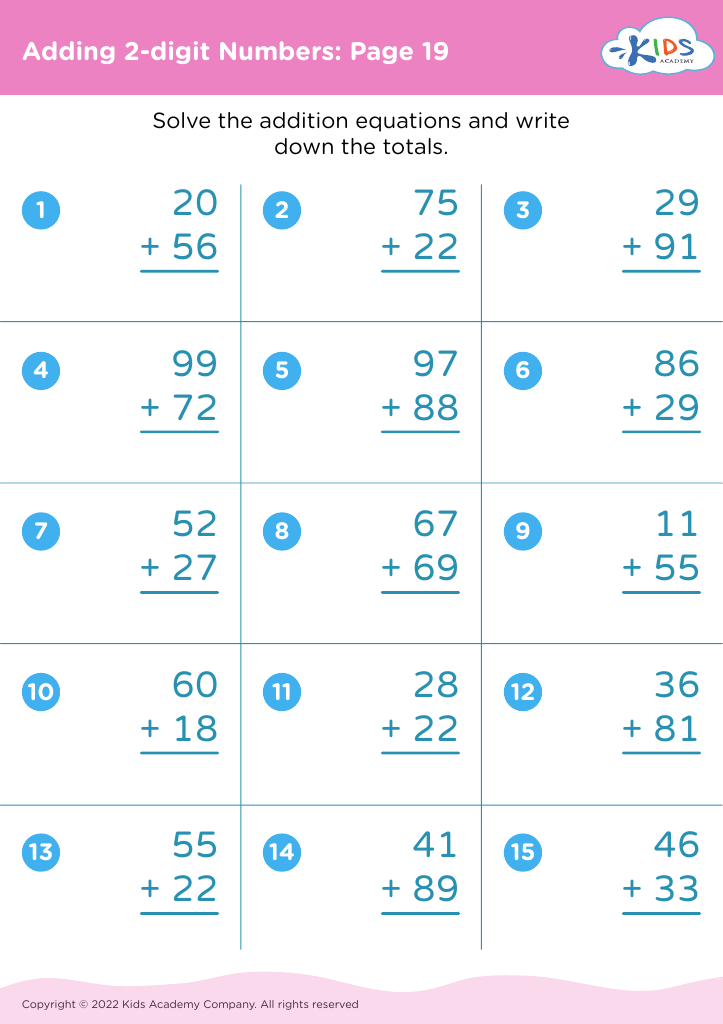








Improving reading comprehension and mastering addition and subtraction for ages 6-7 are crucial components of early childhood education. At this formative stage, students develop foundational skills that will benefit their overall academic journey and lifelong learning. Parents and teachers should prioritize these skills because they significantly influence students’ success in later grades and their ability to tackle more complex subjects.
Reading comprehension is vital as it enables children to understand and engage with texts, fostering curiosity and critical thinking. When children can comprehend what they read, they become better learners across all subjects, not just in literacy. For example, building strong comprehension allows them to interpret word problems in math, enhancing their problem-solving abilities.
Similarly, a firm grasp of addition and subtraction lays the groundwork for understanding advanced math concepts in the future. These basic arithmetic skills promote logical reasoning and help children approach challenges confidently.
By emphasizing both reading comprehension and mathematical operations, parents and teachers can foster well-rounded, competent learners. Supporting these skills in young children not only prepares them for academic success but also nurtures a love for learning, setting the stage for future achievements. Thus, prioritizing these areas is essential for holistic child development.








