Recognizing Patterns Addition & Subtraction Worksheets for Ages 6-7
22 filtered results
-
From - To
Unlock the power of patterns with our Recognizing Patterns Addition & Subtraction Worksheets for ages 6-7 at Kids Academy! Ideal for young learners, these printable worksheets blend fun and education by helping children understand and identify mathematical patterns through engaging addition and subtraction exercises. Catering to first graders, the worksheets encourage kids to practice critical thinking, improve problem-solving skills, and enhance their arithmetic abilities in a joyful and interactive way. Perfect for both classroom and home use, these exciting activities make math enjoyable and accessible, paving the way for a strong mathematical foundation. Download now and make learning fun!
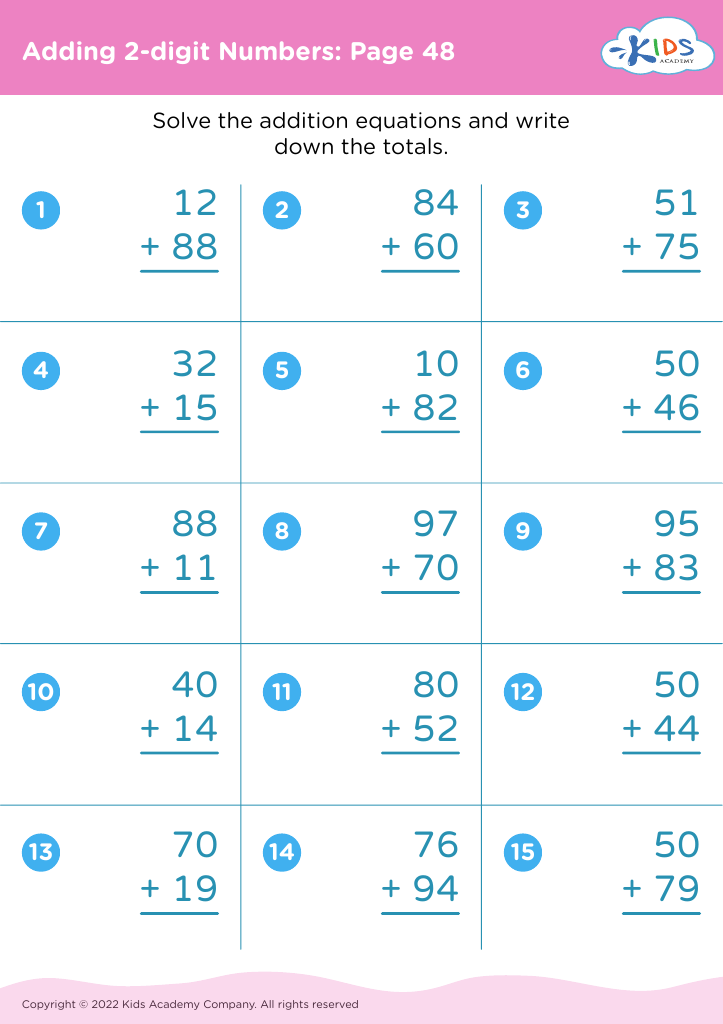
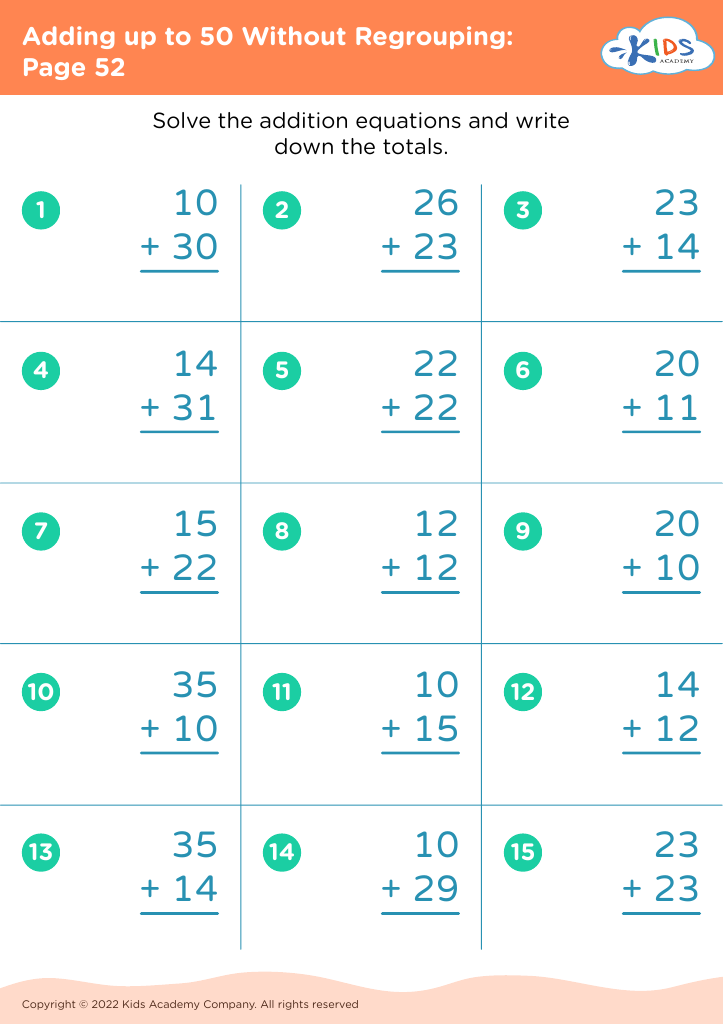
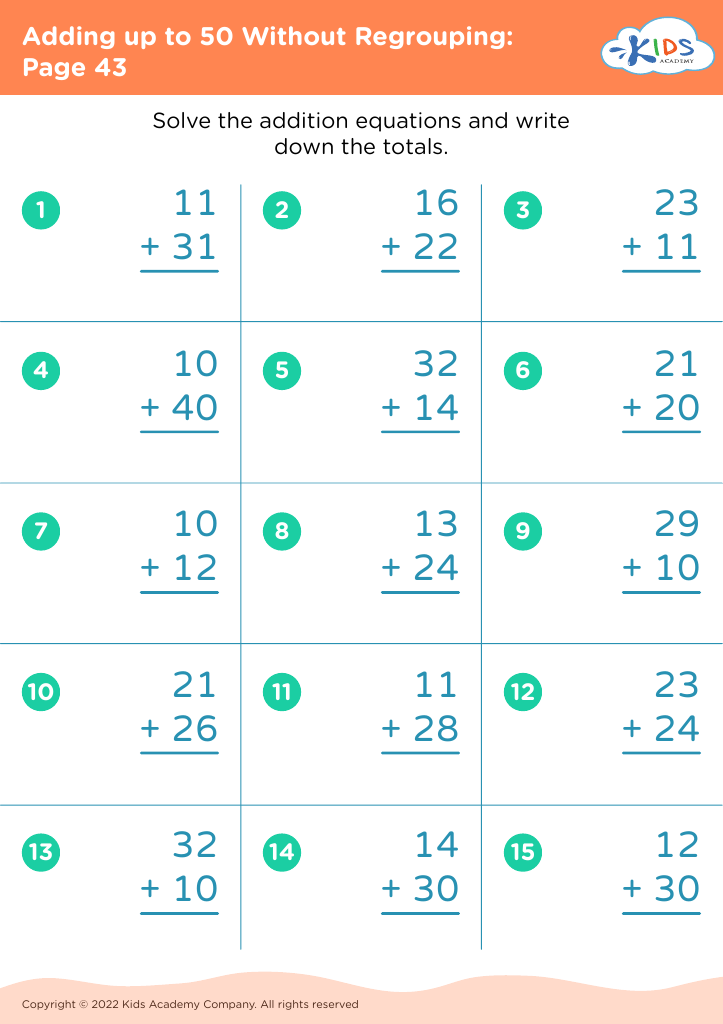
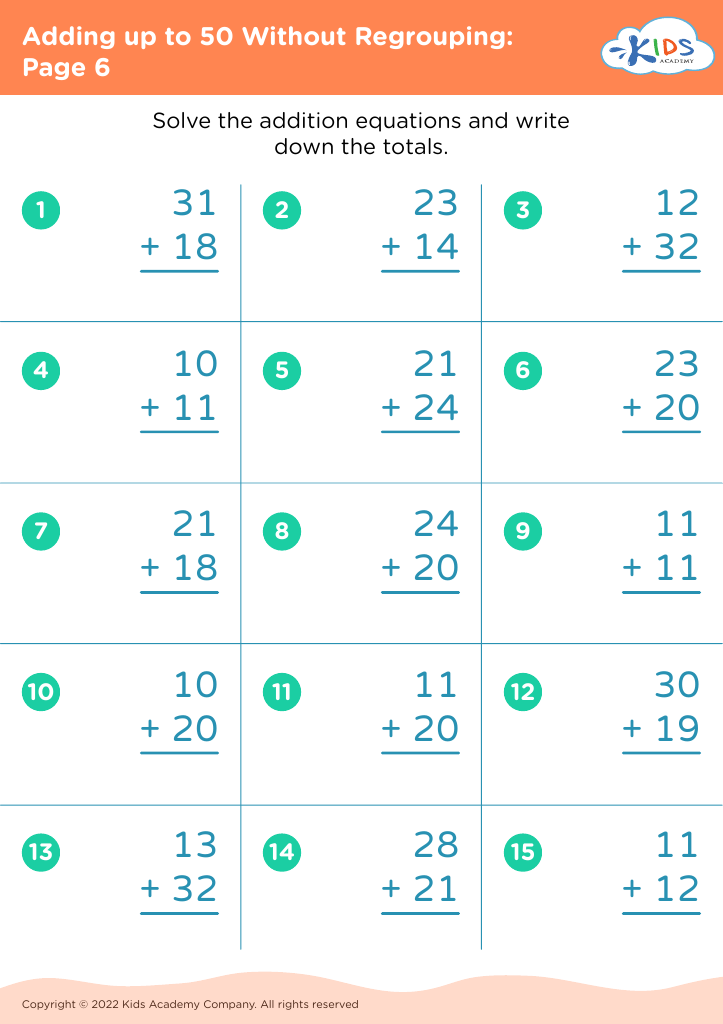
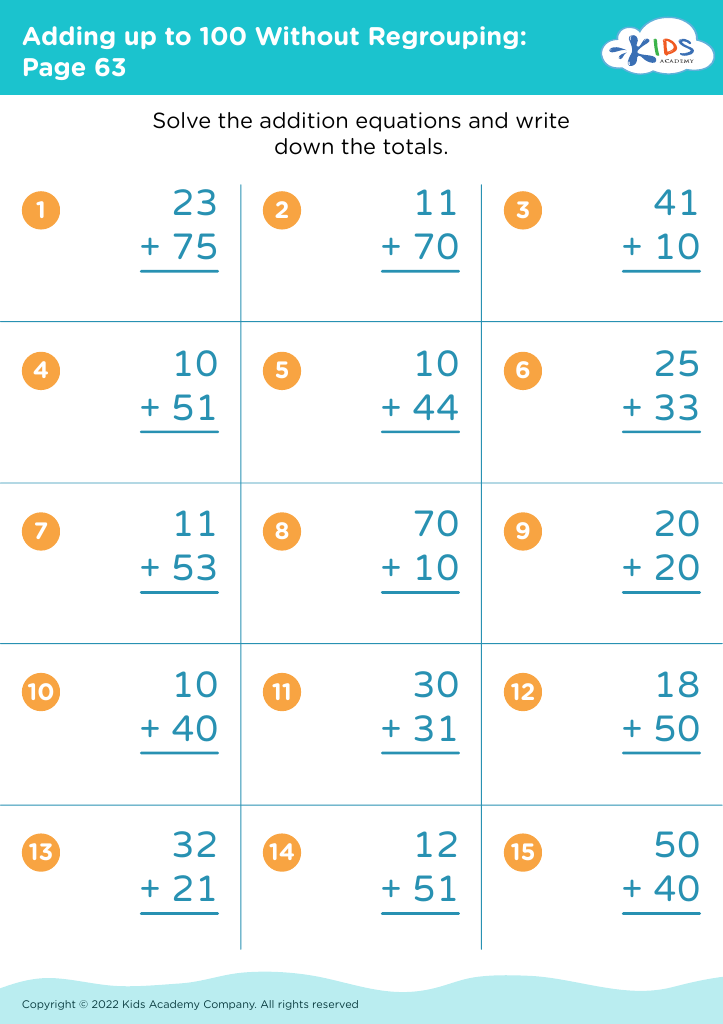
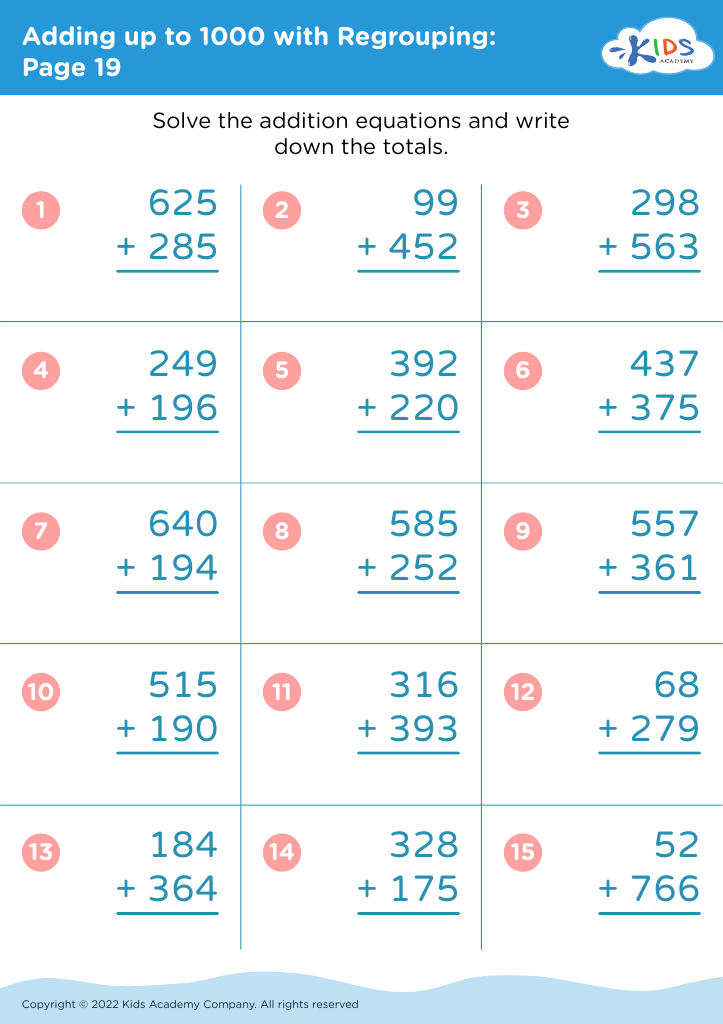
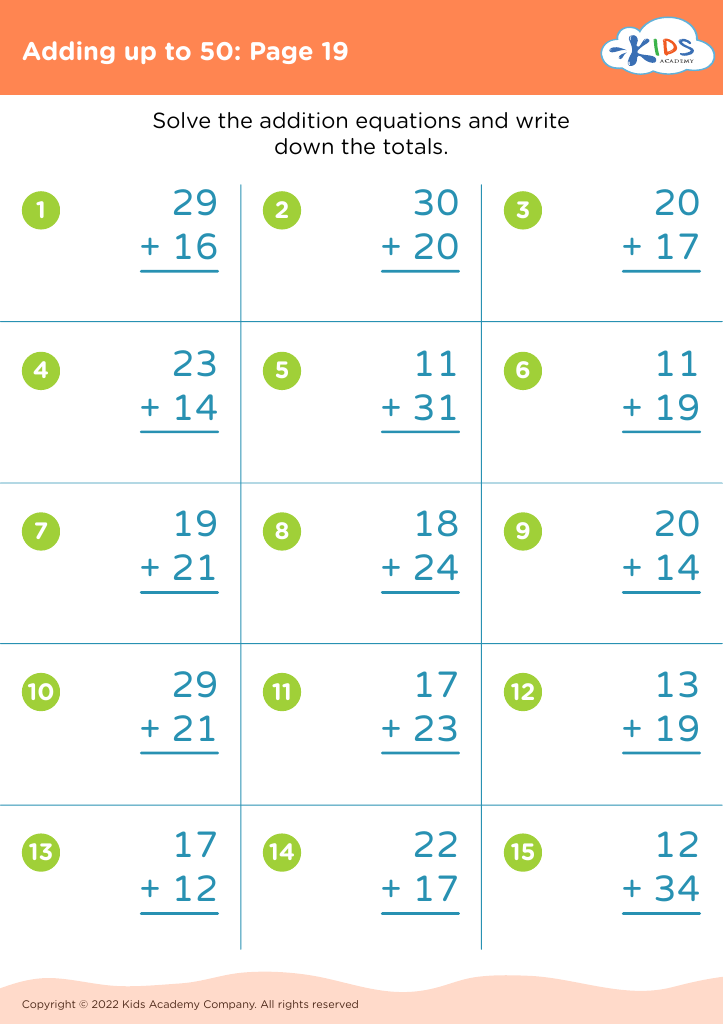
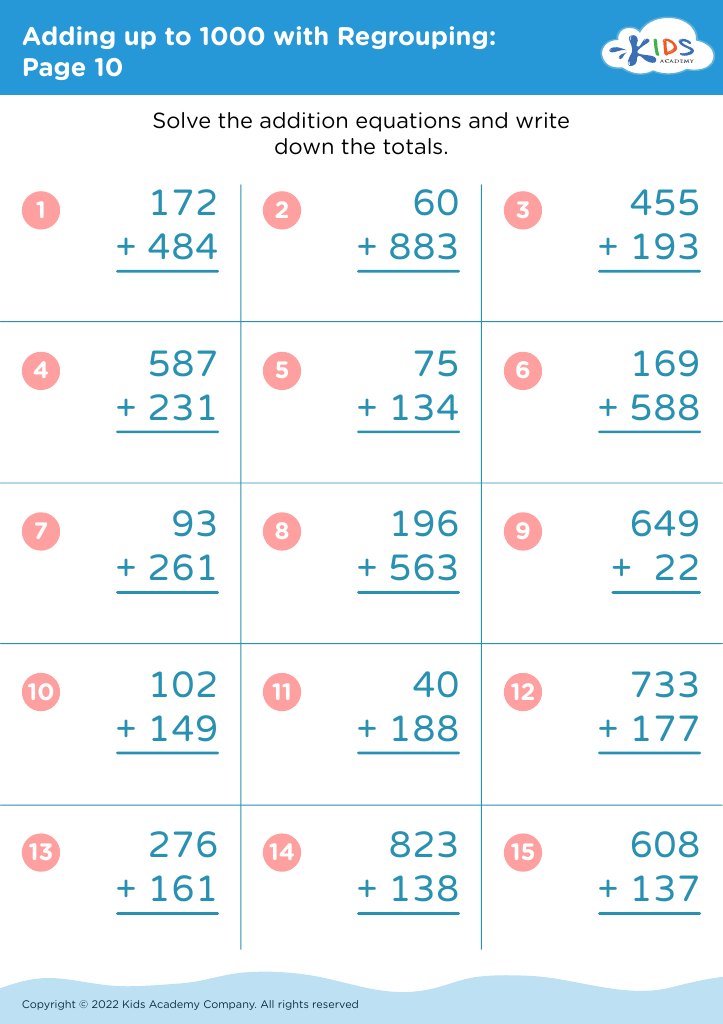
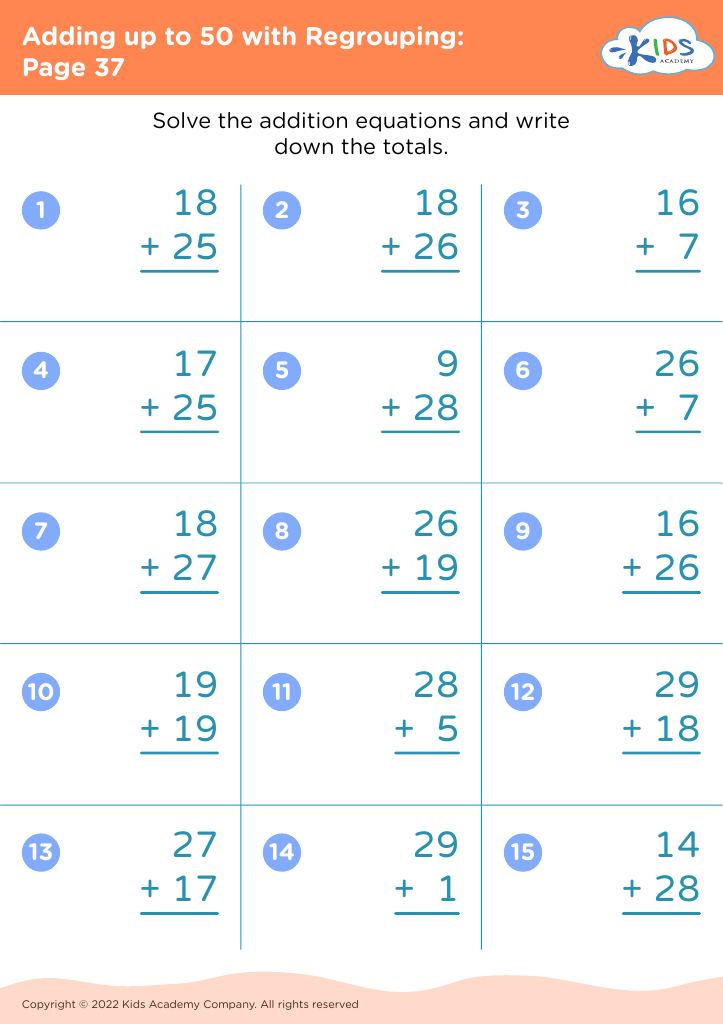
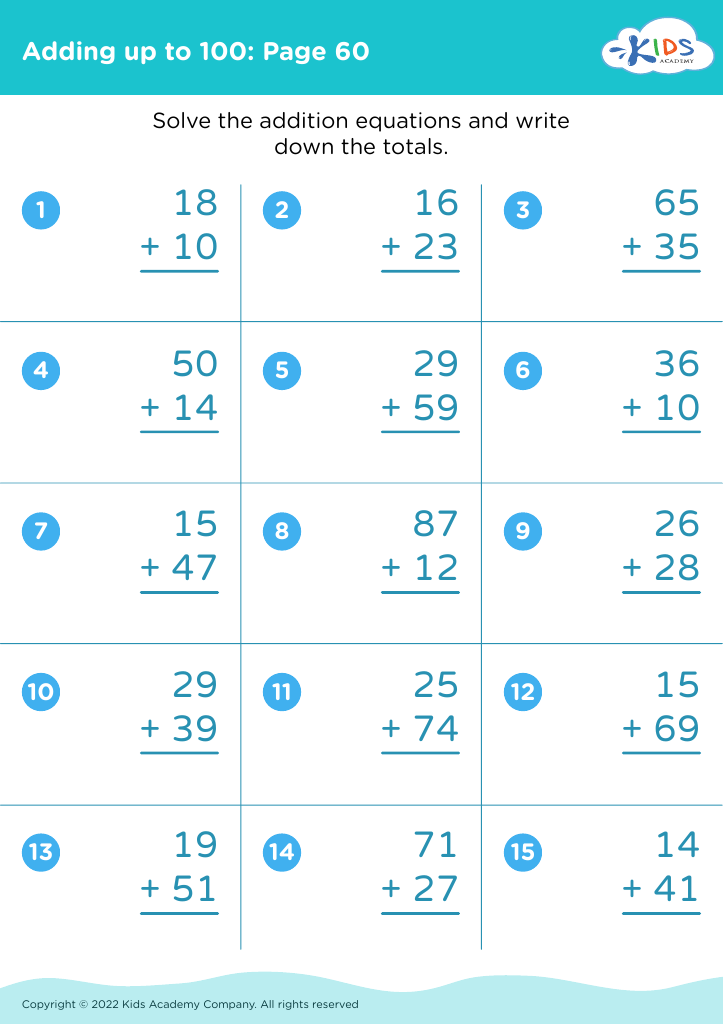
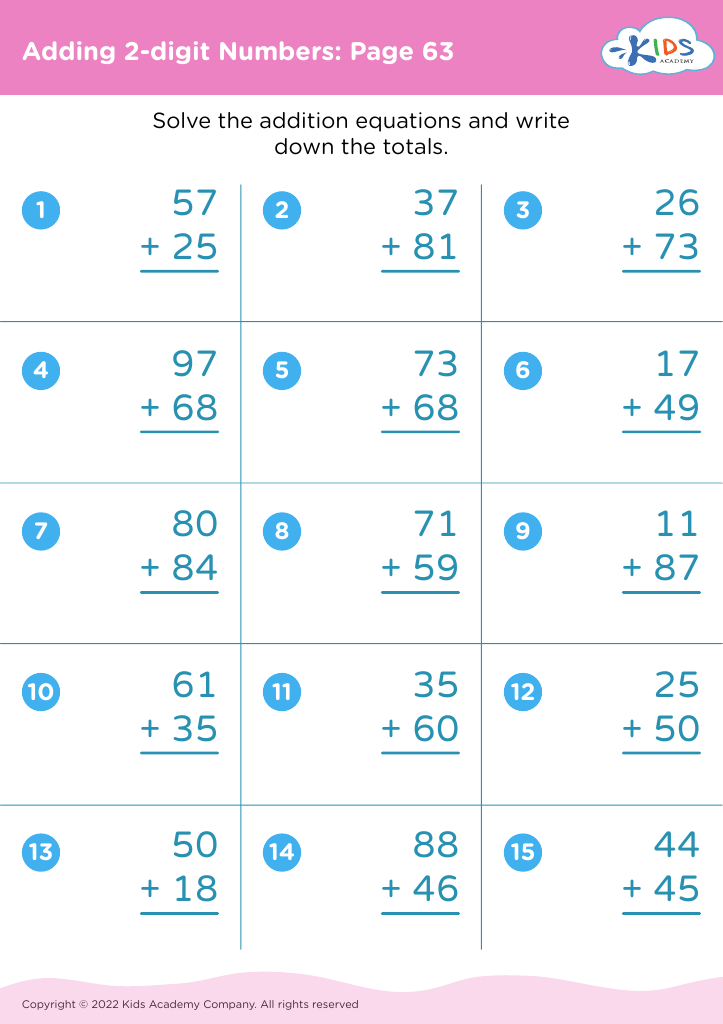
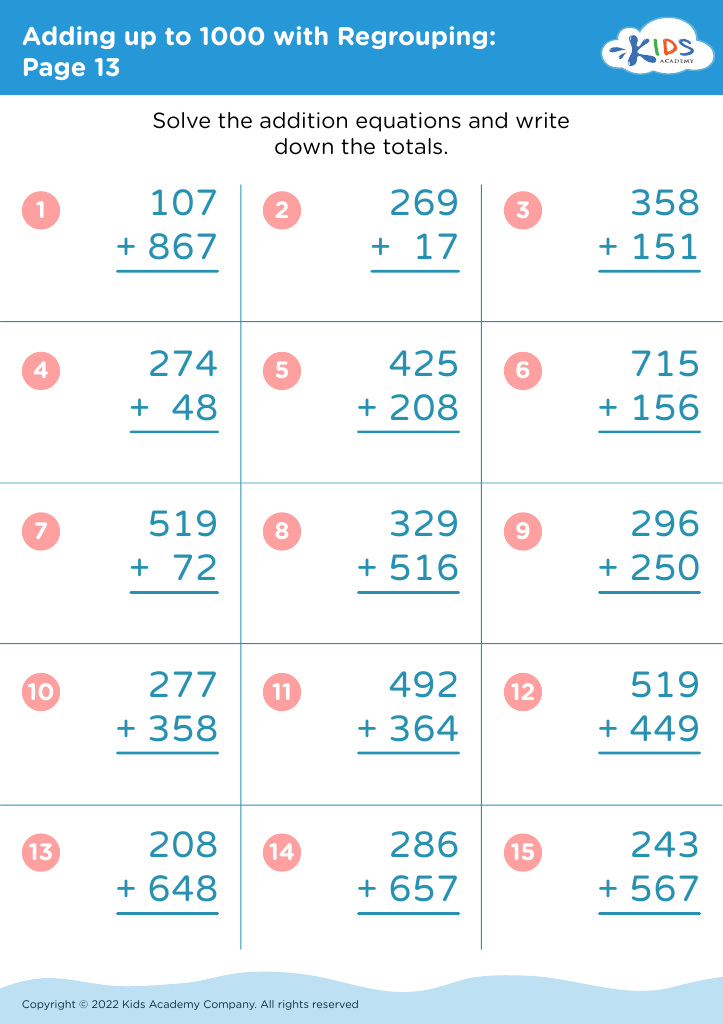
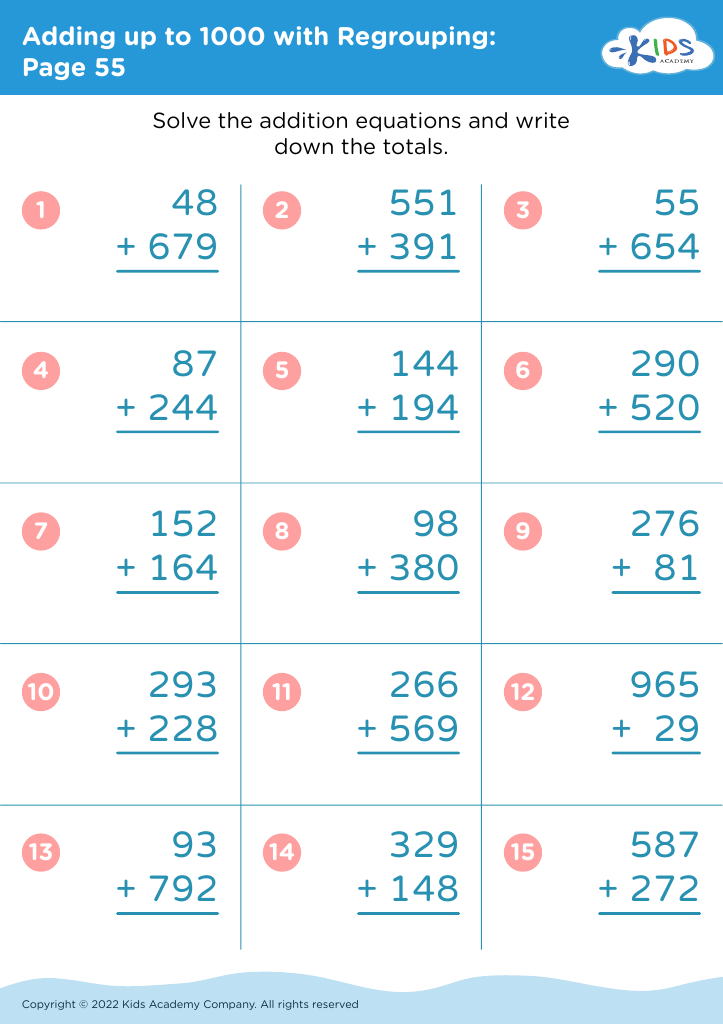
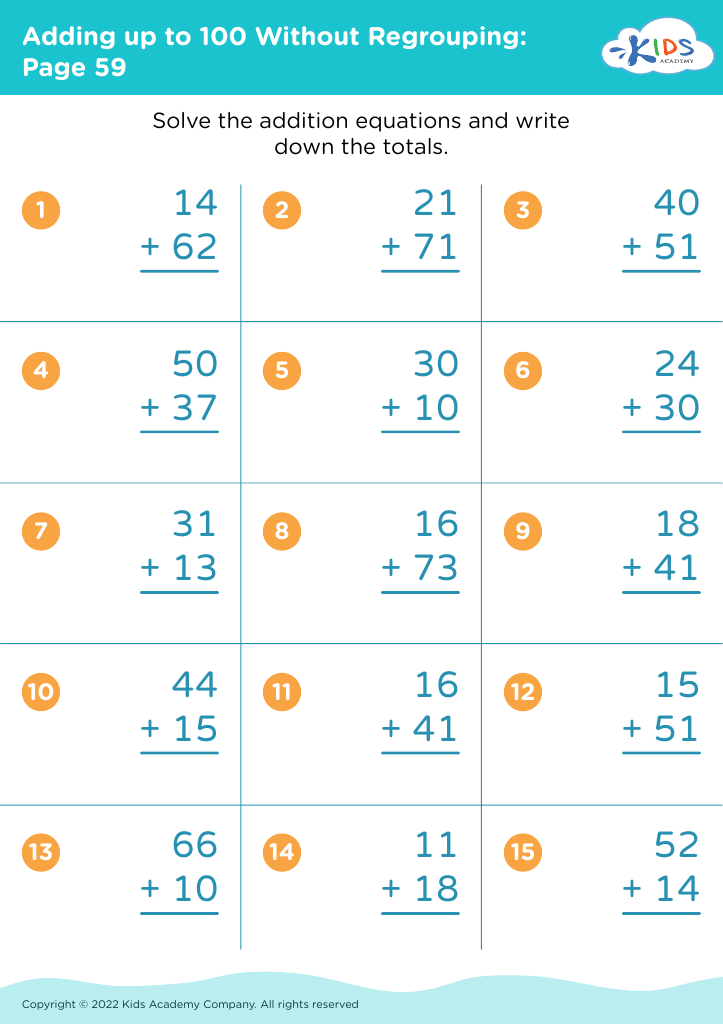
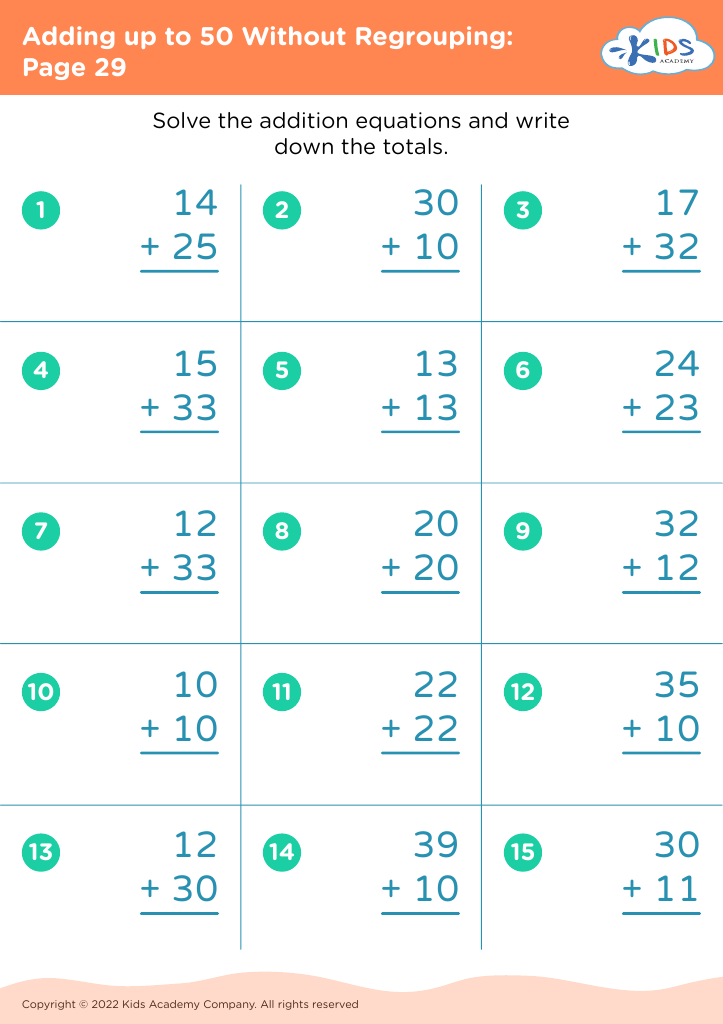
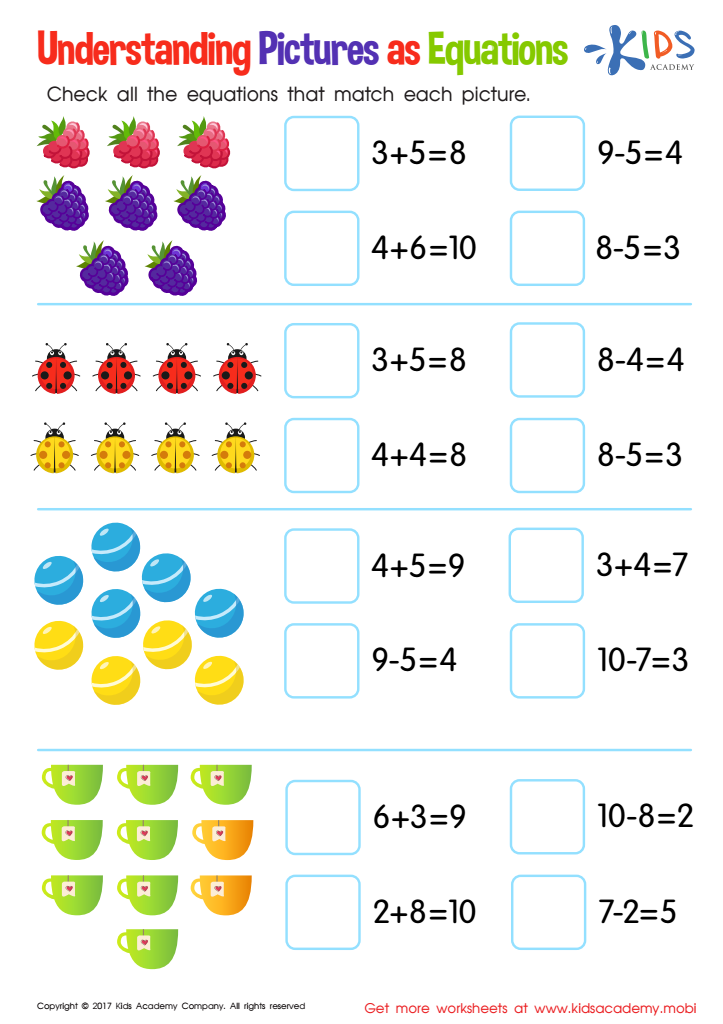
Understanding Pictures as Equations Worksheet
 Assign to My Students
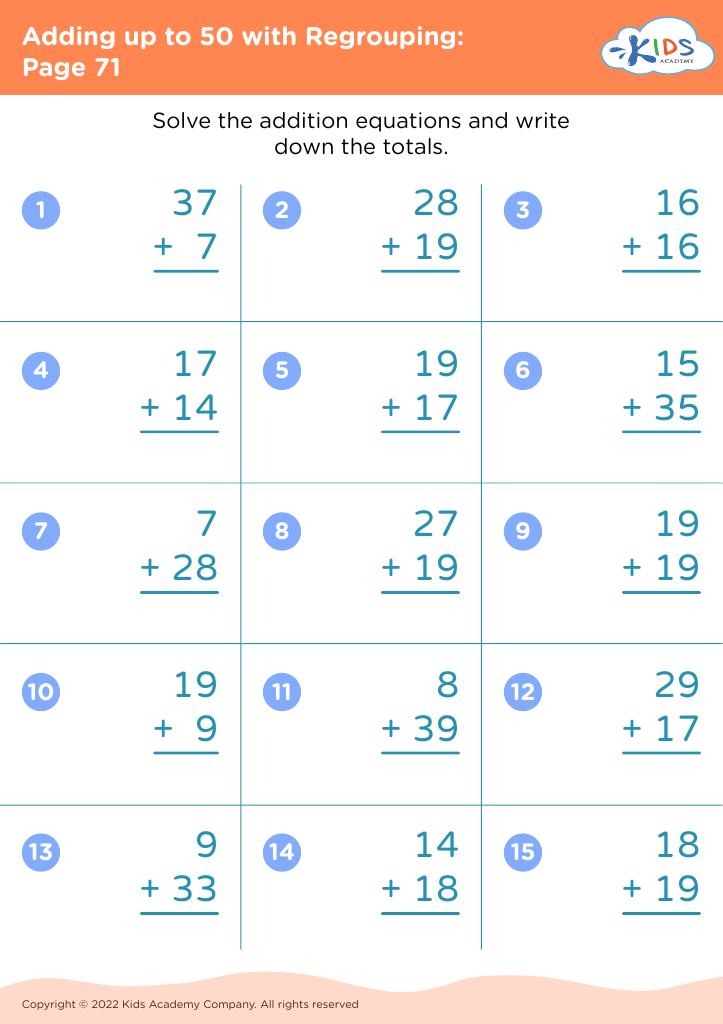
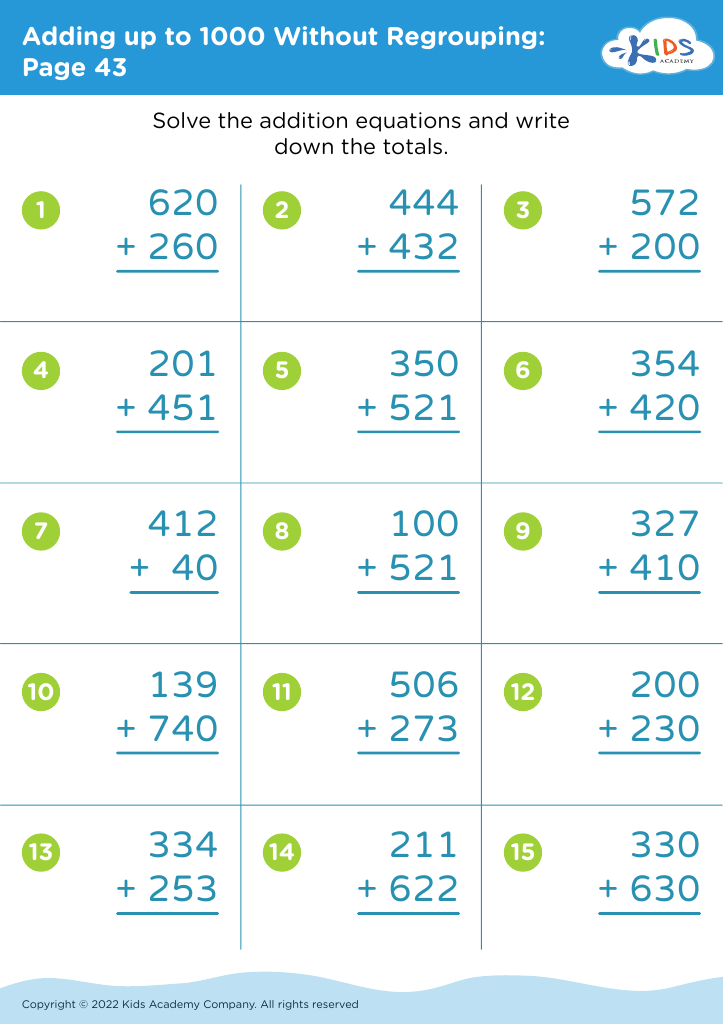
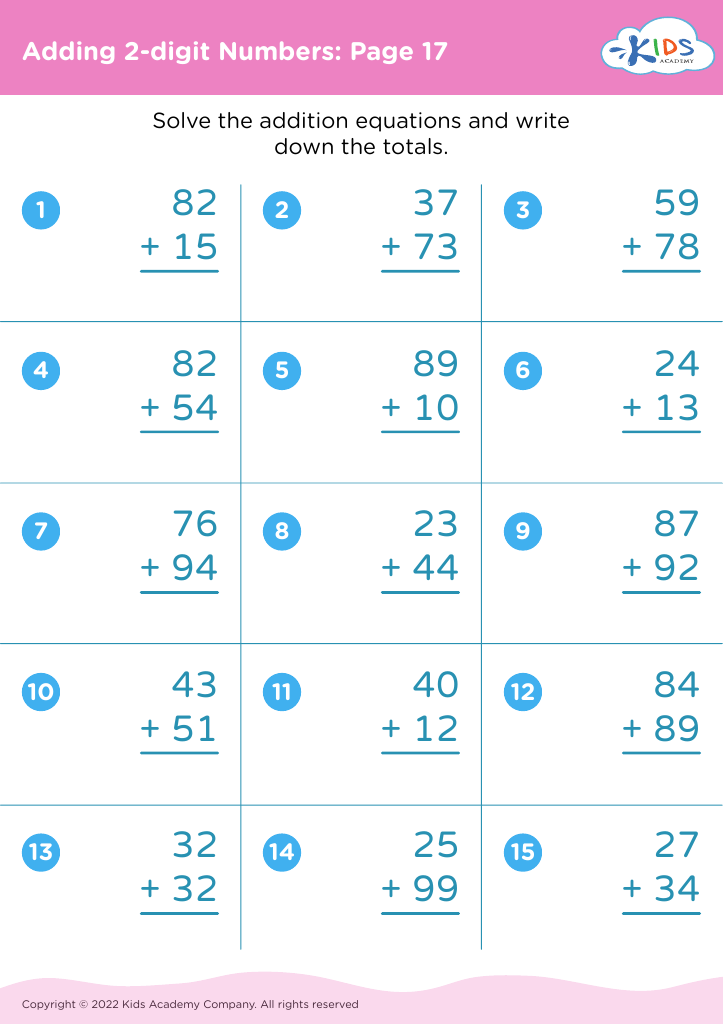
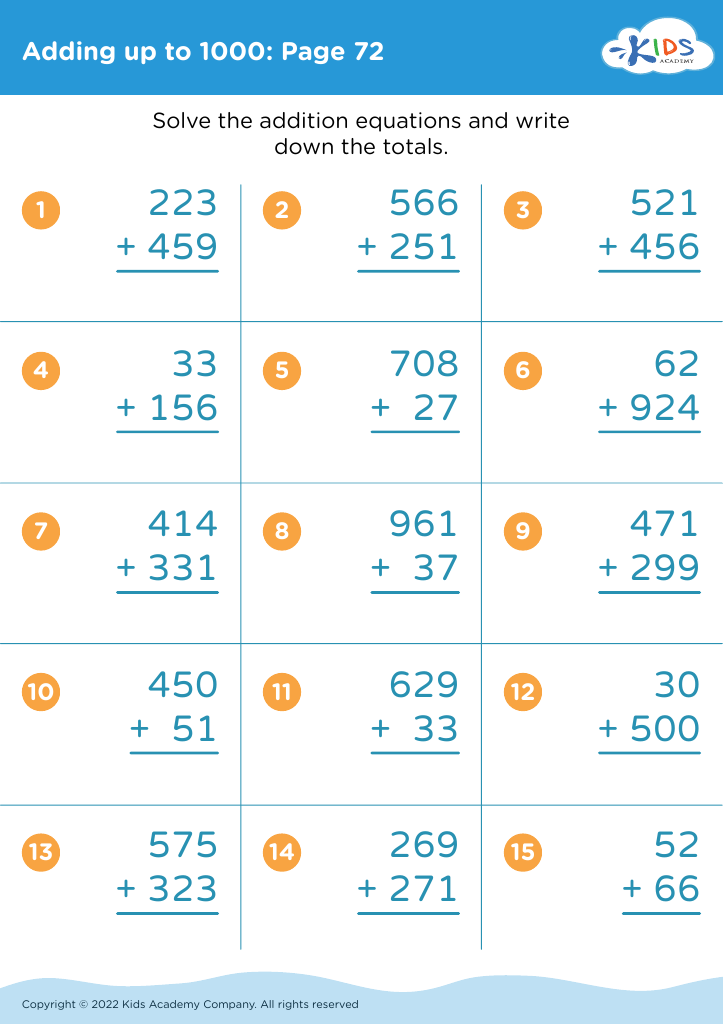
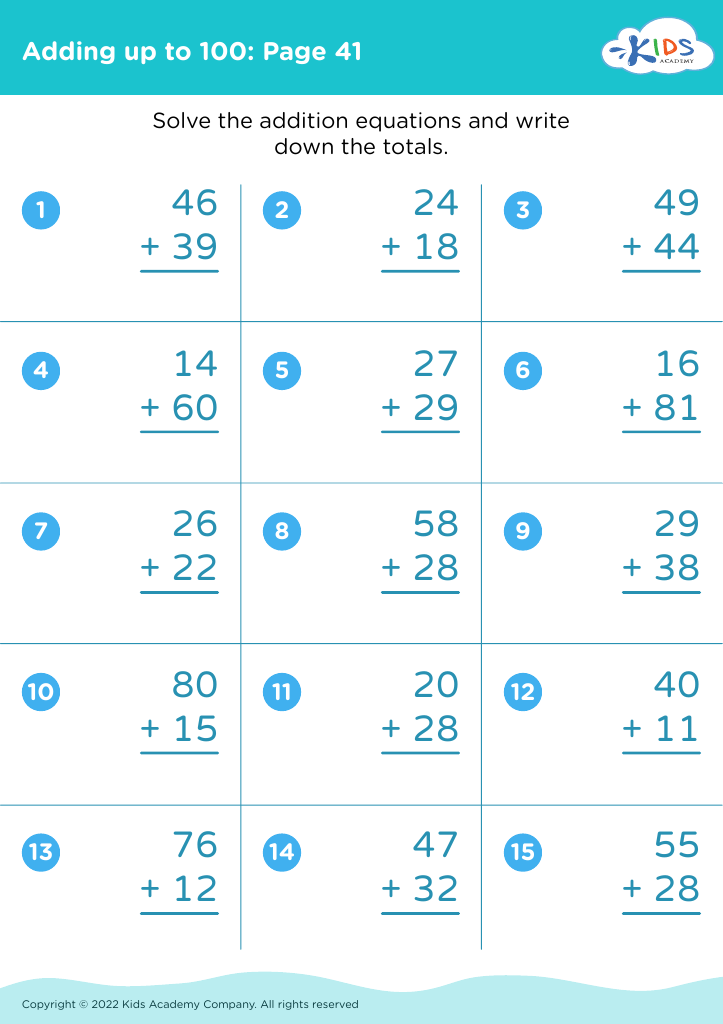
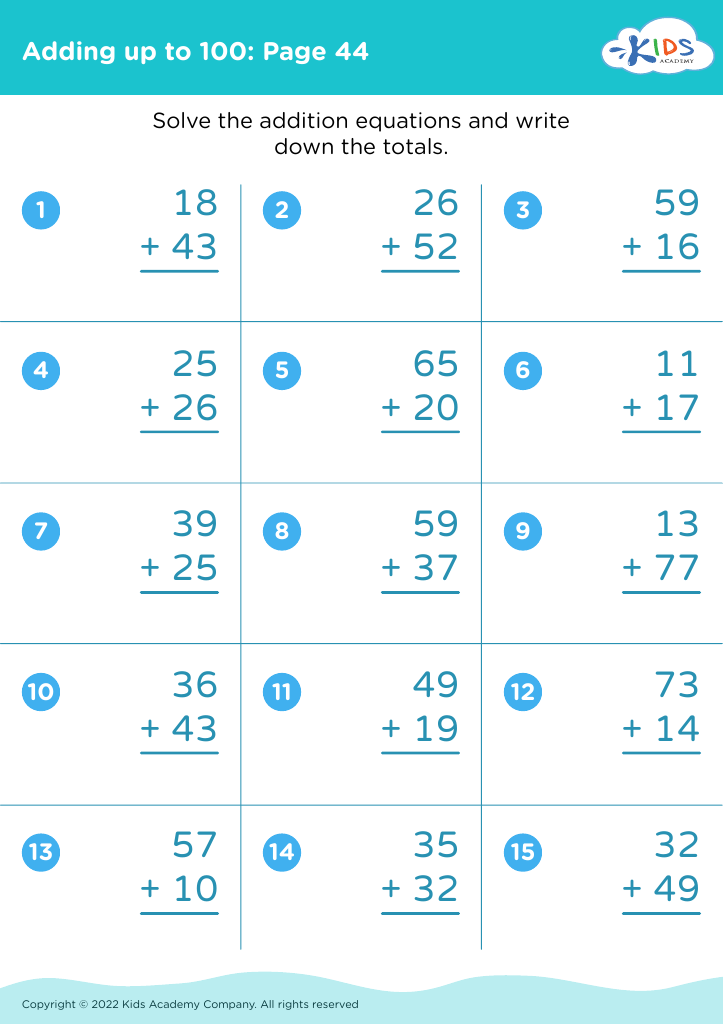








Recognizing patterns in addition and subtraction is vital for children aged 6-7 as it lays a robust foundation for their future mathematical development. At this age, children are starting to develop their number sense, an essential skill that enables them to understand and work with numbers effectively. By identifying patterns, children can expedite their problem-solving process and enhance their numerical fluency.
Understanding patterns helps children grasp key mathematical concepts such as the properties of operations, commutative and associative laws, and the relationship between addition and subtraction. For instance, recognizing that 3 + 2 = 5 can help a child understand that 5 - 3 = 2, illustrating the inverse relationship between addition and subtraction. This not only boosts their calculation accuracy but also reduces cognitive load, allowing for more efficient learning.
Moreover, pattern recognition enhances critical thinking and analytical skills. When children identify a pattern, they develop the ability to predict outcomes, solve problems logically, and understand the concept of sequences and larger numerical frameworks. This analytical approach is not only crucial for mathematics but also for everyday decision-making and problem-solving.
Therefore, parents and teachers should prioritize teaching and reinforcing the identification of patterns early on. It nurtures a strong mathematical foundation, fosters logical thinking, and effectively supports the child's educational journey and beyond.








