Shape Recognition Addition & Subtraction Worksheets for Ages 6-7
32 filtered results
-
From - To
Enhance your child's math skills with our engaging Shape Recognition Addition and Subtraction Worksheets, designed specifically for ages 6-7. These worksheets combine the concepts of basic arithmetic with geometric shapes, making learning both fun and interactive. As children solve problems involving addition and subtraction, they'll also identify and recognize various shapes, reinforcing their understanding of geometry. With vibrant visuals and age-appropriate exercises, these worksheets promote critical thinking and boost confidence in math. Perfect for classroom or home use, they provide essential practice for young learners. Download our worksheets today and watch your child's math abilities flourish while exploring the world of shapes!
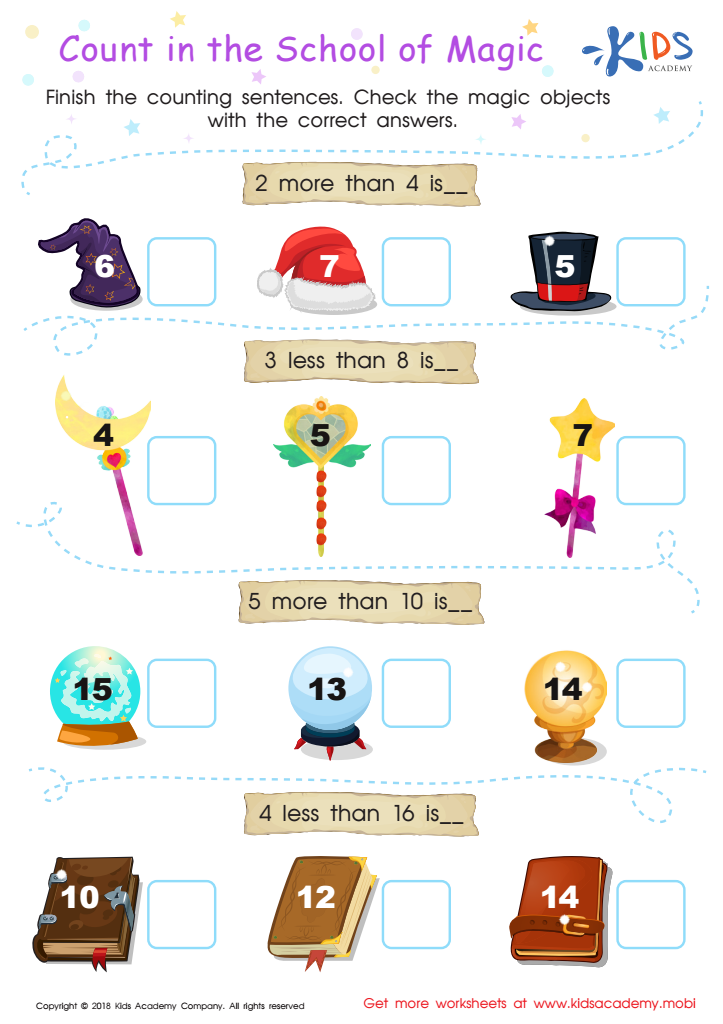
Count in the School of Magic Worksheet
 Assign to My Students
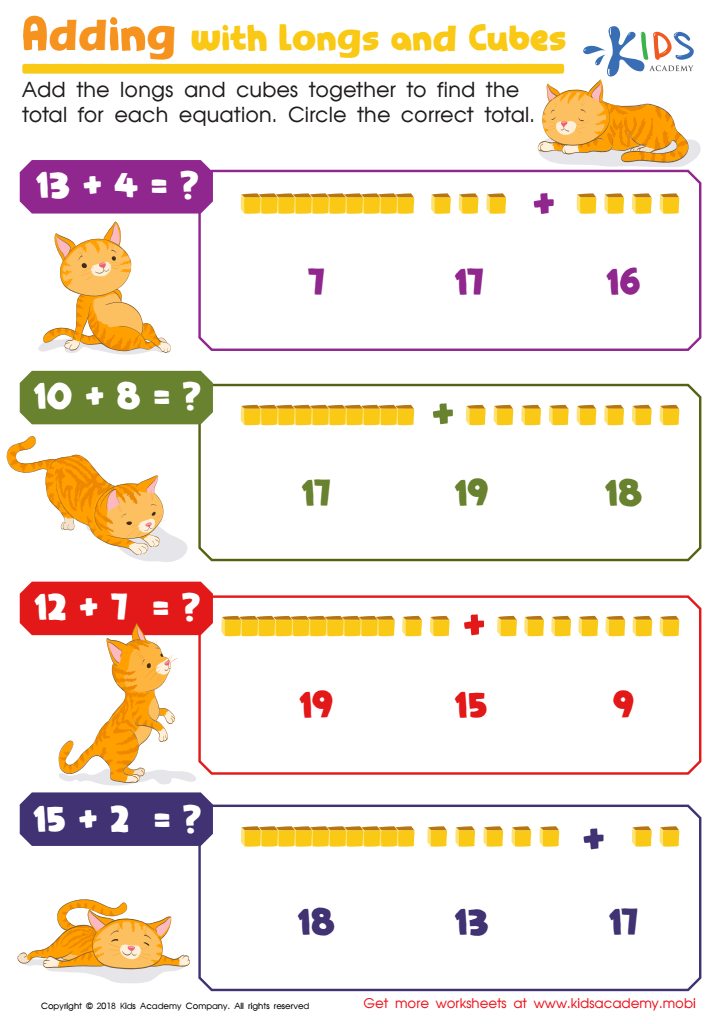
Adding With Longs and Cubes Worksheet
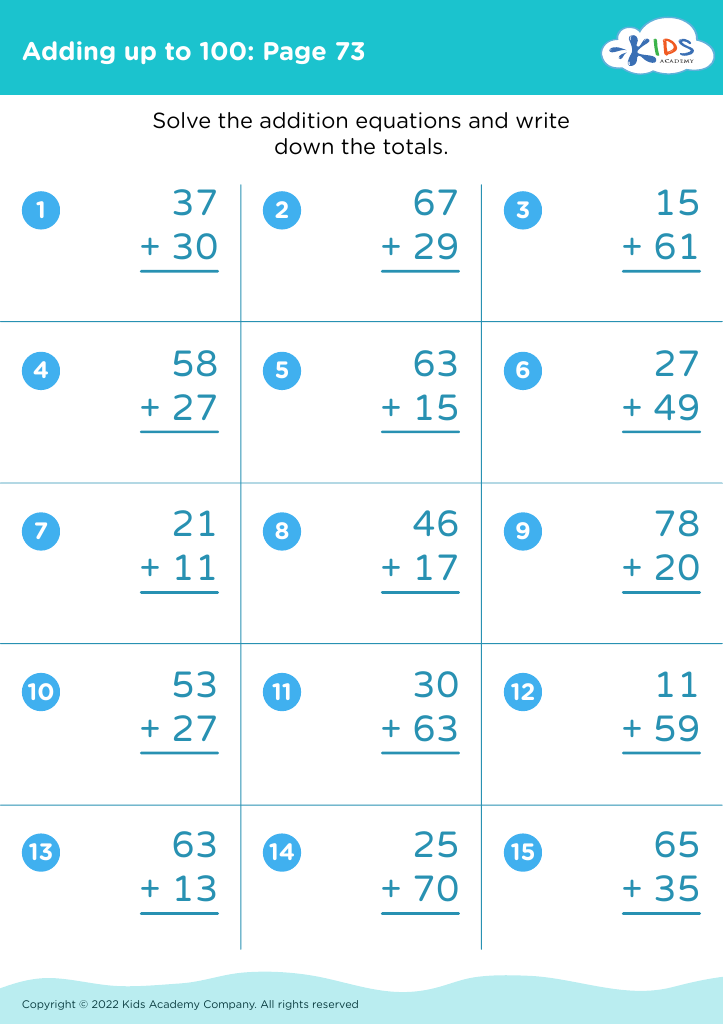
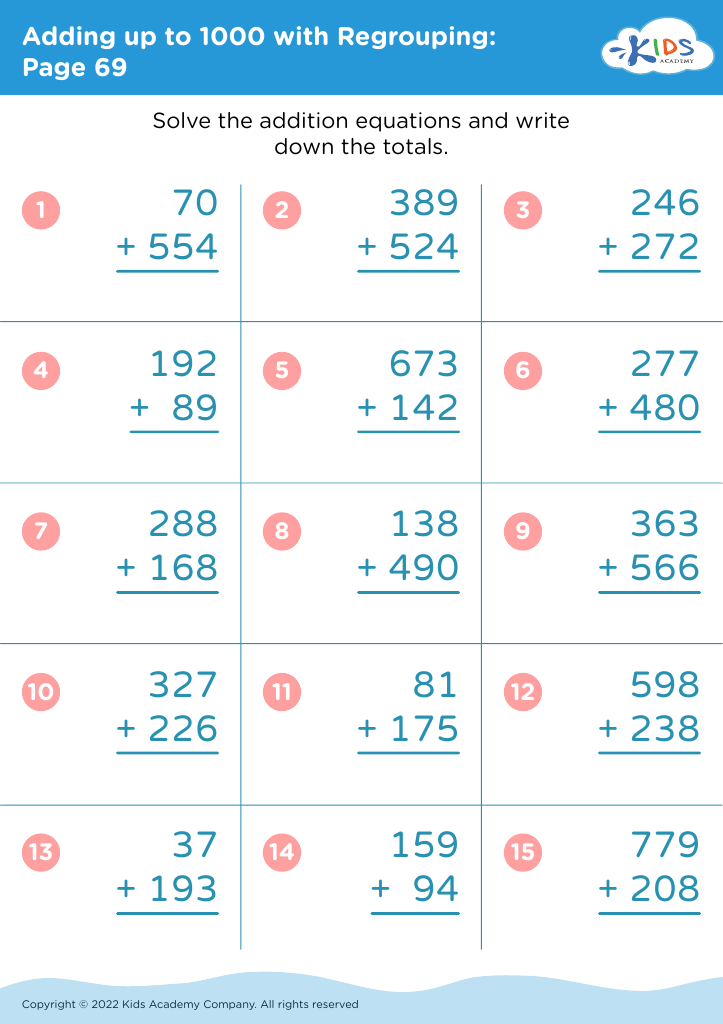
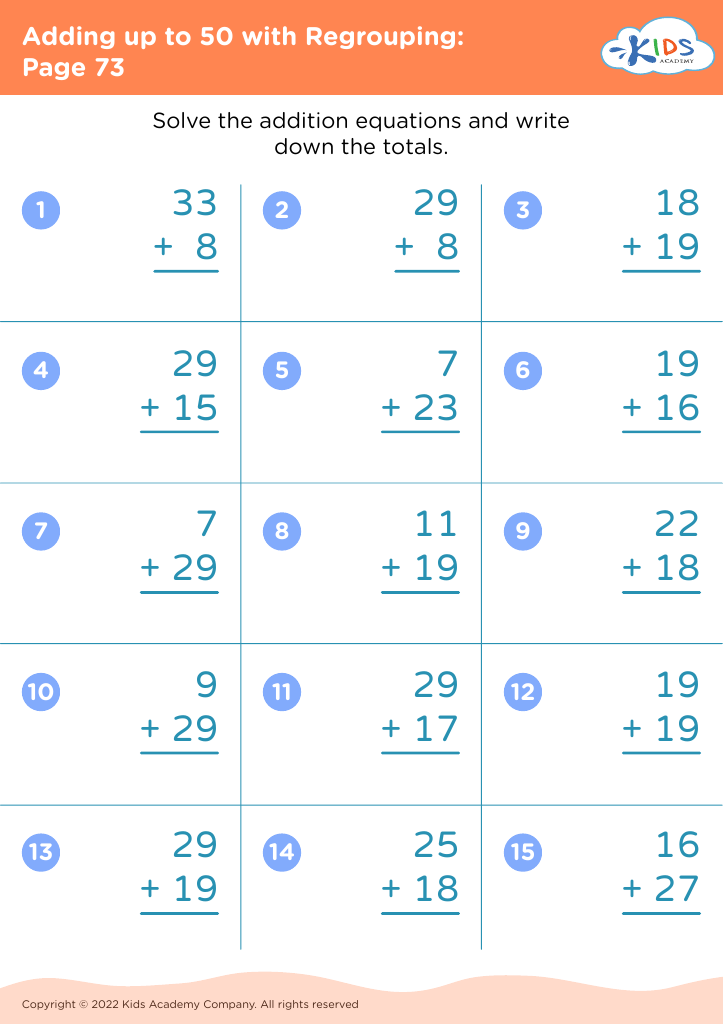
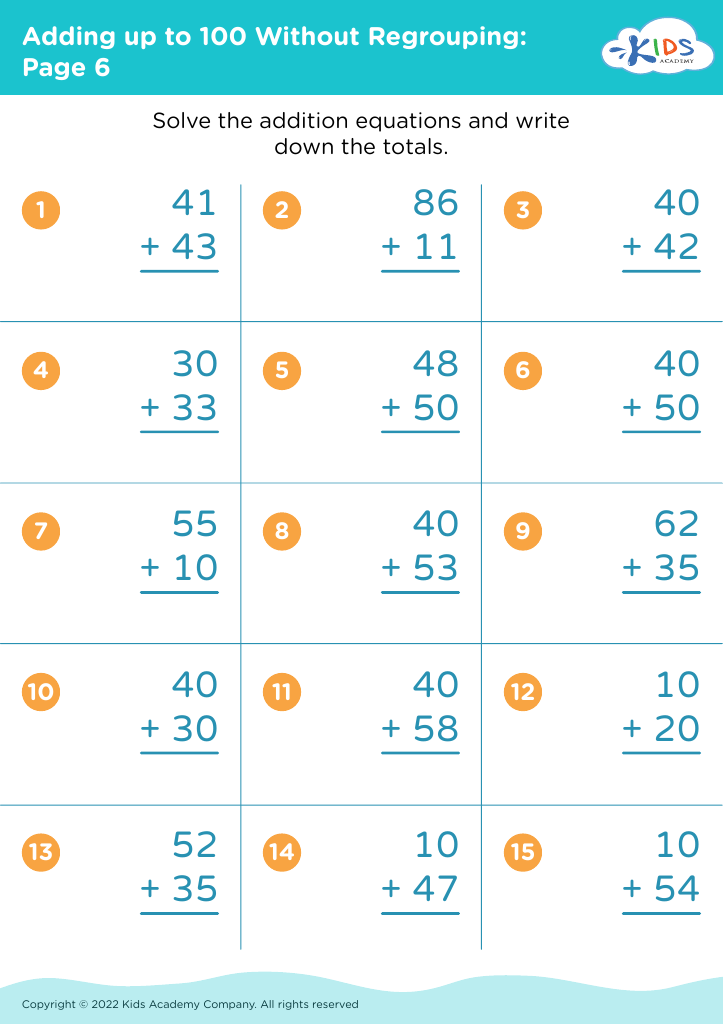








Shape recognition is crucial for children aged 6-7, particularly in enhancing their understanding of addition and subtraction. At this age, children not only develop numerical skills but also begin to link those skills with visual and spatial concepts. Recognizing shapes—like circles, squares, and triangles—helps children understand mathematical problems better as they can visualize and manipulate these figures during addition and subtraction exercises.
Teaching these concepts through shapes makes math more tangible and engaging. For instance, using blocks or drawn shapes allows children to physically count and manipulate items, making abstract mathematical concepts more concrete. This tactile interaction fosters deeper understanding and retention of mathematical principles.
Moreover, integrating shape recognition into math helps develop critical thinking and problem-solving skills as children learn to strategize their approach to these exercises. The effective use of shapes can also support differentiation in classrooms, allowing educators to provide various learning experiences tailored to individual needs.
Lastly, the integration of shape recognition into basic arithmetic paves the way for more advanced mathematical concepts later on, making it a foundational aspect of early education. Therefore, parents and teachers should prioritize this dual skill development to create well-rounded learners.








