Unlock the magic of fractions for budding mathematicians aged 6-7 with our engaging addition and subtraction worksheets. Designed by experts to complement early math curricula, these printable resources simplify complex concepts, making learning a fun adventure. Your child will discover the joy of solving fraction problems through vibrant visuals and relatable examples. Each worksheet features step-by-step instructions and interactive exercises to build a solid foundation in math. Join our community of learners and watch as your child's confidence and skills soar with Kids Academy’s easy-to-follow fraction addition and subtraction worksheets!
Check out this FREE Trial Lesson on Addition & Subtraction for age 6-7!

Match Exactly the Same

Favorites
With answer key
Interactive
  • 6-7
  • Understand fractions
  • Addition & Subtraction
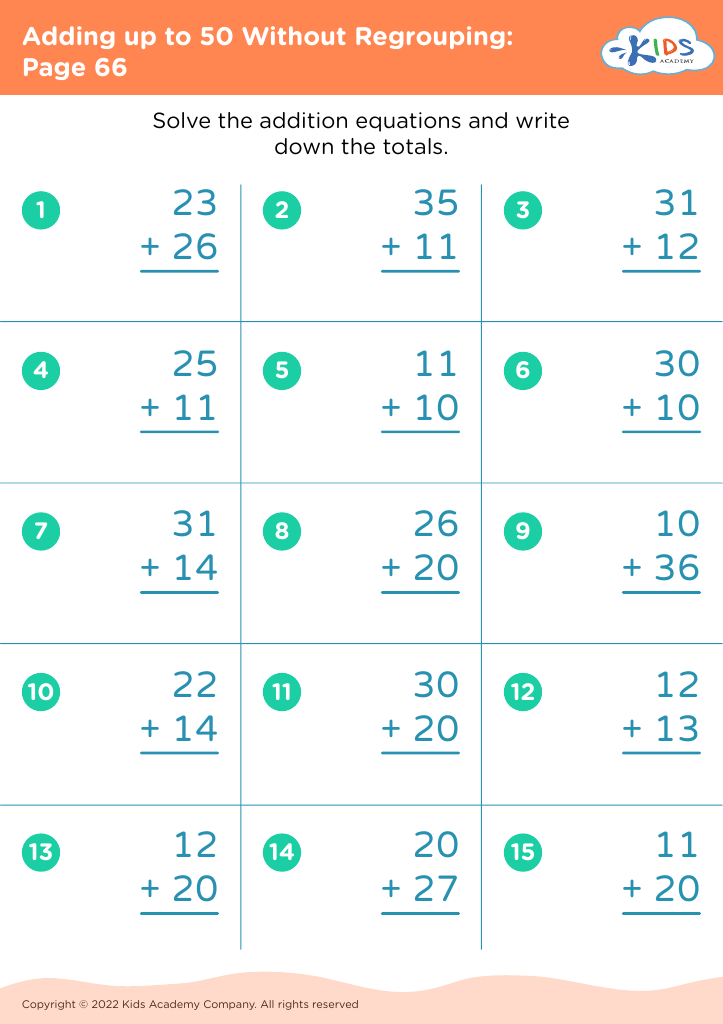
Adding up to 50 Without Regrouping: Page 66
Worksheet
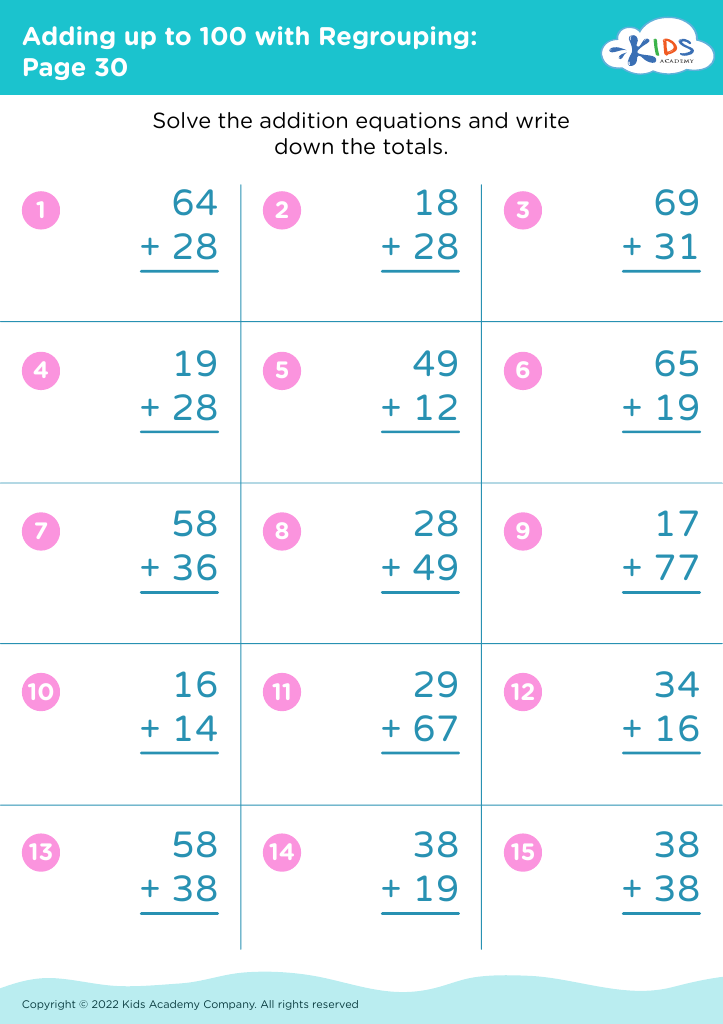
Adding up to 100 with Regrouping: Page 30
Worksheet
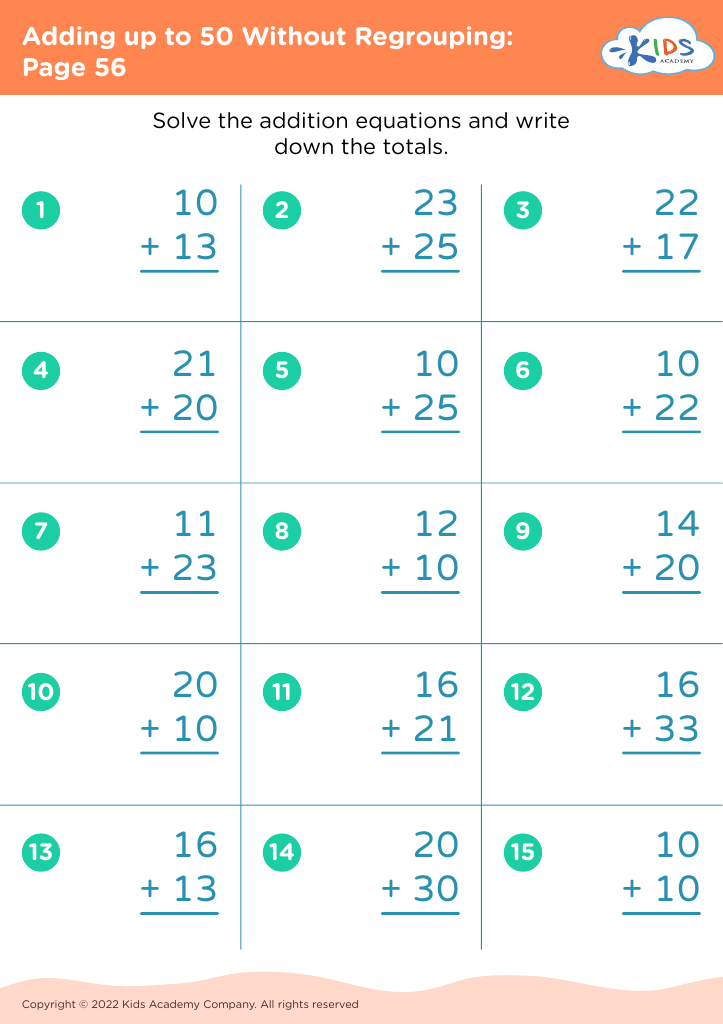
Adding up to 50 Without Regrouping: Page 56
Worksheet
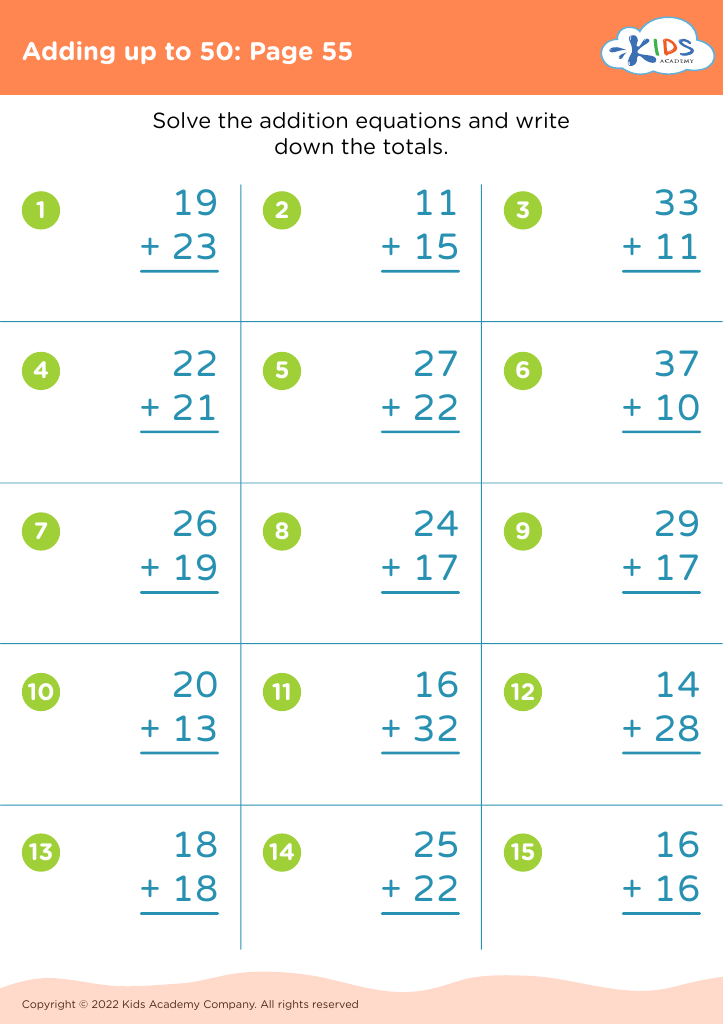
Adding up to 50: Page 55

Adding up to 50: Page 55

Adding up to 50: Page 55
Worksheet
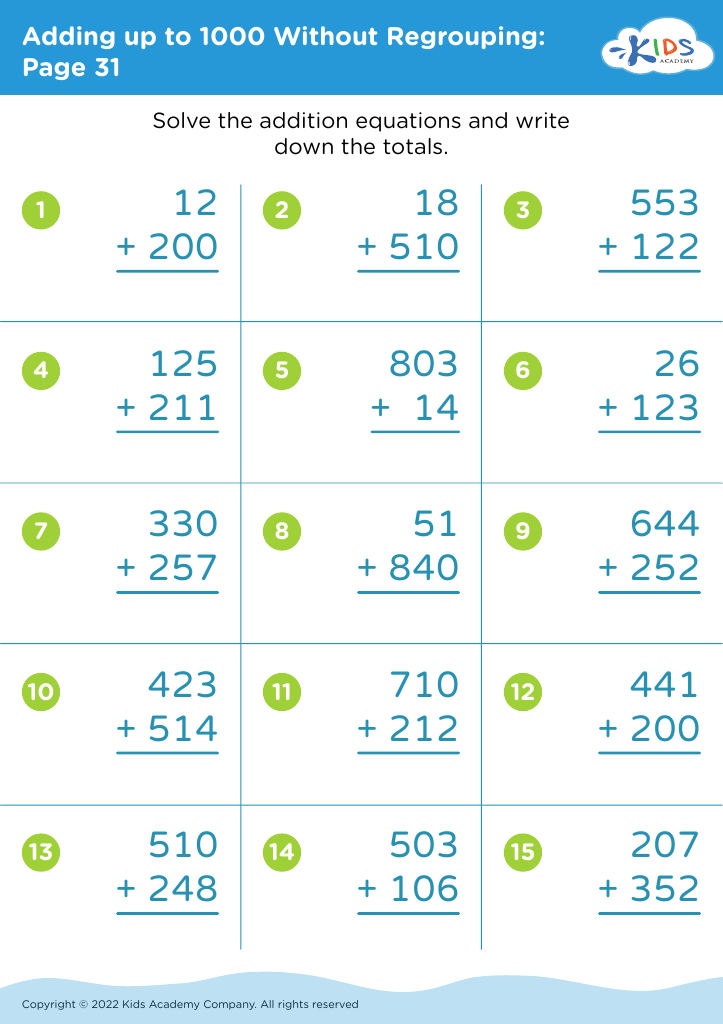
Adding up to 1000 Without Regrouping: Page 31
Worksheet
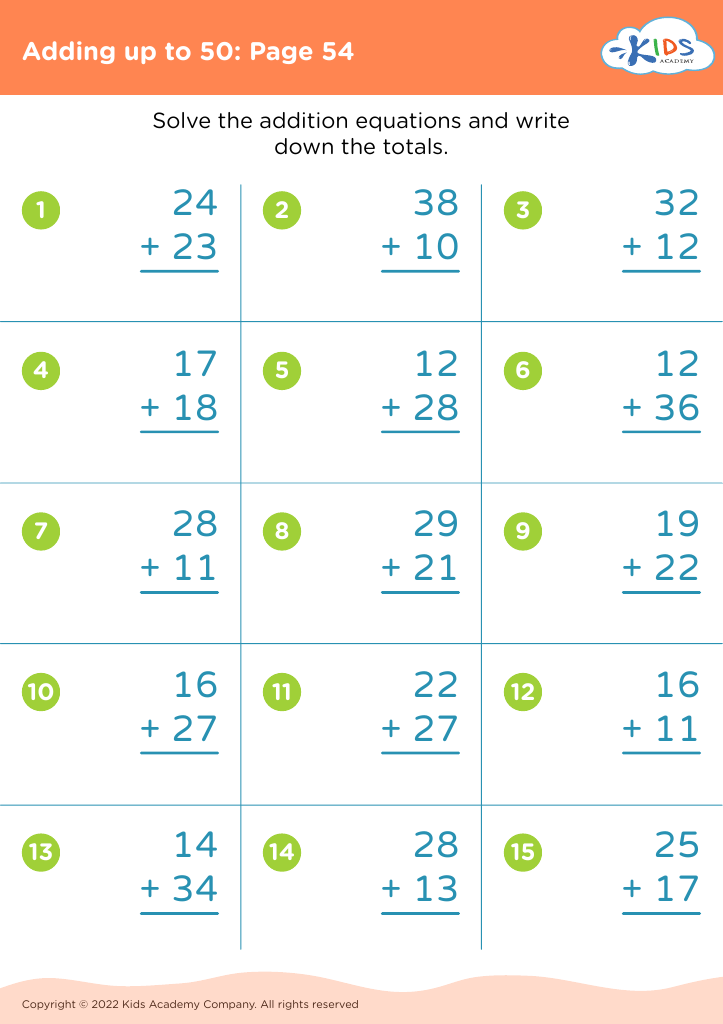
Adding up to 50: Page 54

Adding up to 50: Page 54

Adding up to 50: Page 54
Worksheet
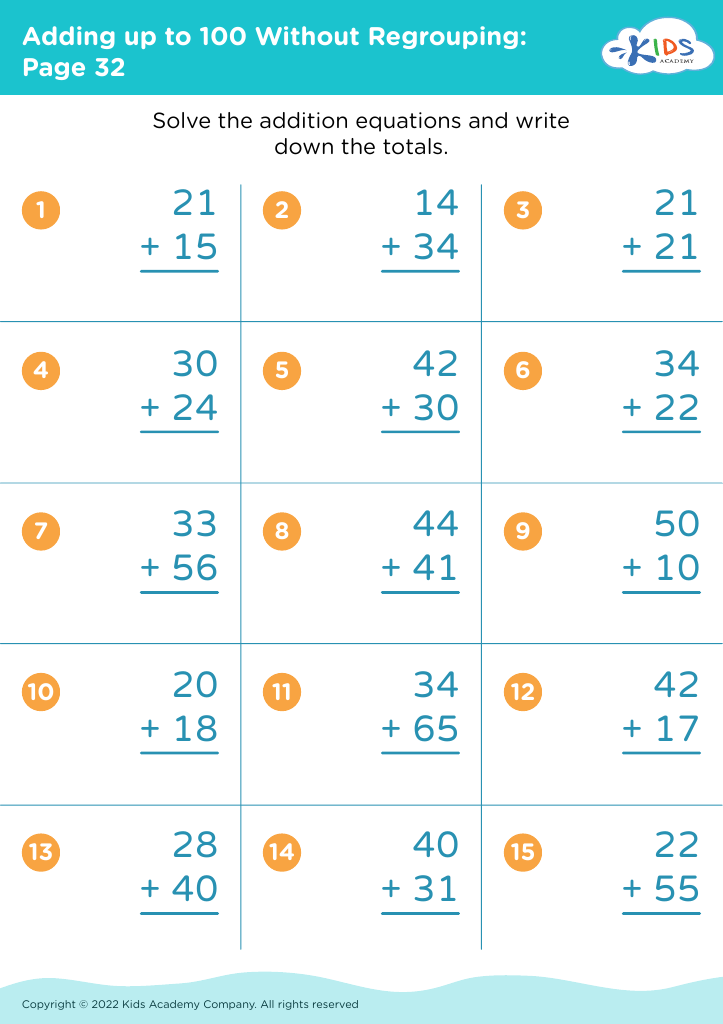
Adding up to 100 Without Regrouping: Page 32
Worksheet
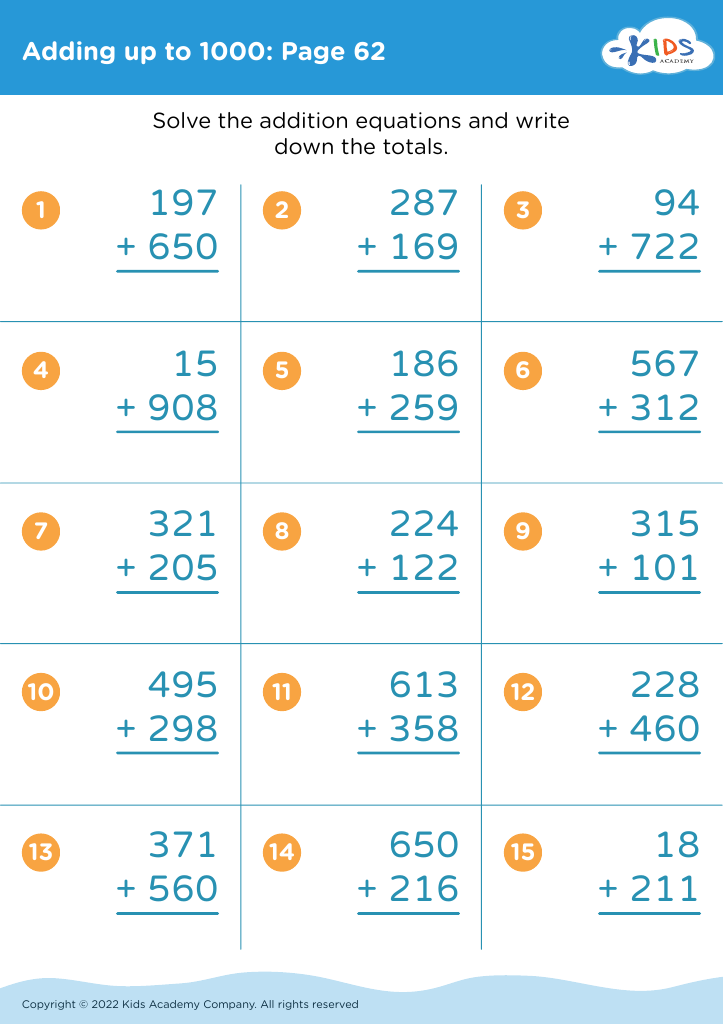
Adding up to 1000: Page 62

Adding up to 1000: Page 62

Adding up to 1000: Page 62
Worksheet
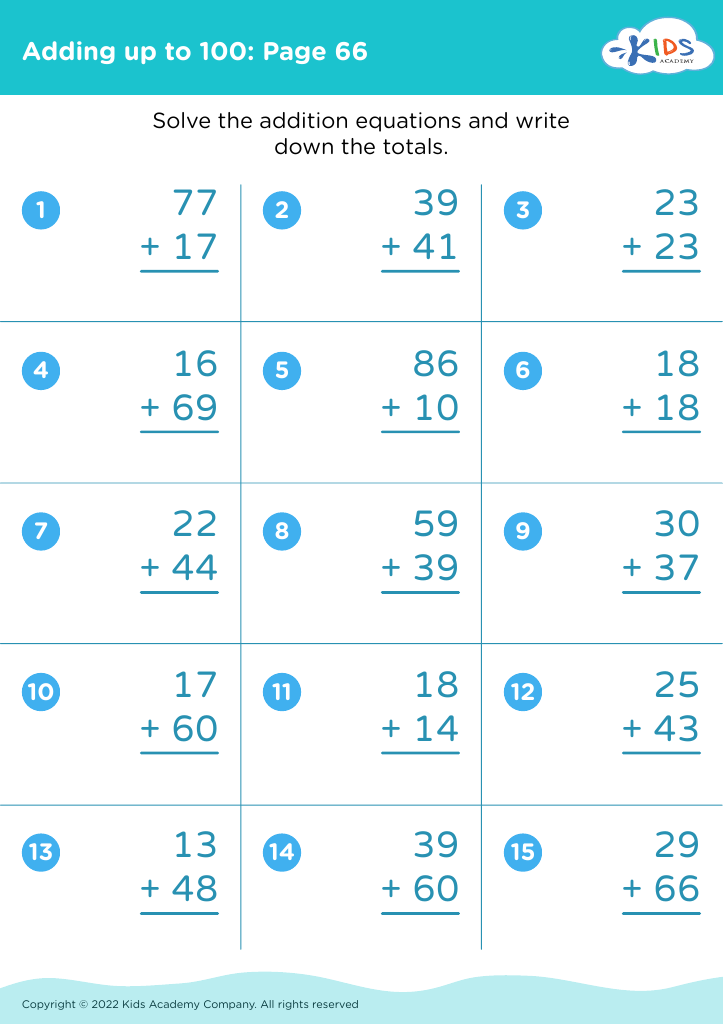
Adding up to 100: Page 66

Adding up to 100: Page 66

Adding up to 100: Page 66
Worksheet
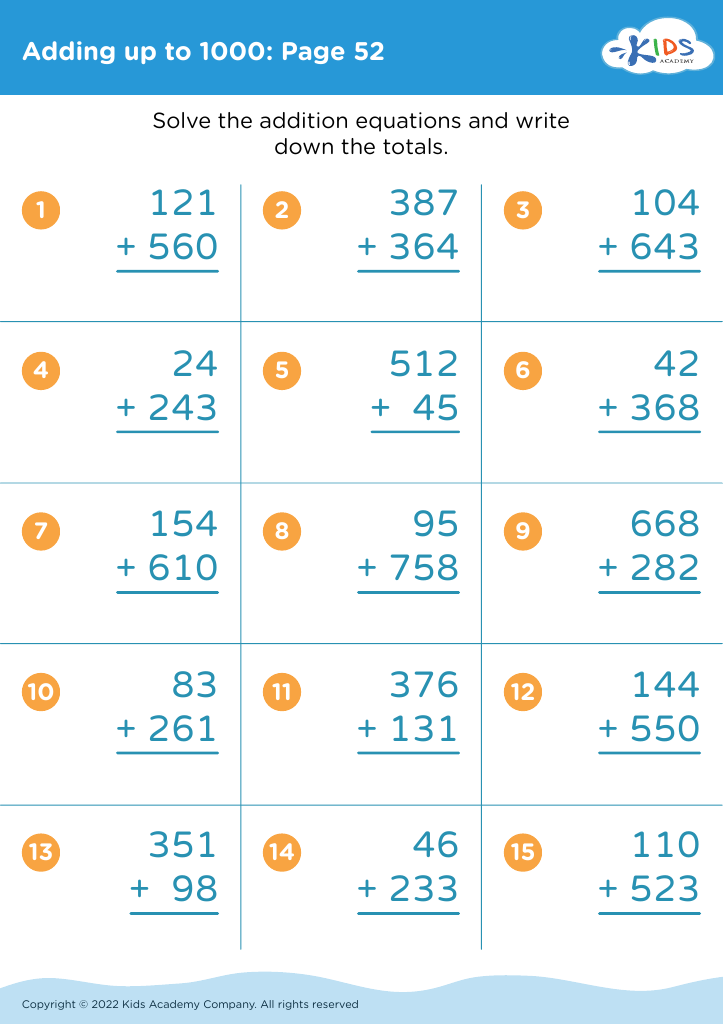
Adding up to 1000: Page 52

Adding up to 1000: Page 52

Adding up to 1000: Page 52
Worksheet
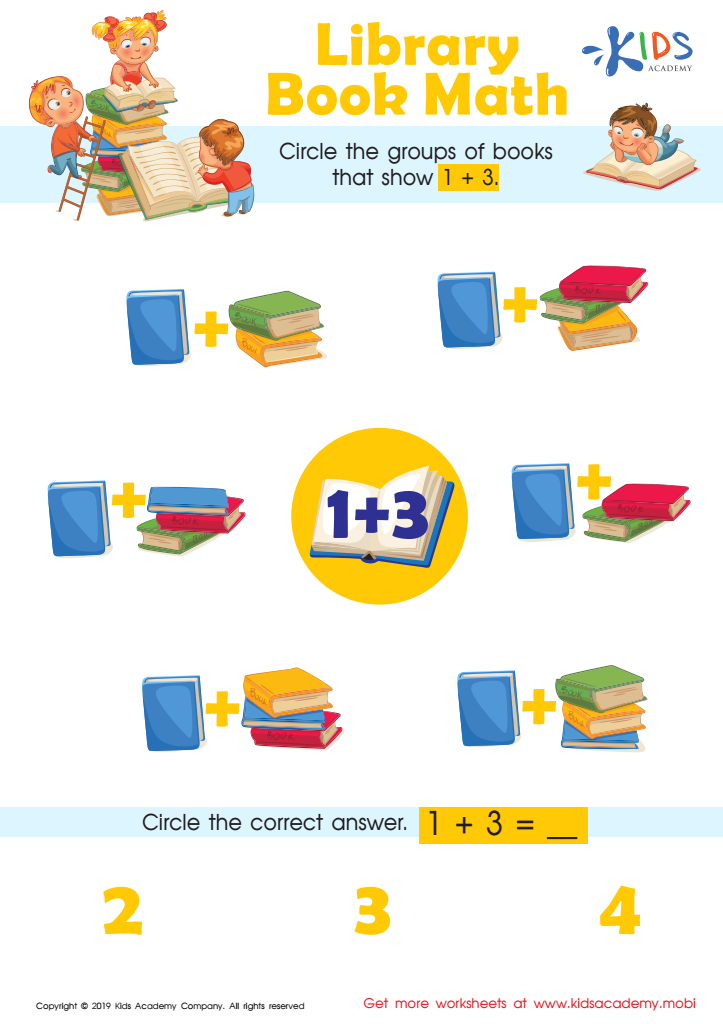
Library Book Math Worksheet

Library Book Math Worksheet

=4. It's essential for your child's growth to know how to count and add. Help them by giving simple tasks and encouraging them. This worksheet is a great tool to use. Ask your kids to name the objects in the picture and help them circle the groups of books that show 1+3=4.
Library Book Math Worksheet
Worksheet
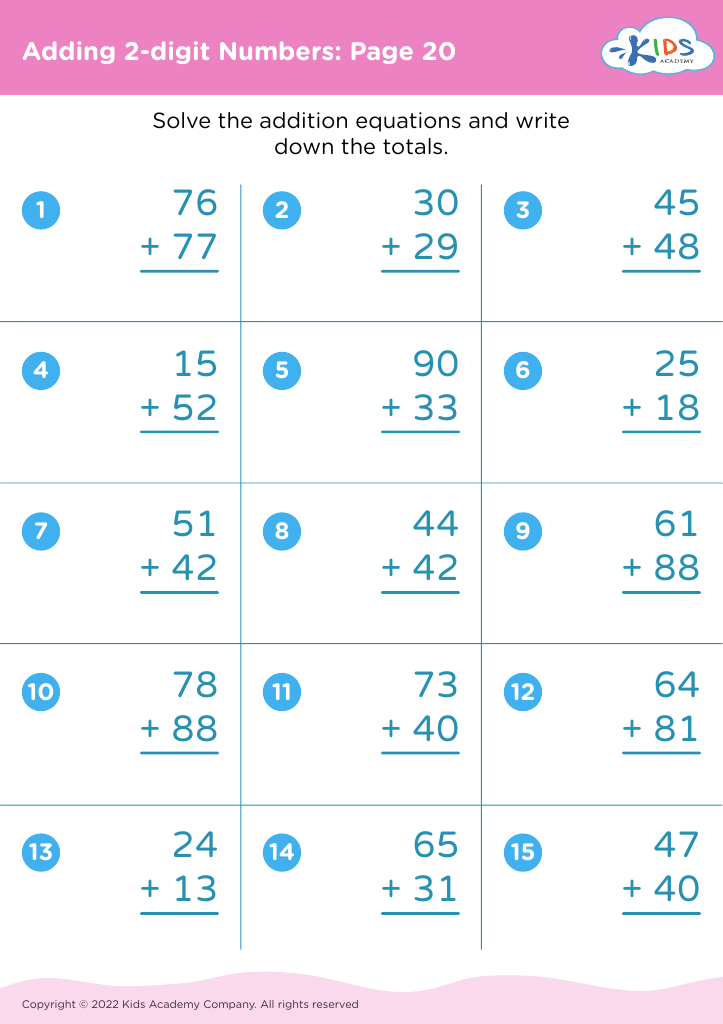
Adding 2-digit Numbers: Page 20

Adding 2-digit Numbers: Page 20

Adding 2-digit Numbers: Page 20
Worksheet
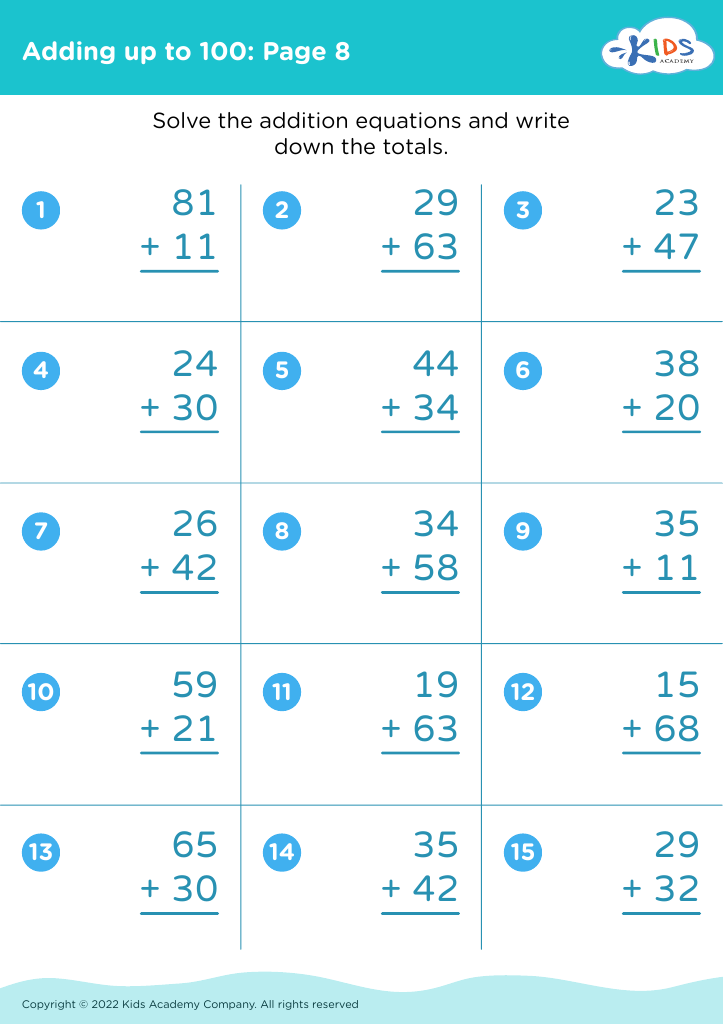
Adding up to 100: Page 8

Adding up to 100: Page 8

Adding up to 100: Page 8
Worksheet
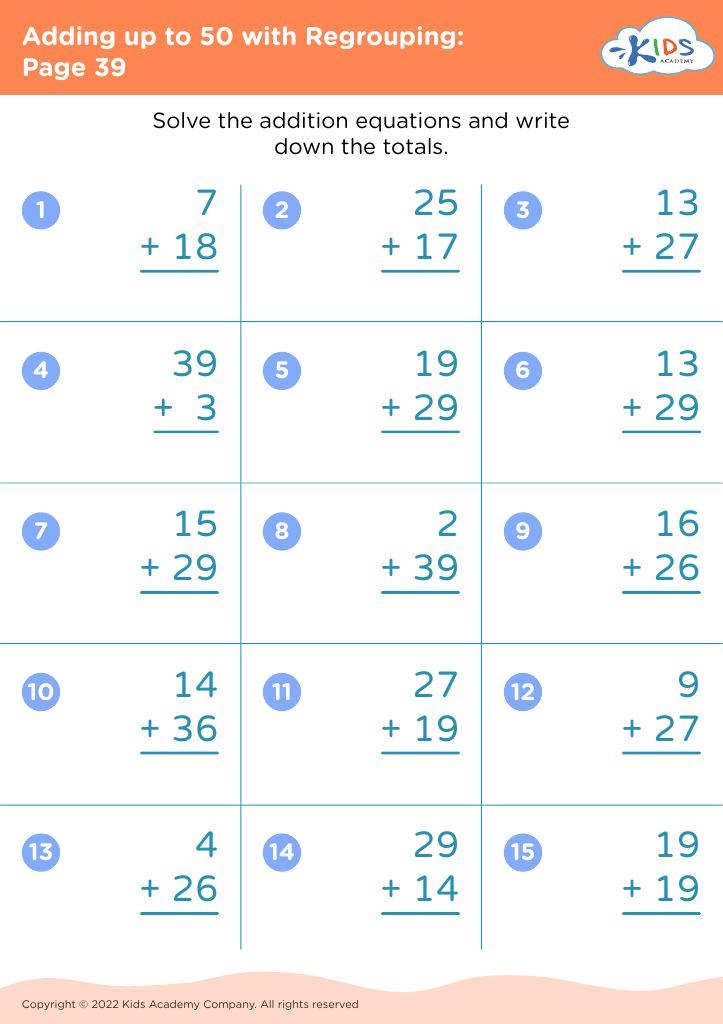
Adding up to 50 with Regrouping: Page 39
Worksheet
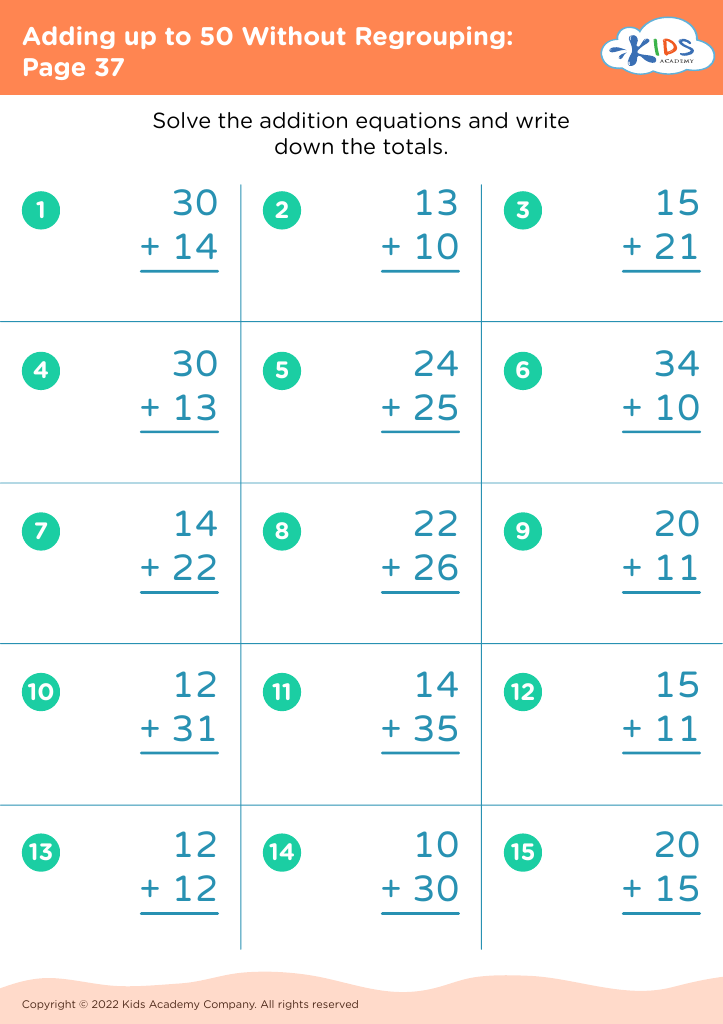
Adding up to 50 Without Regrouping: Page 37
Worksheet
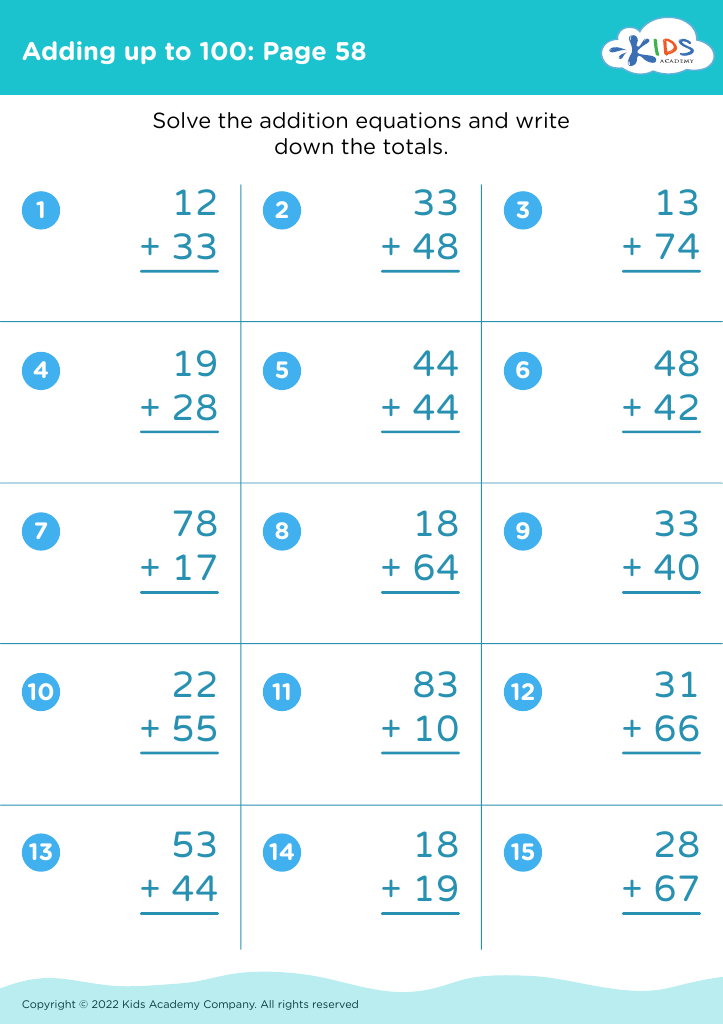
Adding up to 100: Page 58

Adding up to 100: Page 58

Adding up to 100: Page 58
Worksheet
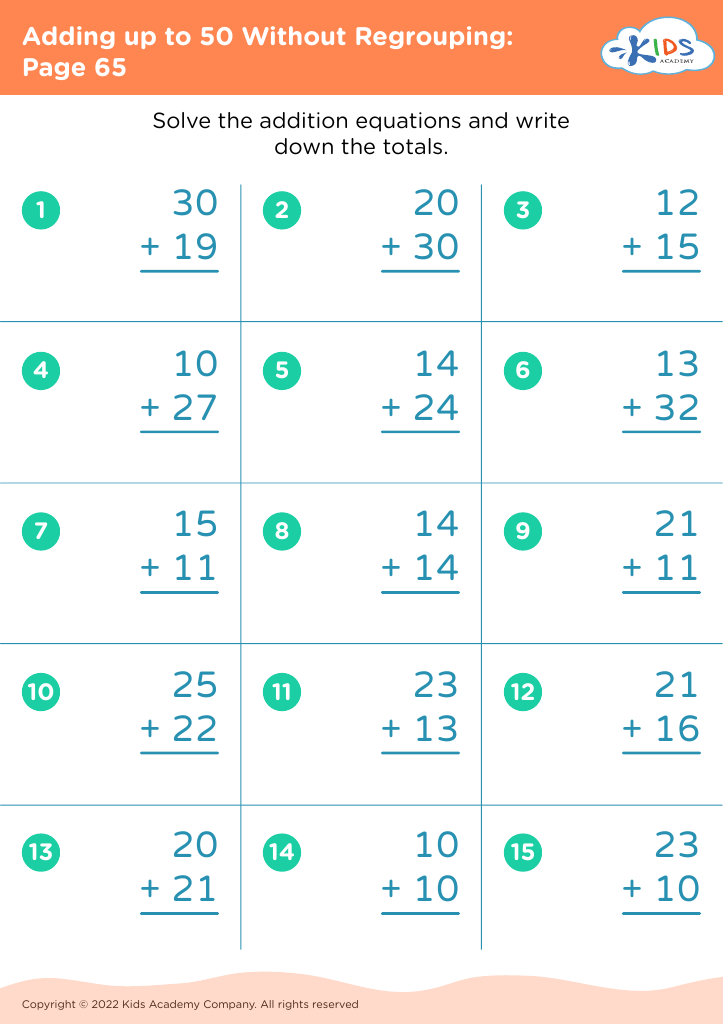
Adding up to 50 Without Regrouping: Page 65
Worksheet
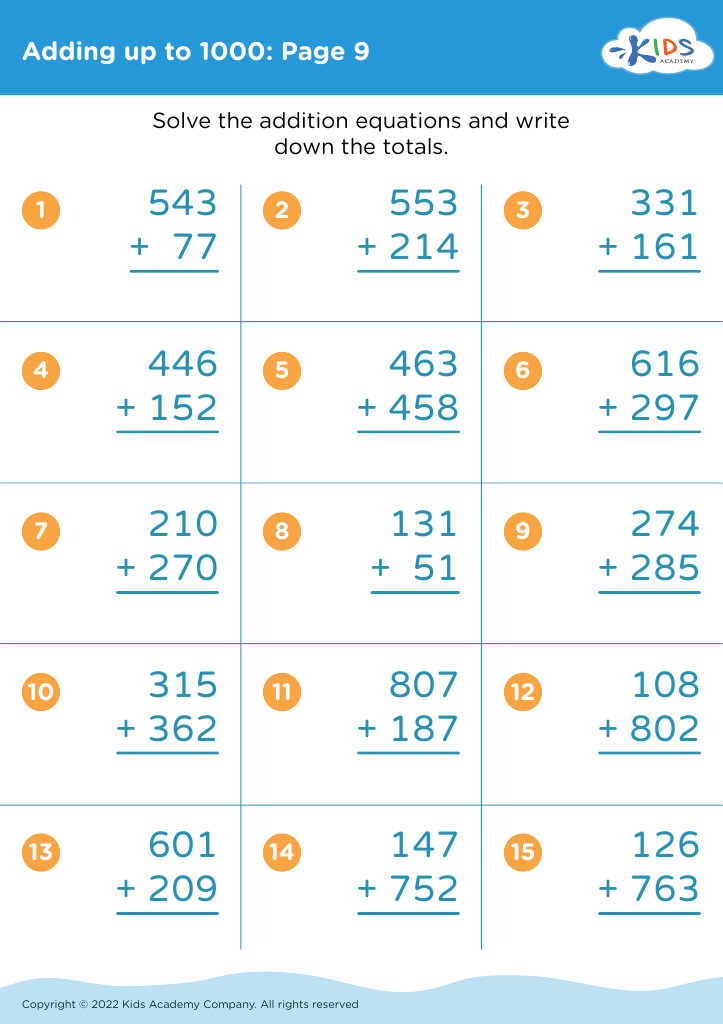
Adding up to 1000: Page 9

Adding up to 1000: Page 9

Adding up to 1000: Page 9
Worksheet
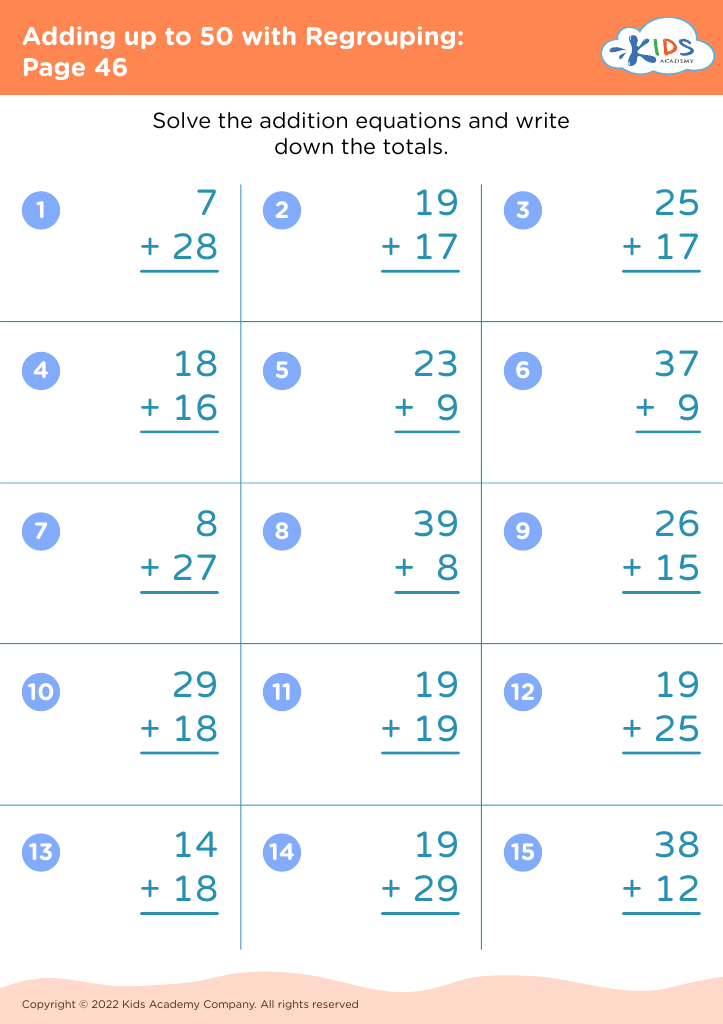
Adding up to 50 with Regrouping: Page 46
Worksheet
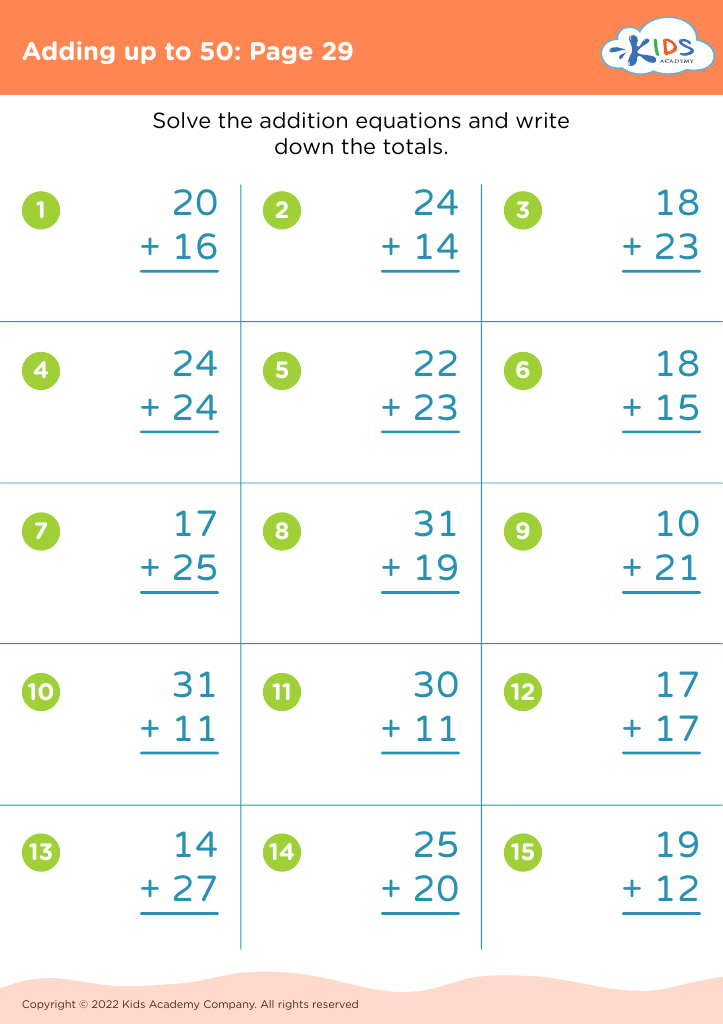
Adding up to 50: Page 29

Adding up to 50: Page 29

Adding up to 50: Page 29
Worksheet


Understanding fractions addition and subtraction at ages 6-7 lays a crucial foundation for mathematical literacy and future academic success. At this age, children are transitioning from simple arithmetic to more complex concepts, and introducing fractions helps them appreciate different parts of a whole. Parents and teachers should care about these early lessons because they cultivate critical thinking and problem-solving skills. Children learn to identify patterns, compare quantities, and understand proportionality, which extends beyond math to science, art, and everyday life tasks like cooking or dividing resources.

Furthermore, mastering fractions enhances cognitive development by stimulating logical reasoning abilities. It primes young minds for higher-level math, such as algebra and geometry, that they will encounter in later grades. Early struggles with basic fractions can lead to math anxiety, making it crucial for parents and teachers to provide supportive, engaging, and encouraging environments for learning these concepts.

Lastly, proficiency in fractions builds confidence. When children grasp these challenging aspects of math early on, they feel more competent and motivated. Feeling capable in math translates to greater overall academic confidence, supporting a positive attitude toward school and lifelong learning. Thus, investing time and resources in teaching fractions effectively is immensely valuable for a child's educational journey.