Filters

83 filtered results

Clear all filters
Favorites
With answer key
Interactive

83 filtered results

Difficulty Level

Grade


Check out this FREE Trial Lesson on Addition for age 6-7!

Short and Long Vowel Sort

Favorites
With answer key
Interactive
  • 6-7
  • Comparing Fractions
  • Addition
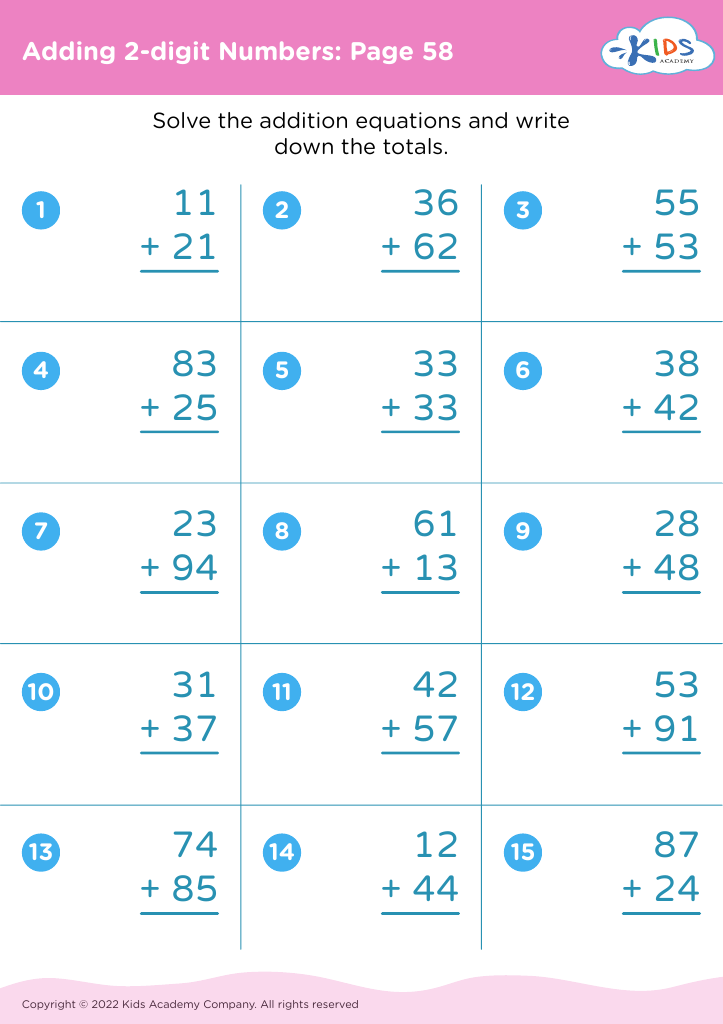
Adding 2-digit Numbers: Page 58

Adding 2-digit Numbers: Page 58

Adding 2-digit Numbers: Page 58
Worksheet
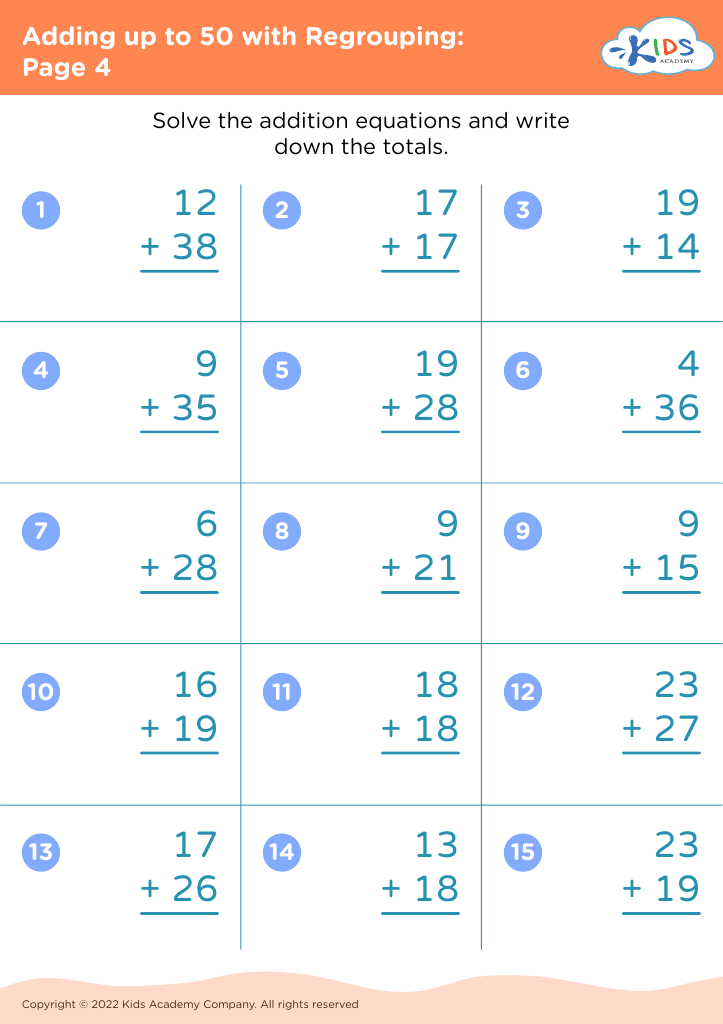
Adding up to 50 with Regrouping: Page 4
Worksheet
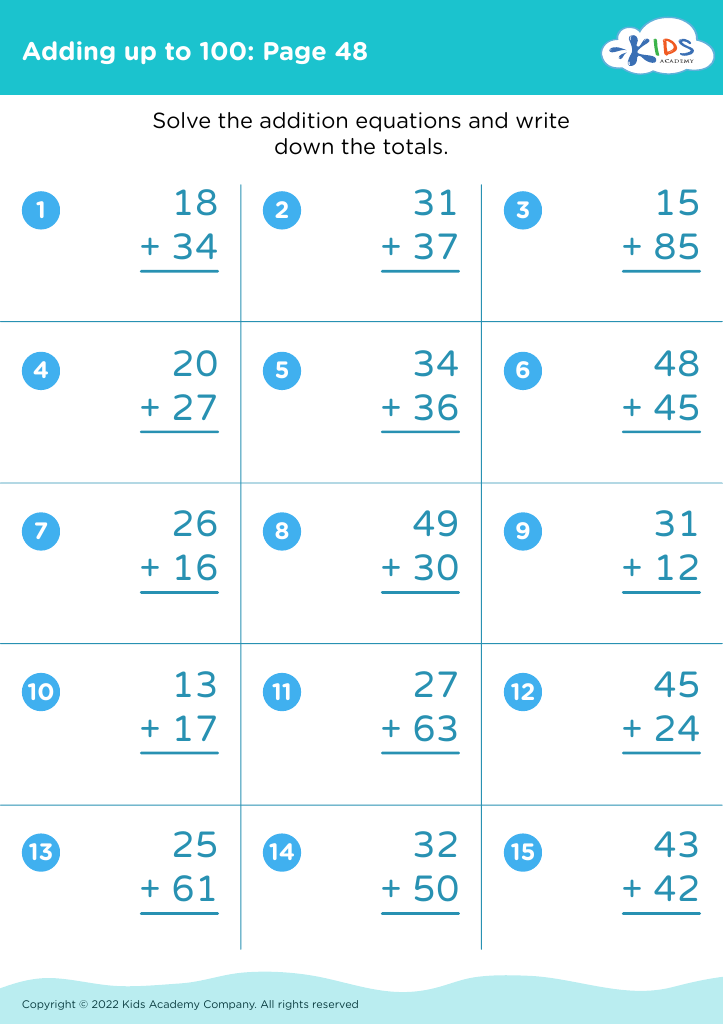
Adding up to 100: Page 48

Adding up to 100: Page 48

Adding up to 100: Page 48
Worksheet
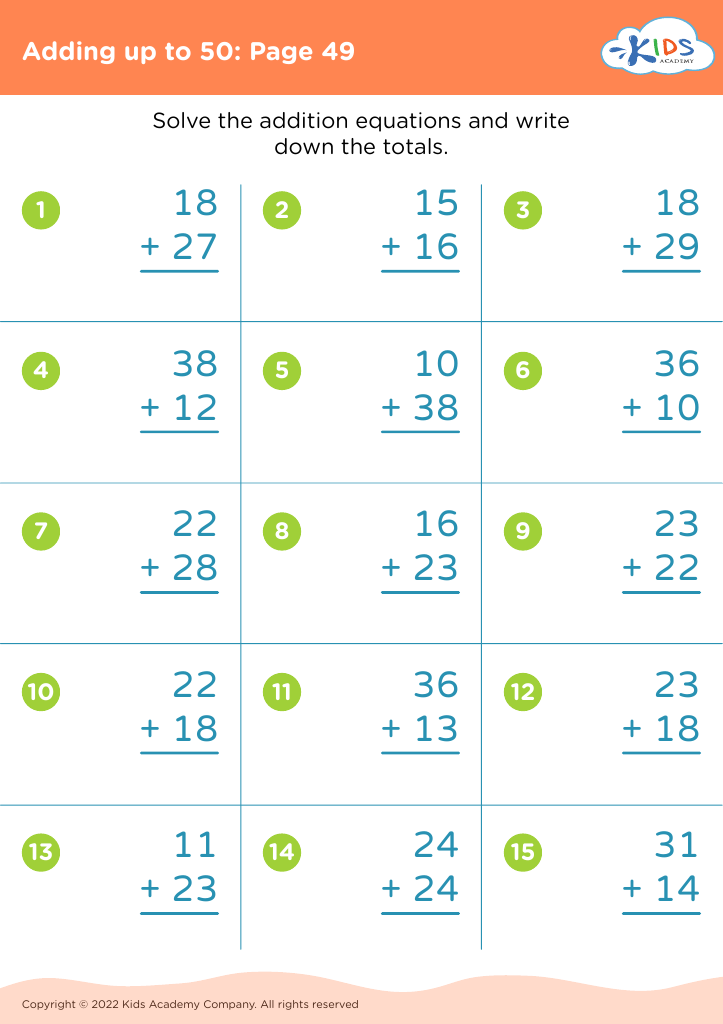
Adding up to 50: Page 49

Adding up to 50: Page 49

Adding up to 50: Page 49
Worksheet
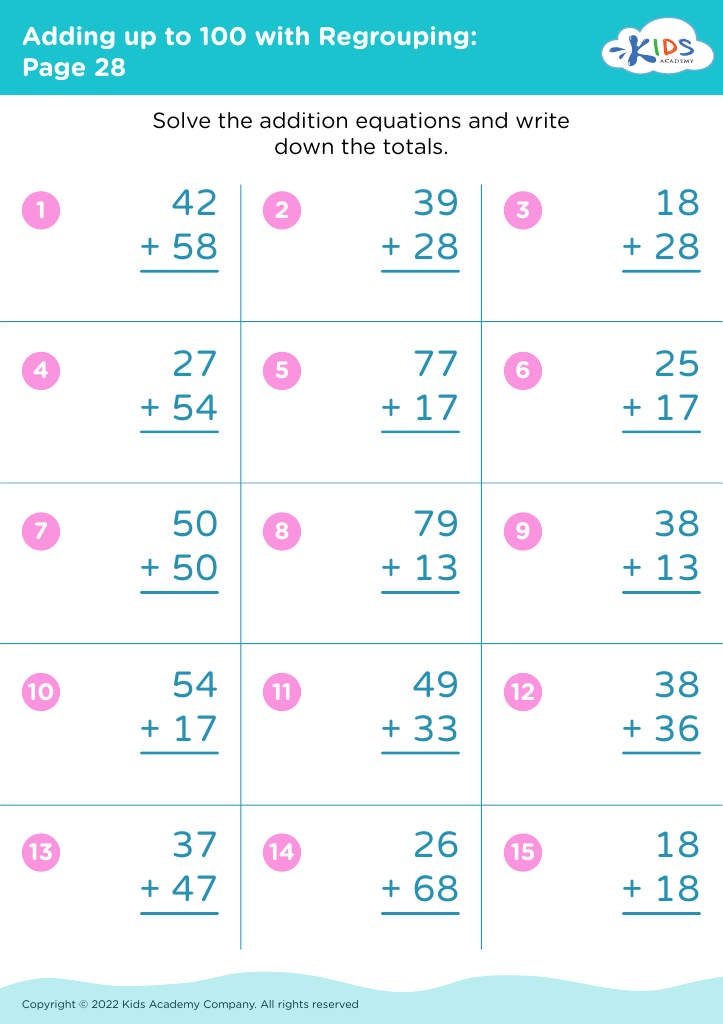
Adding up to 100 with Regrouping: Page 28
Worksheet
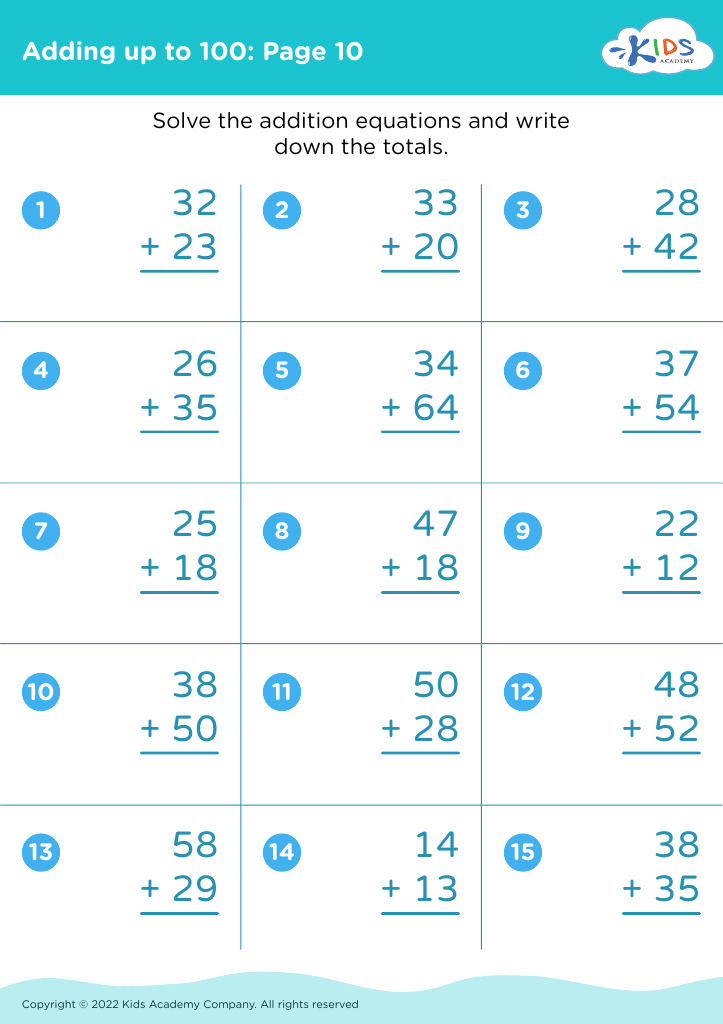
Adding up to 100: Page 10

Adding up to 100: Page 10

Adding up to 100: Page 10
Worksheet
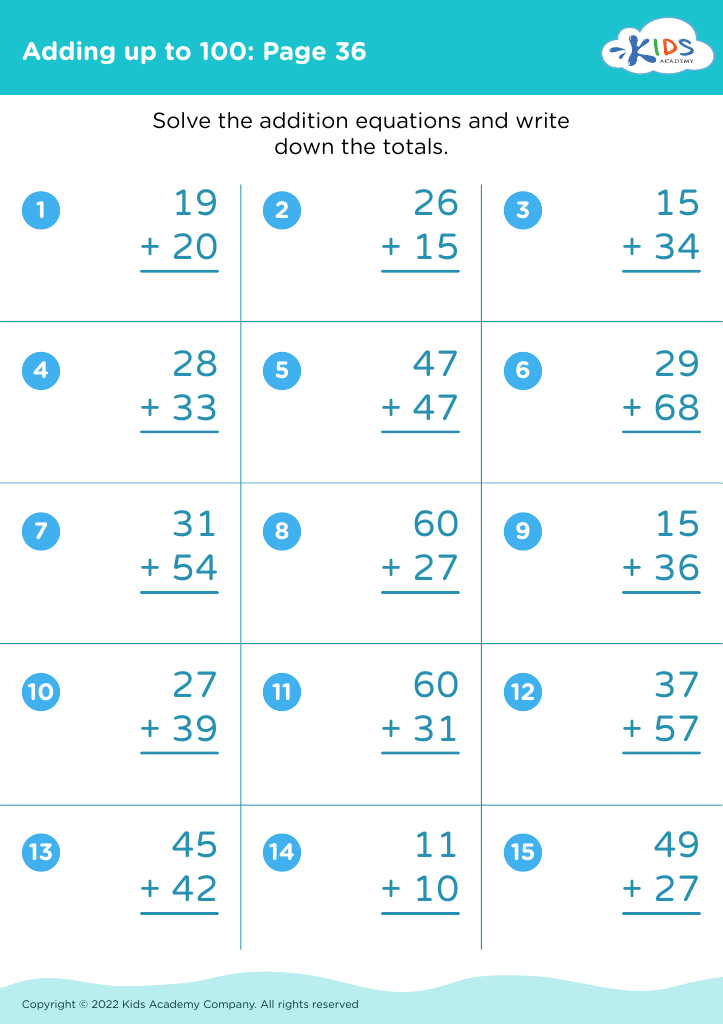
Adding up to 100: Page 36

Adding up to 100: Page 36

Adding up to 100: Page 36
Worksheet
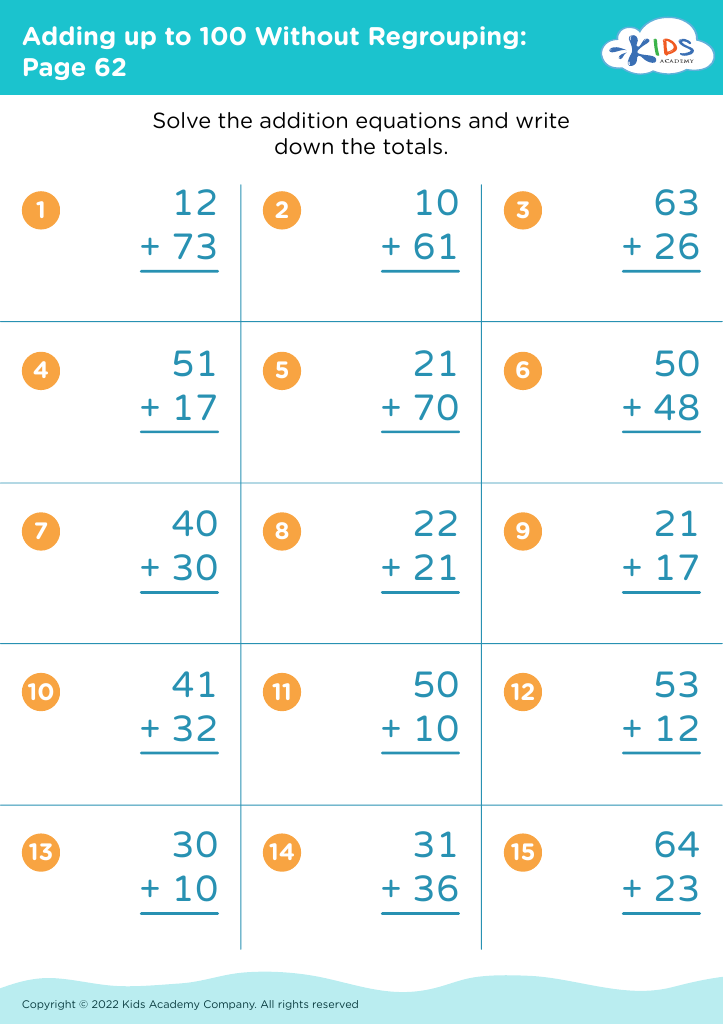
Adding up to 100 Without Regrouping: Page 62
Worksheet
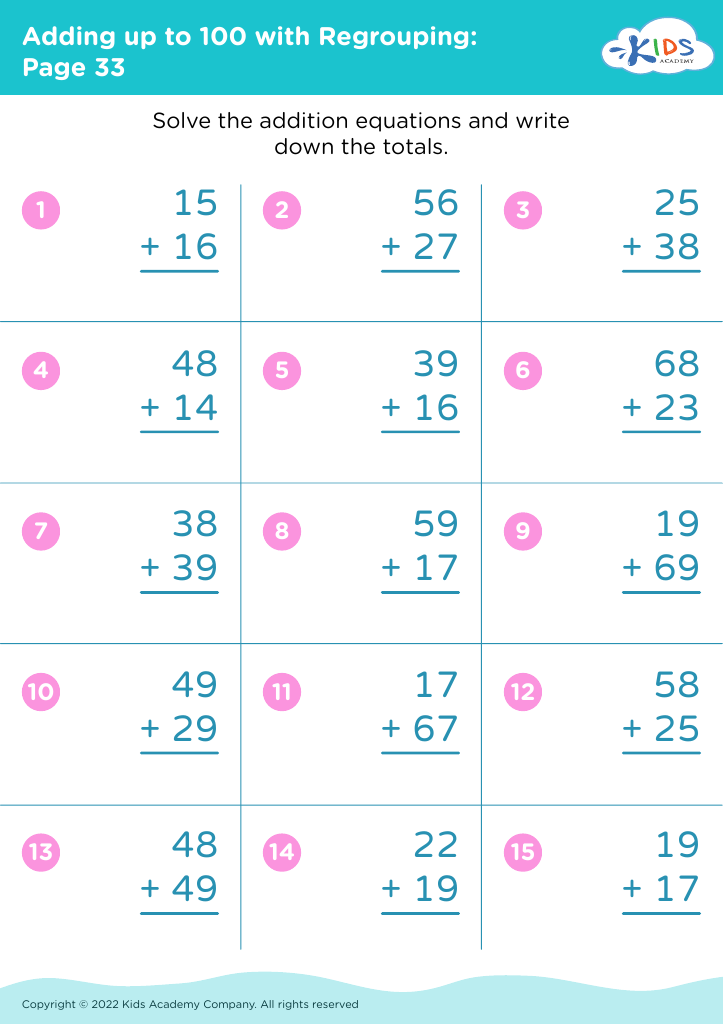
Adding up to 100 with Regrouping: Page 33
Worksheet
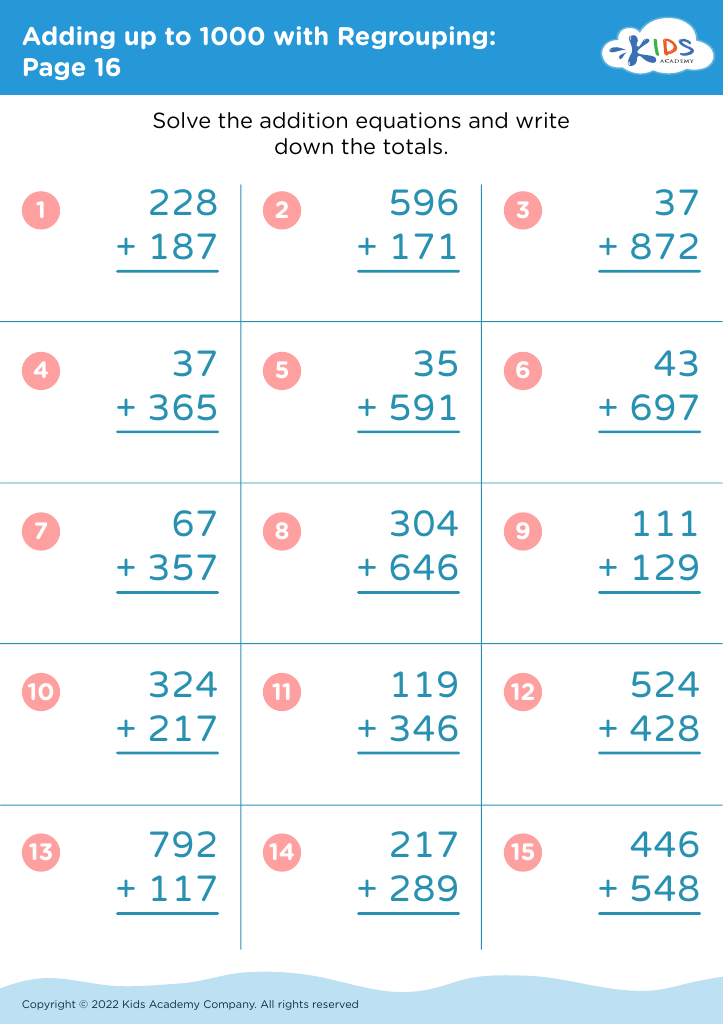
Adding up to 1000 with Regrouping: Page 16
Worksheet
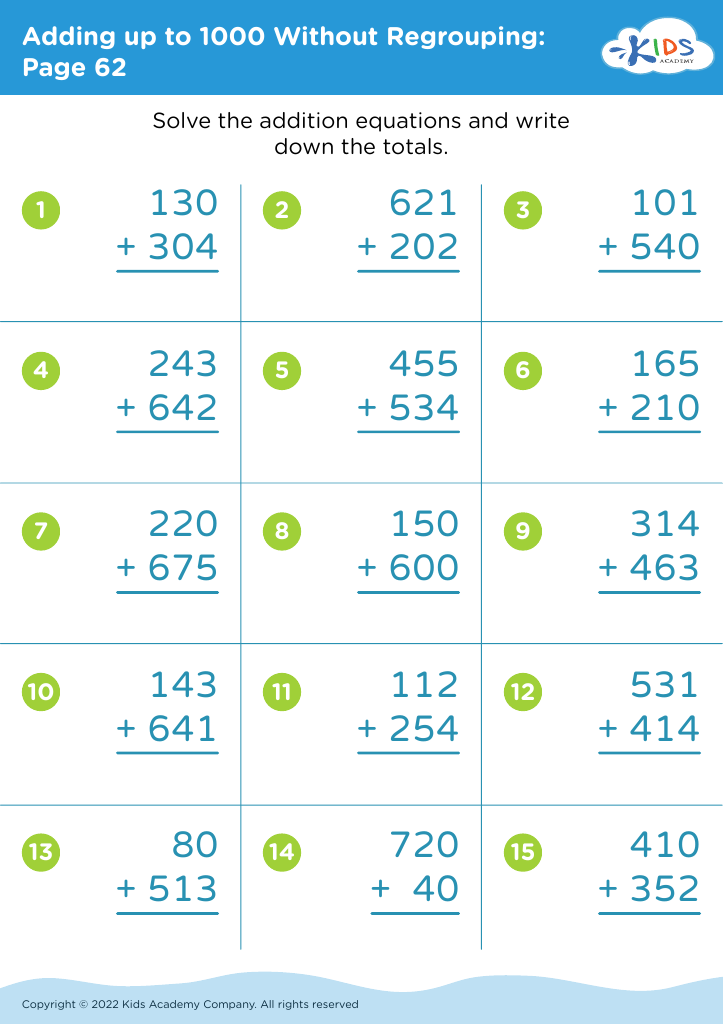
Adding up to 1000 Without Regrouping: Page 62
Worksheet


... 3 4

Comparing fractions and understanding their addition is crucial for children ages 6-7, as it lays the foundation for their mathematical reasoning and problem-solving skills. At this age, children develop fundamental abilities to recognize relationships between numbers, which is essential in more advanced mathematics later. When parents and teachers prioritize comparing fractions, they help children grasp key concepts of quantity, size, and equivalence. This understanding teaches children how to make informed judgments about how many parts make up a whole, promoting numerical literacy.

Moreover, engaging with fractions enhances critical thinking skills. Children learn to analyze and compare different quantities, which fosters logical reasoning and cognitive development. Through playful activities and practical examples, introducing comparing fractions encourages children to visualize and manipulate numbers, making learning enjoyable and relevant.

Additionally, mastering fraction addition in early grades prepares students for more complex topics like multiplication and division of fractions in higher grades. By supporting children in this crucial area, parents and teachers can help nurture a positive attitude toward mathematics, ensuring that students build confidence and competence as they progress through their educational journey. Thus, active involvement in comparing fractions is instrumental for emotional and academic growth during these formative years.