Letter recognition Addition Worksheets for Ages 6-7
3 filtered results
-
From - To
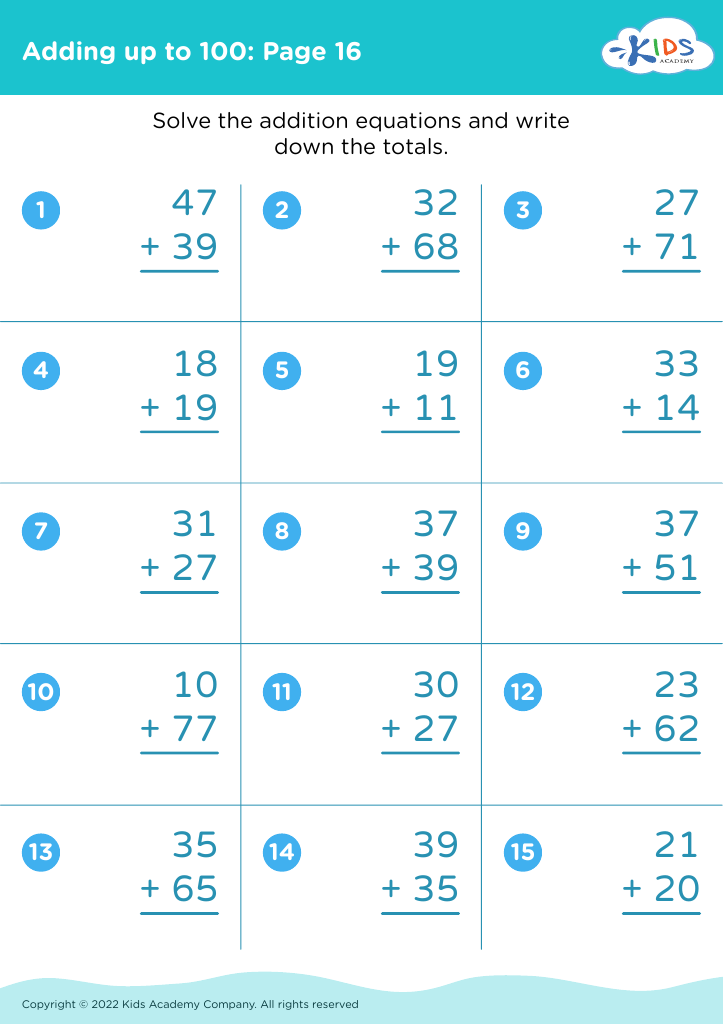
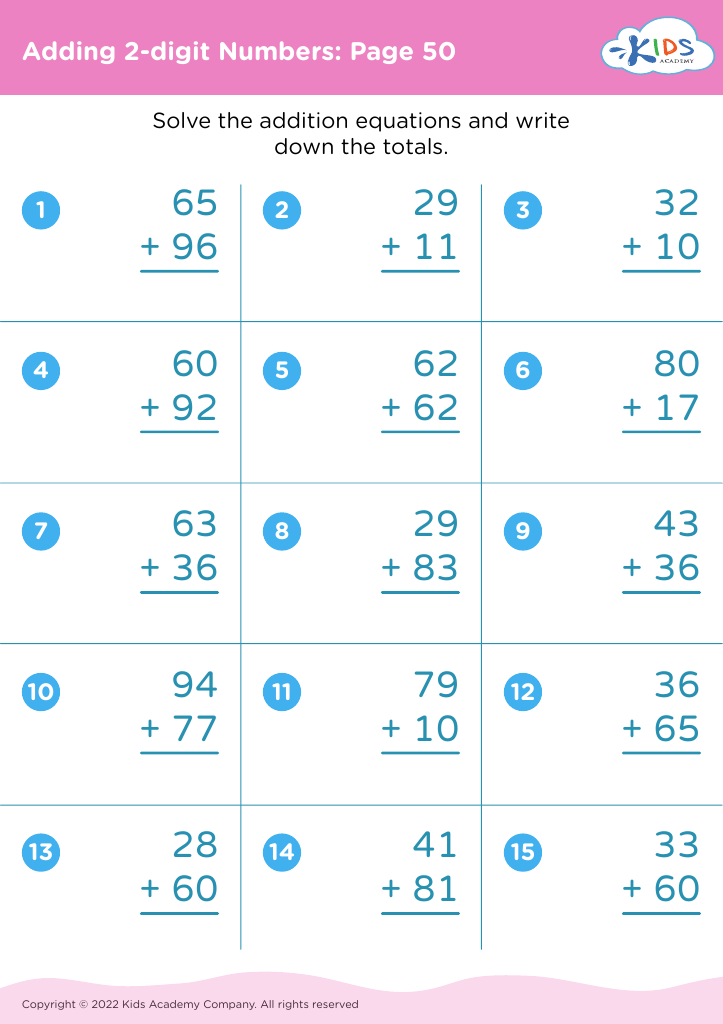
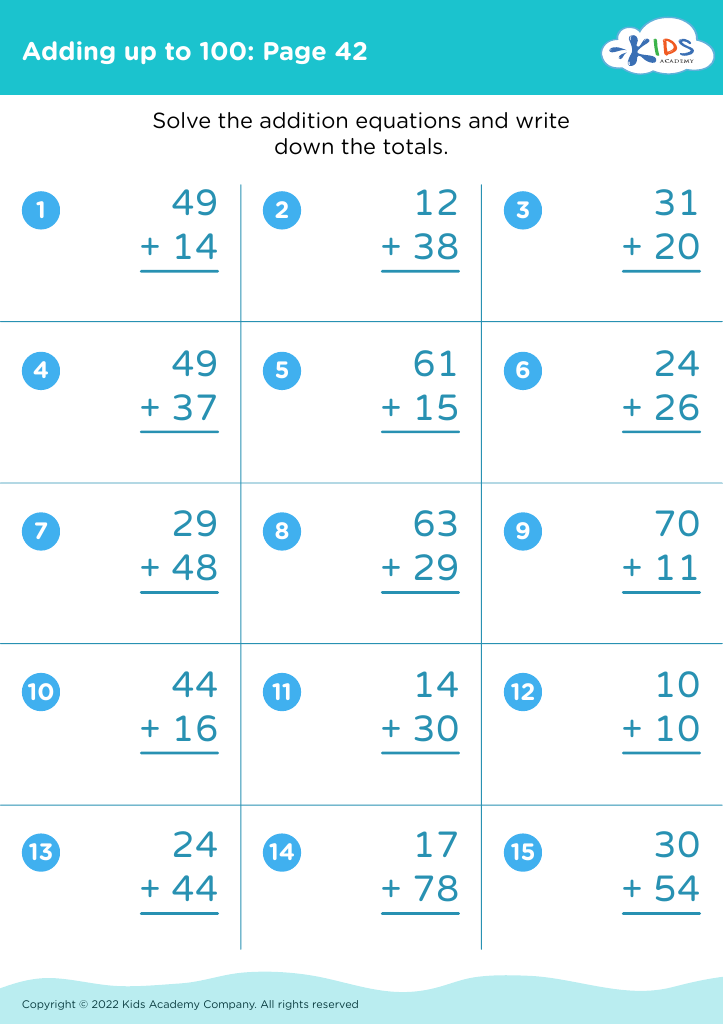
Unlock your child's potential with our engaging Letter Recognition Addition Worksheets, specially designed for ages 6-7! These worksheets combine essential math skills with letter identification, making learning both fun and effective. Your child will enhance their ability to recognize letters while practicing addition through colorful illustrations and interactive activities. Each worksheet is crafted to promote cognitive development and reinforce foundational skills, ensuring your young learner enjoys a captivating educational experience. Perfect for at-home learning or classroom use, these resources will motivate and inspire your child to excel in both literacy and math. Explore our worksheets and watch their skills soar!








Letter recognition is a foundational skill essential for reading and writing, particularly for children aged 6-7. At this critical developmental stage, children begin transitioning from learning to read to reading to learn. Mastering letter recognition not only enables them to decode words but also supports overall literacy development, vocabulary expansion, and a love for reading.
For teachers and parents, fostering letter recognition provides children with tools to express their thoughts and ideas effectively. As they advance in their learning, strong letter recognition skills will facilitate better spelling and writing abilities, resulting in increased confidence in their academic pursuits.
Moreover, letter recognition is often integrated with broader educational goals, such as phonemic awareness and listening skills, enhancing children's language development. Engaging in activities promoting letter recognition—through games, interactive reading, and hands-on literacy tasks—can make learning enjoyable and meaningful.
Caregivers play a crucial role in nurturing this developmental journey. By prioritizing letter recognition, parents and teachers can empower children with essential skills for future academic success, helping them become effective communicators and enthusiastic learners in the years ahead. Investing in these early education milestones sets a strong foundation for lifelong learning.








