Numeracy skills Addition Worksheets for Ages 6-7
10 filtered results
-
From - To
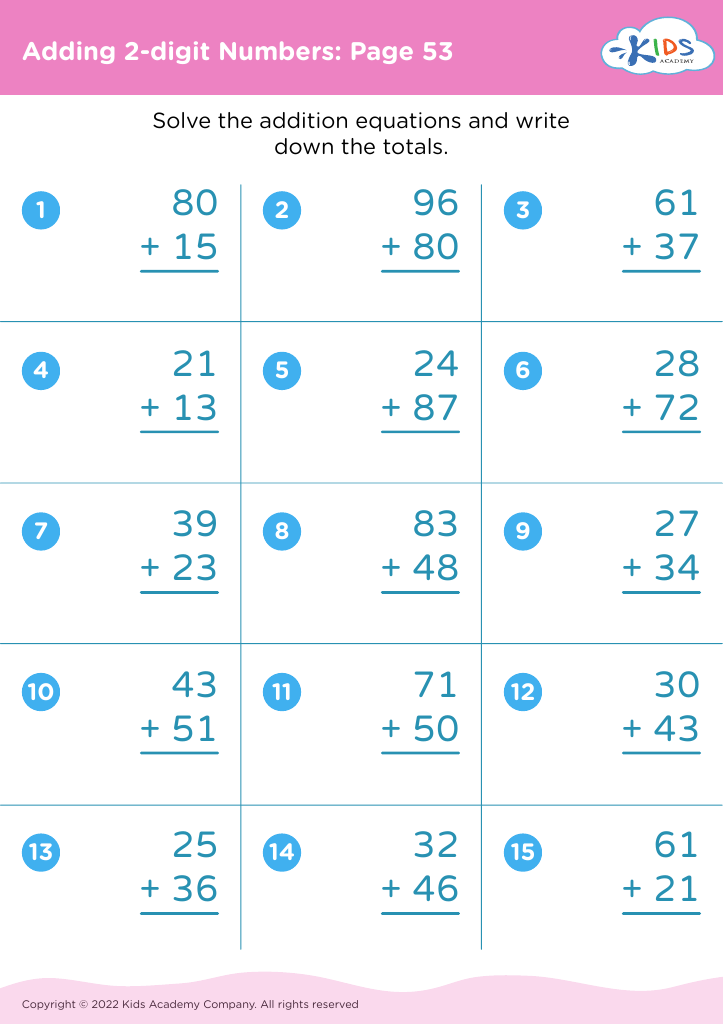
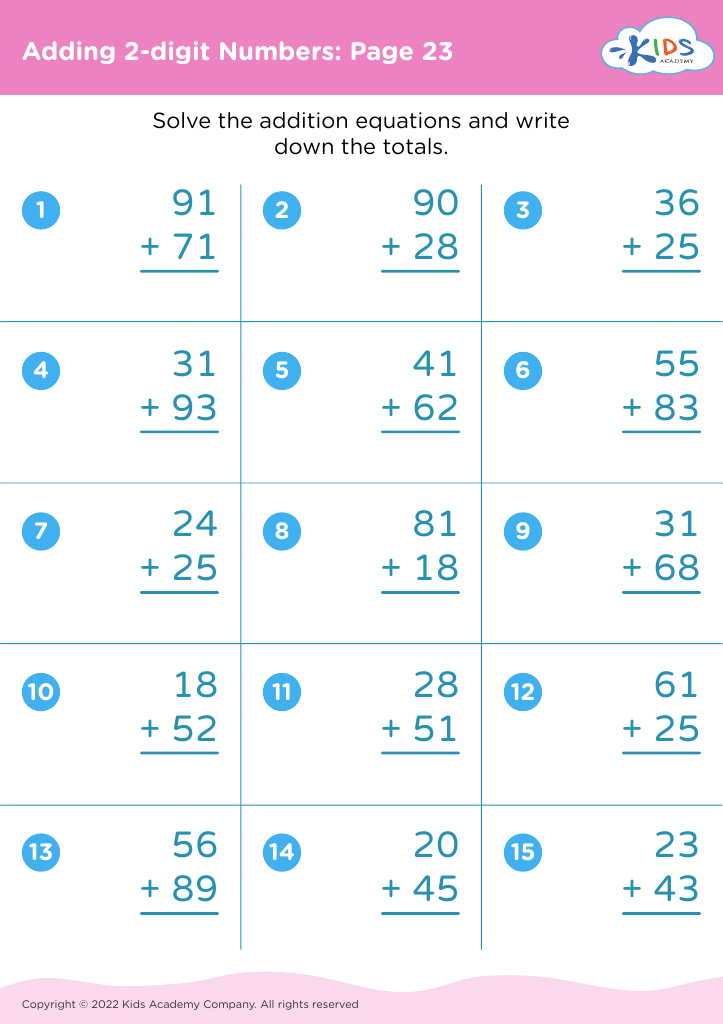
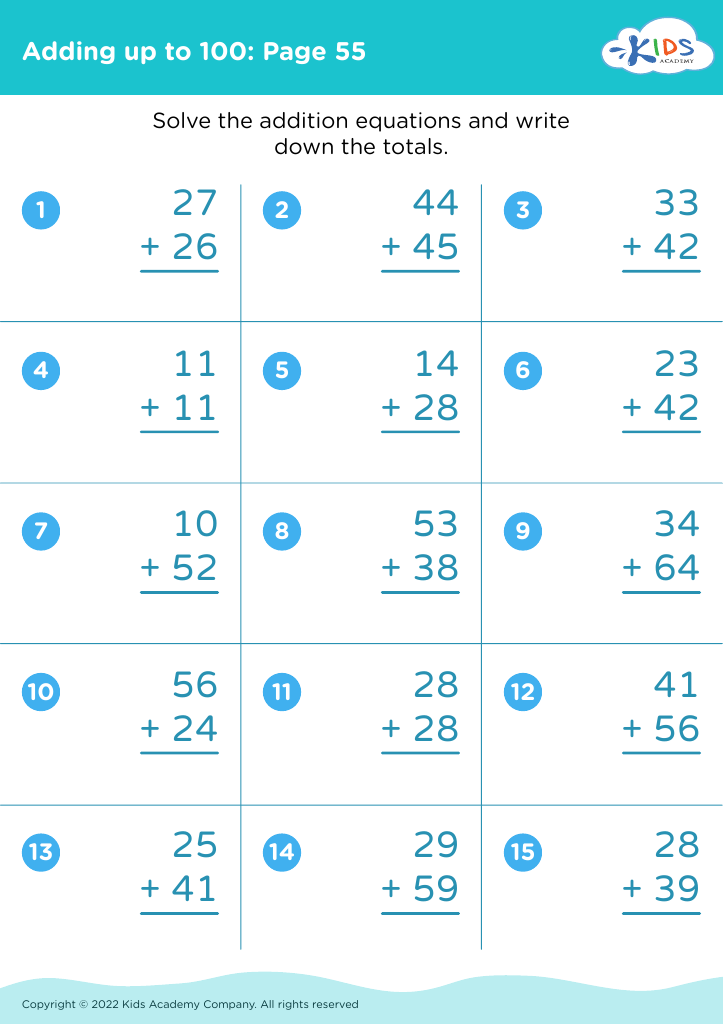
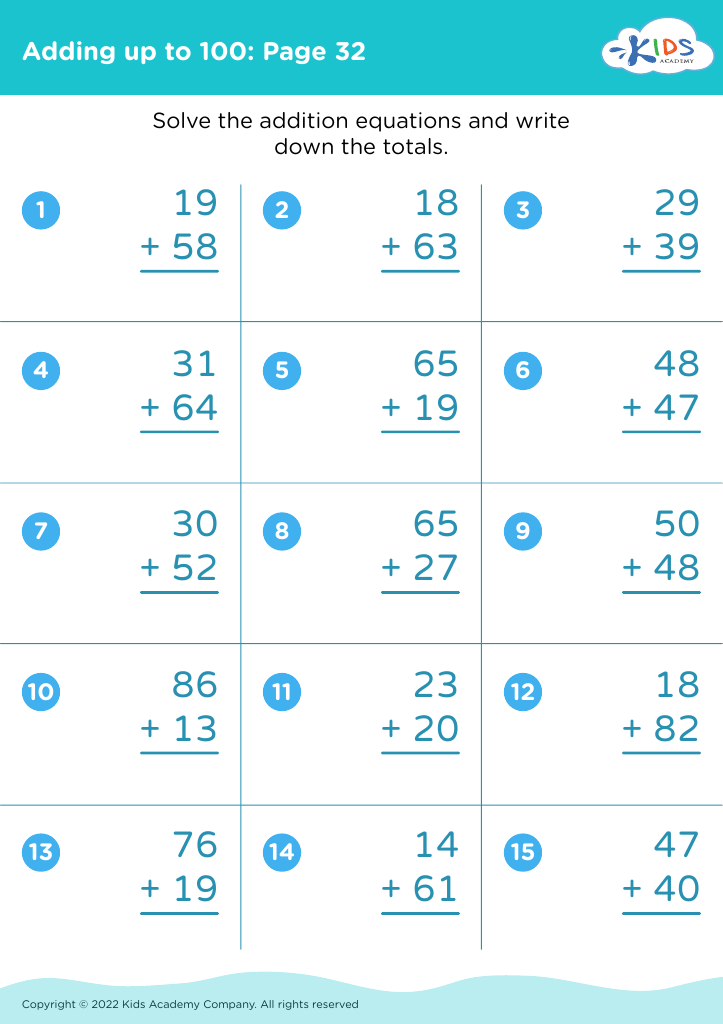
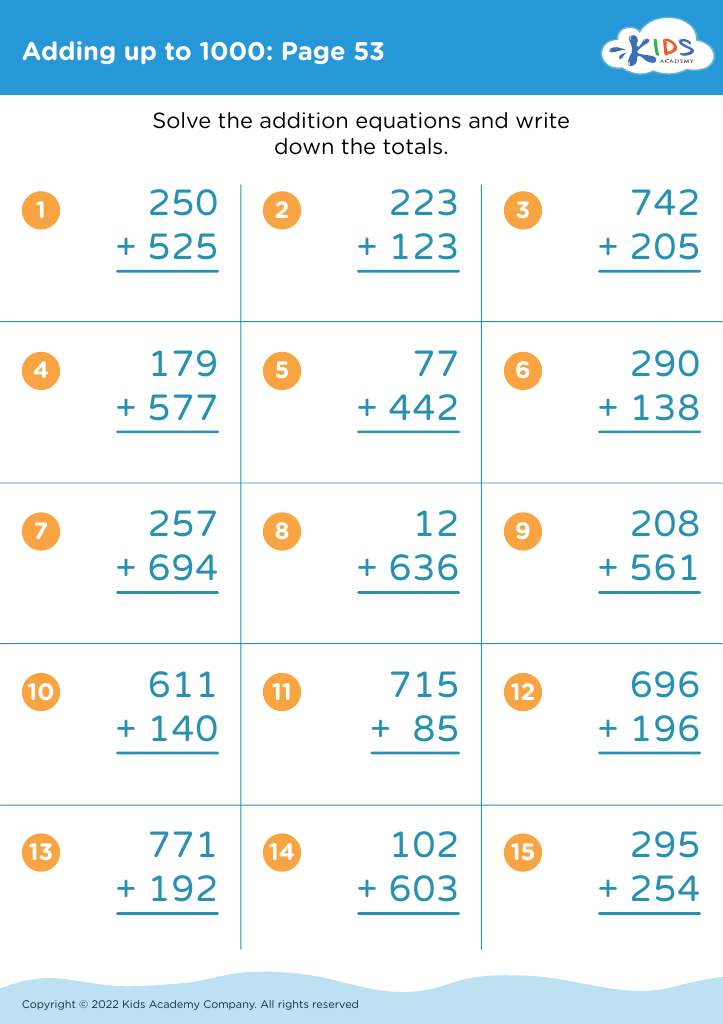
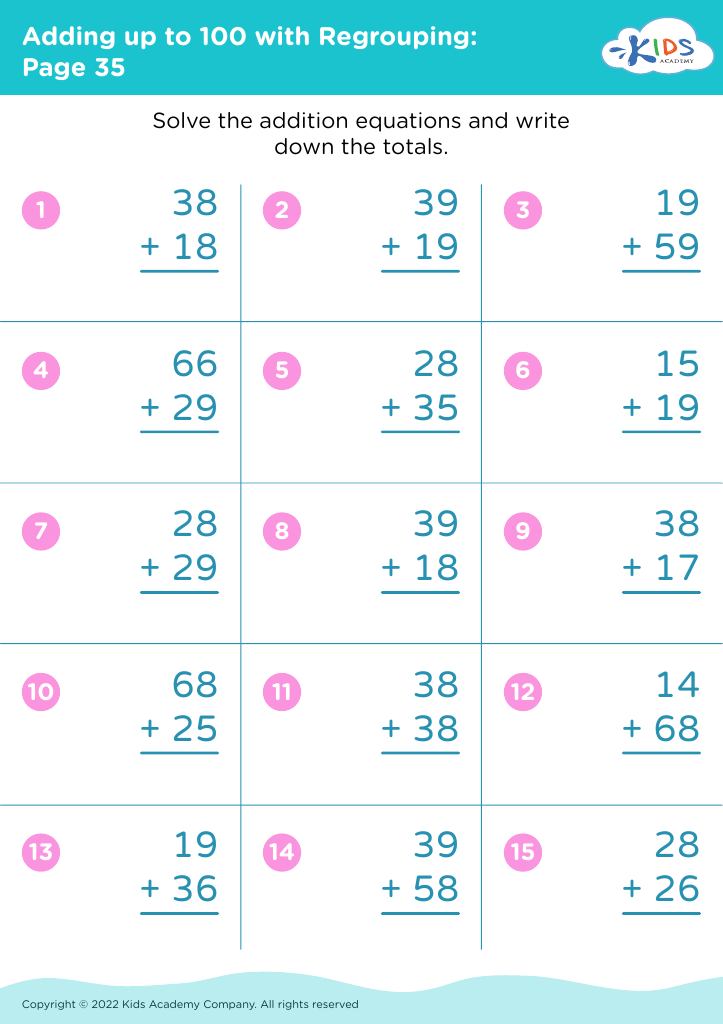
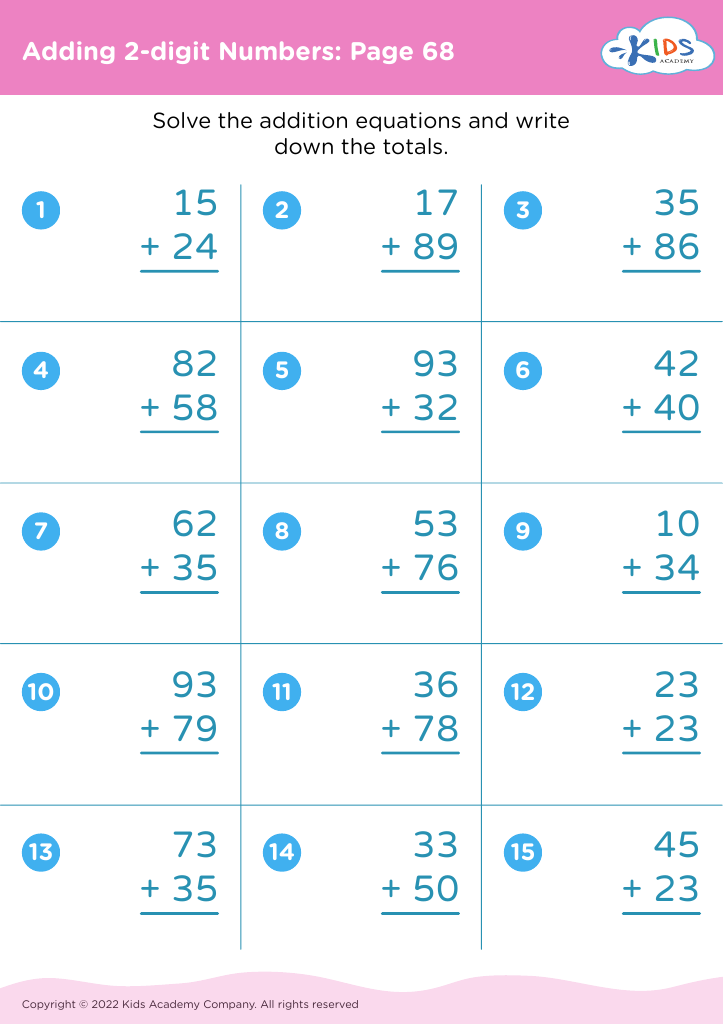
Discover engaging addition worksheets designed specifically for ages 6-7, aimed at enhancing foundational numeracy skills. These printables make learning addition fun through a variety of exercises that promote critical thinking and problem-solving. Each worksheet offers vibrant visuals and interactive activities to keep young learners motivated. Whether working on single-digit additions or progressing to more complex problems, these resources are perfect for building confidence and fluency in mathematics. Ideal for both classroom and home use, our worksheets provide the essential practice needed for young minds to master addition. Start nurturing your child's numeracy skills today with our expertly crafted materials!
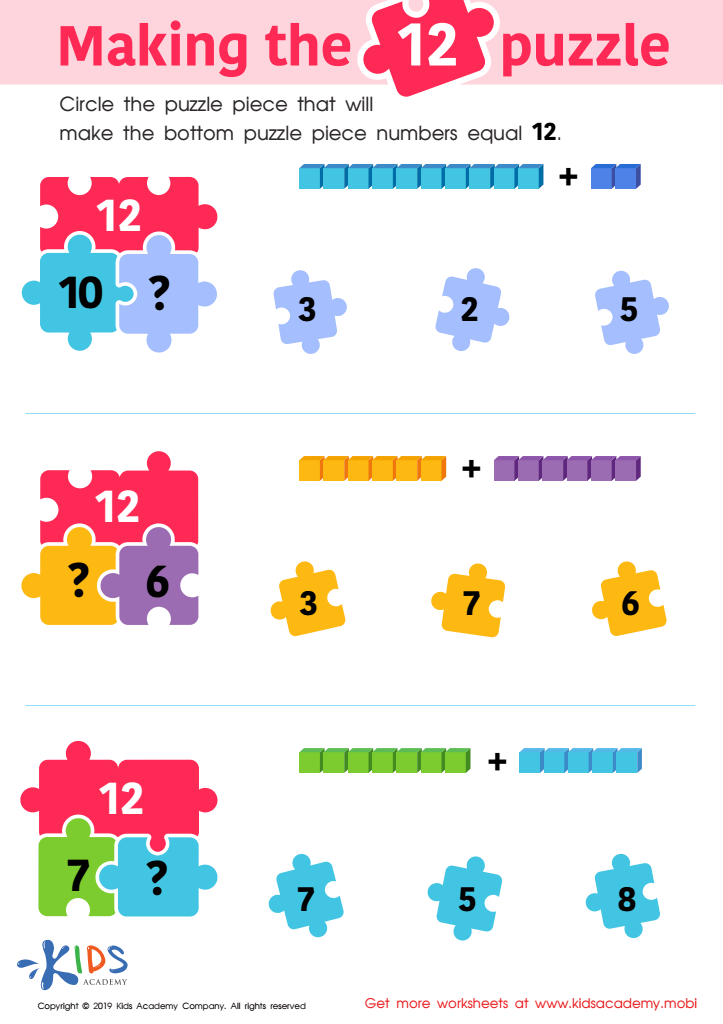
Making the 12 Puzzle Worksheet
 Assign to My Students
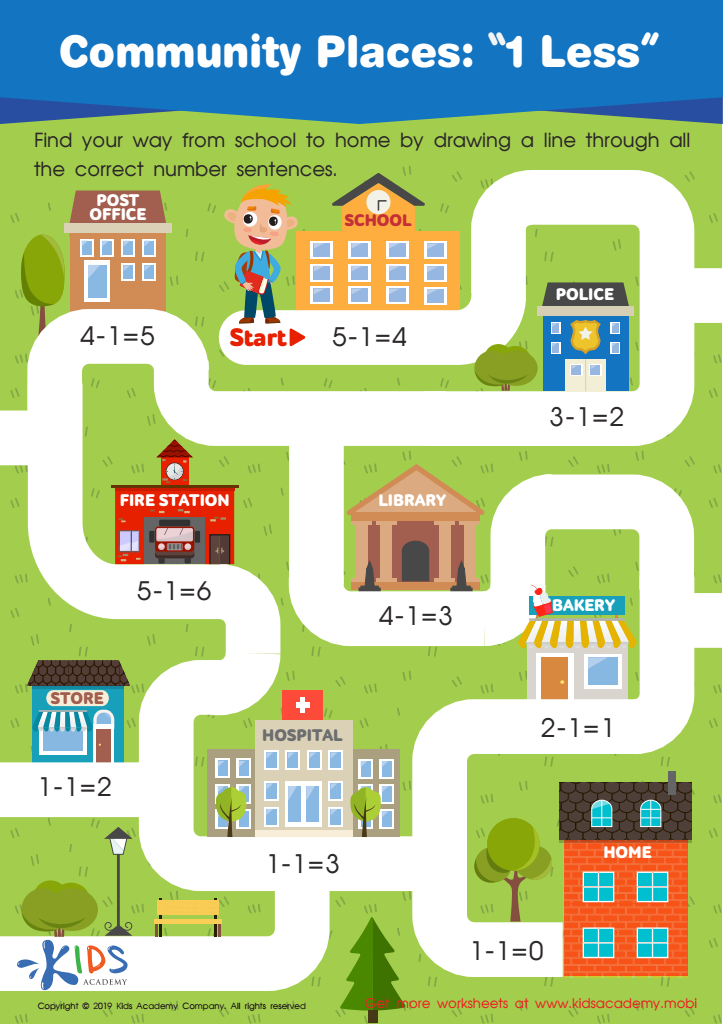
Community Places: 1 Less Worksheet
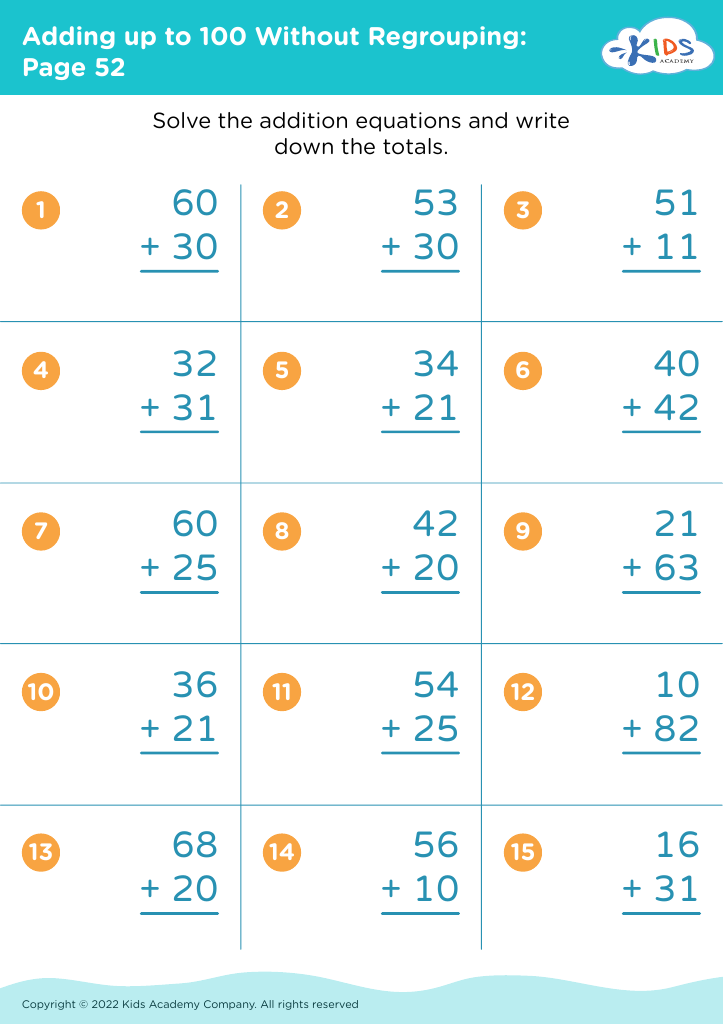








Numeracy skills, especially addition, are essential for children aged 6-7 because they lay the foundation for future mathematical learning and daily life activities. At this age, children's cognitive abilities make significant leaps, and developing numeracy skills helps stimulate their logical and reasoning processes. Addition is more than just combining numbers; it forms the basis for understanding more complex mathematical concepts that will appear later in their education, such as subtraction, multiplication, and division.
Importantly, mastering addition also aids in the development of problem-solving skills and enhances children's ability to process information and make decisions. These skills are not confined to math classes but are applicable in various everyday situations, like sharing toys, dividing treats, or figuring out the playtime schedule.
Furthermore, fostering these skills early can boost a child's confidence and enthusiasm in learning. When children feel competent in addition, they are more likely to approach new challenges with a positive attitude. For parents and teachers, engaging children with numeracy through creative and interactive methods can strengthen understanding and retention. Games, real-life problem scenarios, and hands-on activities can make learning enjoyable and impactful. Therefore, prioritizing numeracy skills at this crucial stage profoundly influences a child's academic trajectory and personal development.








