
Time conversion skills Addition Worksheets for Ages 6-7
3 filtered results
Difficulty Level
Grade
Age
-
From - To
Subject
Activity
Standards
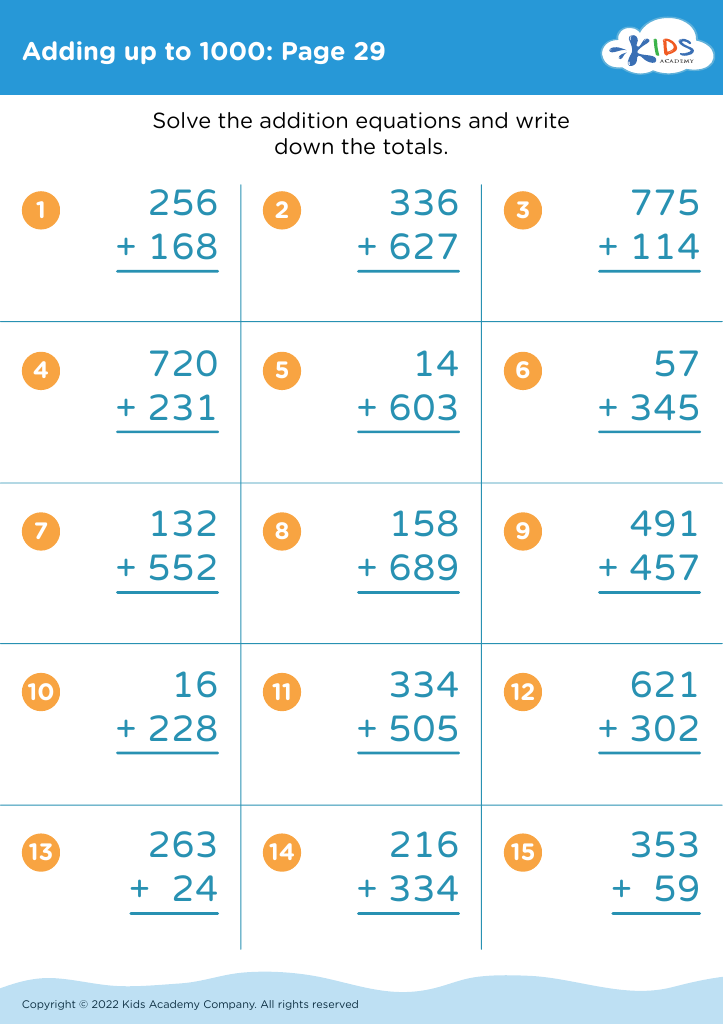
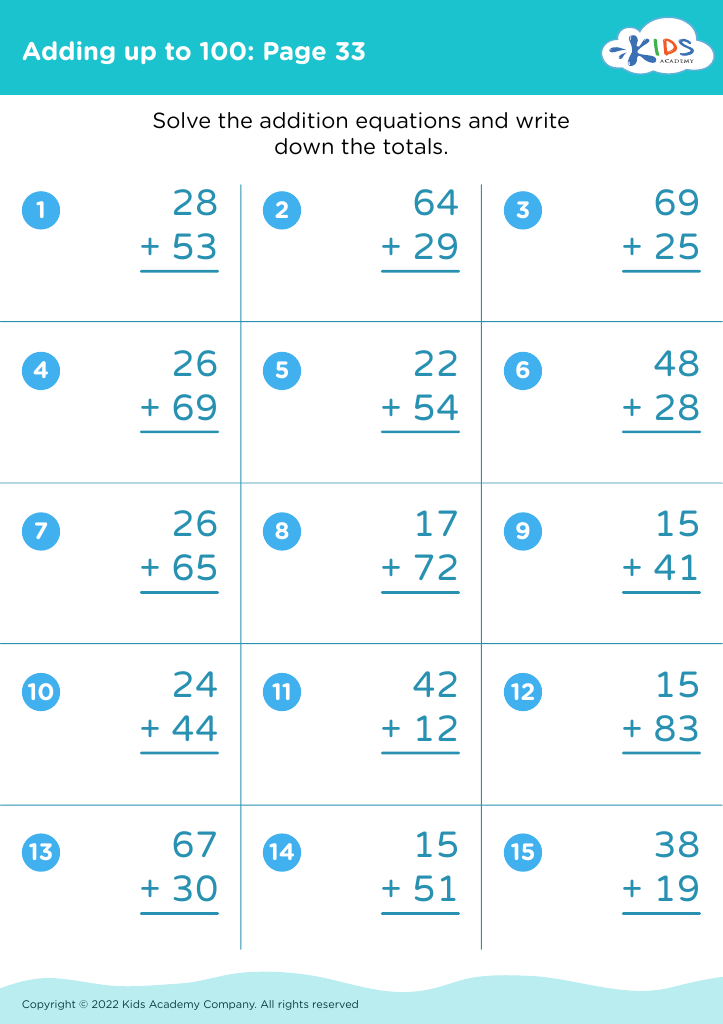
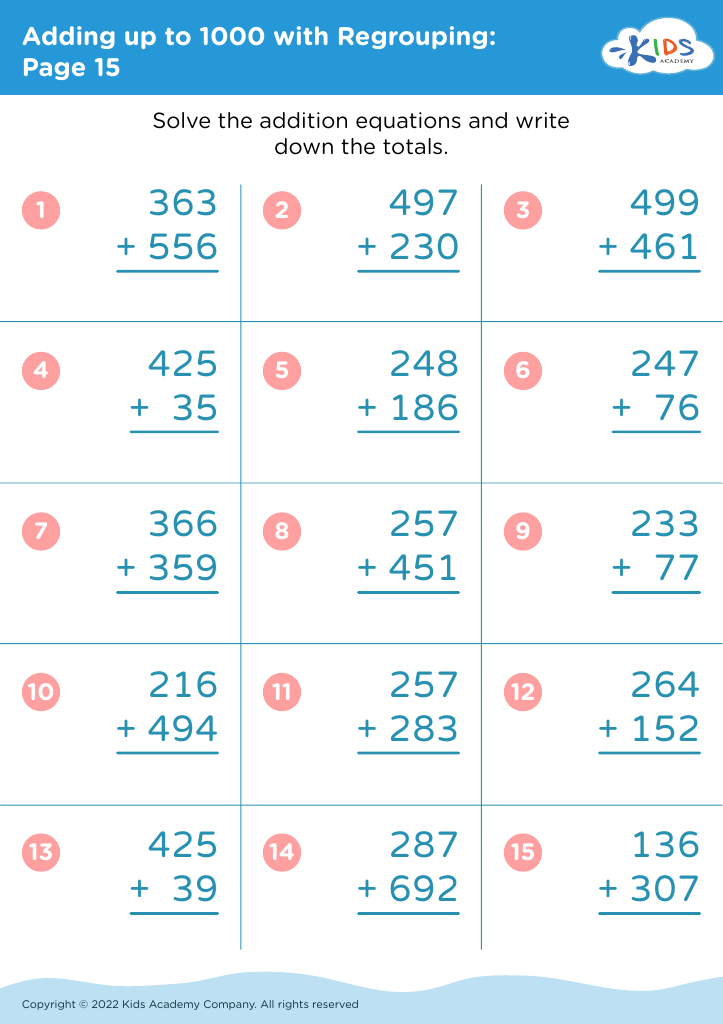
Discover our "Time Conversion Skills Addition Worksheets" designed specifically for children aged 6-7. These engaging worksheets help young learners master the essential skill of converting time units while reinforcing their addition abilities. With a variety of activities, from recognizing hours and minutes to simple calculations, students will developconfidence and proficiency in handling time-related math problems. Perfect for reinforcing classroom learning or as supplemental practice at home, these worksheets make learning playful and interactive. Encourage your child to improve their math skills and time management with activities that ignite their curiosity and foster a solid foundation in mathematics.
Favorites
With answer key
Interactive
Join Kids Academy for Free
Who is primarily going to use this learning content?








Time conversion skills are crucial for children aged 6-7 as they lay the foundation for understanding daily routines and managing time effectively. At this age, students are typically learning to tell time while also beginning to grasp the concept of time in different formats, such as hours and minutes. Strong time conversion skills empower children to confidently transition between analog and digital clocks, strengthening their overall numeracy skills.
Moreover, these skills are not just academic; they play a vital role in helping children develop their independence. By understanding how to convert between different units of time, like hours into minutes, children can better plan their activities, understand schedules, and arrive on time for appointments or events. This fosters responsibility and enhances their organizational abilities.
For parents and teachers, fostering these skills can integrate practical life lessons into everyday learning. Engaging children with fun and relatable exercises, such as counting down to birth dates or daily activities, makes learning time conversions enjoyable and relevant. Ultimately, teaching time conversion at this age not only prepares children for more advanced mathematical concepts later on but also enriches their understanding of the world around them, promoting critical life skills that they will carry into adulthood.








