Understanding adjectives Addition Worksheets for Ages 6-7
5 filtered results
-
From - To
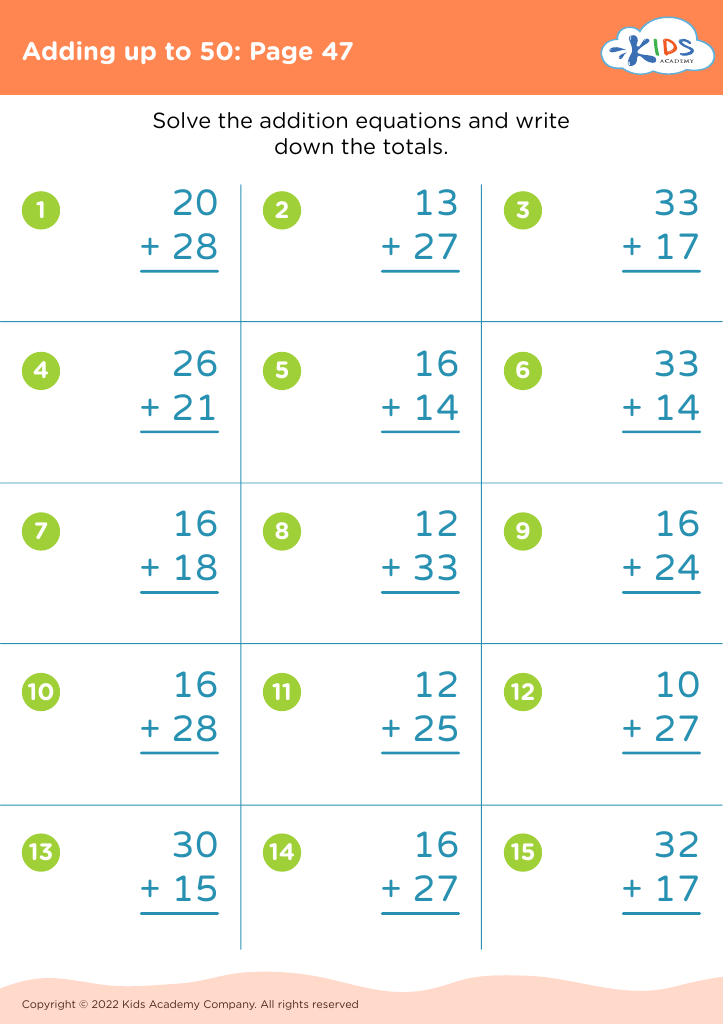
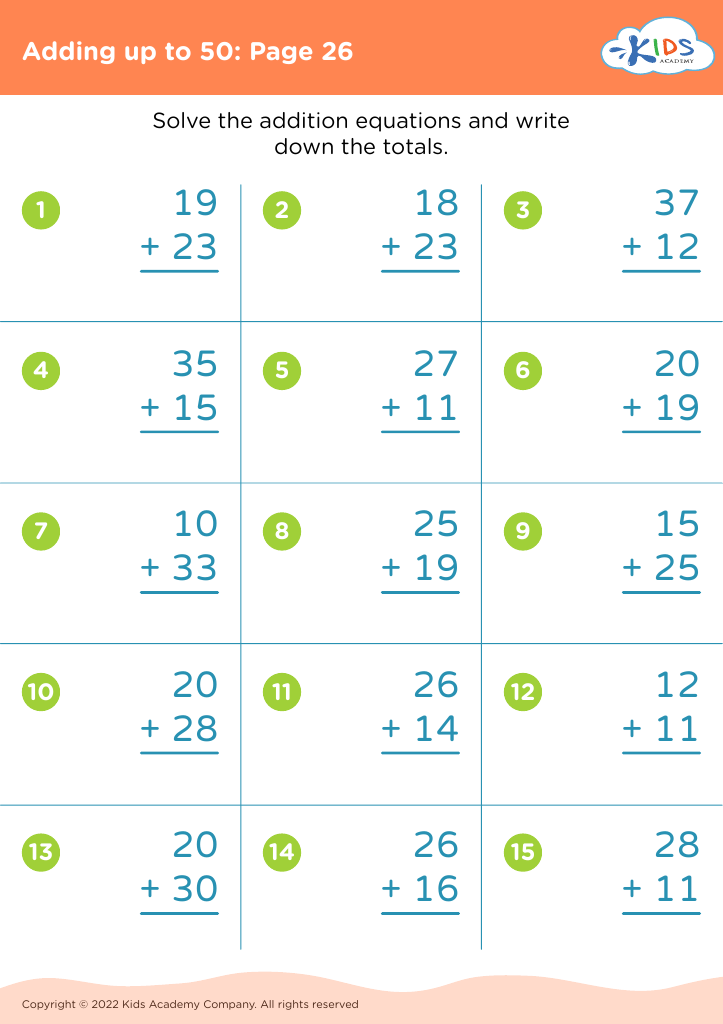
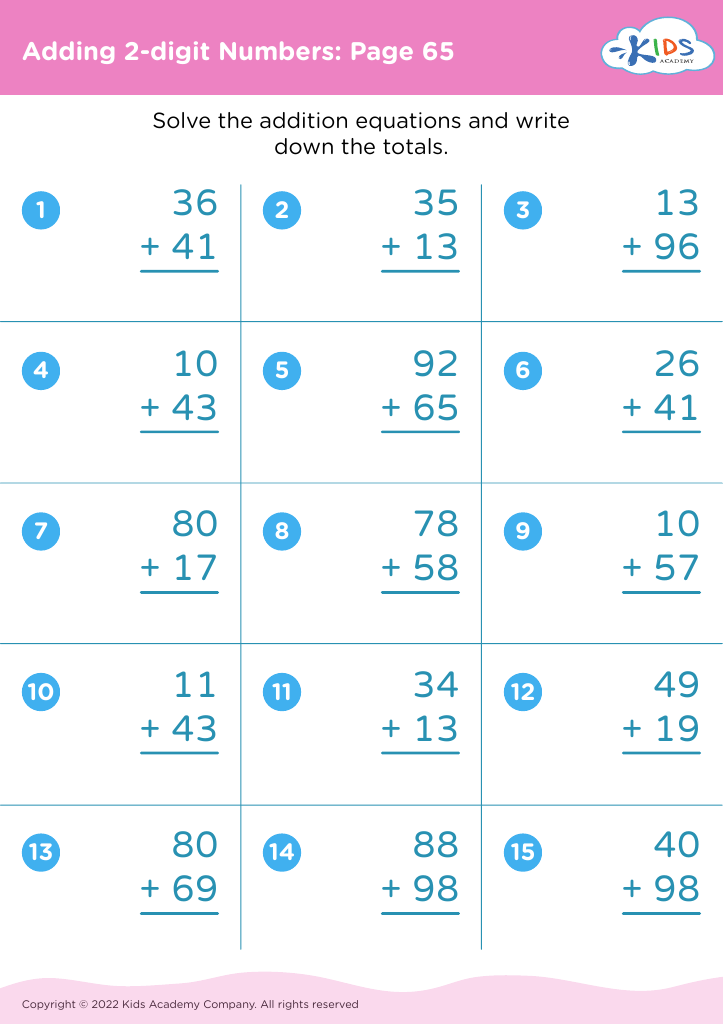
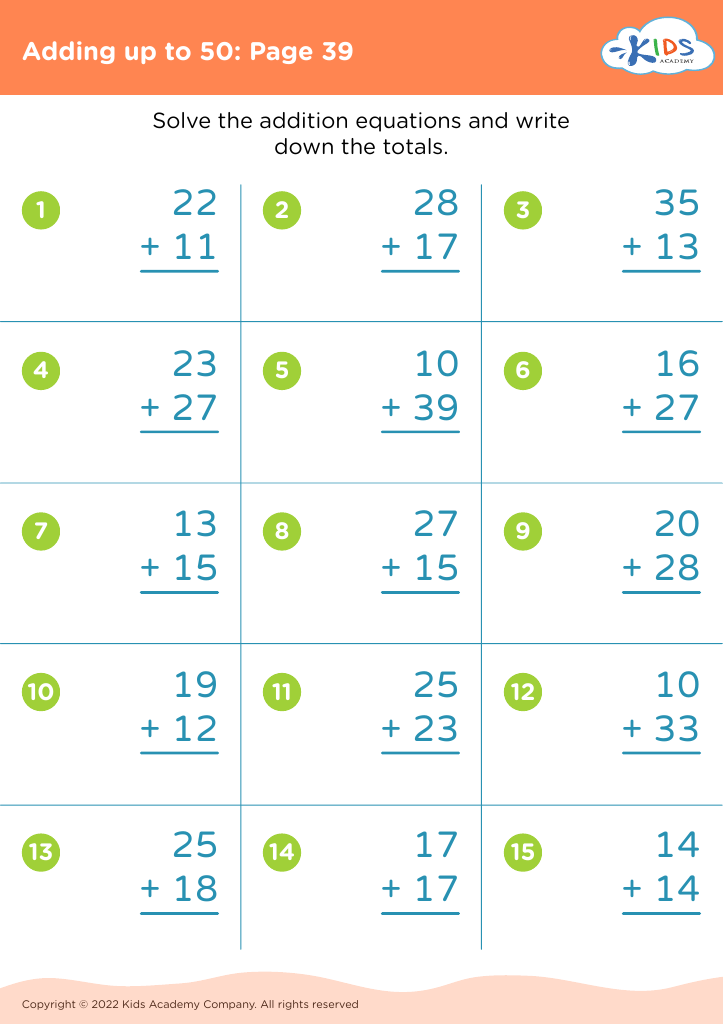
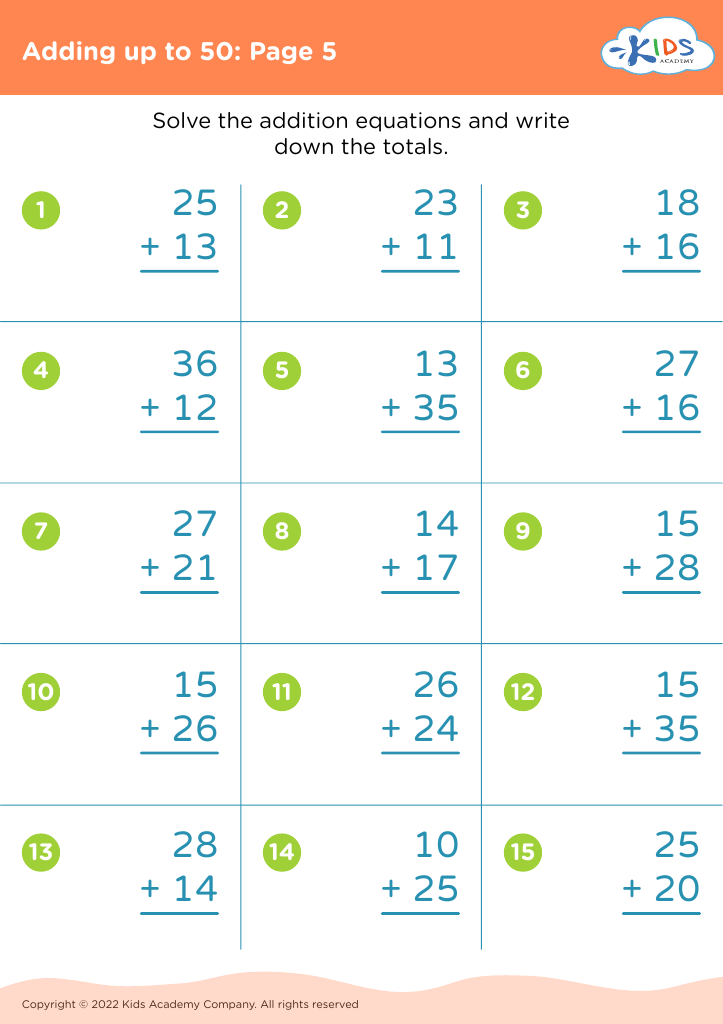
Enhance your child's learning with our "Understanding Adjectives Addition Worksheets" designed specifically for ages 6-7. These engaging activities combine the excitement of addition with the foundational concept of adjectives, promoting a deeper understanding of language and math simultaneously. Each worksheet encourages young learners to identify and use descriptive words while solving addition problems, making learning fun and interactive. Tailored to foster critical thinking and vocabulary skills, our worksheets help children build a solid educational foundation. Perfect for classroom use or at-home learning, these resources are a great way to integrate creativity and cognitive skills in early education. Download now to inspire your child!








Understanding adjectives is crucial for children aged 6-7 as it enhances their language skills, boosts their creativity, and improves their communication abilities. Adjectives are descriptive words that provide detail about nouns, helping children express themselves more vividly. When kids learn about adjectives, they can describe their surroundings, emotions, and experiences in ways that engage their listeners, fostering meaningful conversations.
Teachers and parents should care about teaching adjectives because they lay the foundation for advanced language skills. As children enrich their vocabulary with descriptive words, they become better at reading comprehension and storytelling, essential skills for academic success. Descriptive language not only helps with literacy but also with social interactions, enabling kids to share their thoughts clearly.
Additionally, understanding adjectives encourages critical thinking. Children learn to differentiate between characteristics, fostering observation and analysis skills that are vital in everyday life. These skills can translate to better problem-solving abilities. Ultimately, by focusing on adjectives, parents and teachers equip children with tools that support both their emotional expression and intellectual growth, nurturing well-rounded individuals who can articulate their thoughts and ideas confidently.








