
Visual discrimination Addition Worksheets for Ages 6-7
4 filtered results
Difficulty Level
Grade
Age
-
From - To
Subject
Activity
Standards
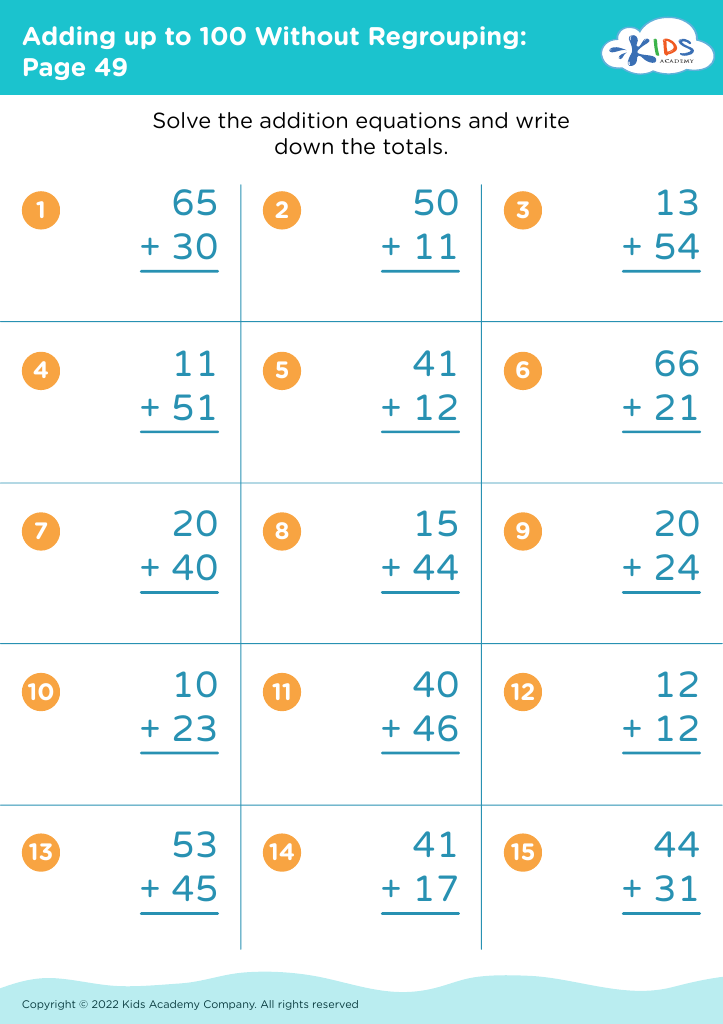
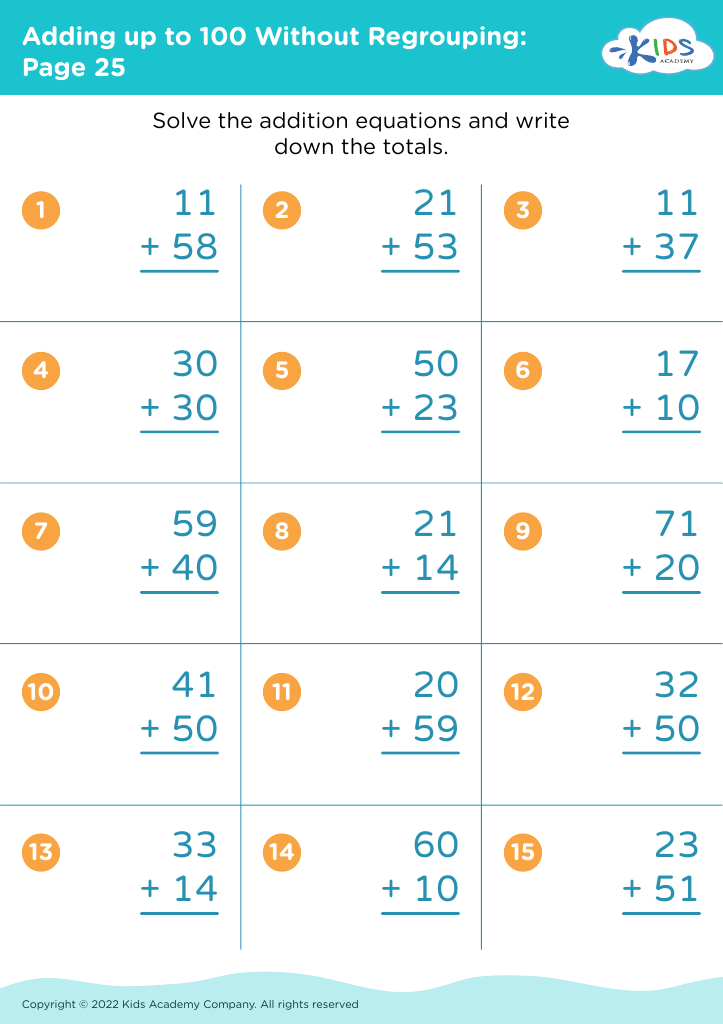
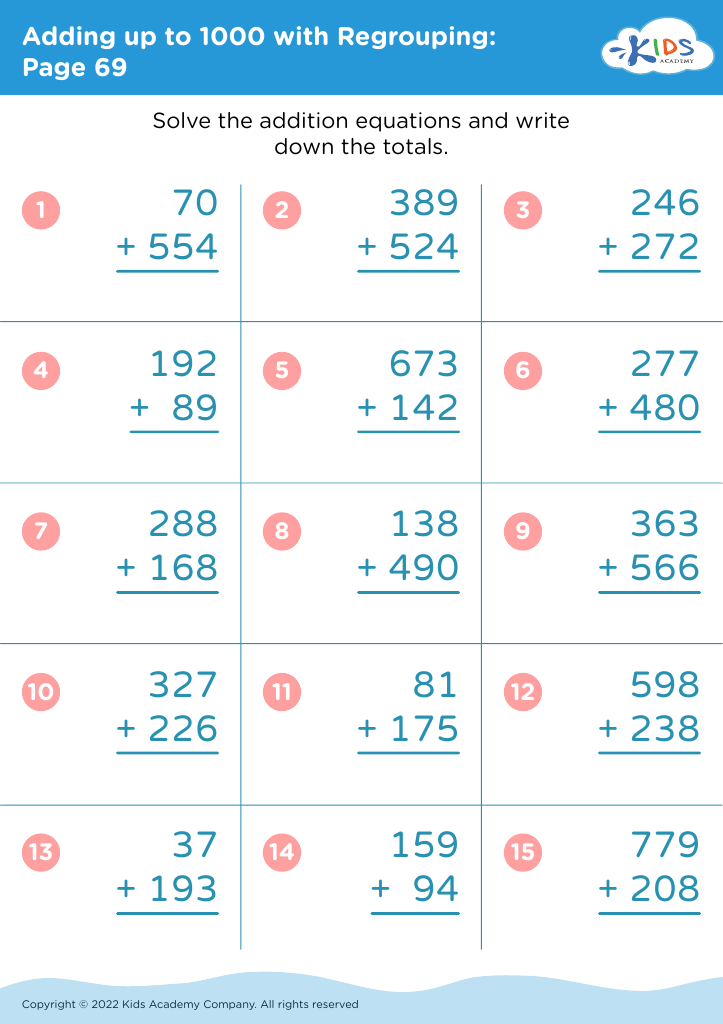
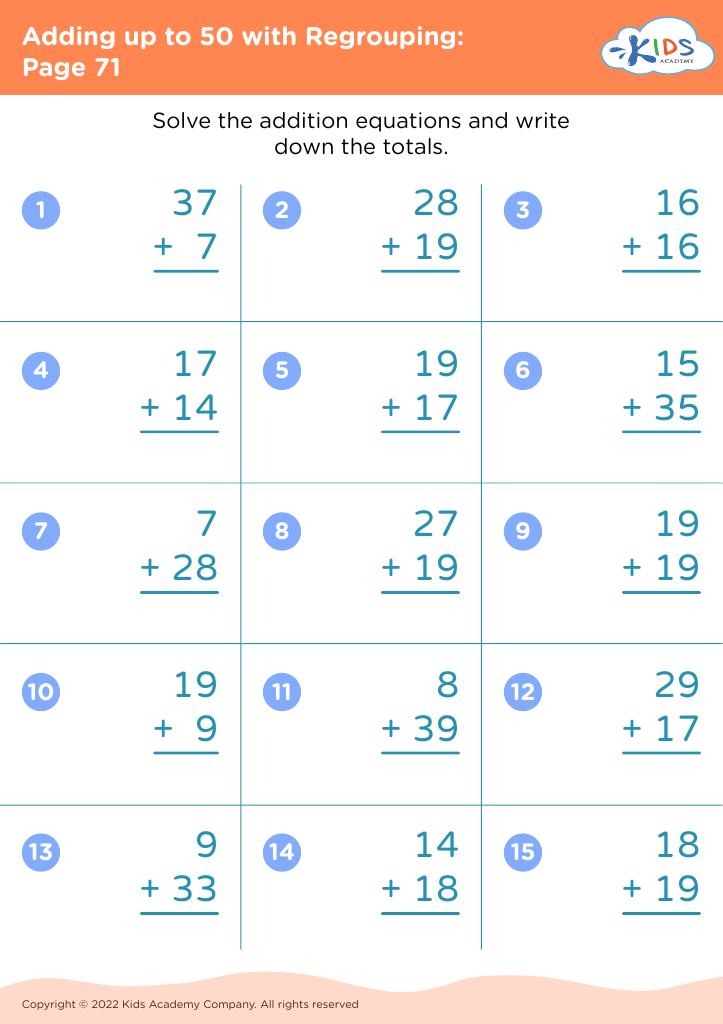
Boost your child's math and visual skills with our Visual Discrimination Addition Worksheets for ages 6-7 from Kids Academy! Designed to enhance number recognition, pattern identification, and addition skills, these engaging worksheets make learning fun. Through vibrant visuals and interactive exercises, children will develop critical thinking while mastering basic math concepts. Ideal for early graders, these worksheets strengthen foundational skills, ensuring they meet essential learning milestones. Perfect for classroom or home use, these activities support young learners in gaining the confidence they need to excel in math. Download now to elevate your child’s math journey in an enjoyable and effective way!
Favorites
With answer key
Interactive
Join Kids Academy for Free
Who is primarily going to use this learning content?








Visual discrimination is the ability to recognize details in visual images. For children aged 6-7, developing this skill is crucial, especially when linked with addition problems. Parents and teachers should care about visual discrimination in relation to addition for several important reasons.
First, it enhances basic math ability. Recognizing differences in number shapes and arithmetic symbols (like distinguishing a "+" from a "-") is vital for accurate computations. Second, it improves reading skills. Visual discrimination aids in distinguishing between similar-looking letters and words, which is core to reading and comprehension.
Third, it boosts overall cognitive development. The practice sharpens attention to detail, memory, and critical thinking skills. Fourth, it enhances everyday life skills. Understanding visual cues and processing visual information accurately impacts numerous everyday tasks, from reading a clock to interpreting traffic signals.
Finally, it fosters a stronger academic foundation. When children succeed early in subjects like math, their confidence level increases, laying a crucial foundation for future scholarly endeavors. Therefore, encouraging activities that build visual discrimination skills, especially in mathematical contexts like addition, can have far-reaching benefits for children's educational and personal growth. Parents and teachers screening and practicing these skills can thus ensure well-rounded cognitive and academic development.








