Vocabulary Building Addition Worksheets for Ages 6-7
5 filtered results
-
From - To
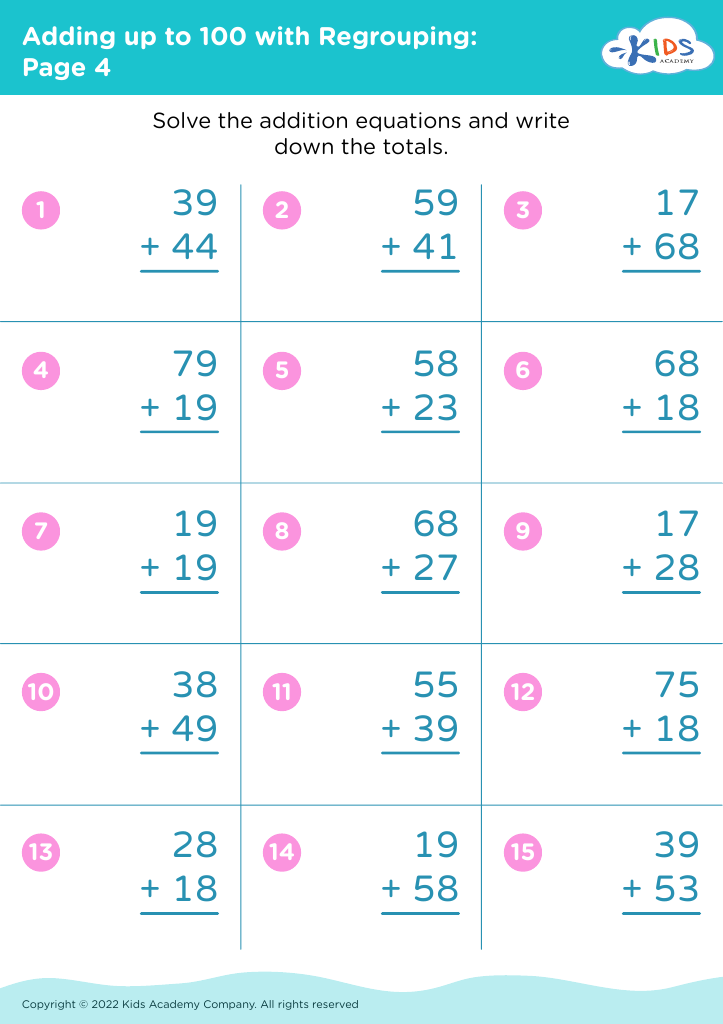
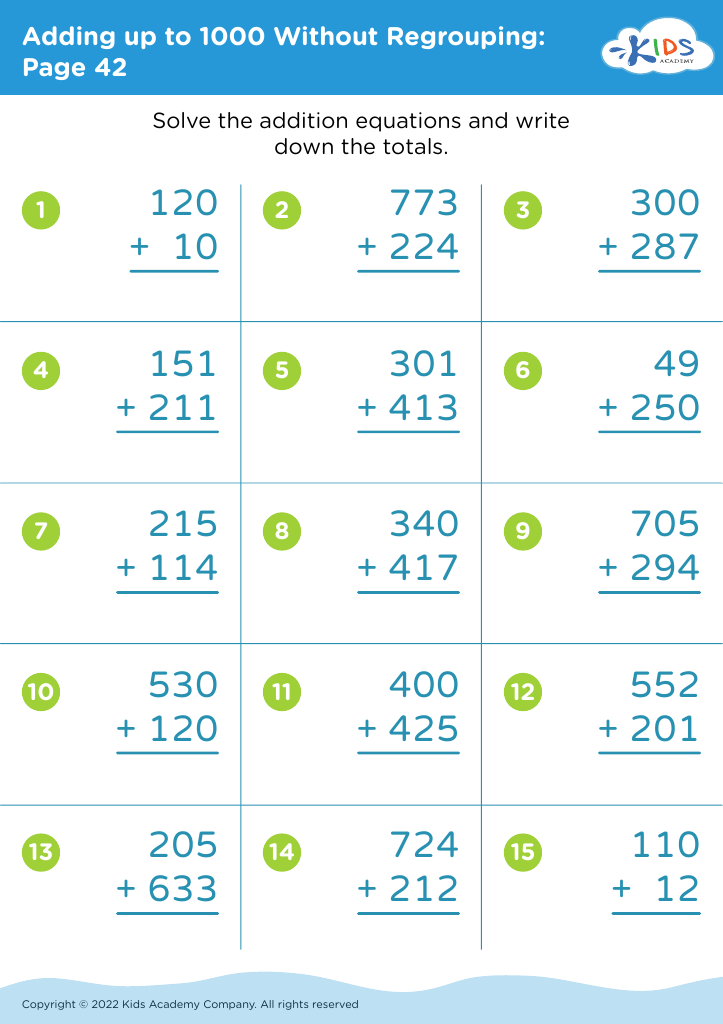
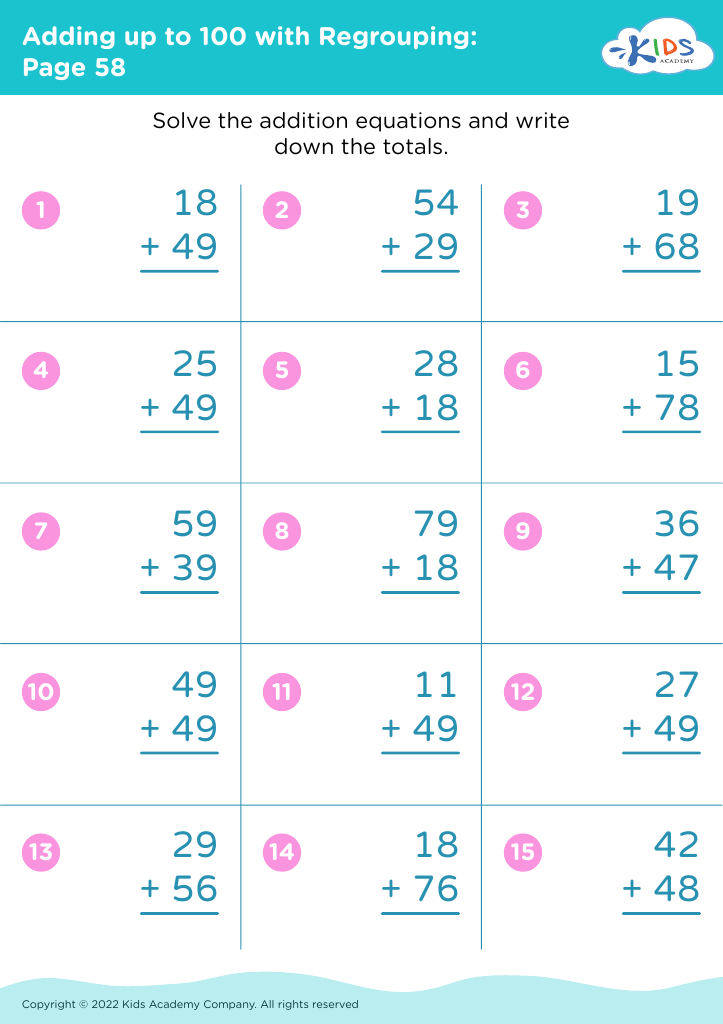
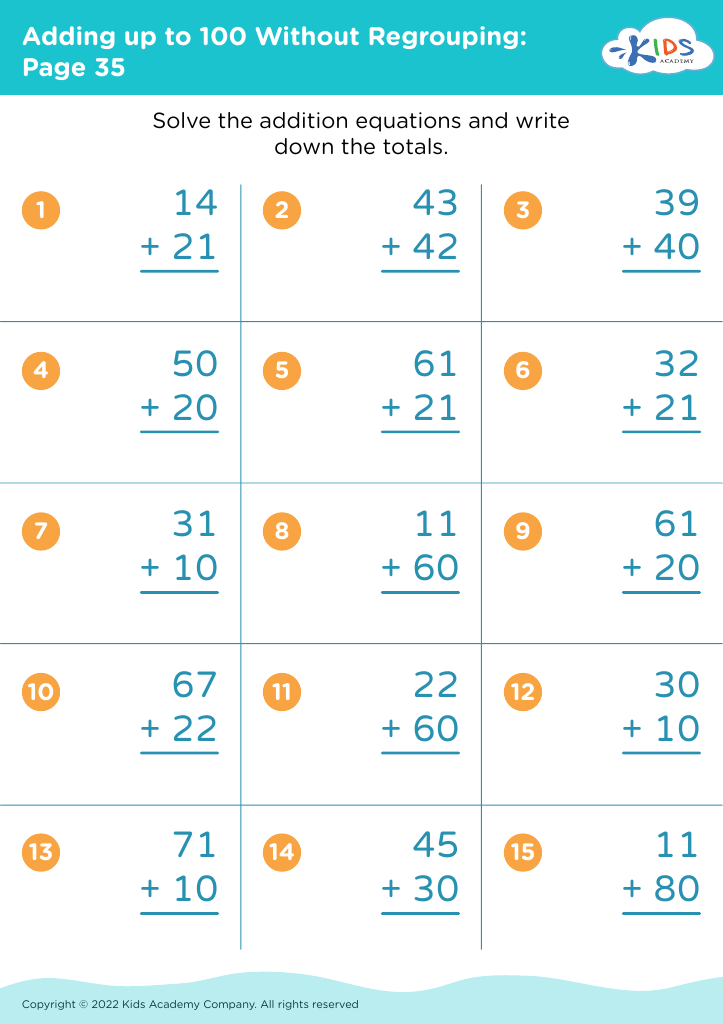
Enhance your child's math learning experience with our engaging Vocabulary Building Addition Worksheets designed for ages 6-7. These worksheets combine addition practice with vocabulary enrichment, empowering young learners to develop their math skills and language simultaneously. Each worksheet features fun activities and problems that encourage critical thinking and comprehension, making math enjoyable and educational. Ideal for home or classroom use, our resources help kids build a strong foundation in both mathematics and vocabulary. With vibrant illustrations and interactive exercises, these worksheets inspire creativity while reinforcing essential skills. Explore our collection today and watch your child's confidence soar!




.jpg)



Vocabulary building is crucial for children aged 6-7, as it lays the foundation for literacy and academic success. During this developmental stage, children are rapidly expanding their language skills and are becoming more adept at expressing their thoughts, feelings, and ideas. A rich vocabulary enhances their comprehension abilities, which are essential for understanding reading materials across all subjects.
Teachers and parents should prioritize vocabulary building because it significantly impacts overall communication skills. A robust vocabulary allows children to articulate their ideas clearly, ask questions, and engage in discussions with peers and adults. Furthermore, a strong vocabulary supports writing skills, enabling children to create more elaborate and interesting narratives or reports.
In addition, a broad vocabulary contributes to confidence in social interactions, helping children to formulate friendships and find their place within social contexts. By focusing on vocabulary at this age, parents and teachers can provide children with the tools they need for lifelong learning and critical thinking. Activities like word games, storytelling, and conversational exercises can make learning engaging and fun. Ultimately, investing in vocabulary development now cultivates a love for language and learning that continues long into the future.








