Color Identification Numbers Worksheets for Ages 6-7
13 filtered results
-
From - To
Discover our engaging Color Identification Numbers Worksheets for children ages 6-7! These worksheets are designed to enhance your child's understanding of numbers while introducing them to vibrant colors. Each worksheet features fun activities that integrate color identification with number recognition, making learning both interactive and enjoyable. Kids will explore colorful illustrations, practice matching colors to their corresponding numbers, and develop essential early math skills. Perfect for homeschool and classroom settings, these resources promote creativity, critical thinking, and visual learning. Inspire your young learners to embark on a colorful journey of education with our dynamic and visually appealing worksheets!
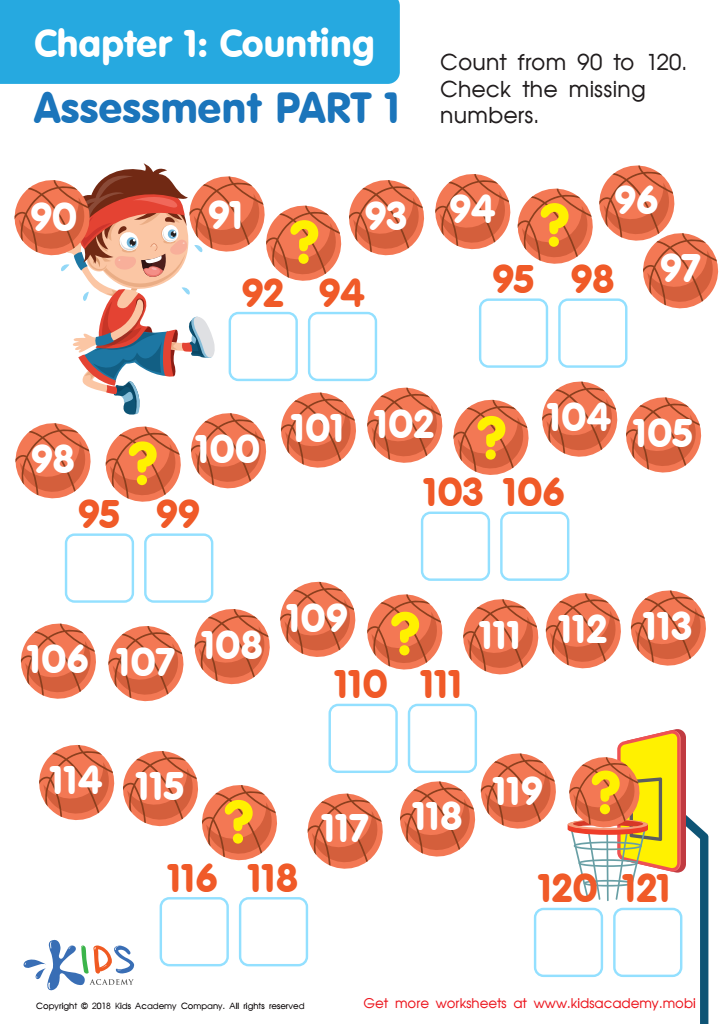
Counting Past 1: Assessment 1 Worksheet
 Assign to My Students
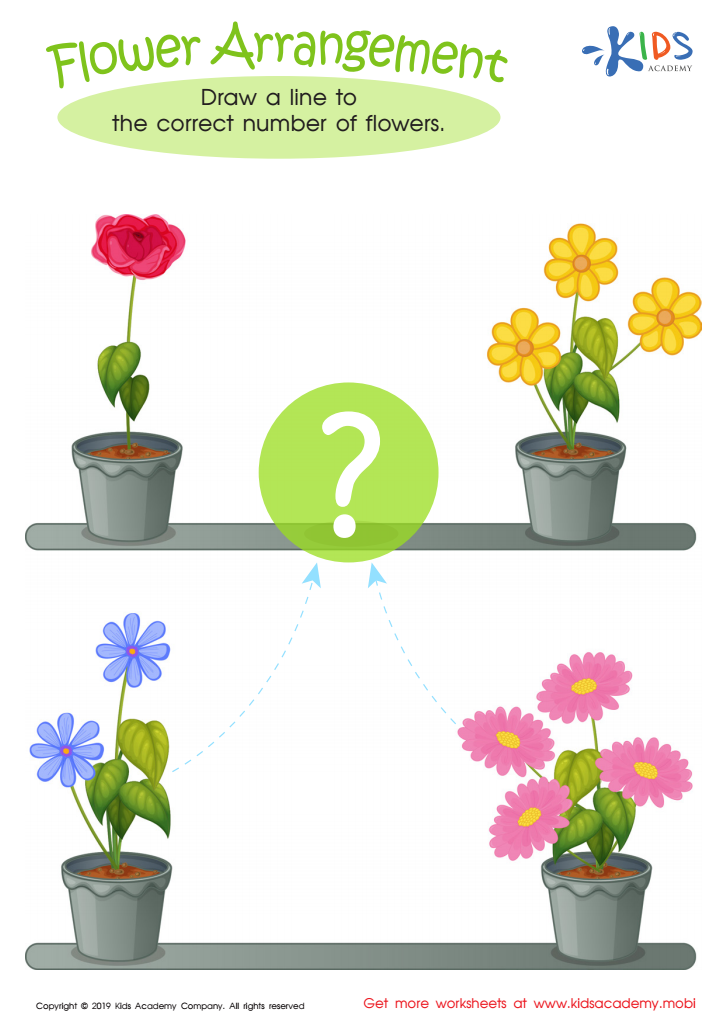
Flower Arrangement Worksheet
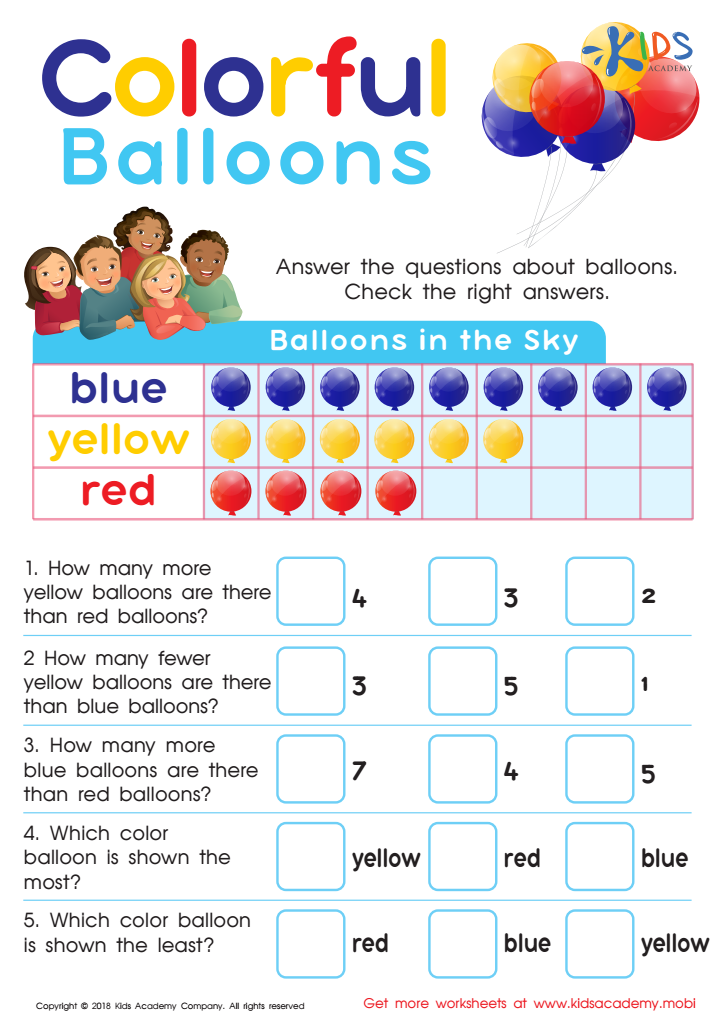
Picture Graphs: Colorful Balloons Worksheet
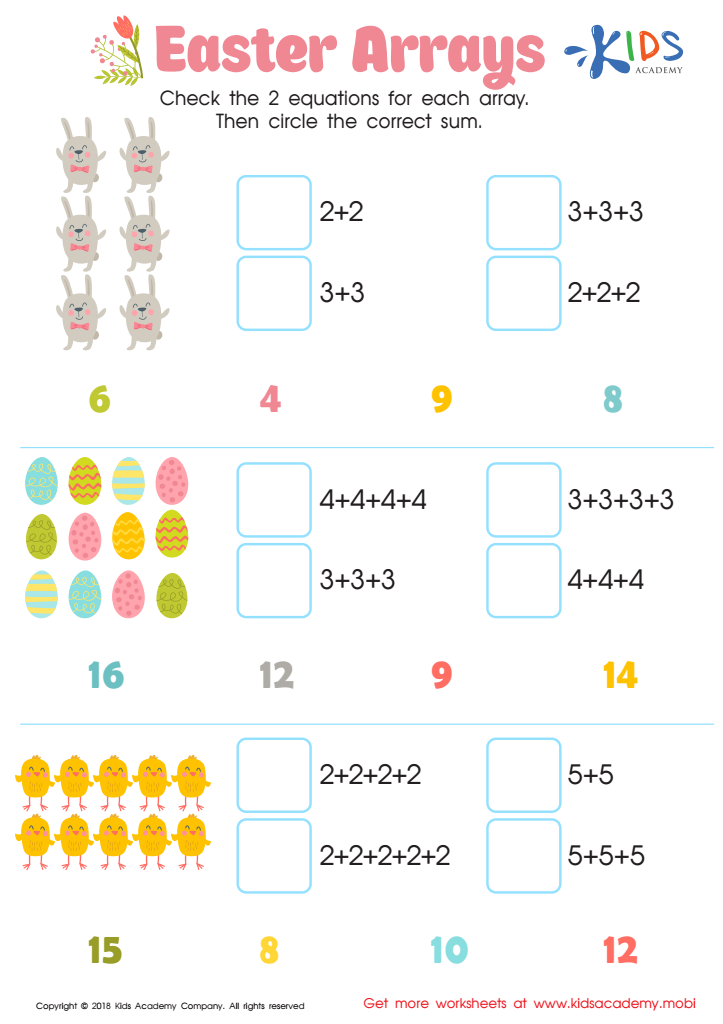
Easter Arrays Worksheet
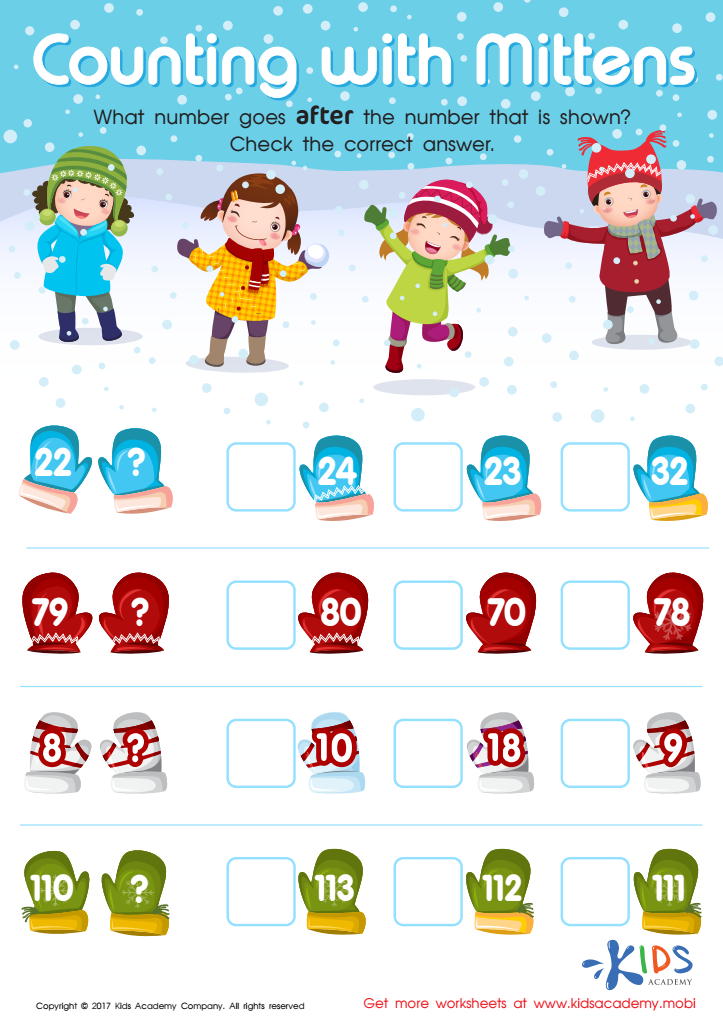
Counting with Mittens Worksheet
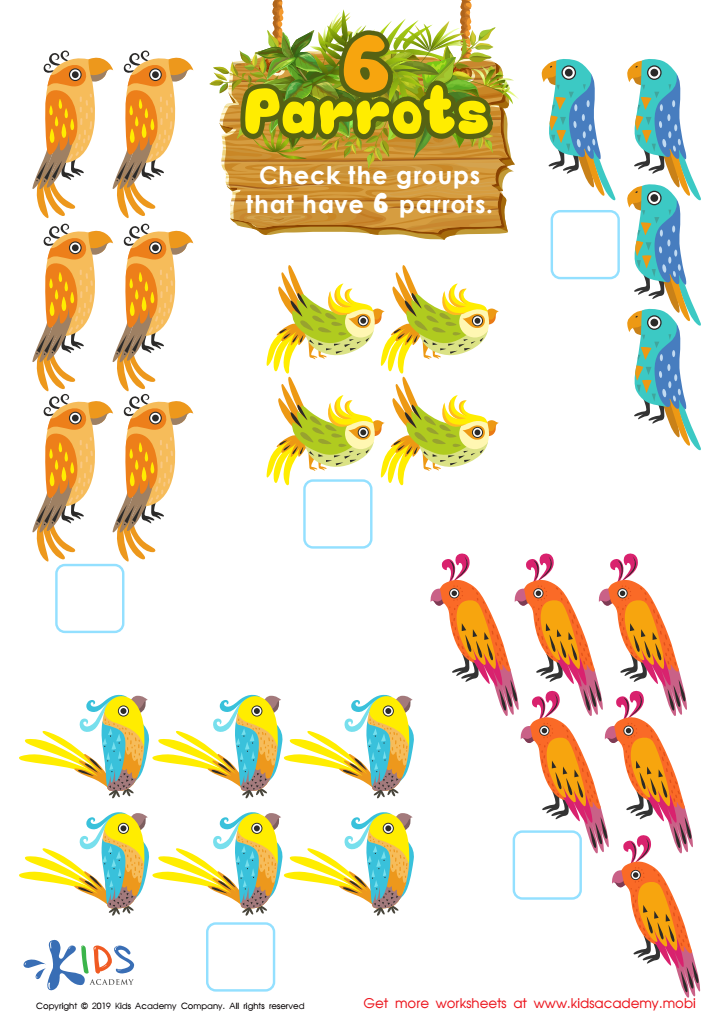
6 Parrots Worksheet
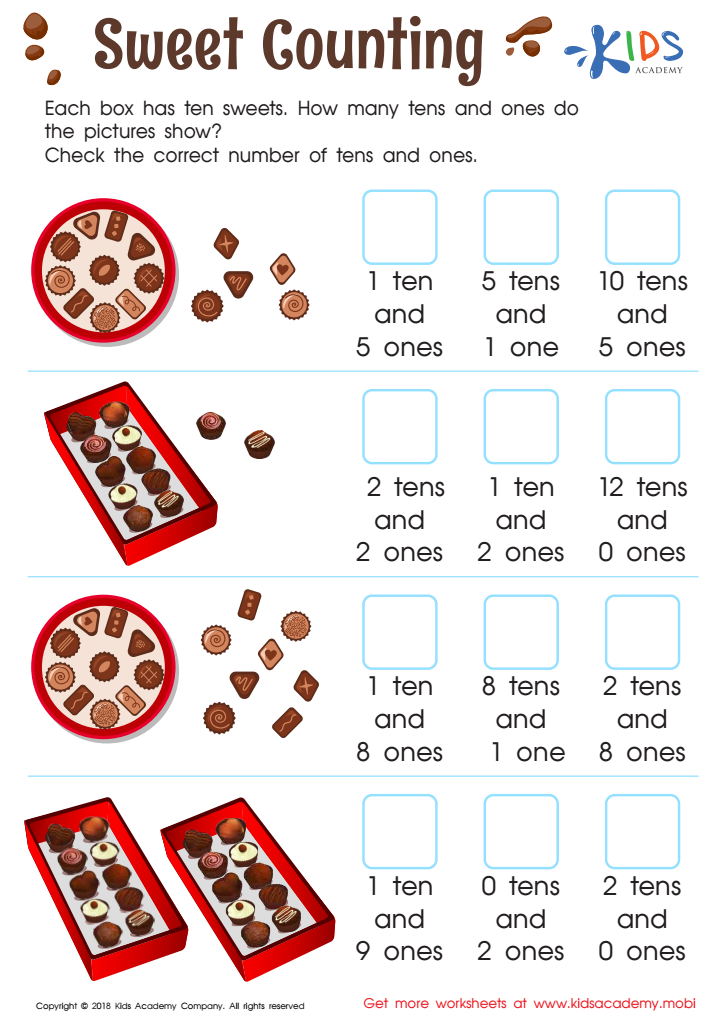
Sweet Counting - Part 2 Worksheet
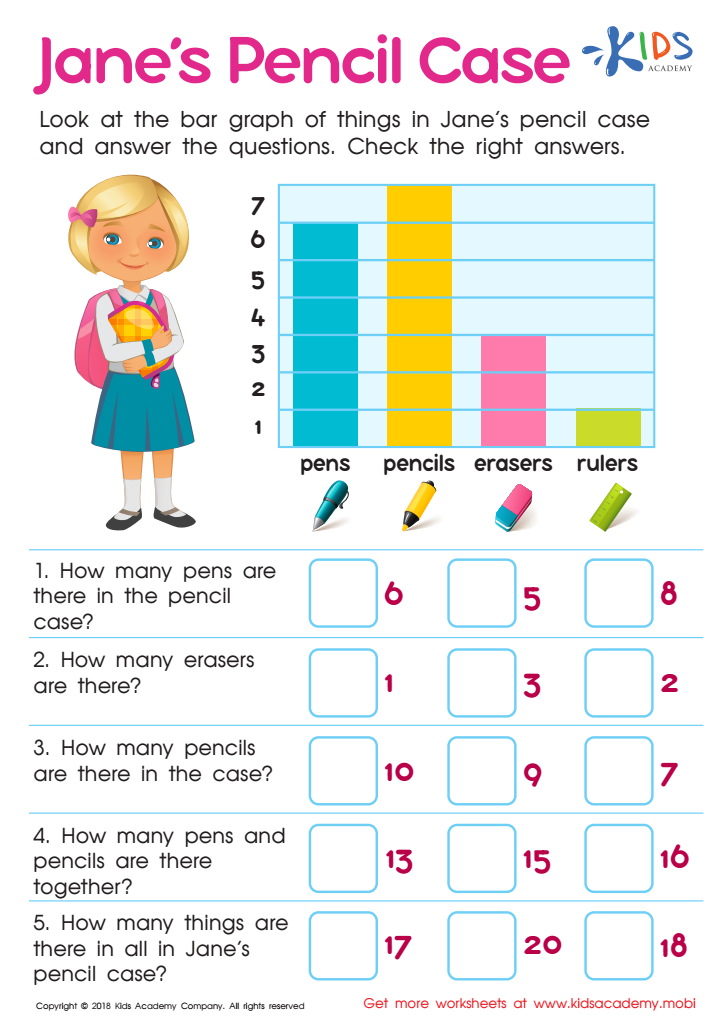
Jane's Pencil Case Worksheet
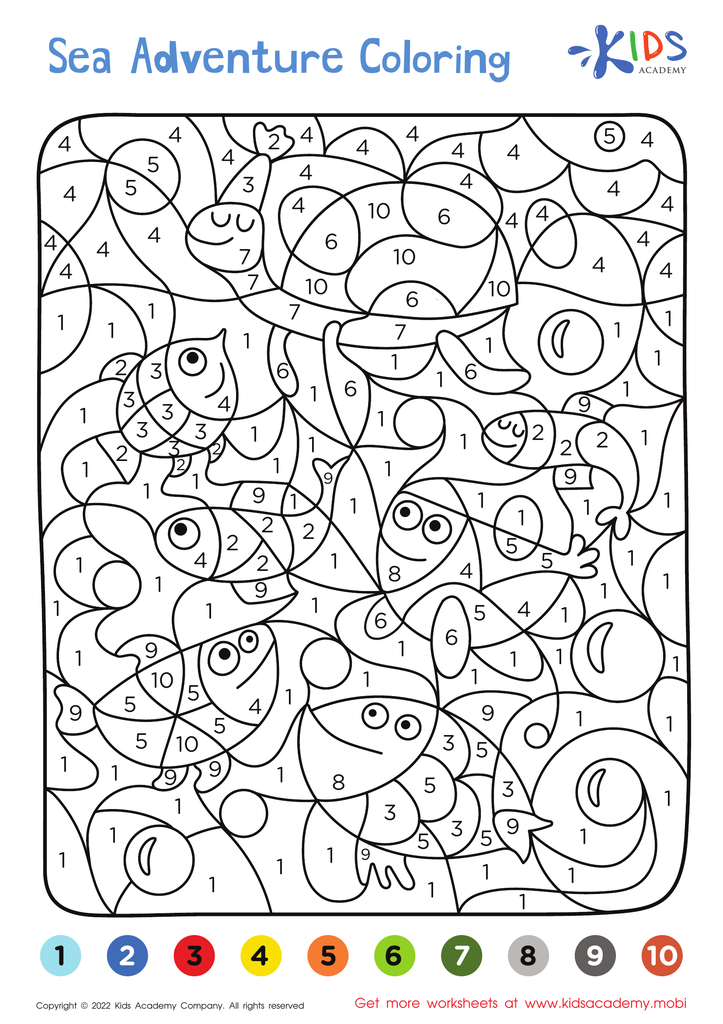
Sea Adventure – Coloring by Numbers
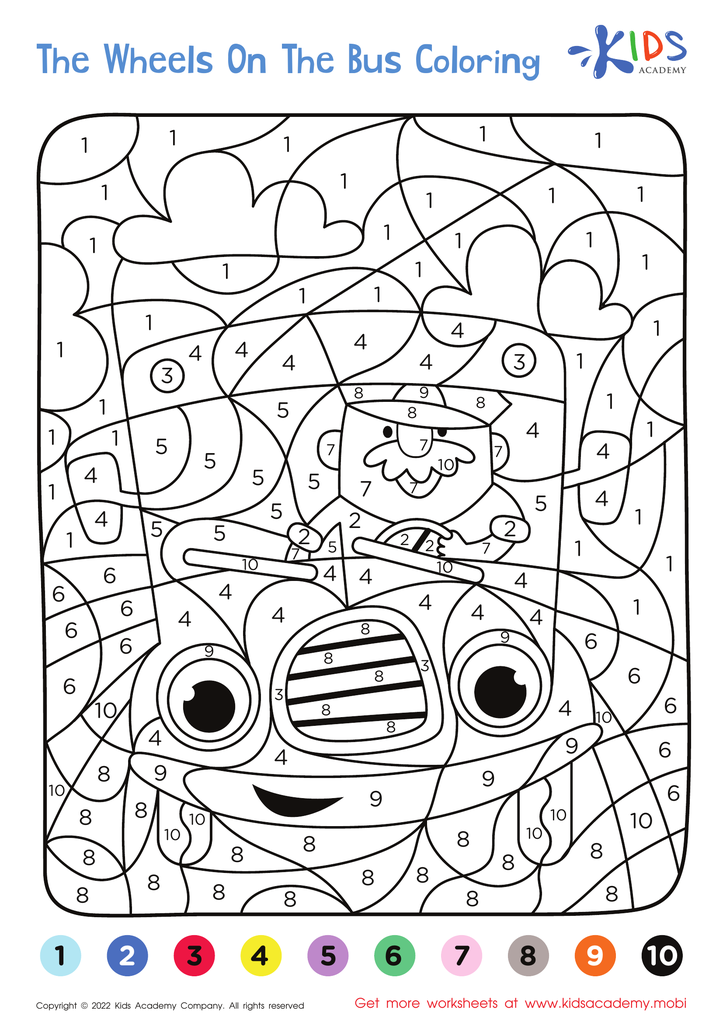
Wheels on the Bus – Coloring by Numbers
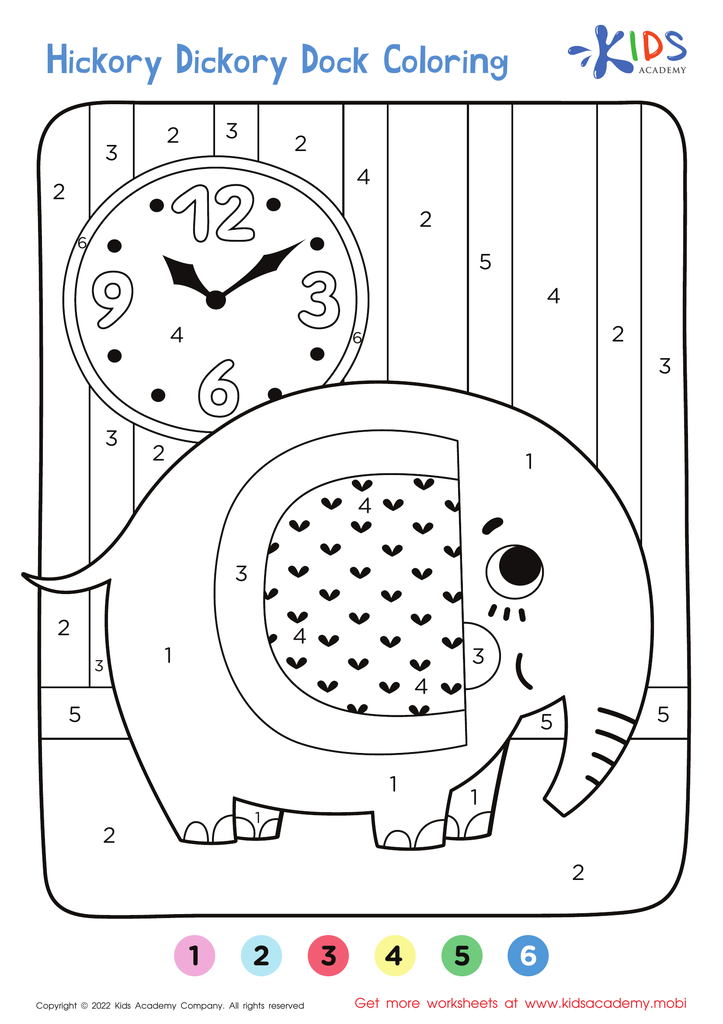
Hickory Dickory Dock – Coloring by Numbers
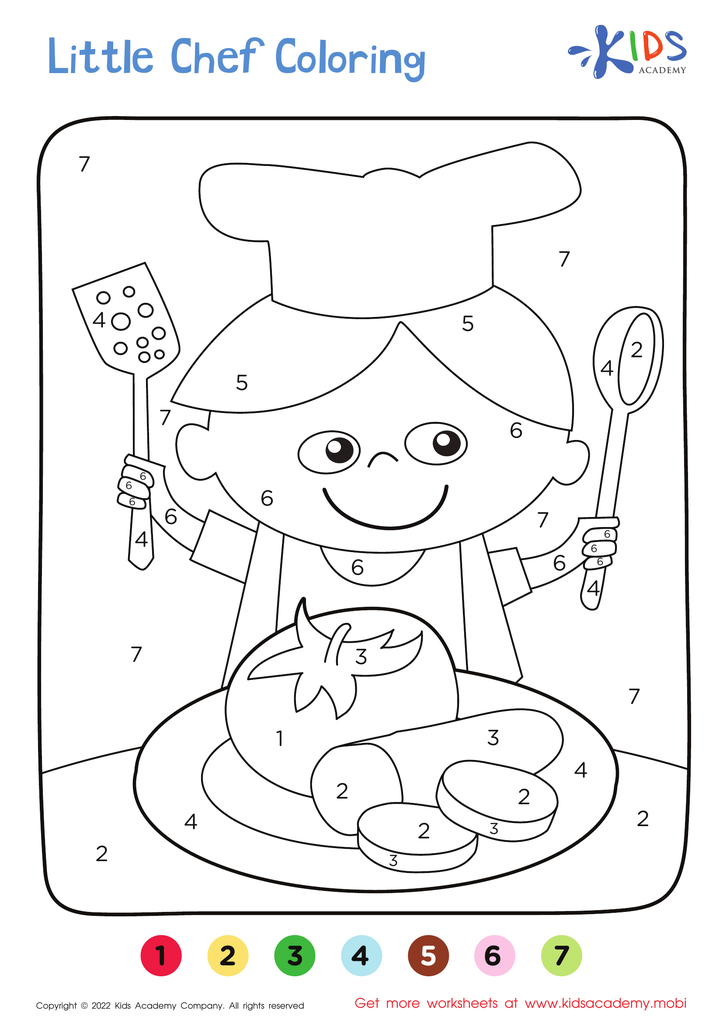
Little Chef – Coloring by Numbers
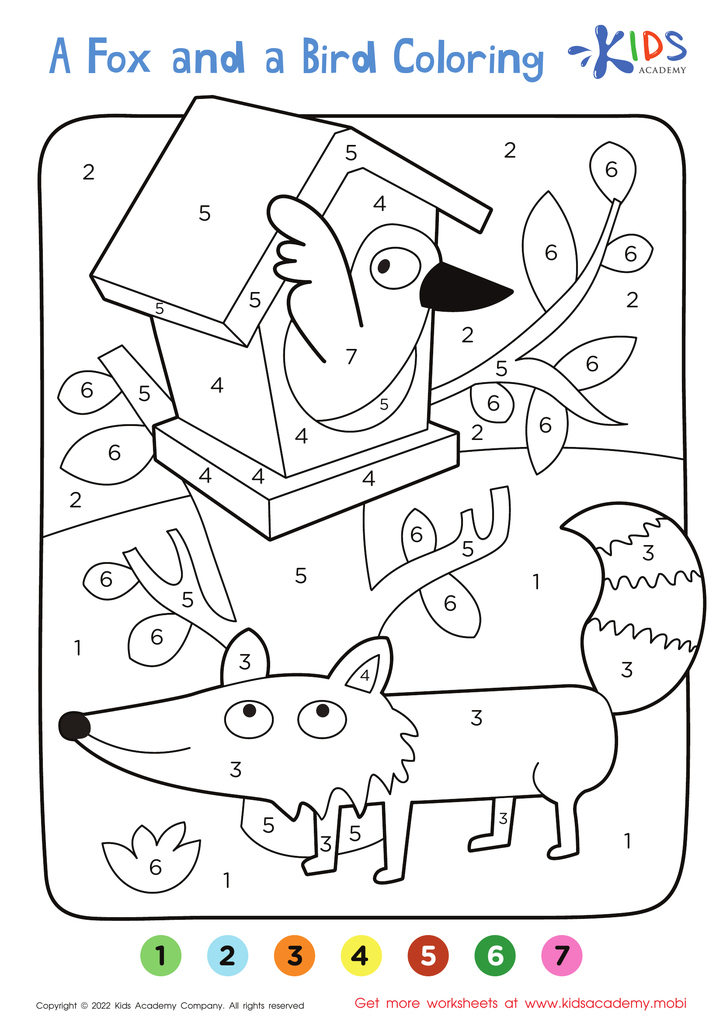
A Fox and a Bird – Coloring by Numbers








Color Identification Numbers (CIN) are crucial for children aged 6-7 as they support both cognitive development and creativity. At this age, children are developing critical thinking and observation skills. Color identification helps them to categorize and differentiate objects, honing their analytical abilities. When parents and teachers introduce Color Identification Numbers, they provide a structured way to engage children in these skills.
Moreover, understanding color names and numbers enhances language development. Children learn to articulate their preferences and observations while also expanding their vocabulary, which is essential for effective communication. Using Color Identification Numbers can help in reinforcing number recognition, as these colors can be linked to numerals, enriching their overall numeracy skill set.
In a classroom or at home, Color Identification Numbers can also serve as an avenue for creative expression. By learning to identify colors, children can make informed choices in art and craft activities, promoting their creativity and self-expression. Overall, incorporating Color Identification Numbers into early learning invites exploration, fosters communication, and enriches children's understanding of the world around them. For parents and teachers, supporting this skill is vital for building a strong foundation for future academic success.








