Multiplication practice Numbers Worksheets for Ages 6-7
5 filtered results
-
From - To
Boost your child's math skills with our engaging Multiplication Practice Worksheets designed for ages 6-7! These printable worksheets provide a fun and interactive way for early learners to grasp multiplication concepts, ensuring they build a strong foundation in mathematics. Featuring vibrant visuals and diverse exercises, these worksheets cater to different learning styles, allowing your child to practice multiplication through patterns, simple equations, and eye-catching illustrations. As they work through these activities, children will enhance their problem-solving abilities and number sense. Perfect for home or classroom use, these worksheets make learning multiplication an enjoyable and rewarding experience for young mathematicians!
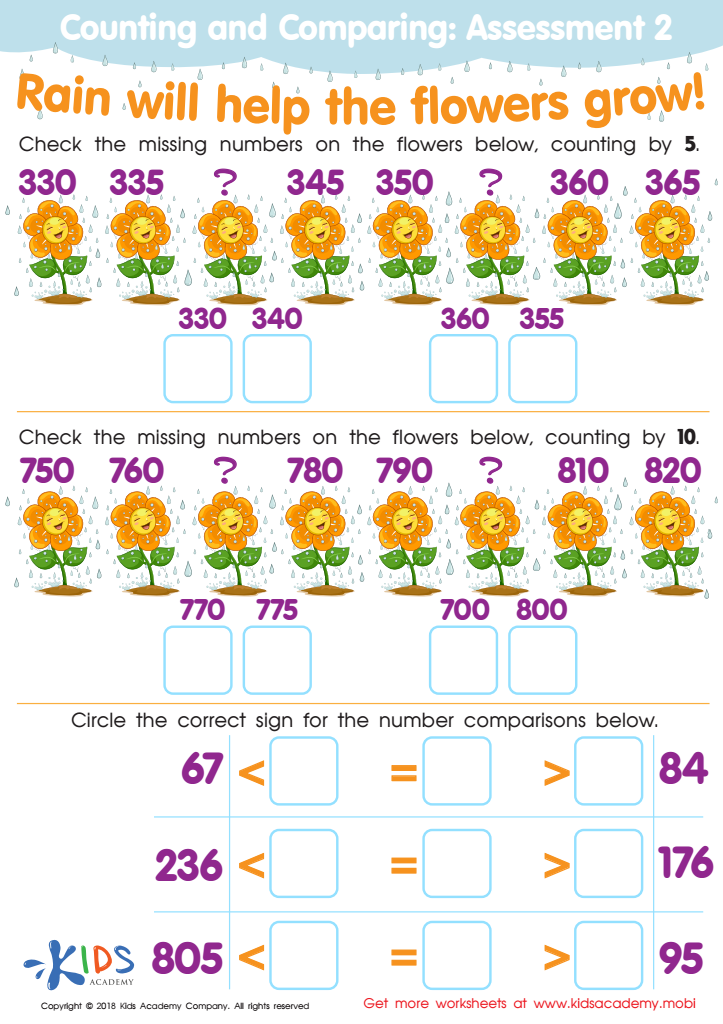
Counting and Comparing: Assessment 2 Worksheet
 Assign to My Students
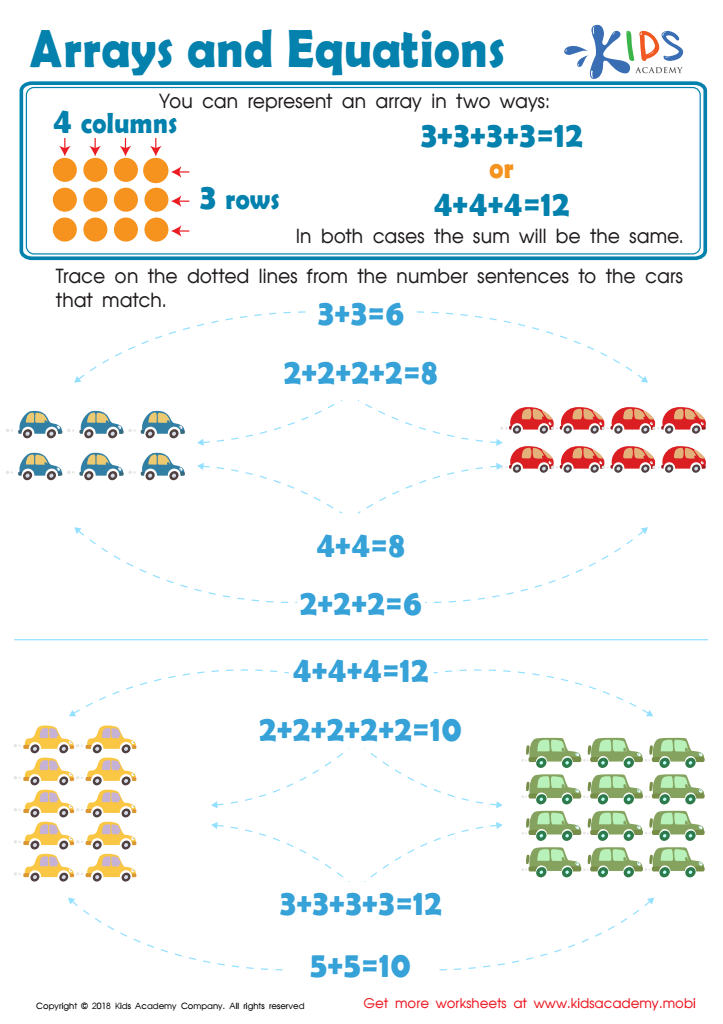
Arrays and Equations Worksheet
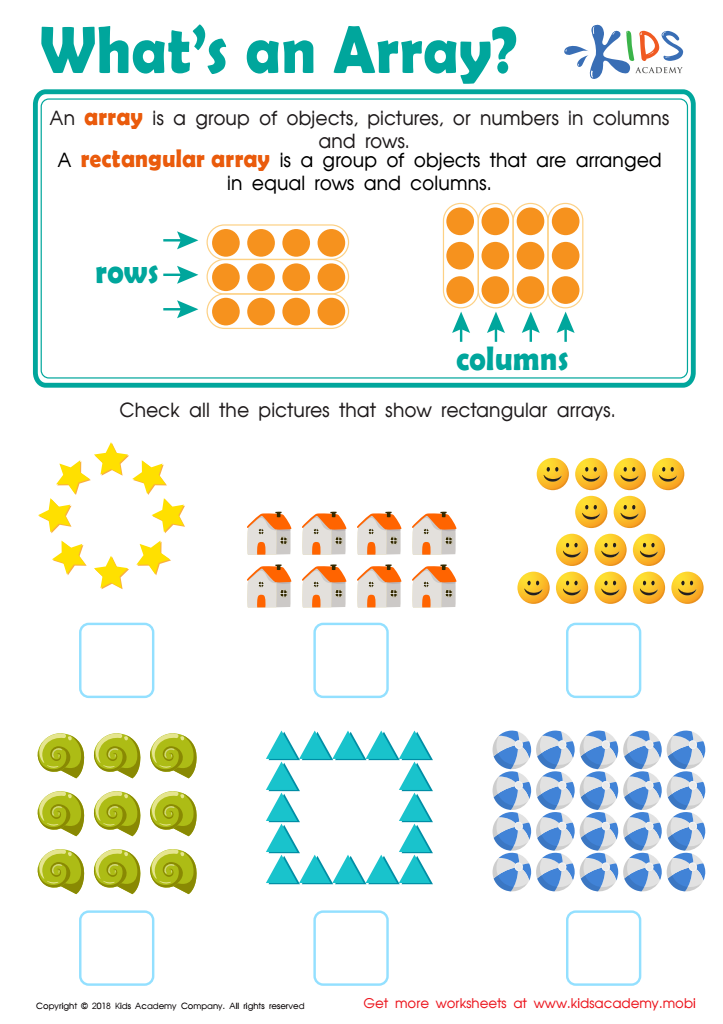
What's an Array? Worksheet
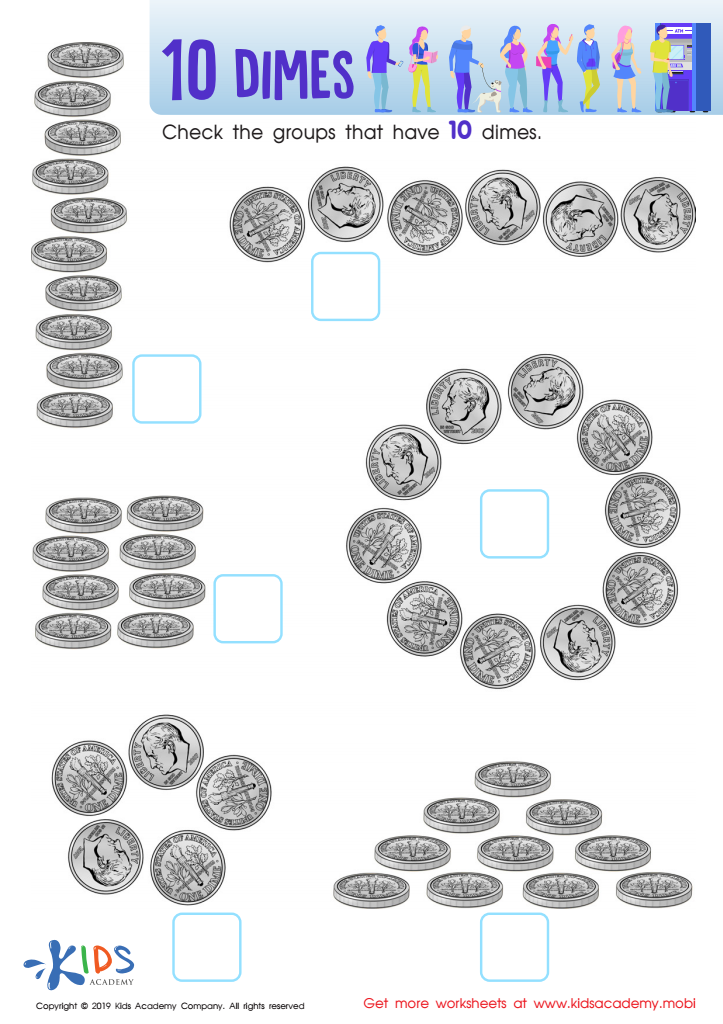
10 Dimes Worksheet
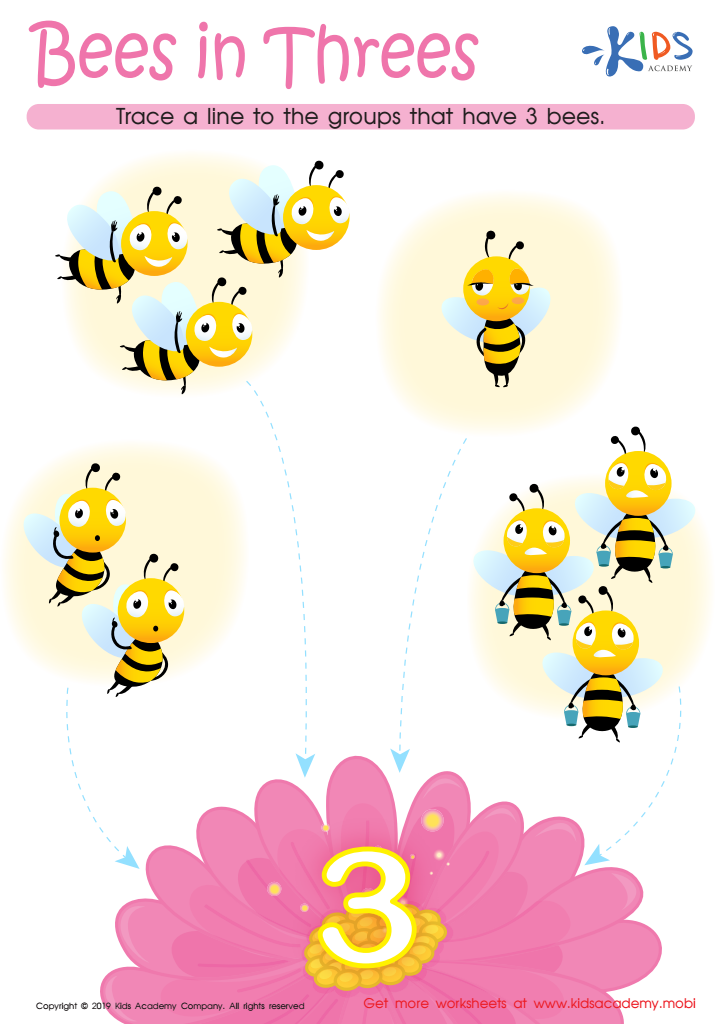
Bees in Threes Worksheet





%20(1).jpg)

Multiplication practice for ages 6-7 is crucial for early mathematical development. At this stage, children are building foundational skills that will support their learning in advanced math concepts later on. Engaging with multiplication helps cultivate number sense and improves their ability to recognize patterns, fostering critical thinking skills.
Math fluency is essential, and practicing multiplication enables children to perform calculations with confidence and ease. This groundwork contributes to their overall academic success, as multiplication is a building block for algebra, geometry, and even real-life problem-solving scenarios.
Additionally, repetition helps solidify understanding and memorization, making it easier for children to recall facts when they encounter more complex equations. Flexible mastery of multiplication can enhance their engagement in math and reduce anxiety around the subject.
Teachers and parents can inspire motivation through games and fun activities that make learning enjoyable. The collaborative effort to reinforce multiplication concepts cultivates a love for learning and helps establish a positive relationship with mathematics, which can influence a child's lifelong educational journey. Ultimately, a solid grasp of multiplication empowers children, equipping them with vital skills that extend beyond the classroom into everyday life.








