Recognizing Patterns Numbers Worksheets for Ages 6-7
3 filtered results
-
From - To
Discover our engaging "Recognizing Patterns Numbers Worksheets" designed for children ages 6-7! These worksheets provide a fun and interactive way for young learners to explore and identify numerical patterns. Through colorful illustrations and stimulating exercises, kids develop crucial math skills while enhancing their cognitive abilities. Each worksheet features a variety of activities, from completing sequences to solving logic puzzles, ensuring that your child remains captivated and motivated. Our thoughtfully crafted resources cater to different learning styles, making pattern recognition a delightful experience. Download these worksheets today to support your child's mathematical journey and boost their confidence in number recognition!
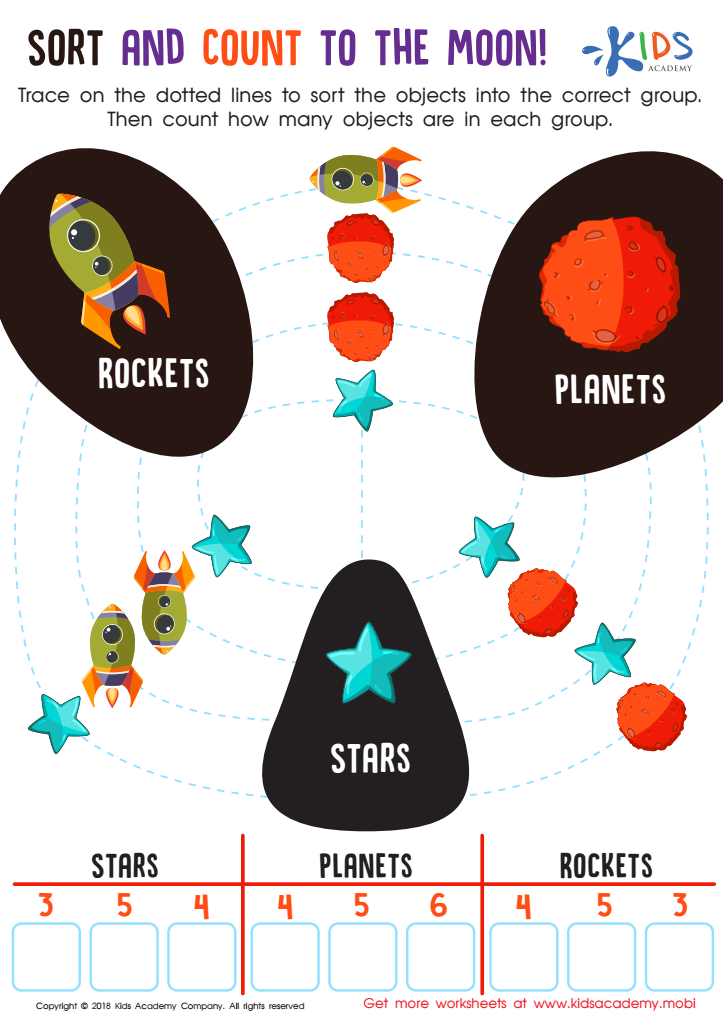
Sort and Count to the Moon Worksheet
 Assign to My Students
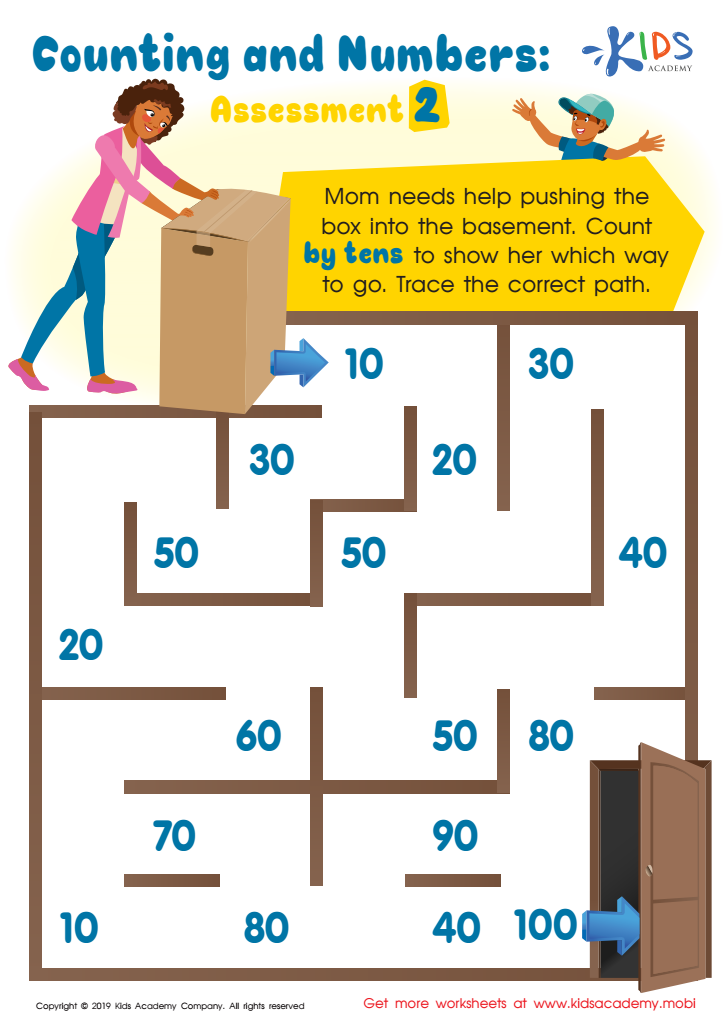
Counting and Numbers: Assessment 2 Worksheet
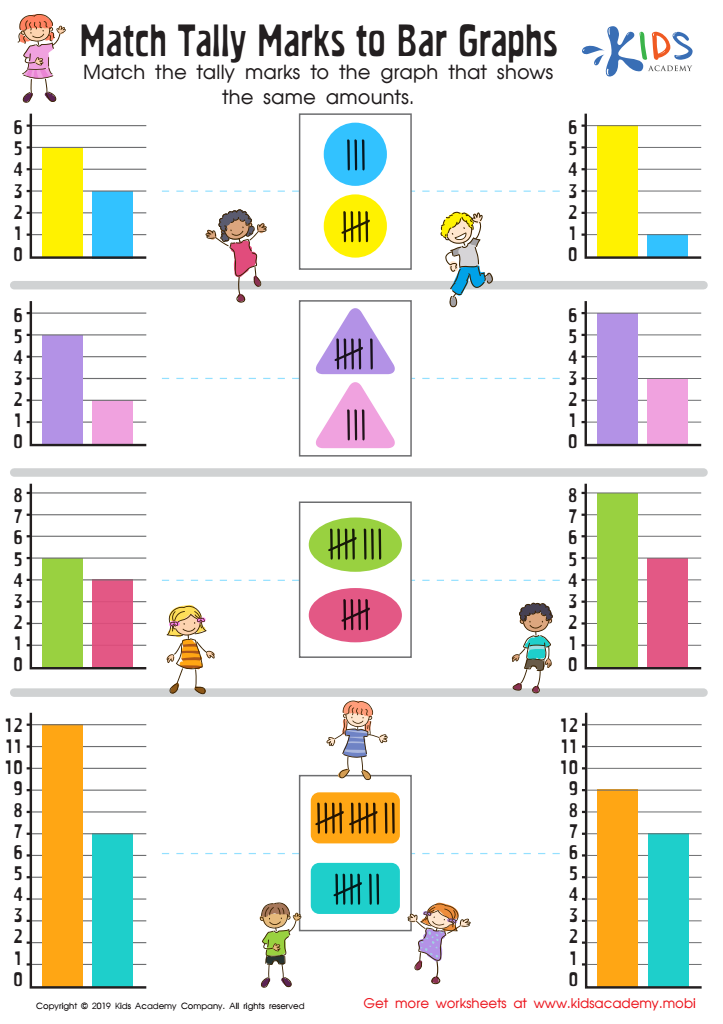
Match Tally Marks to Bar Graphs Worksheet








Recognizing patterns, particularly in numbers, is a crucial skill for children aged 6-7 as it lays the foundation for more complex math concepts and critical thinking. Patterns help children understand relationships between numbers, enhancing their ability to predict and make sense of numerical sequences. By recognizing patterns, young learners can identify simple calculations, which promotes fluency in arithmetic and serves as a bridge to more advanced concepts like multiplication and division.
Furthermore, pattern recognition contributes to logical reasoning and problem-solving. Children who are adept at spotting patterns tend to develop better analytical skills, enabling them to approach challenges creatively. This skill is essential not only in mathematics but across various subjects, as it promotes a structured way of thinking.
For parents and teachers, encouraging pattern recognition helps foster a positive learning environment. Engaging children in activities that explore patterns cultivates curiosity and resilience, as it allows them to experiment and observe outcomes. Ultimately, by prioritizing the understanding of patterns, we empower children to become confident and effective learners, equipped with the tools necessary for academic success and lifelong learning.








