Understanding fractions Numbers Worksheets for Ages 6-7
4 filtered results
-
From - To
Unlock the potential of young mathematicians with our "Understanding Fractions Numbers Worksheets for Ages 6-7." Tailored for first and second graders, these worksheets introduce foundational fraction concepts with engaging visuals and interactive exercises. Children will explore equal parts, halves, quarters, and thirds through a mix of fun activities and real-world examples, making learning both effective and enjoyable. Ideal for classroom use or homeschooling, our worksheets are designed to build confidence in handling fractions, setting the groundwork for advanced math skills. Foster a love for numbers with our expertly crafted fractions worksheets, available for free download today.
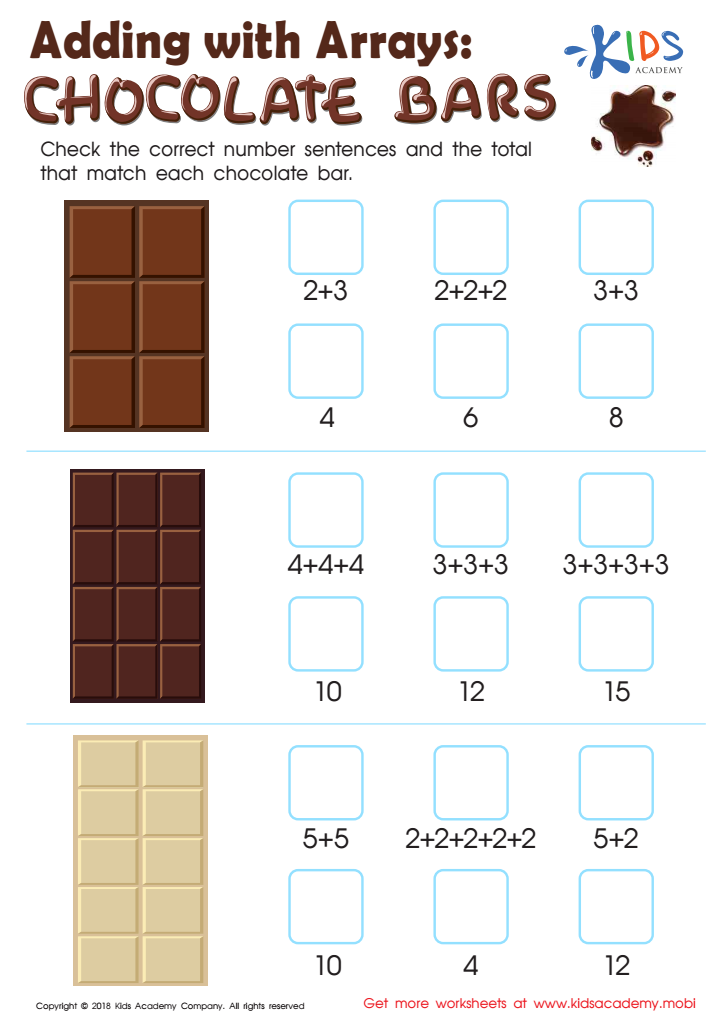
Adding with Arrays: Chocolate Bars Worksheet
 Assign to My Students
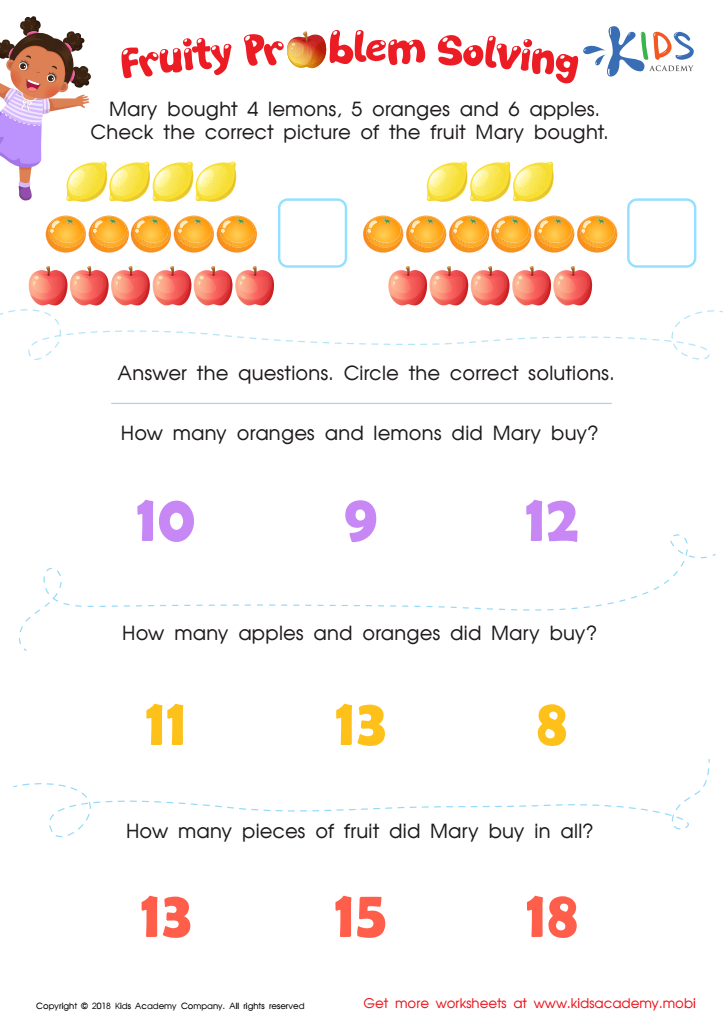
Fruity Problem Solving Worksheet
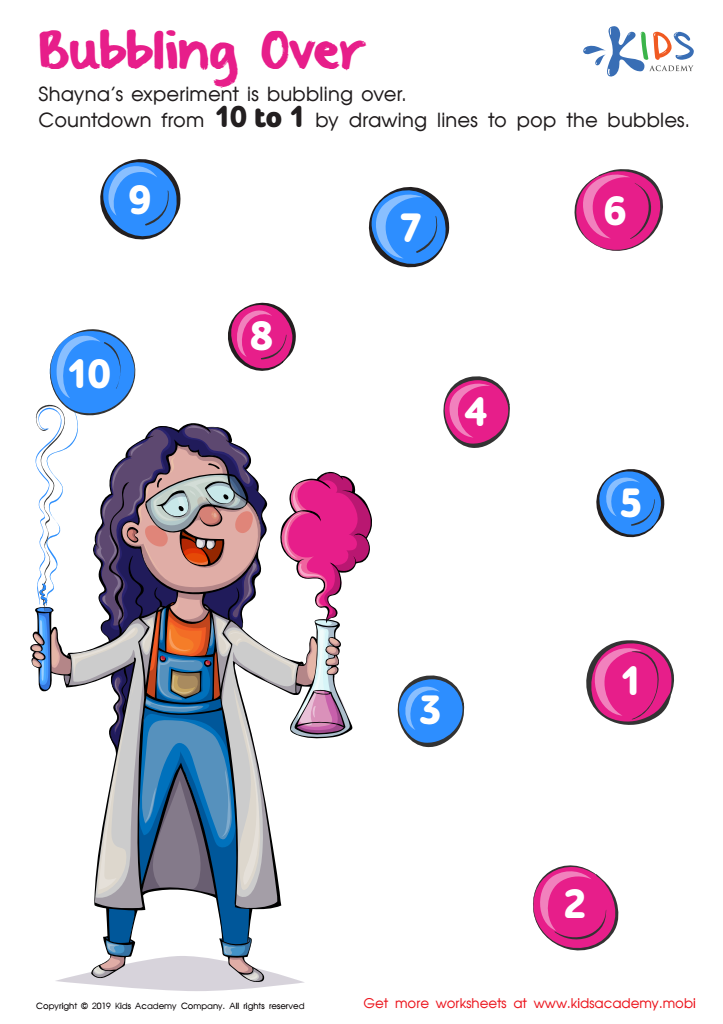
Bubbling Over Worksheet
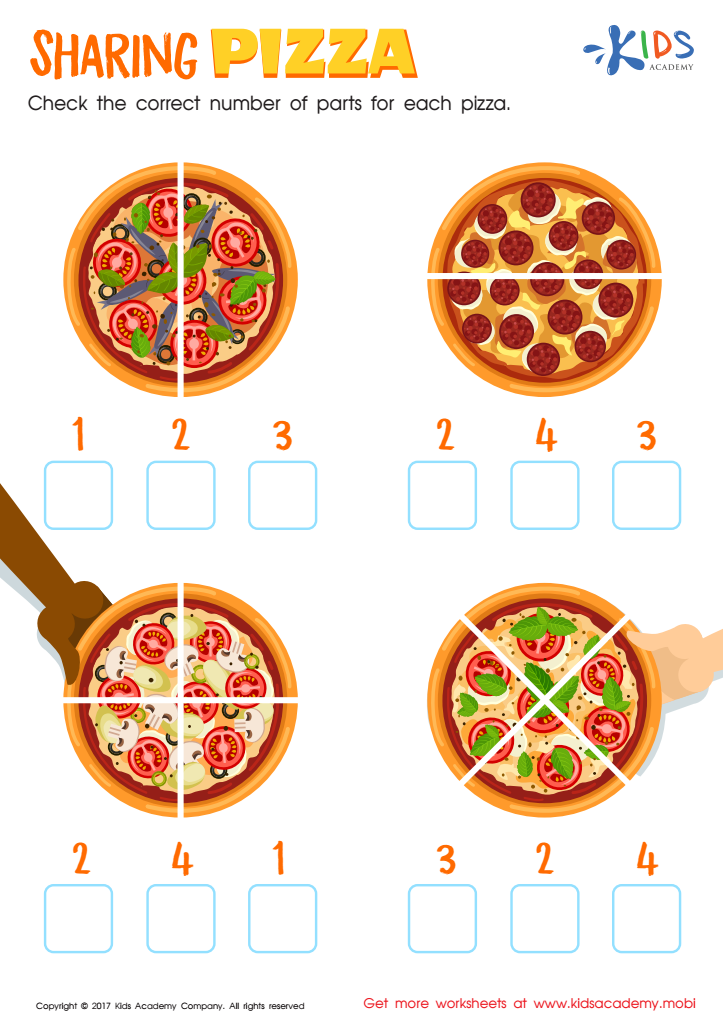
Sharing Pizza Worksheet







.jpg)
Understanding fractions at an early age, such as 6-7, is crucial for several compelling reasons. Firstly, fractions are foundational mathematical concepts that pave the way for more advanced topics like division, ratios, and algebra. When children grasp these principles early, they build a strong mathematical foundation and gain confidence in their abilities.
Secondly, fractions help develop critical thinking and problem-solving skills. By learning how to divide wholes into equal parts and understand their relationships, children hone their analytical abilities, which transcend math and apply to everyday decision-making.
Furthermore, fractions often appear in daily life, whether in cooking, telling time, or dividing groups into parts. Familiarity with fractions early on makes these real-world applications intuitive for children, enabling them to navigate daily activities with greater ease.
Lastly, early exposure to fractions helps bridge learning gaps and prevent future difficulties in math. Many children struggle with fractions later if not introduced to them properly at a young age. By ensuring children understand and feel comfortable with fractions, parents and teachers lay the groundwork for long-term academic success and foster a positive attitude towards math.
Investing time in teaching fractions early contributes significantly to a child’s overall cognitive development and academic path, making it a priority for both parents and educators.








