Understanding patterns Numbers Worksheets for Ages 6-7
6 filtered results
-
From - To
Unlock the world of patterns with our engaging Understanding Patterns Numbers Worksheets, designed specifically for children ages 6-7. These worksheets introduce young learners to the fundamental concept of patterns in numbers, fostering critical thinking and mathematical skills. Each activity encourages kids to identify, extend, and create their own patterns, making learning interactive and fun. Ideal for reinforcing classroom lessons or enriching home study, our worksheets accommodate various learning styles, ensuring that every child thrives. Explore our colorful, user-friendly resources to help your child recognize the beauty of numbers and master the essential skill of pattern recognition today!
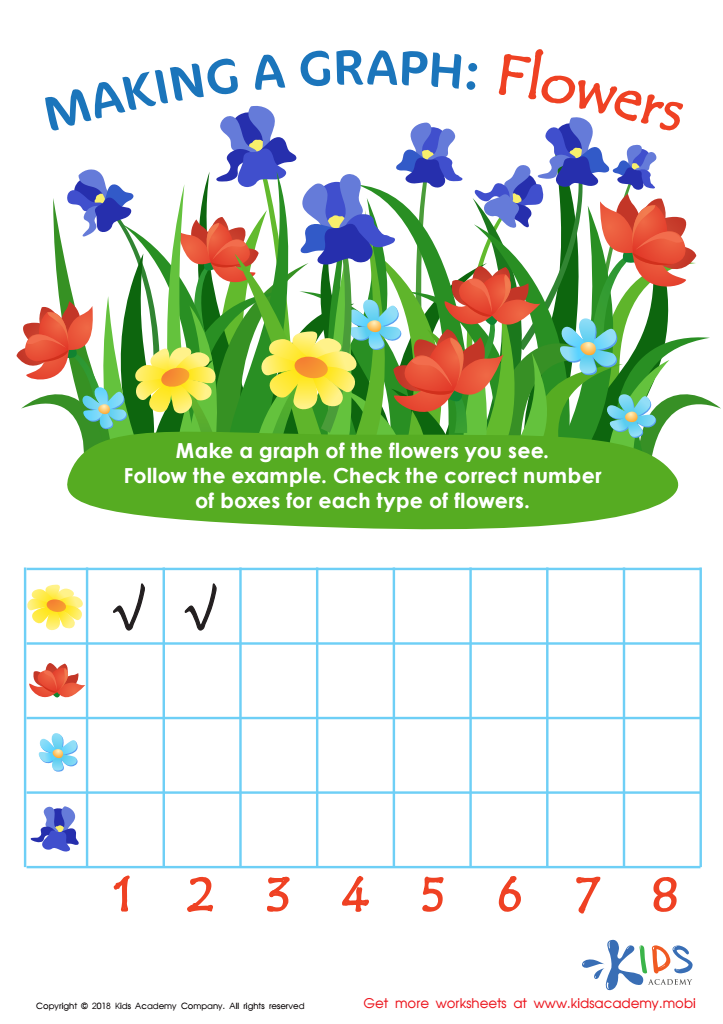
Making a Graph: Flowers Worksheet
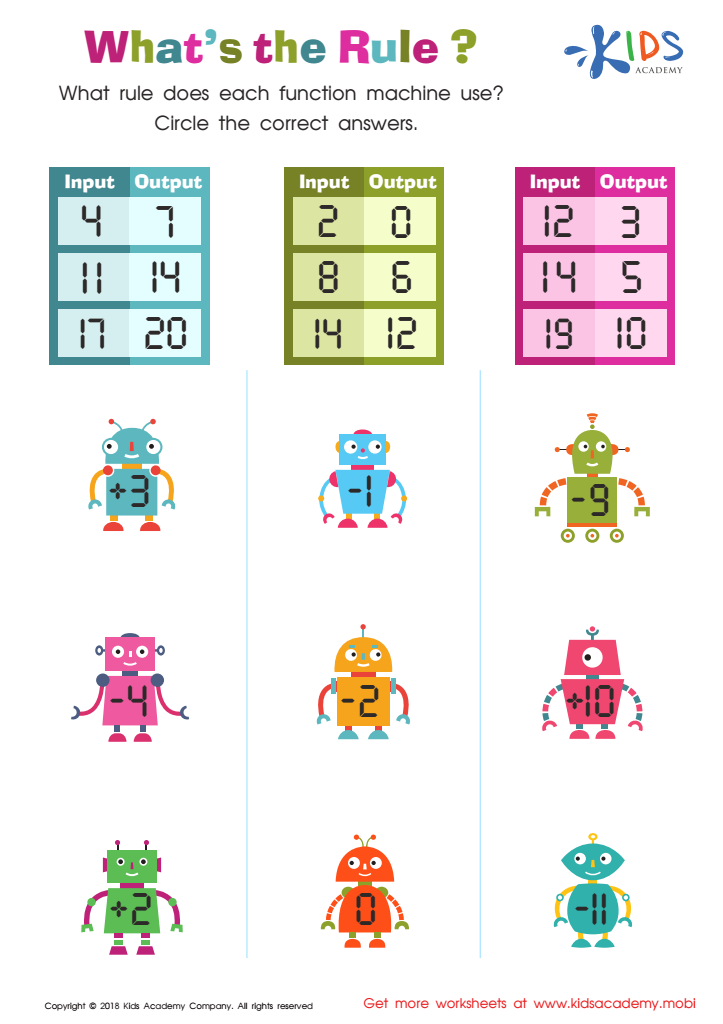
What's the Rule Worksheet
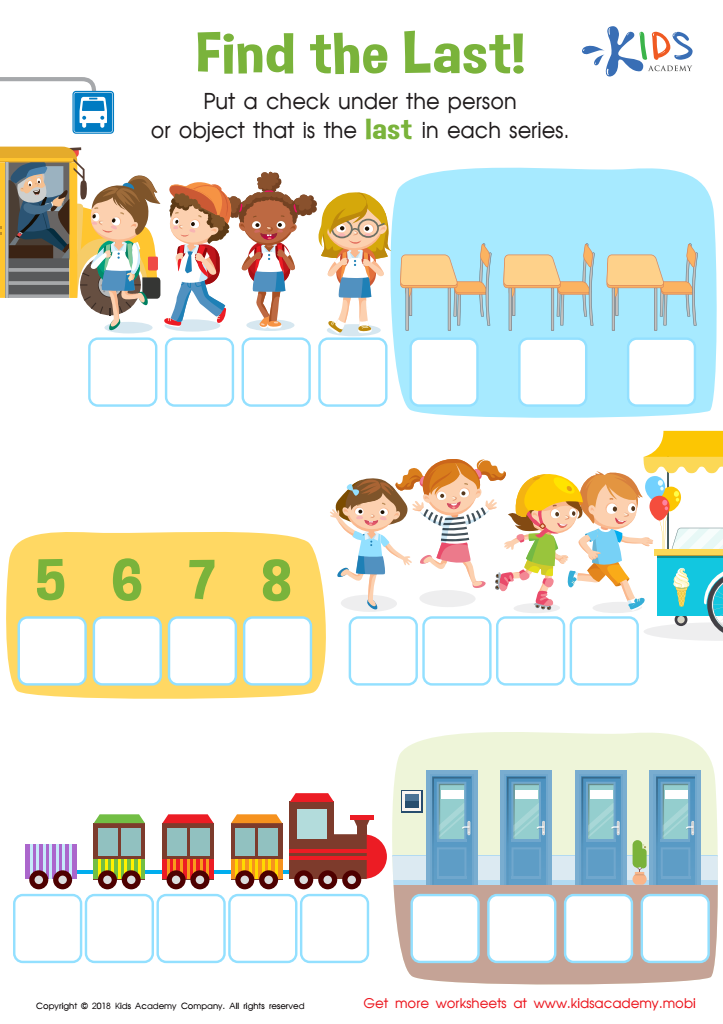
Find the Last! Worksheet
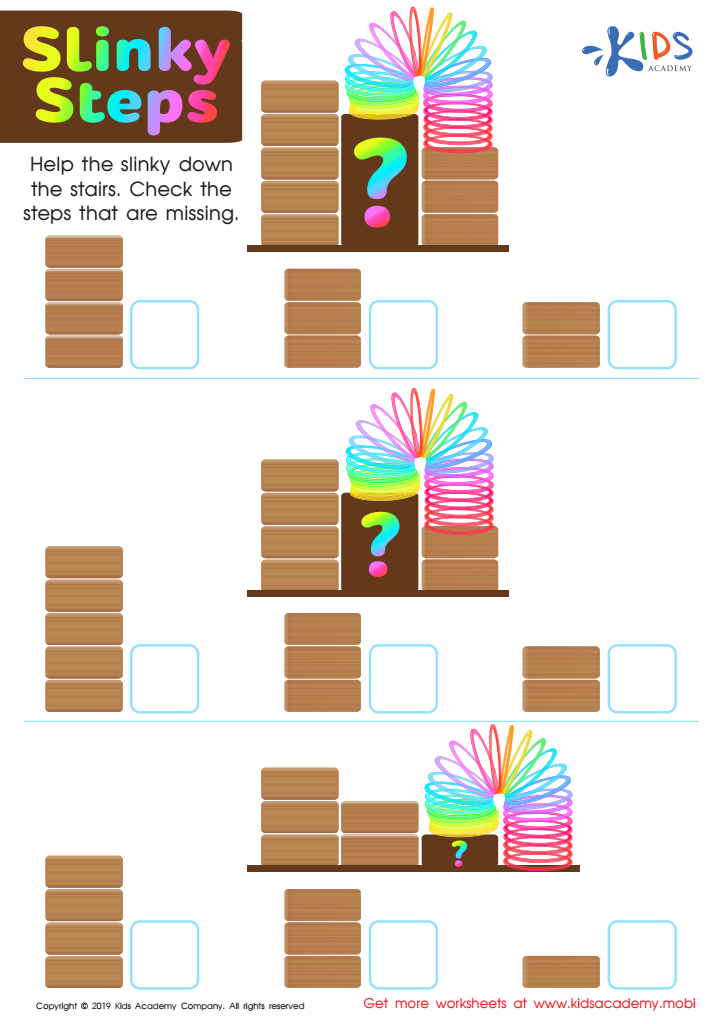
Slinky Steps Worksheet
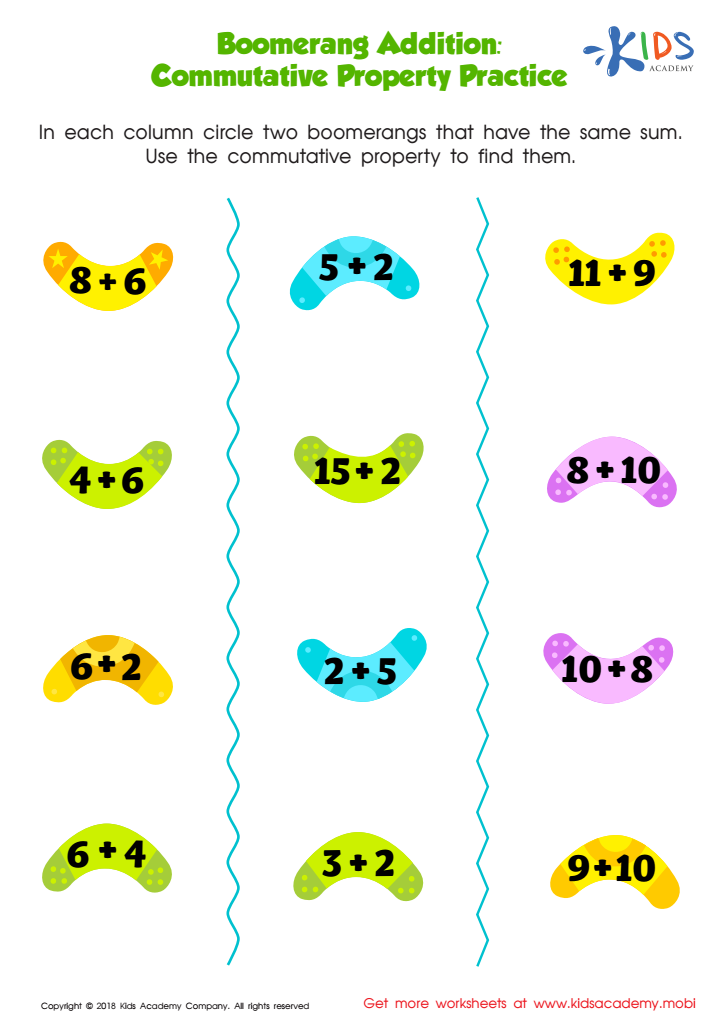
Boomerang Addition Worksheet
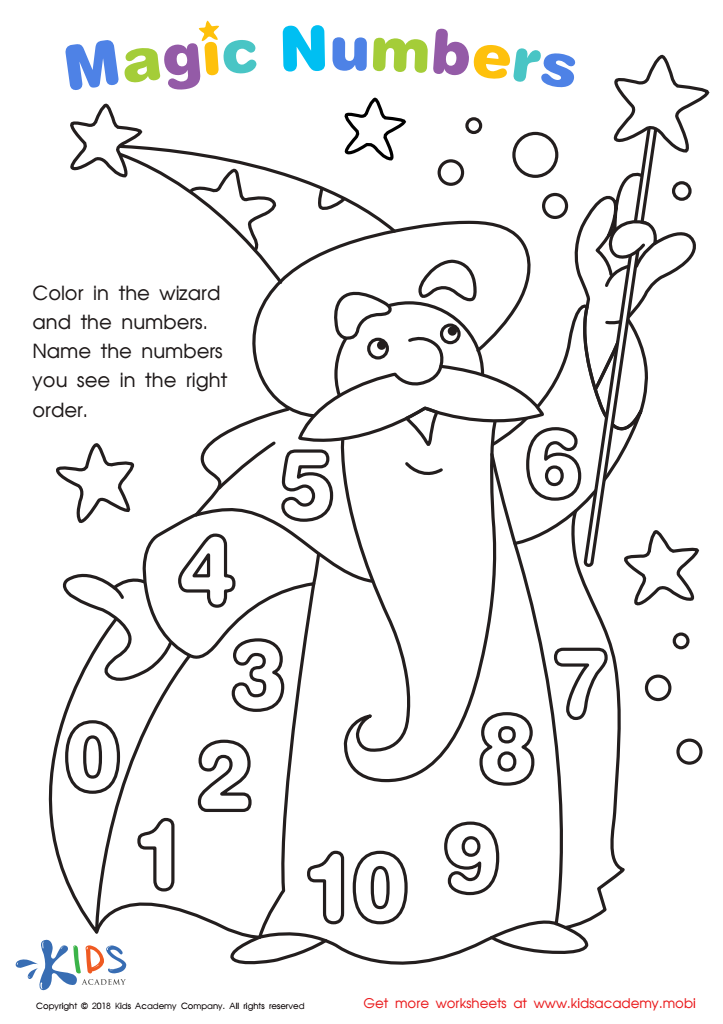
Magic Numbers Worksheet
 Assign to My Students








Understanding patterns in numbers is crucial for children aged 6-7 as it lays the foundation for essential mathematical concepts. At this age, children are developing critical thinking and problem-solving skills, and recognizing patterns helps enhance these abilities. Engaging with patterns fosters logical reasoning, enabling children to make predictions and identify relationships between different numbers, which is vital in both math and other subjects.
Additionally, pattern recognition is a key component of everyday life, from understanding sequences in nature to predicting outcomes in games or activities. This skill promotes not only mathematical confidence but also overall cognitive development, encouraging kids to think abstractly and creatively.
Furthermore, by learning about patterns, children develop a sense of numeracy and an increased ability to tackle more complex mathematical concepts later on, such as addition, subtraction, and even algebra. For teachers and parents, providing opportunities for children to explore patterns through games, activities, and discussions enriches their learning experience and nurtures a deeper understanding of mathematics.
Ultimately, investing time in helping young learners understand patterns assures they have the tools needed to succeed academically and in real-world scenarios, positioning them for lifelong learning and problem-solving skills.








