Basic math practice Math Worksheets for Ages 6-7
6 filtered results
-
From - To
Welcome to our Basic Math Practice Worksheets for Ages 6-7, designed to support your child's early math learning journey! This collection features engaging and interactive worksheets that help kids practice essential math skills, such as addition, subtraction, counting, and number recognition. Our colorful and fun printables promote learning through play, making math enjoyable and accessible for young learners. Ideal for both teachers and parents, these worksheets can be used in the classroom or at home. Watch your child gain confidence and improve their math abilities as they complete these thoughtfully crafted activities. Get started with our printable worksheets today!
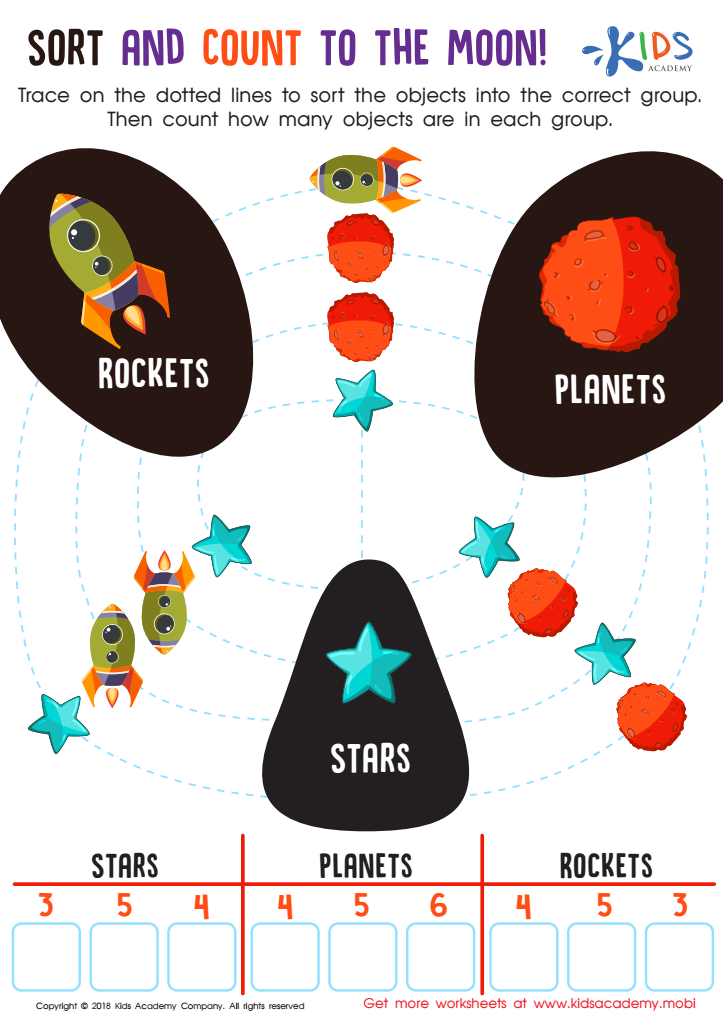
Sort and Count to the Moon Worksheet
 Assign to My Students
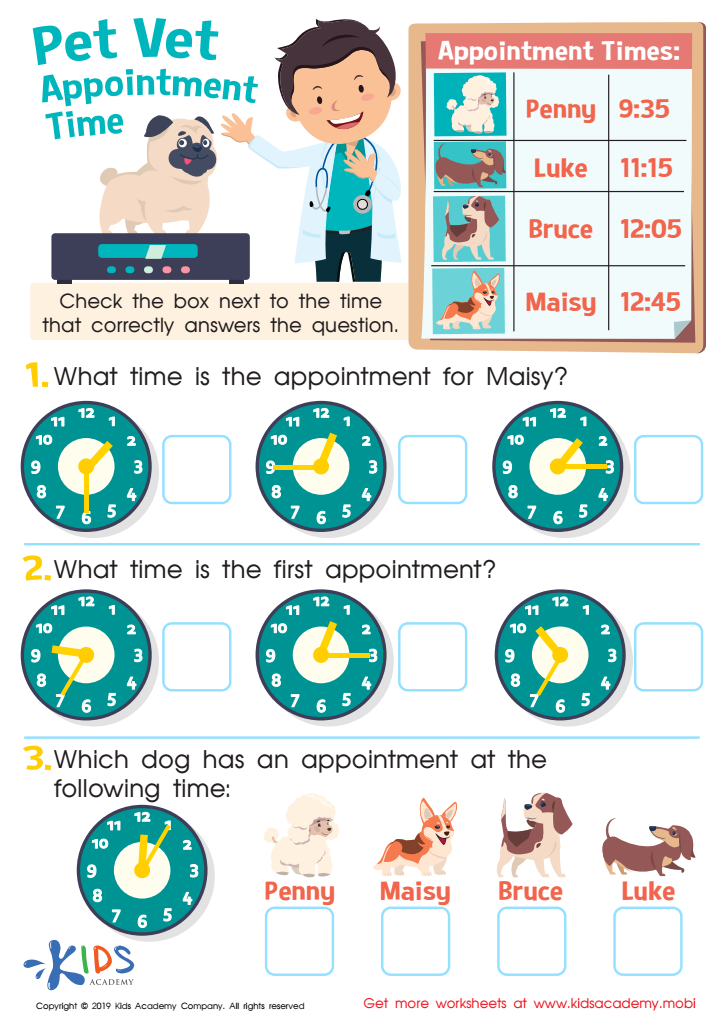
Pet Vet Appointment Time Worksheet
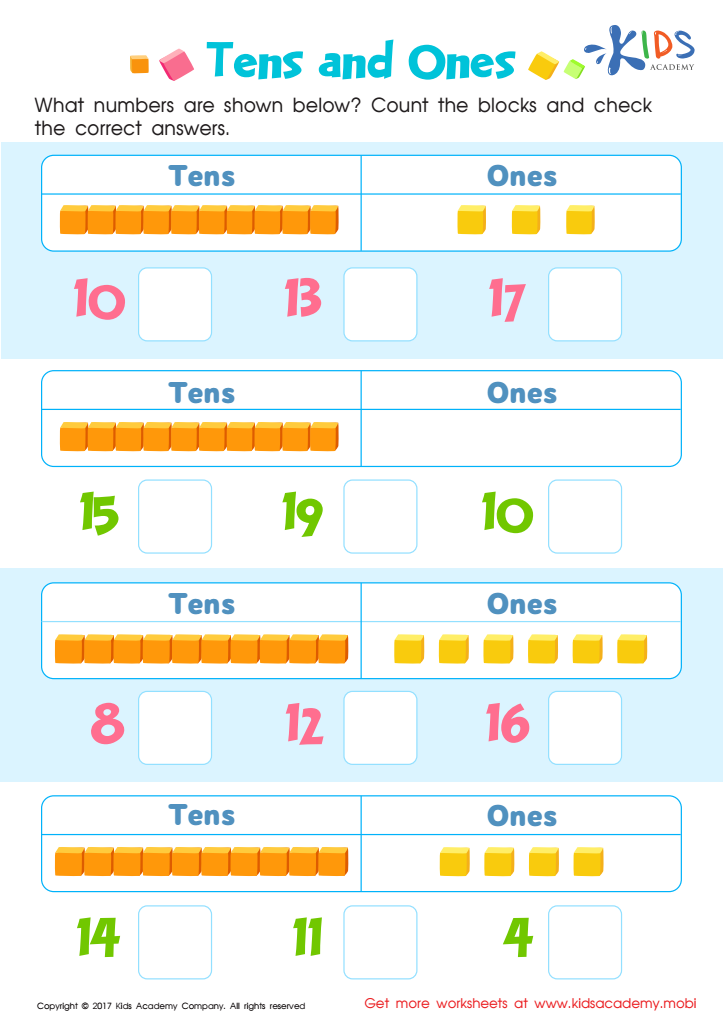
Tens and Ones Worksheet
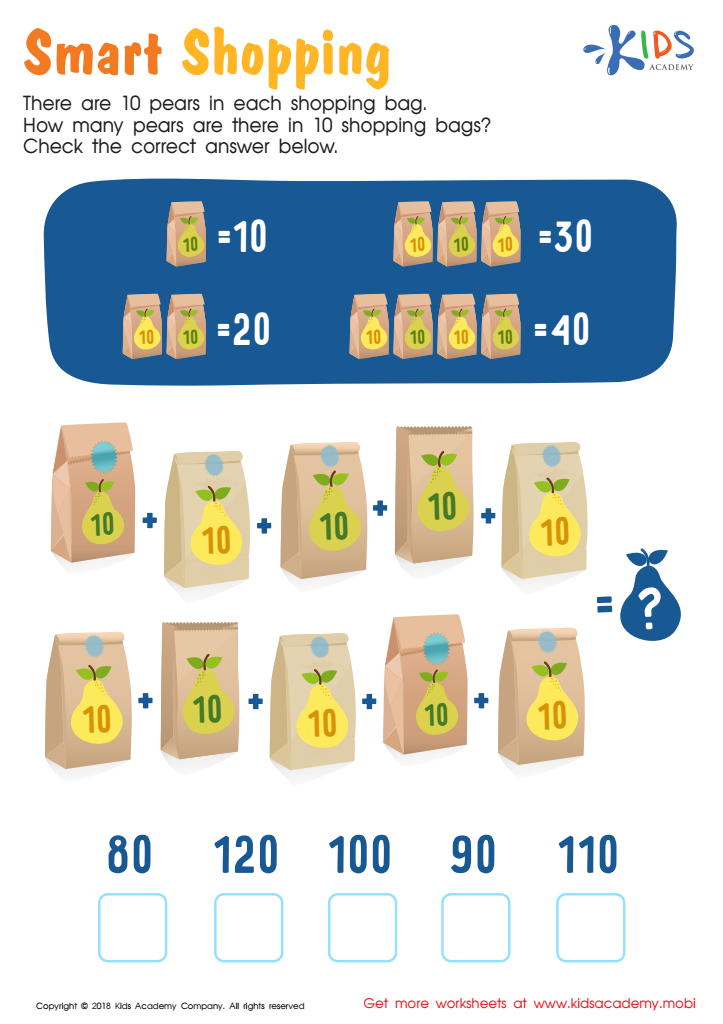
Smart Shopping: Trade Tens for a Hundred Worksheet
Finding 4 in the Forest Worksheet







Basic math practice for ages 6-7 is essential for a child's overall development and future academic success. At this age, children are like sponges, absorbing new concepts quickly and building a strong foundational understanding of mathematics. Engaging in regular math practice helps them grasp key skills such as addition, subtraction, number recognition, and problem-solving strategies, which are crucial for their proficiency in later grade levels.
Parents and teachers should care about this developmental stage because early mastery of basic math concepts promotes confidence and a positive attitude toward mathematics. Children who struggle with foundational skills may experience frustration and anxiety as they progress through school. Consistent practice at this age ensures that children don't fall behind and are well-prepared for more complex mathematical concepts in the future.
Moreover, basic math fosters critical thinking and logical reasoning, encouraging children to appreciate patterns and relationships in numbers. It also supports basic life skills, such as understanding money, time, and measurement. By prioritizing math practice during these formative years, parents and teachers can create a supportive learning environment that encourages curiosity and a lifelong love for learning, ultimately setting the stage for academic success and personal growth.








