Critical Thinking Math Worksheets for Ages 6-7 - Page 2
40 filtered results
-
From - To
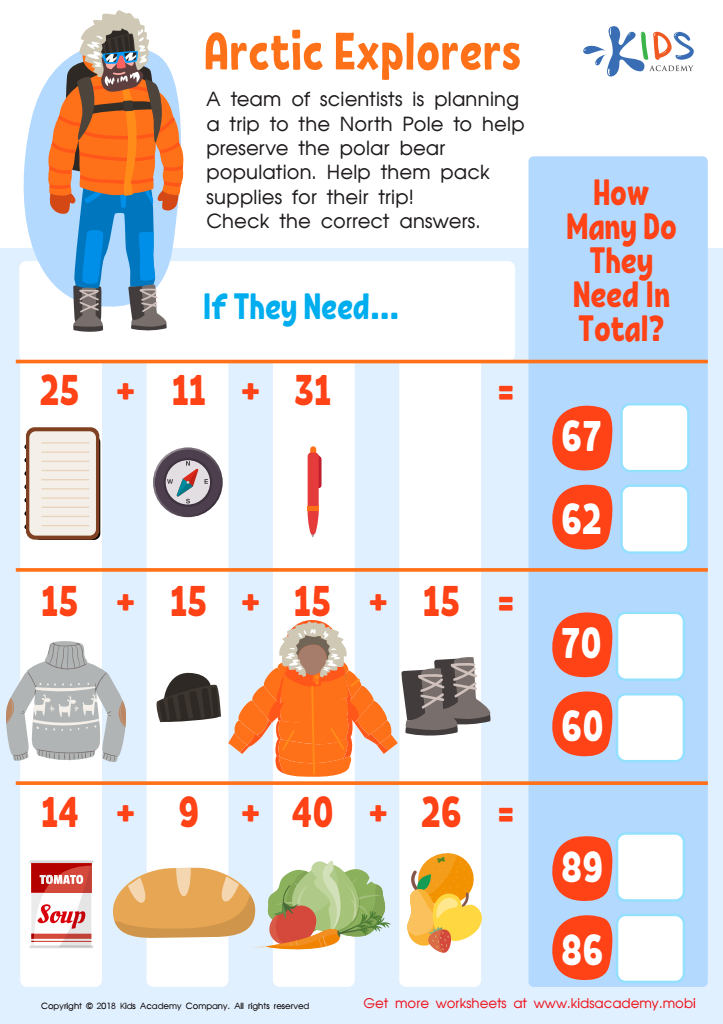
Arctic Explorers Worksheet
 Assign to My Students
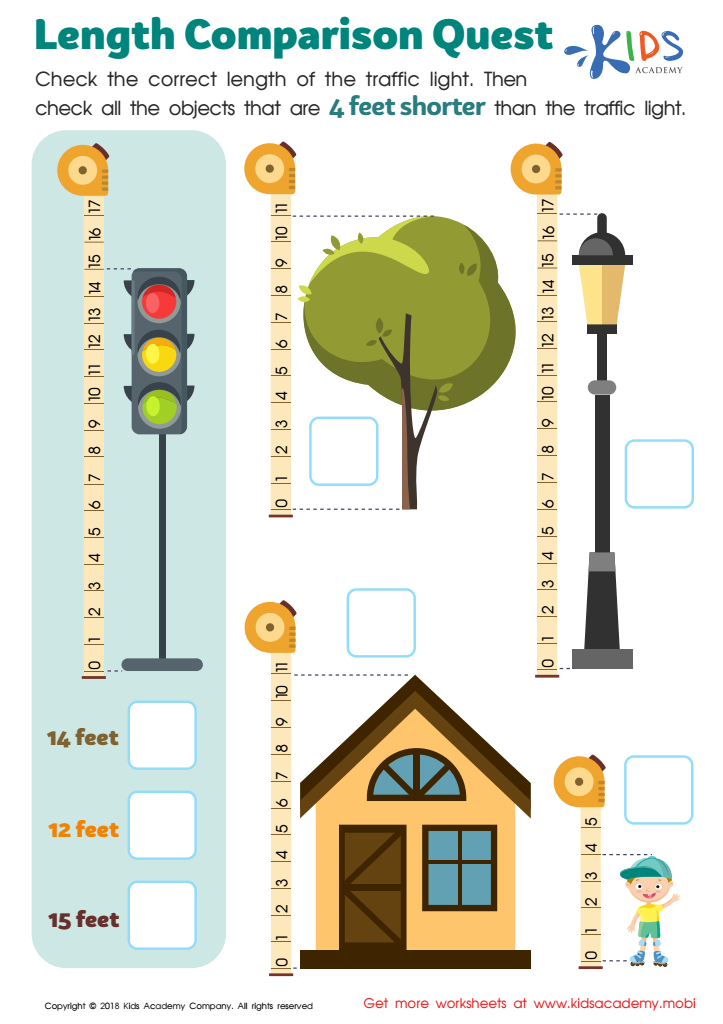
Length Comparison Quest Worksheet
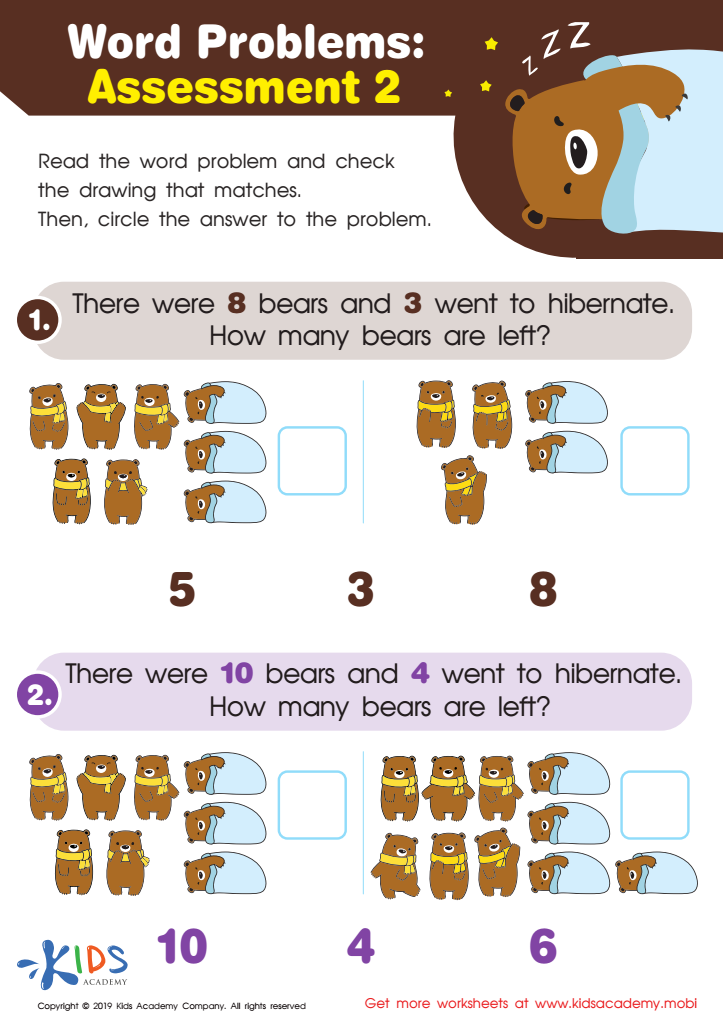
Word Problems: Assessment 2 Worksheet
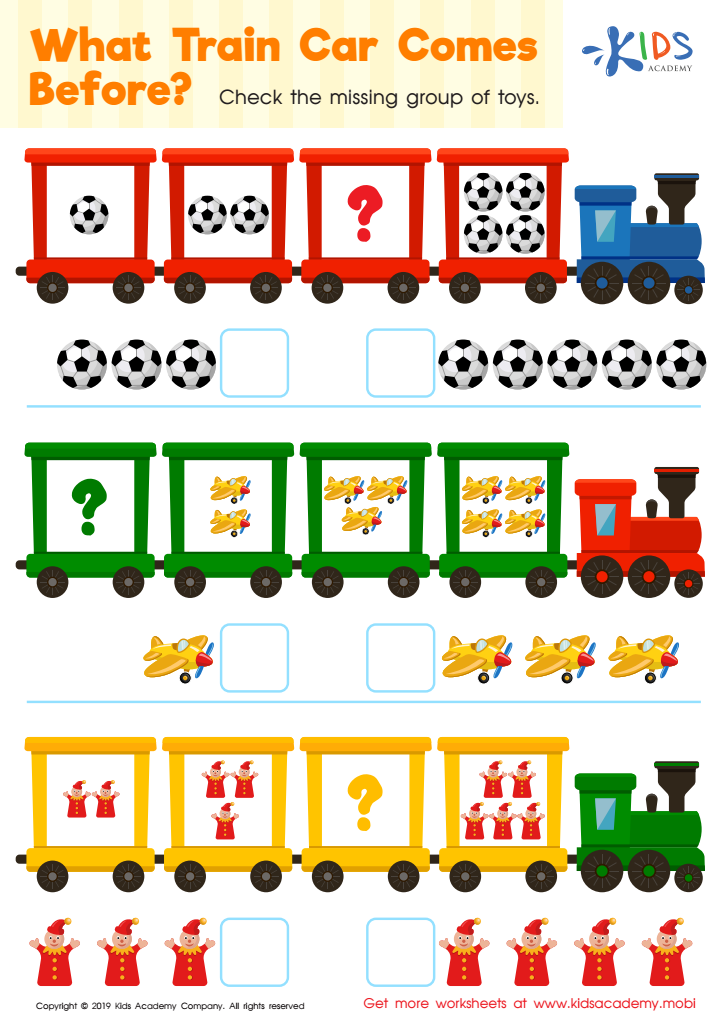
What Train Car Comes Before? Worksheet
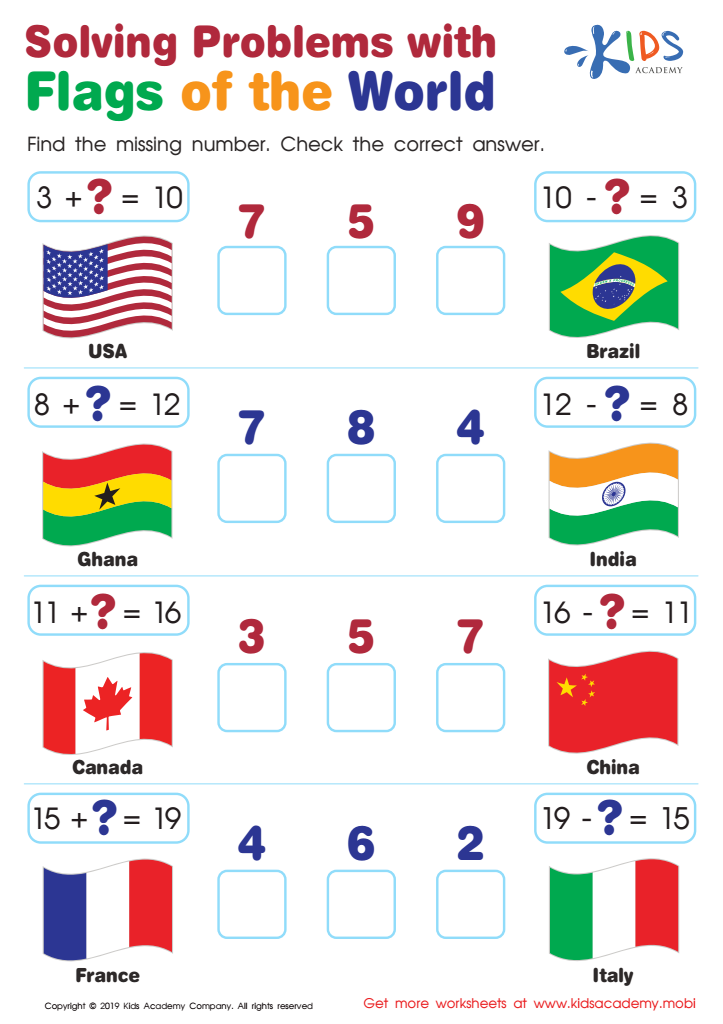
Solving Problems with Flags of the World Worksheet
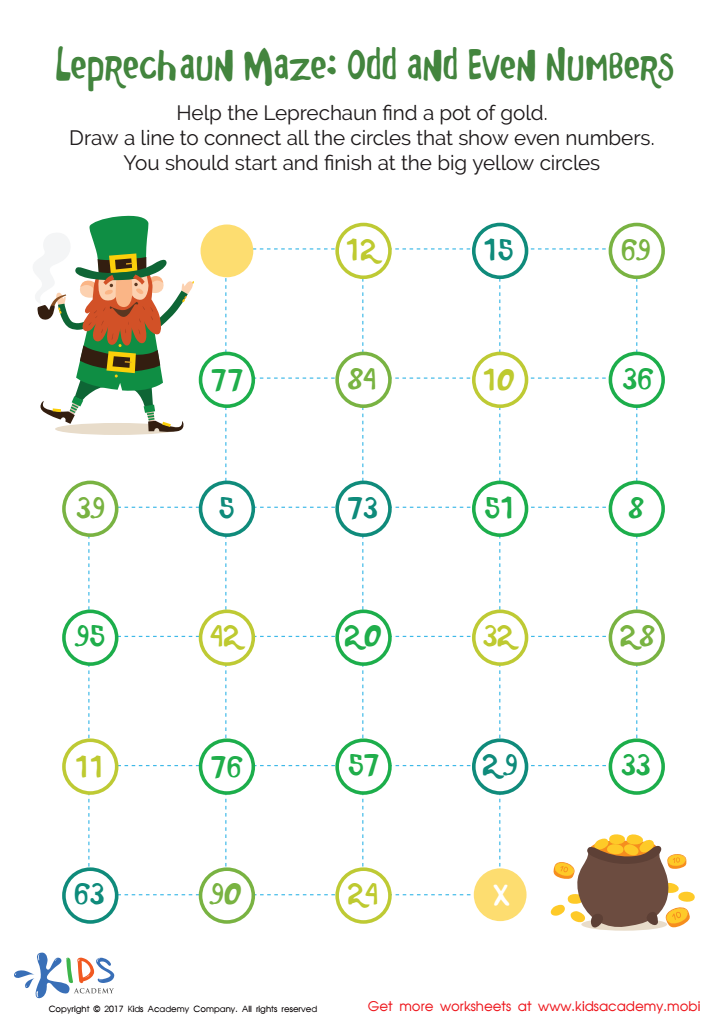
Leprechaun Maze Printable
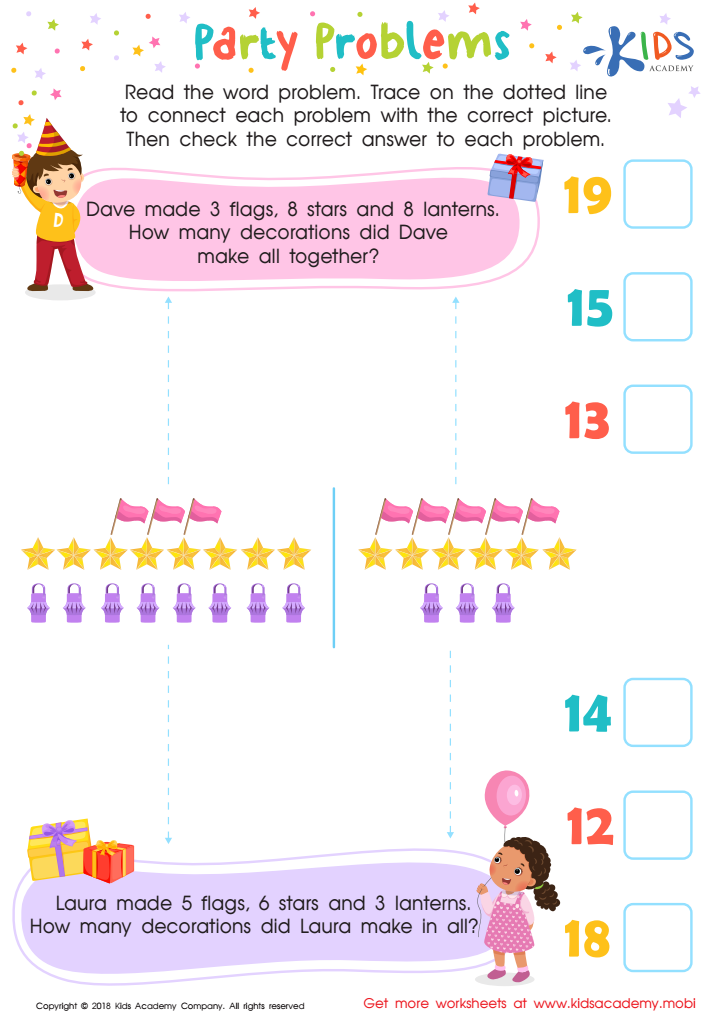
Party Problems Worksheet
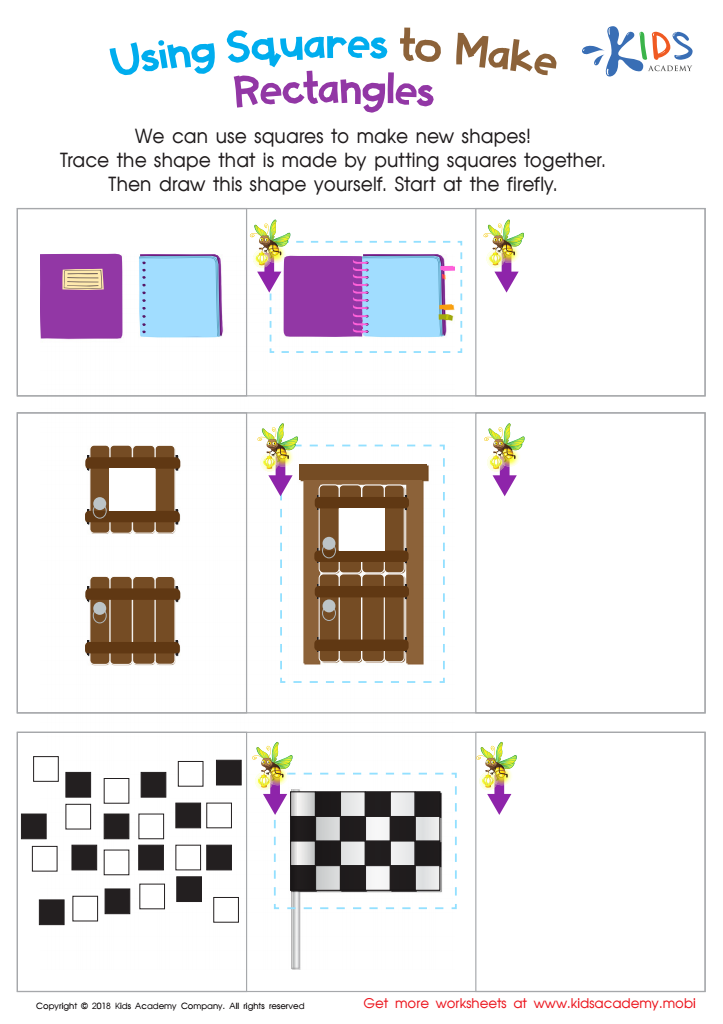
Using Squares to Make Rectangles Worksheet
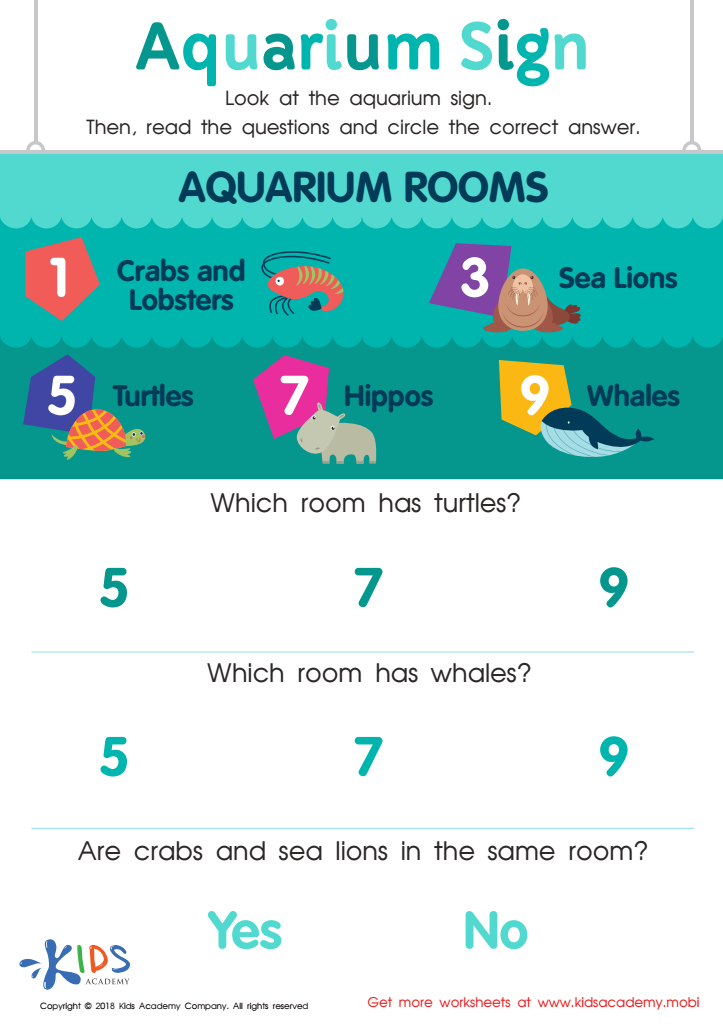
Assessment: Aquarium Sign Worksheet
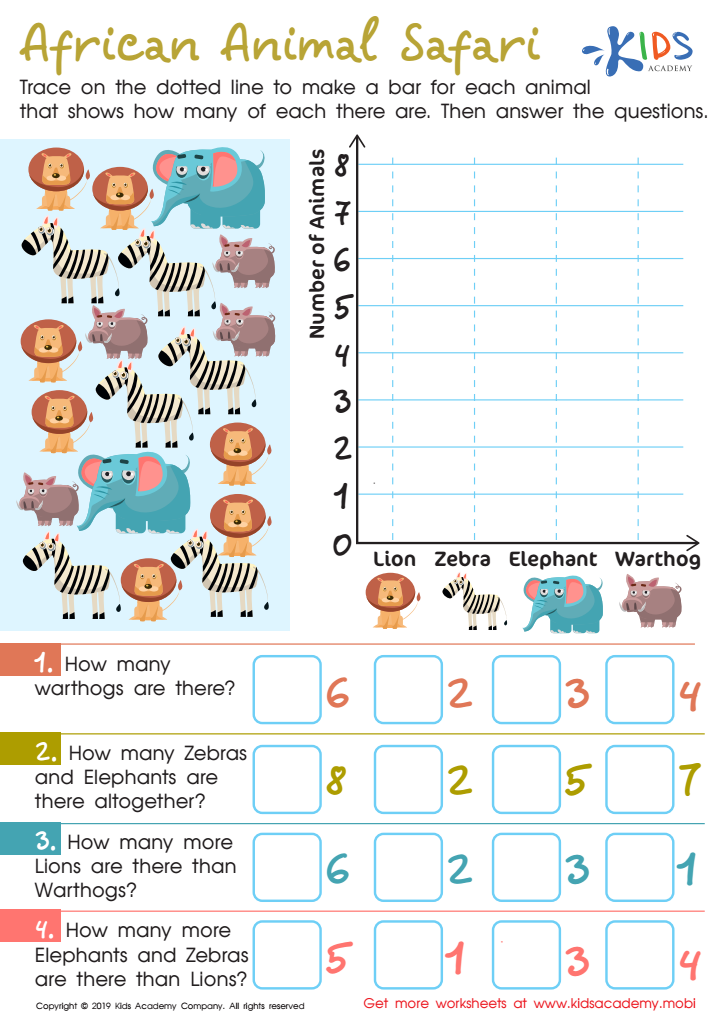
African Animal Safari Worksheet
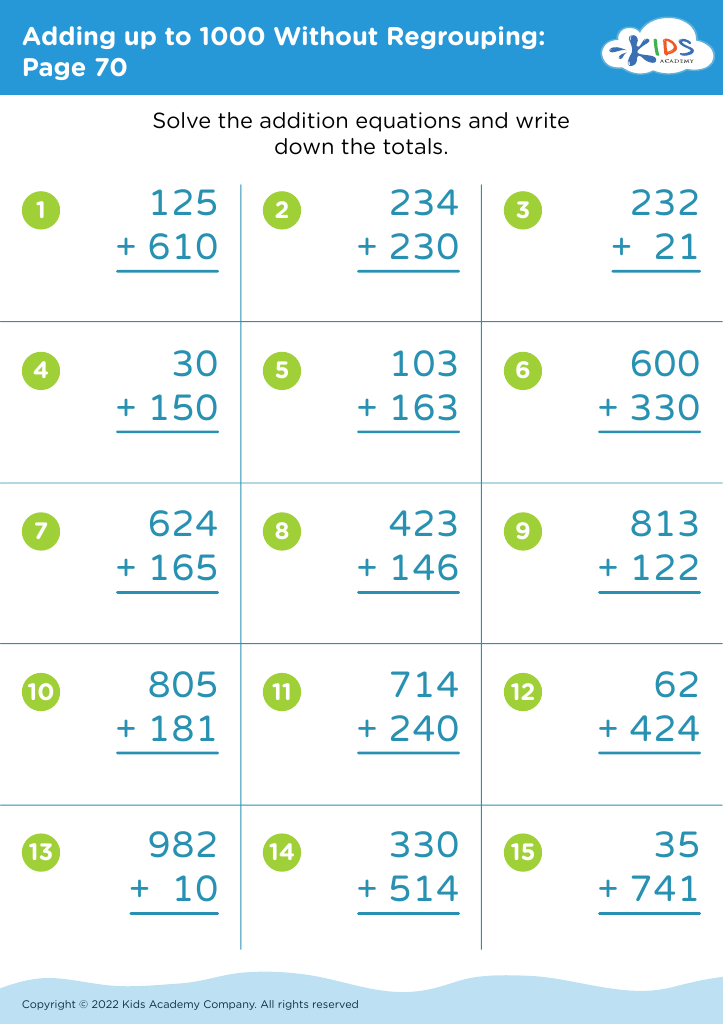


.jpg)





Critical thinking in math for children ages 6-7 is crucial for several reasons that parents and teachers should care about. First, it lays the groundwork for problem-solving skills, which are essential in both academic settings and daily life. At this age, children begin to explore the world more independently, and the ability to think critically helps them make sense of mathematical concepts beyond rote memorization. For instance, understanding why 2 + 3 equals 5 is more beneficial than just knowing it.
Moreover, fostering critical thinking skills in math improves cognitive development. Kids learn to analyze information, recognize patterns, and make connections between different concepts. These skills are transferable, aiding in areas such as reading comprehension and logical reasoning.
Engaging children in critical thinking math also boosts their confidence and curiosity. When they solve problems by thinking through them, rather than just following prescribed steps, they'll feel a greater sense of accomplishment. This positive reinforcement can lead to a more enthusiastic attitude toward learning in general.
Lastly, critical thinking in math prepares children for future academic challenges. As they progress in their education, subjects will become more complex and require a deeper level of understanding. Early exposure to critical thinking sets the stage for long-term academic success and a lifelong love for learning.








