Differentiating shapes Math Worksheets for Ages 6-7
4 filtered results
-
From - To
Explore our engaging Differentiating Shapes Math Worksheets designed specifically for ages 6-7! These worksheets help young learners recognize, compare, and categorize various shapes through fun activities. Kids will enjoy a variety of exercises, including shape identification, matching, and sorting challenges that enhance their understanding of geometric concepts. Ideal for reinforcing classroom learning or as a supplement for home practice, these worksheets promote critical thinking and fine motor skills. Whether your child is just starting to explore shapes or needs a boost in confidence, our Differentiating Shapes Worksheets provide a valuable learning tool for early mathematicians. Start your child's shape journey today!
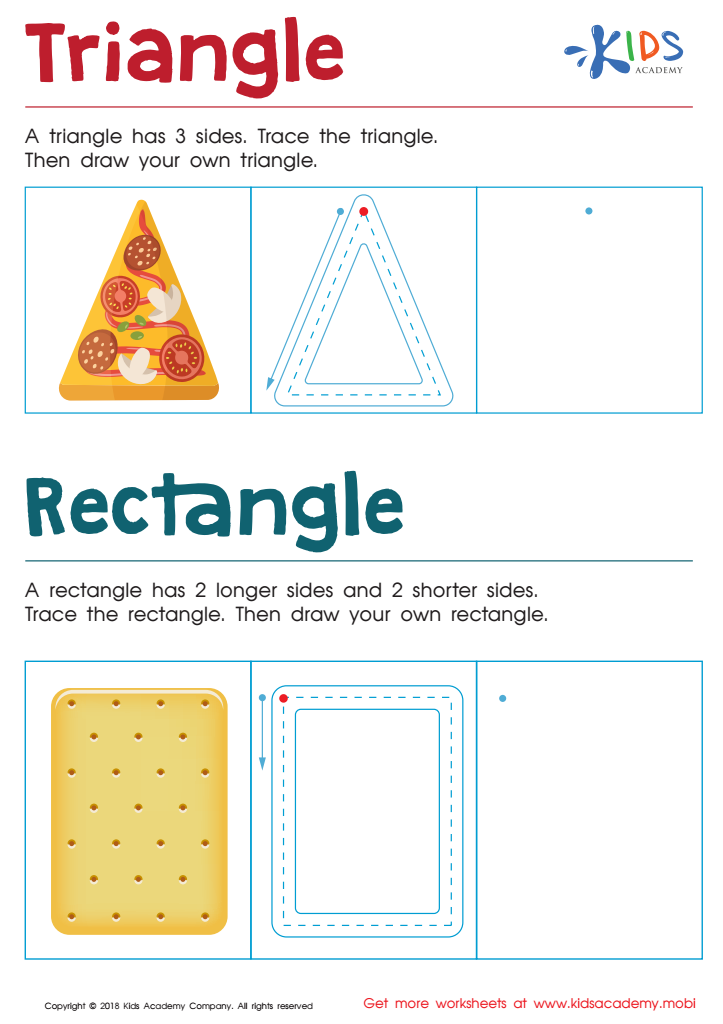
Triangle Rectangle Worksheet
 Assign to My Students
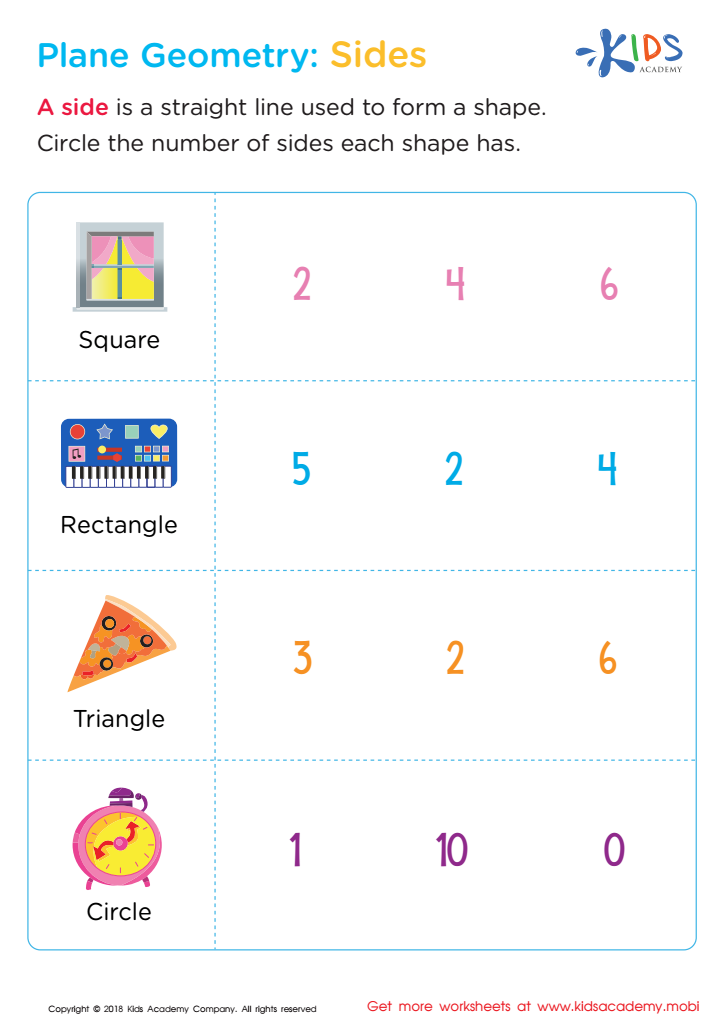
Plane Geometry: Sides Worksheet
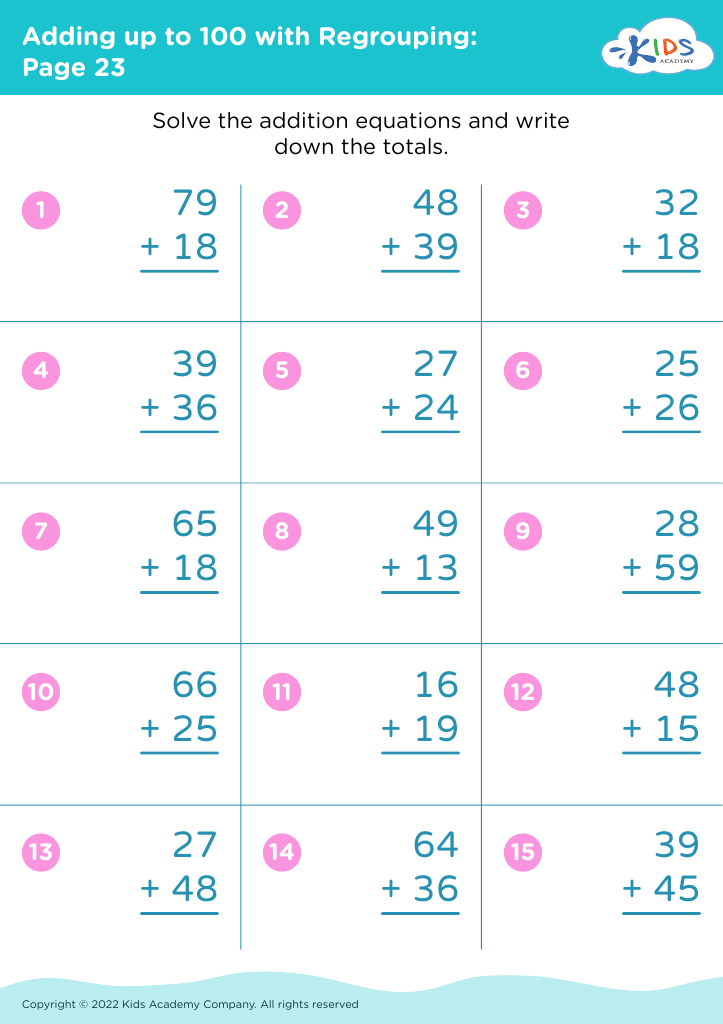
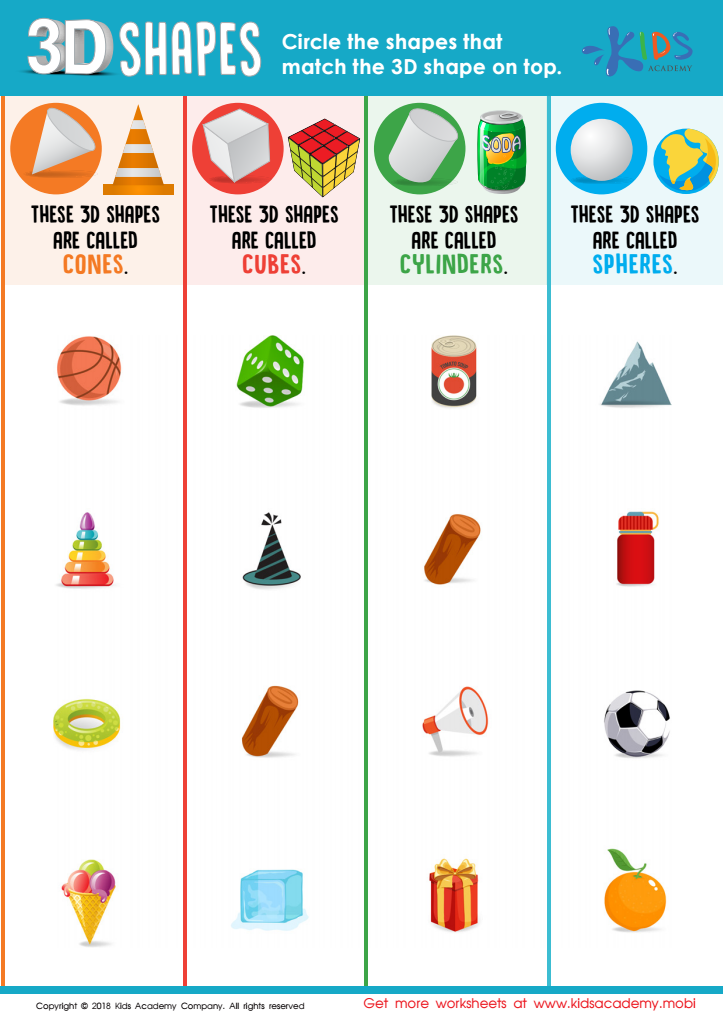
3D Shapes Worksheet








Differentiating shapes math for children ages 6-7 is crucial for several reasons. At this developmental stage, children are beginning to form a foundational understanding of geometry, which is essential for their overall mathematical literacy. Differentiation allows educators and parents to tailor learning experiences that cater to individual needs, ensuring that both advanced learners and those who require additional support can engage meaningfully with the content.
By providing varied instructional strategies—such as hands-on activities, visual aids, or interactive games—students can explore shapes in a way that resonates with their learning styles. This personalization fosters a deeper understanding of geometric concepts, enhancing skills like critical thinking and problem-solving. When children engage with shapes in diverse contexts, they begin recognizing their relevance in real-world scenarios, reinforcing the importance of geometry beyond the classroom.
Moreover, effective differentiation can help address varying levels of confidence among children. Encouraging students to take risks and ask questions about shapes prepares them not just for higher-level math but also instills a positive attitude towards learning. Ultimately, when parents and teachers prioritize differentiated instruction, they create an inclusive environment that promotes a love for math and supports each child's unique learning journey.








