
Enhance logical thinking Math Worksheets for Ages 6-7
3 filtered results
Difficulty Level
Grade
Age
-
From - To
Subject
Activity
Standards
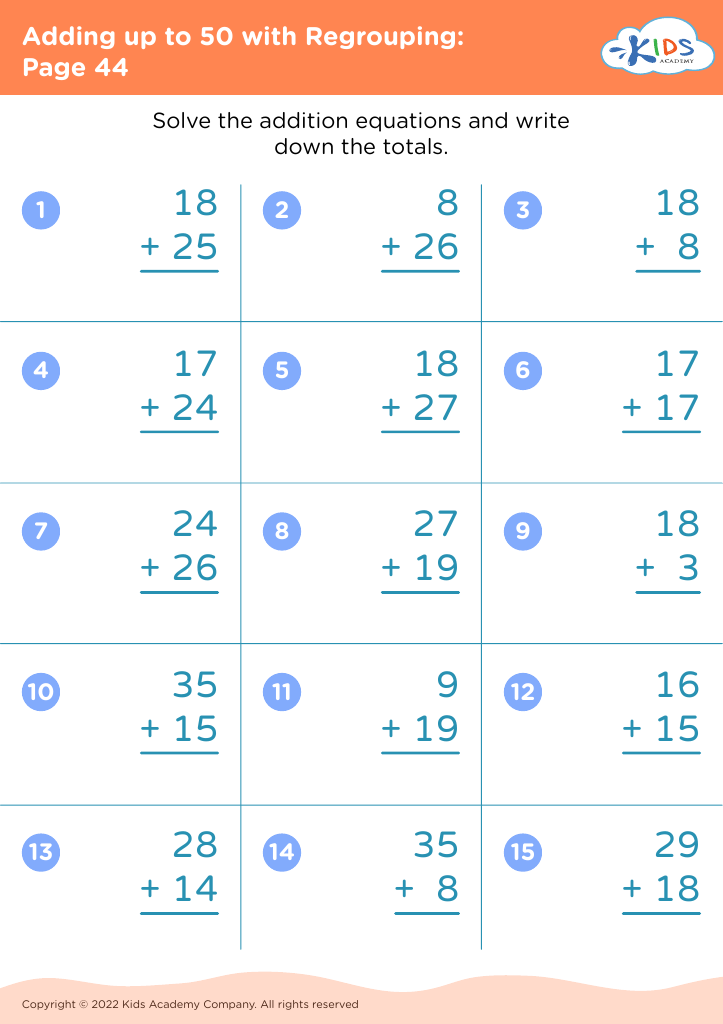
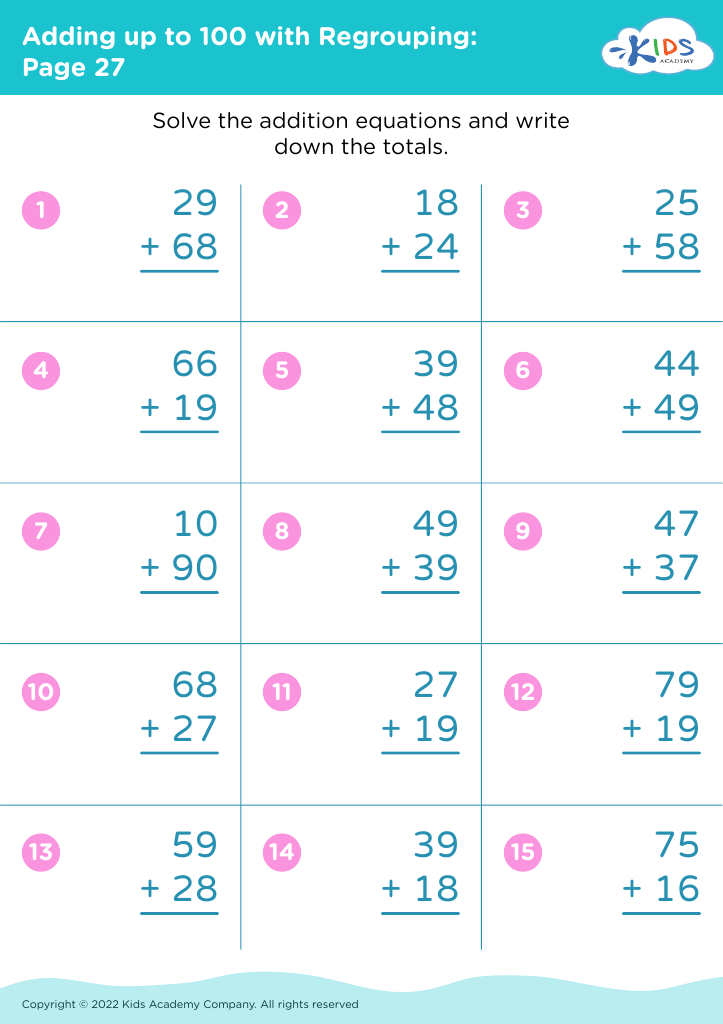
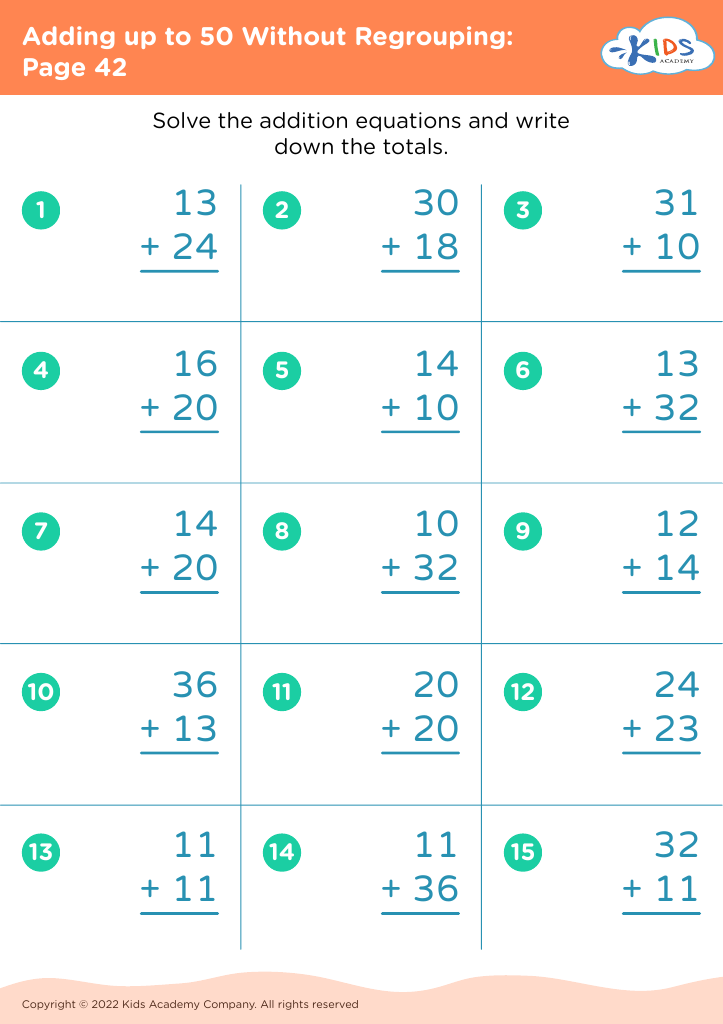
Welcome to our Enhance Logical Thinking Math Worksheets for Ages 6-7! Tailored to nurture young minds, these printable worksheets engage children in fun math activities that develop essential logical reasoning skills. Through puzzles, problem-solving tasks, and interactive exercises, kids will learn to think critically and approach challenges with confidence. Our carefully designed materials support essential math concepts while fostering creativity and analytical thinking. Perfect for home or classroom use, these worksheets promote independent learning and make math an enjoyable experience. Help your child build a strong foundation in logical thinking and set them up for success in their academic journey!
Favorites
With answer key
Interactive
Join Kids Academy for Free
Who is primarily going to use this learning content?




%20(1).jpg)



Enhancing logical thinking in mathematics for children aged 6-7 is crucial for several reasons. At this developmental stage, children are forming foundational cognitive skills that will support their academic journeys. Mathematics is not just about numbers; it's a way of thinking deeply and critically about problems. By focusing on logical thinking, we help children develop the ability to analyze situations, identify patterns, and make decisions based on reasoning, which are essential skills for life.
Additionally, strong logical thinking skills in math can lead to improved problem-solving abilities. When children learn to approach math challenges methodically, they build confidence, reduce math anxiety, and foster a growth mindset. This nurtures a love for learning and encourages them to tackle more complex concepts in the future.
Moreover, the skills gained in logical thinking transcend the math classroom; they enhance overall cognitive abilities, influencing reasoning skills in reading, science, and everyday situations. Thus, by supporting and emphasizing logical thinking in math at an early age, parents and teachers provide children with tools that promote academic success and prepare them for a future where analytical thinking is increasingly valuable. Ultimately, investing in these skills cultivates informed, thoughtful individuals ready to face challenges.








