Enhances number recognition Math Worksheets for Ages 6-7
5 filtered results
-
From - To
Discover our "Enhances Number Recognition" Math Worksheets tailored for children ages 6-7! These engaging and interactive activities are designed to boost your child's familiarity with numbers and build essential math skills. Each worksheet features colorful illustrations and age-appropriate challenges that make learning fun. Kids will practice recognizing numbers, counting, and basic numerical concepts through various exercises. Our worksheets cater to different learning styles, ensuring that every child can thrive. Perfect for classroom use or at-home learning, they help reinforce foundational math skills while promoting confidence. Download now and watch your child's number recognition skills flourish!
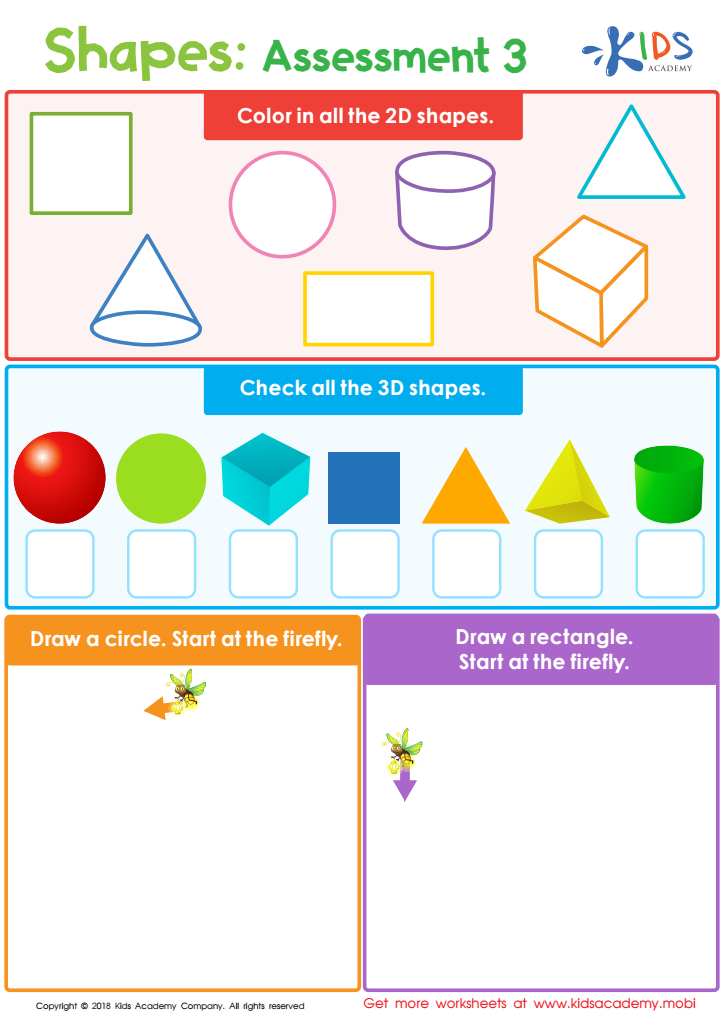
Shapes: Assessment 3 Worksheet
 Assign to My Students
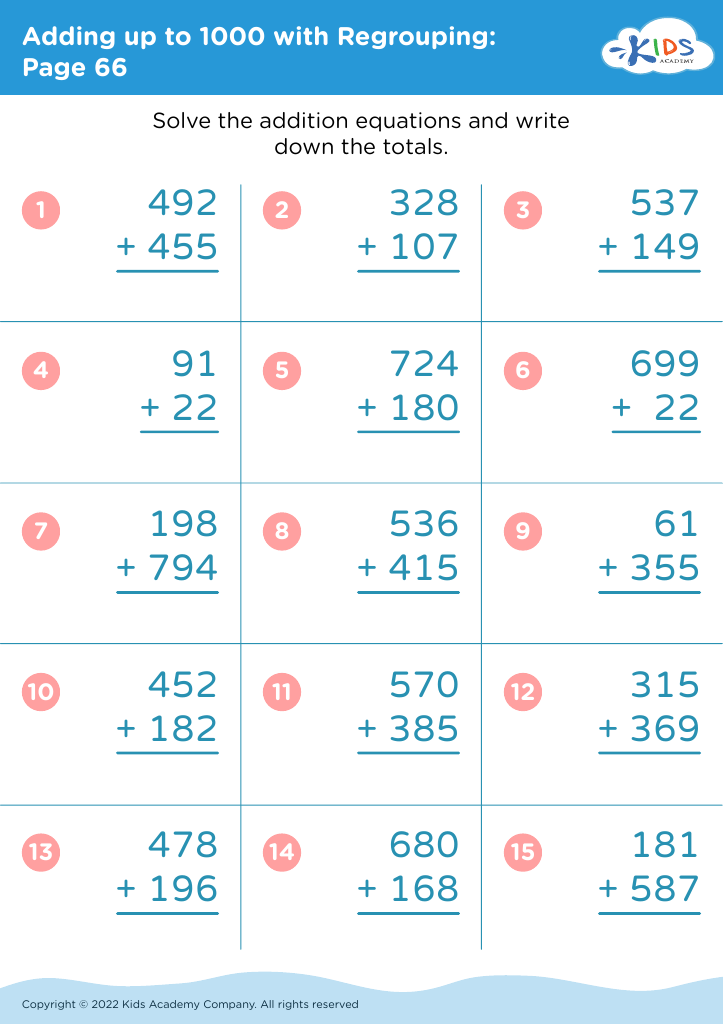








Parents and teachers play a pivotal role in enhancing number recognition among children aged 6-7, as this skill serves as the foundation for more advanced mathematical concepts. Number recognition enables children to understand quantities, perform basic arithmetic, and recognize numerals in everyday situations. By focusing on this critical stage, adults help cultivate a child’s confidence and interest in math, vital for future academic success.
Developing strong number recognition skills fosters problem-solving abilities and enhances cognitive development. As children engage with numbers, they gain experience in grouping, counting, and comparing quantities, integral to grasping more complex mathematical concepts later on. Furthermore, recognizing numbers aids in understanding patterns and sequences, which are fundamental to numerous subjects including science and finance.
Moreover, number recognition activities promote engagement and play-based learning. When parents and teachers introduce fun games and challenges that involve numbers, children become motivated and enthusiastic about math, bridging the gap between anxiety and confidence.
Therefore, prioritizing number recognition is essential; it lays the groundwork for a child’s lifelong relationship with mathematics and equips them with the critical thinking skills required in daily life and future academic endeavors.








