Fine motor skills development Math Worksheets for Ages 6-7
4 filtered results
-
From - To
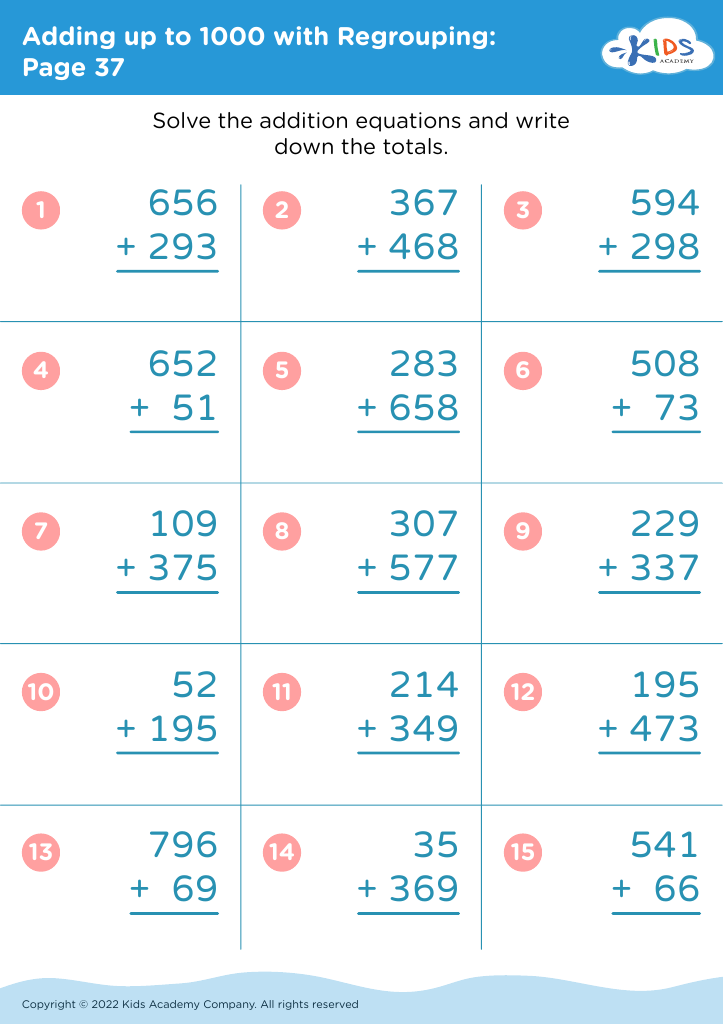
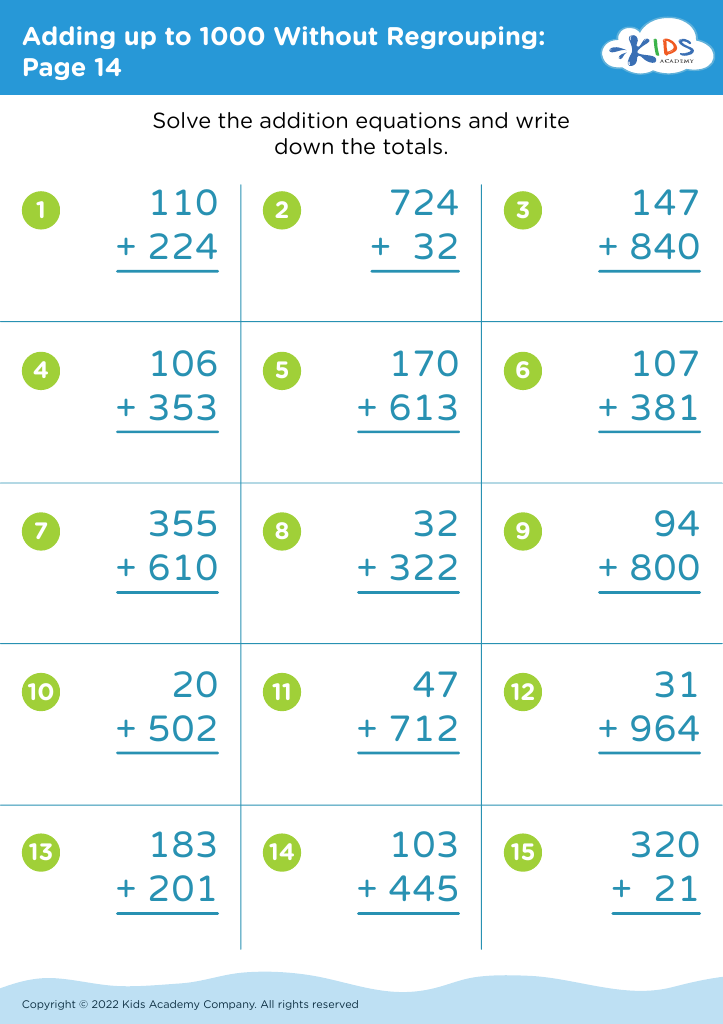
Enhance your child's fine motor skills with our expertly designed math worksheets for ages 6-7! At Kids Academy, we understand the importance of developing dexterity while mastering early math concepts. Our engaging worksheets combine various activities like tracing numbers, cutting, and coloring to strengthen hand-eye coordination and muscle control. Each activity is tailored to promote precision and confidence in young learners, making math both fun and educational. Perfect for home or classroom use, these worksheets provide a hands-on approach to learning that will support your child's growth and prepare them for more advanced skills. Explore our collection today!

Trace The Circles Worksheet
 Assign to My Students
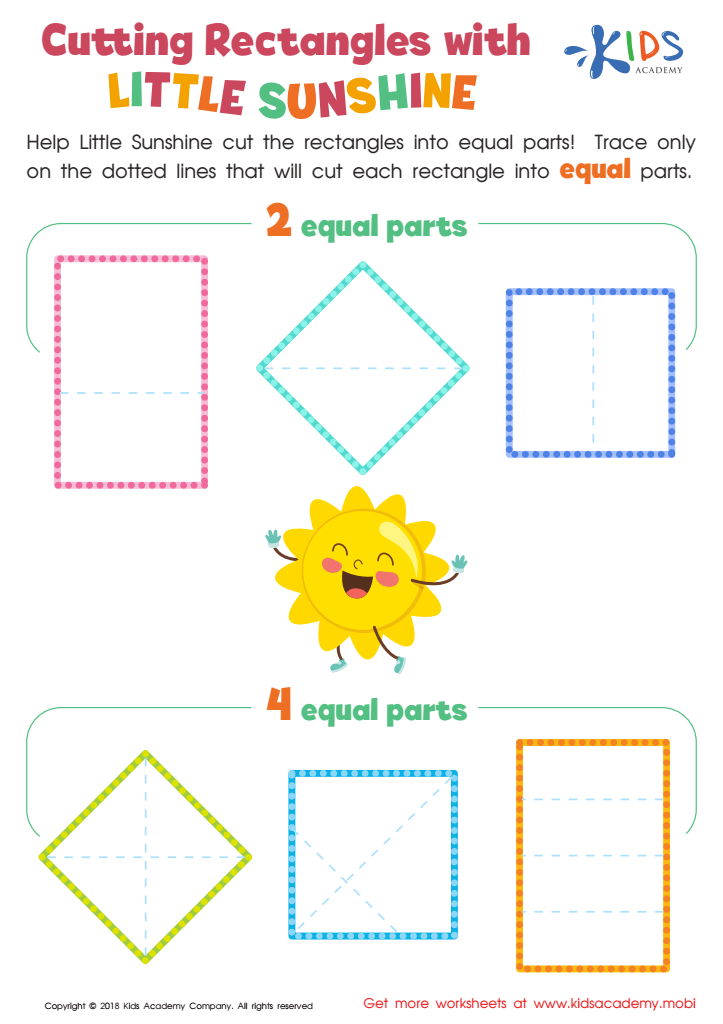
Cutting Rectangles with Little Sunshine Worksheet




.jpg)



Fine motor skills development is crucial for children aged 6-7, especially as they engage in math-related activities. As students begin to work with numbers and shapes, strong fine motor skills facilitate their ability to manipulate counting tools, write numerals neatly, and solve problems effectively. Good hand-eye coordination allows children to navigate tasks involving drawing shapes, cutting out geometric figures, or creating graphs with precision, reinforcing their understanding of mathematical concepts.
Furthermore, developing these skills enhances overall cognitive development. When children engage their hands, they are also stimulating their brains, making connections between mathematical ideas and physical action. Activities such as threading beads for counting practice or using scissors to create shape patterns can introduce basic math concepts in a tangible way.
For teachers and parents, nurturing fine motor skills can lead to increased confidence and independence in math tasks, reducing frustration in the classroom and at home. As students mature physically and cognitively, they build a more solid foundation for future learning. Therefore, actively supporting fine motor skills development is an investment in a child’s mathematical competence and overall academic success. Engaging in these activities together can also strengthen parent-child relationships and foster a love for learning.








