Fine Motor Skills Math Worksheets for Ages 6-7 - Page 7
160 filtered results
-
From - To
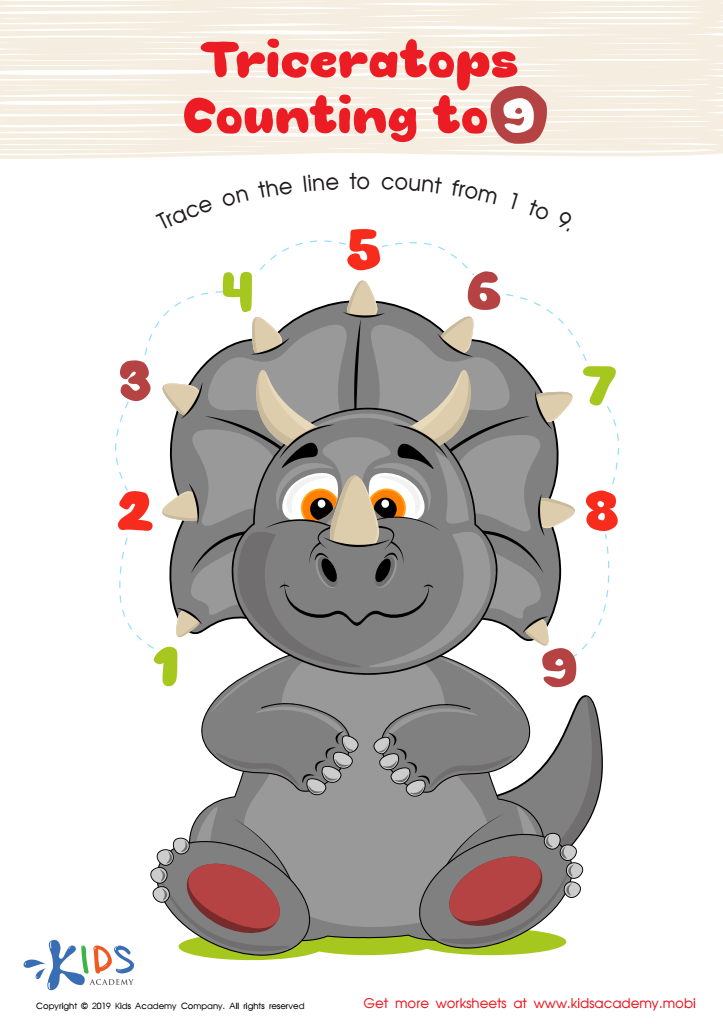
Triceratops Counting to 9 Worksheet
 Assign to My Students
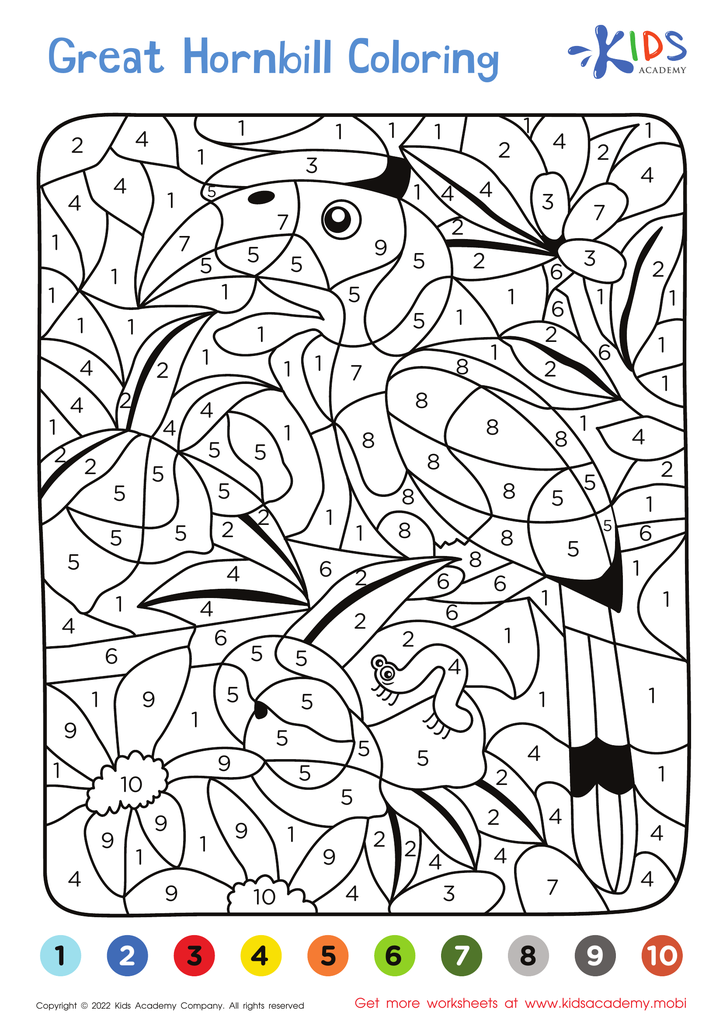
Great Hornbill – Coloring by Numbers

Counting on the City Skyline: Dot-to-Dot Worksheet
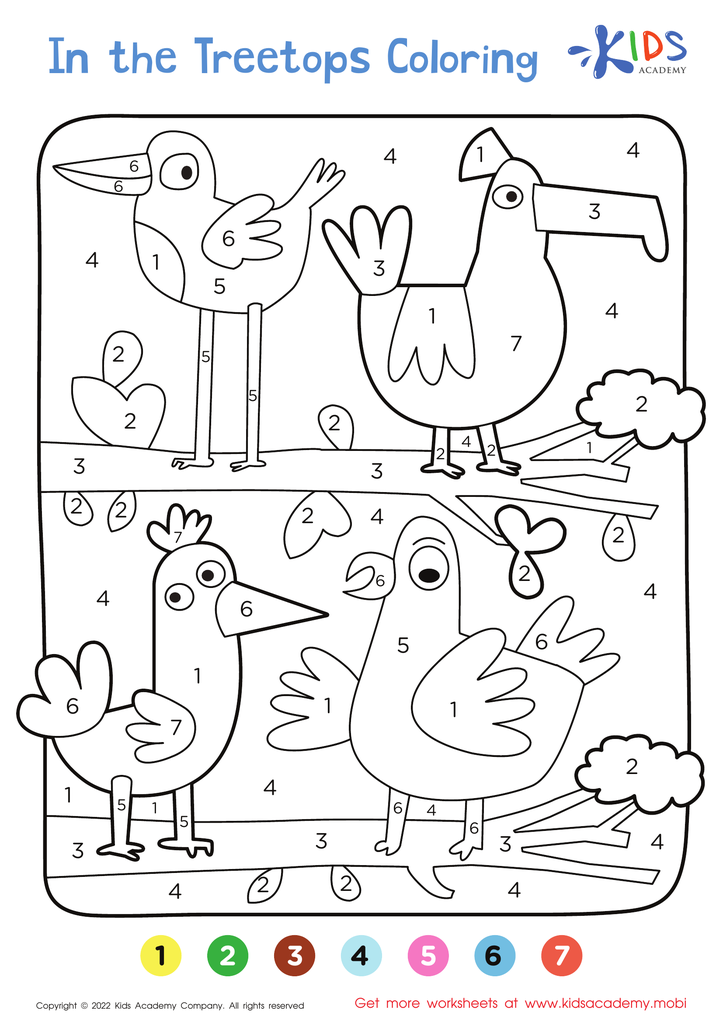
In the Treetops – Coloring Page

Twinkle, Twinkle, Little Star – Coloring by Numbers
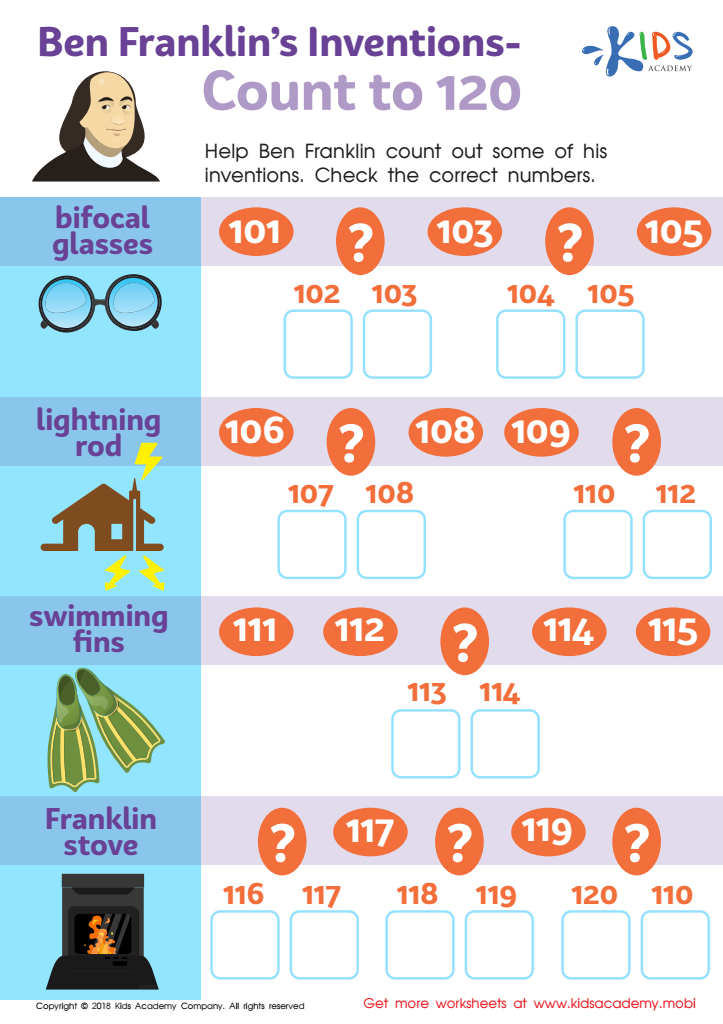
Ben Franklin’s Inventions – Count to 120 Worksheet
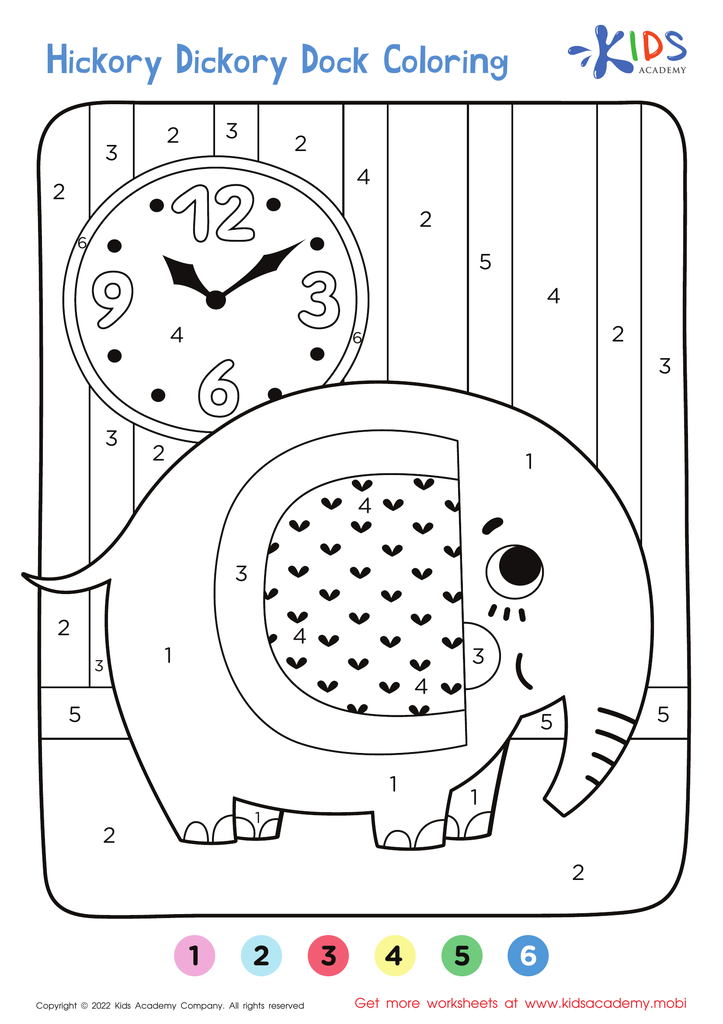
Hickory Dickory Dock – Coloring by Numbers
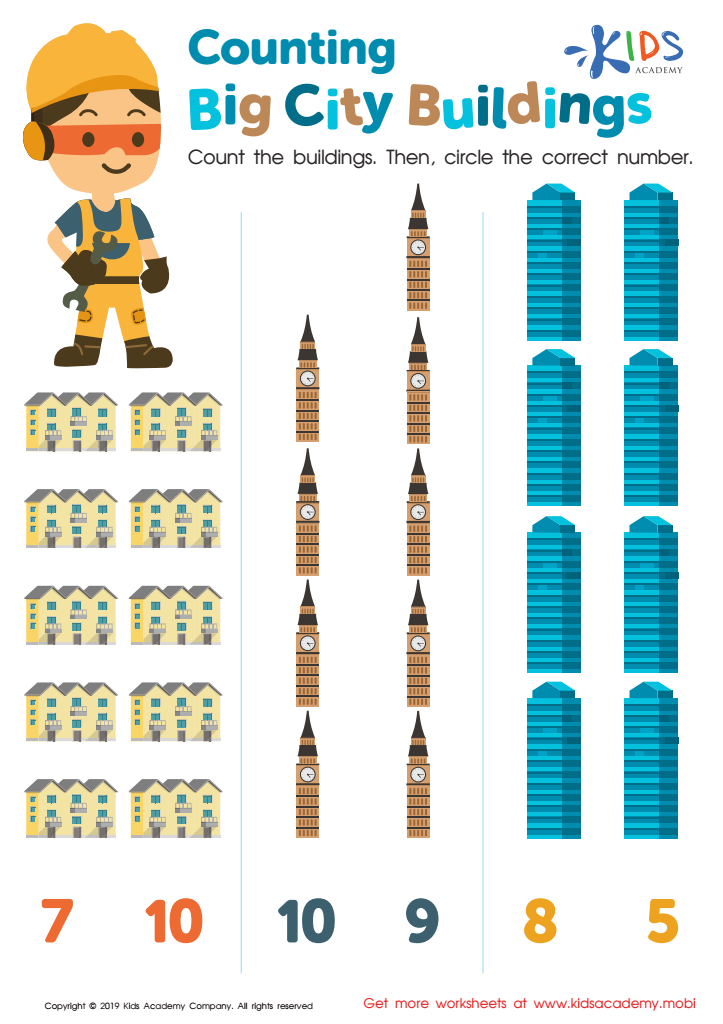
Counting Big City Buildings Worksheet
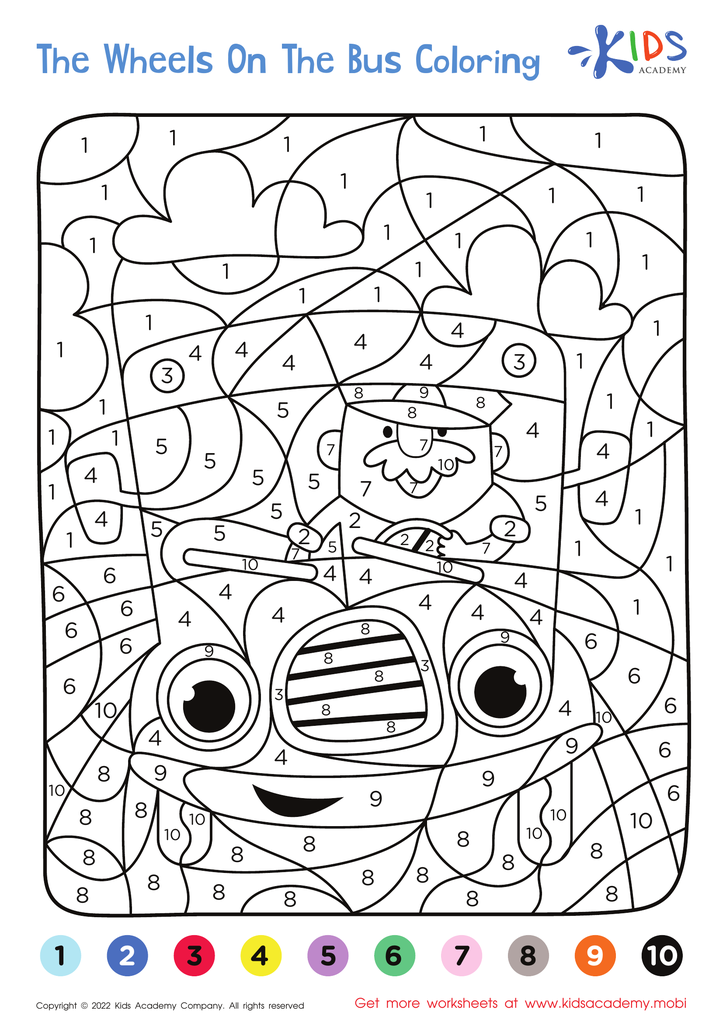
Wheels on the Bus – Coloring by Numbers
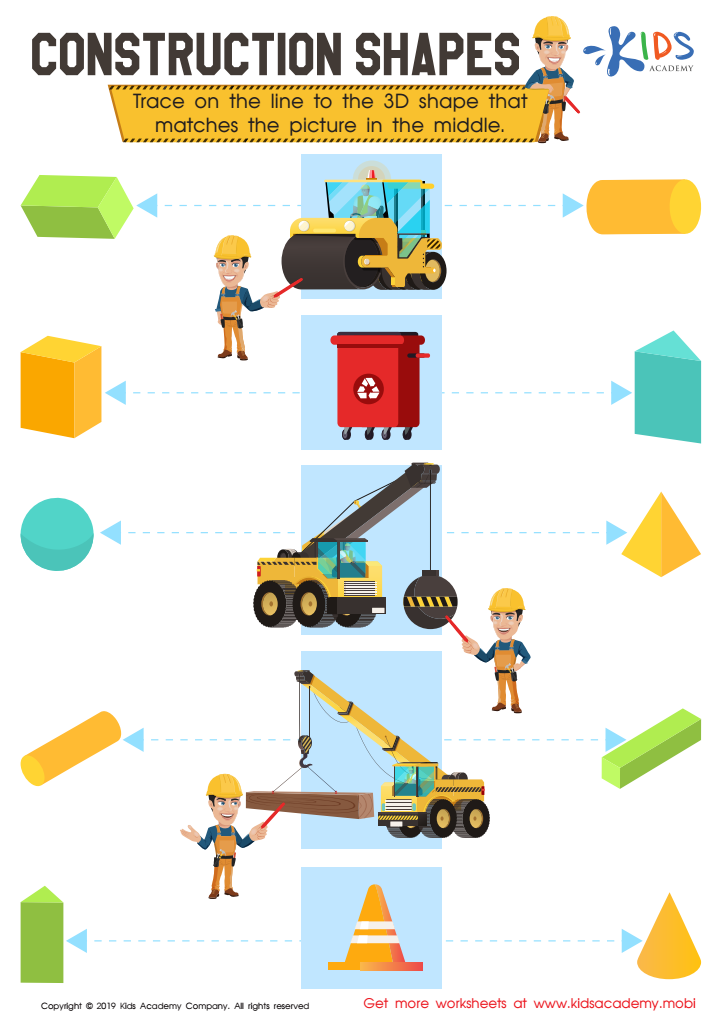
Construction Shapes Worksheet

Night Sky Numbers Worksheet
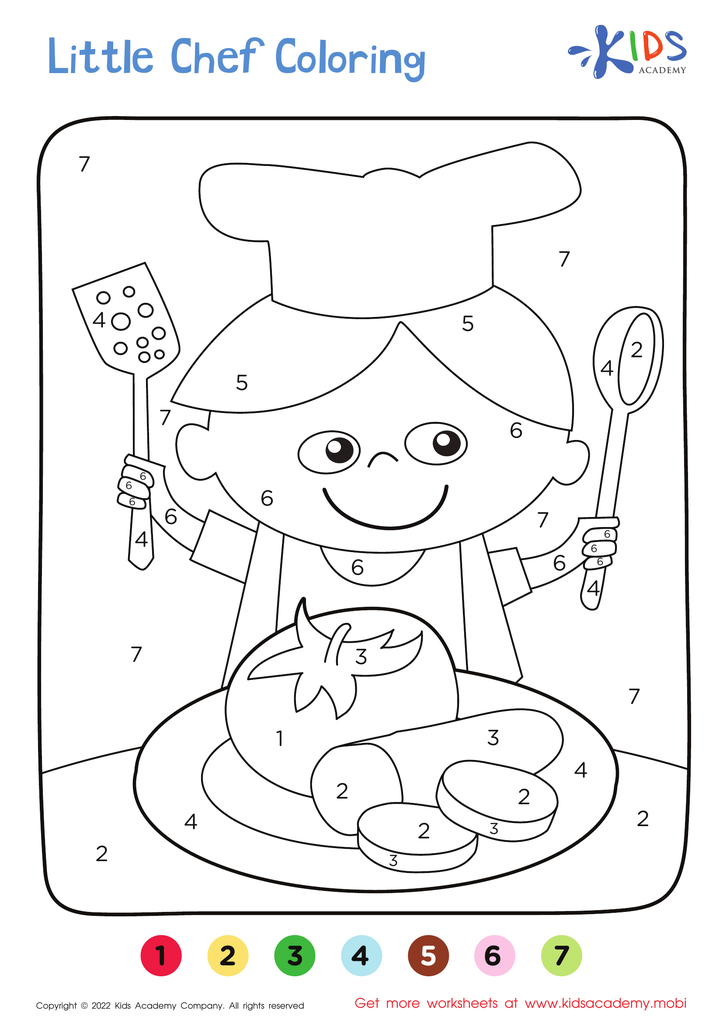
Little Chef – Coloring by Numbers
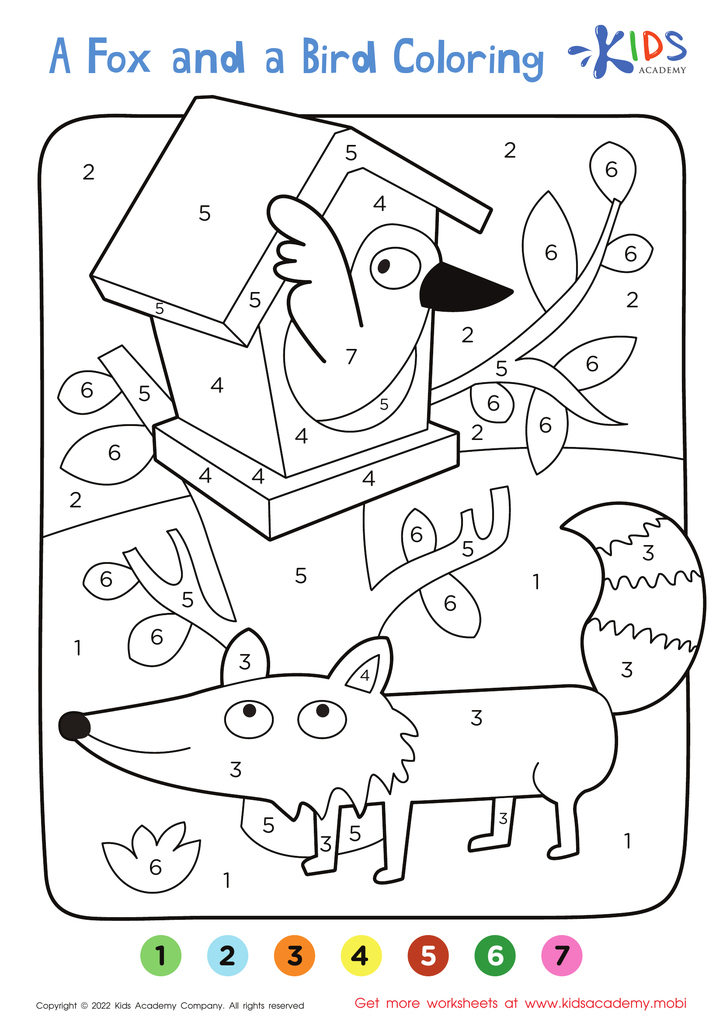
A Fox and a Bird – Coloring by Numbers
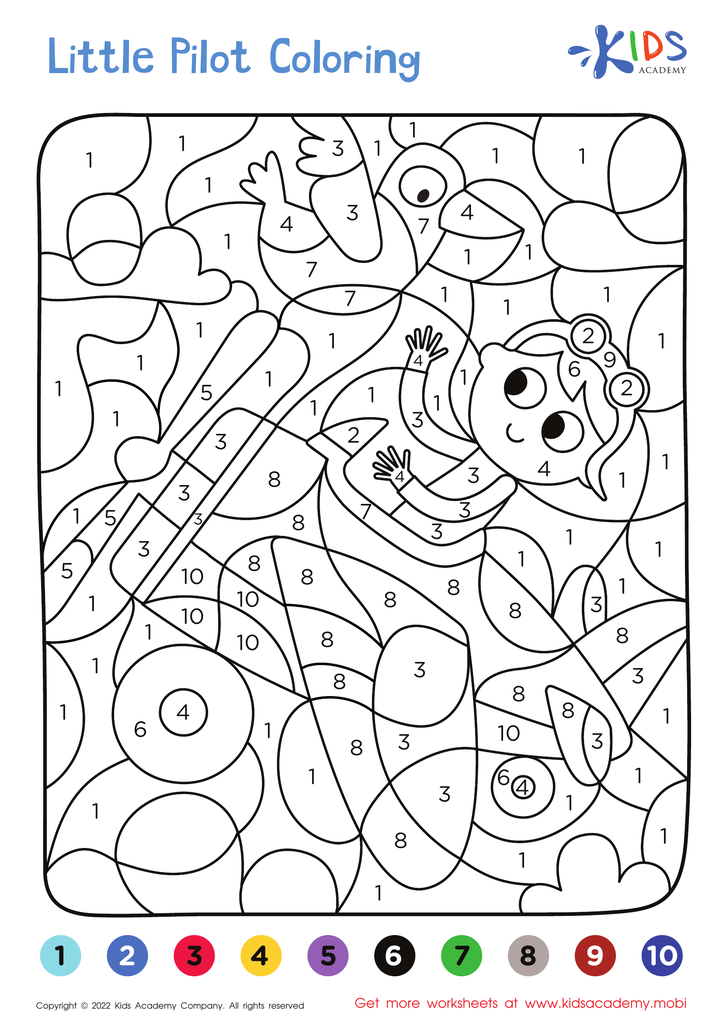
Little Pilot – Coloring by Numbers
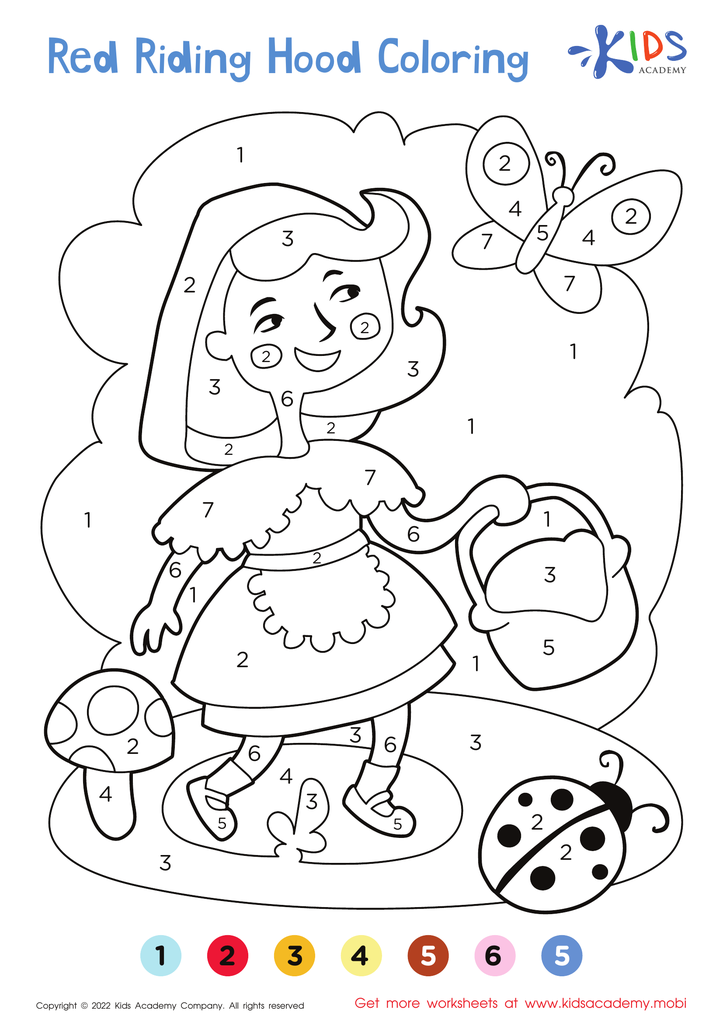
Little Red Riding Hood – Coloring by Numbers
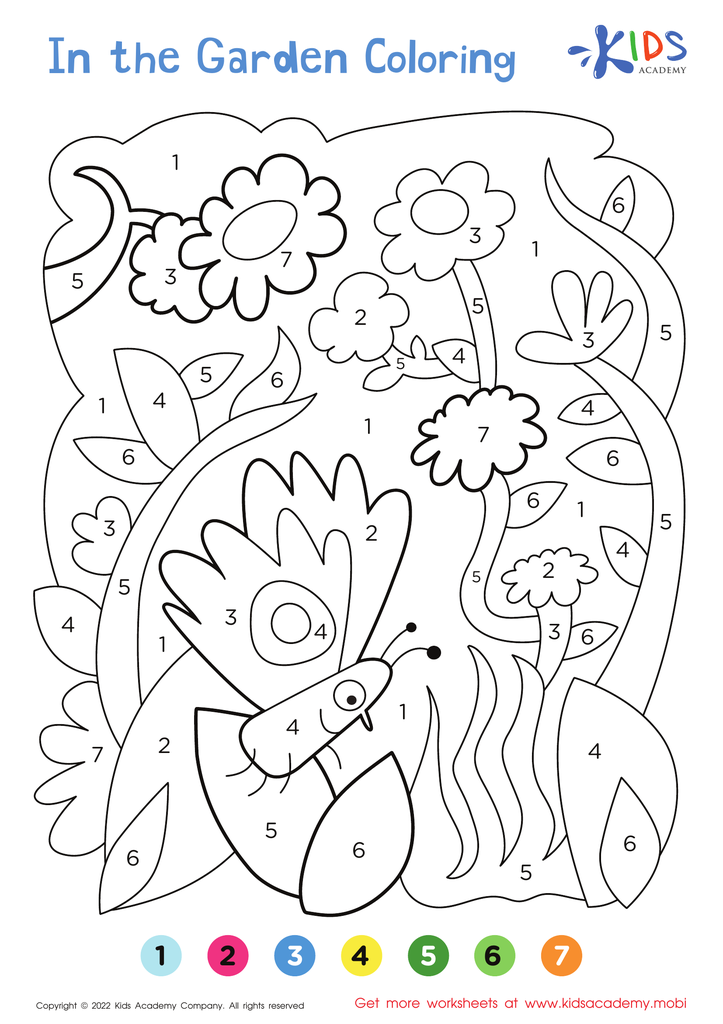
In the Garden – Coloring by Numbers








Fine motor skills are crucial in the early years of a child's education, especially for ages 6-7, as they significantly impact a child's ability to perform essential tasks in and out of the classroom. For parents and teachers, focusing on Fine Motor Skills Math activities is vital because these skills encompass the coordination of small muscles, particularly in the hands and fingers, which are essential for writing, drawing, and manipulating objects.
For children aged 6-7, intricate tasks such as gripping a pencil, cutting shapes, or aligning numbers in math workbooks stimulate both fine motor development and cognitive skills. These abilities not only enhance a child's dexterity but also foster problem-solving, sequencing, and spatial awareness. Mathematics, in particular, benefits from improved fine motor skills through better handwriting, accurate placement of numbers, and the ability to use tools like rulers and compasses, which support their learning progress.
Moreover, reinforcing fine motor skills in math activities can boost a child's confidence and independence. When children can easily manage the tools and materials needed for their tasks, they are more likely to remain engaged, complete their work efficiently, and develop a positive attitude towards learning. As a result, nurturing fine motor skills in conjunction with math introduces a holistic approach to education, aiding overall growth and academic success.








