Learn new vocabulary Math Worksheets for Ages 6-7
4 filtered results
-
From - To
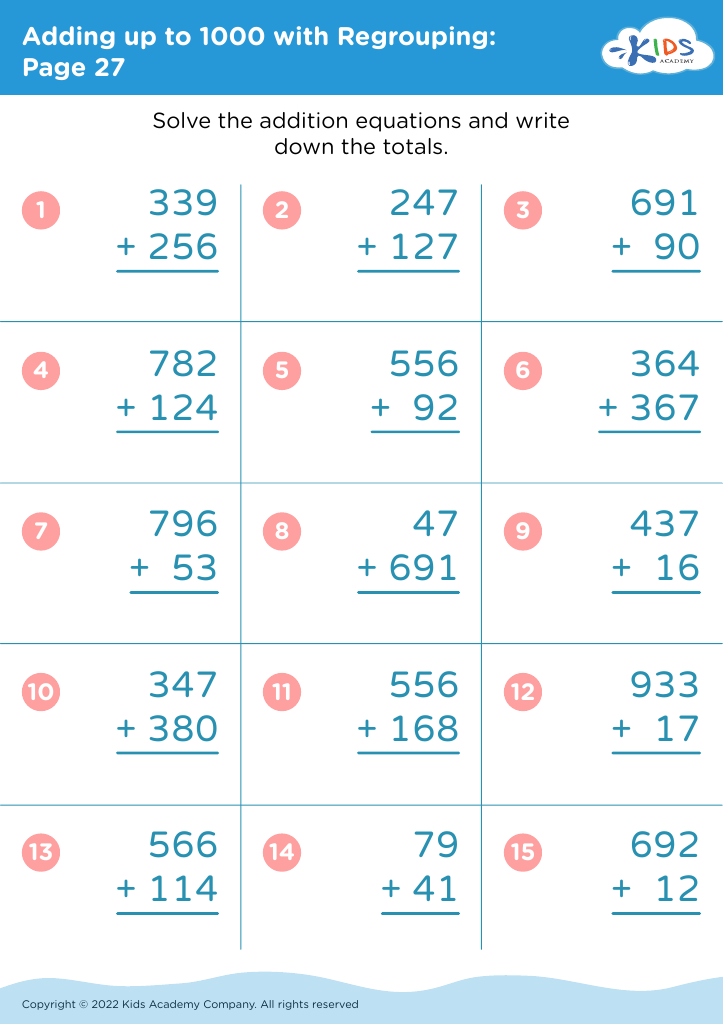
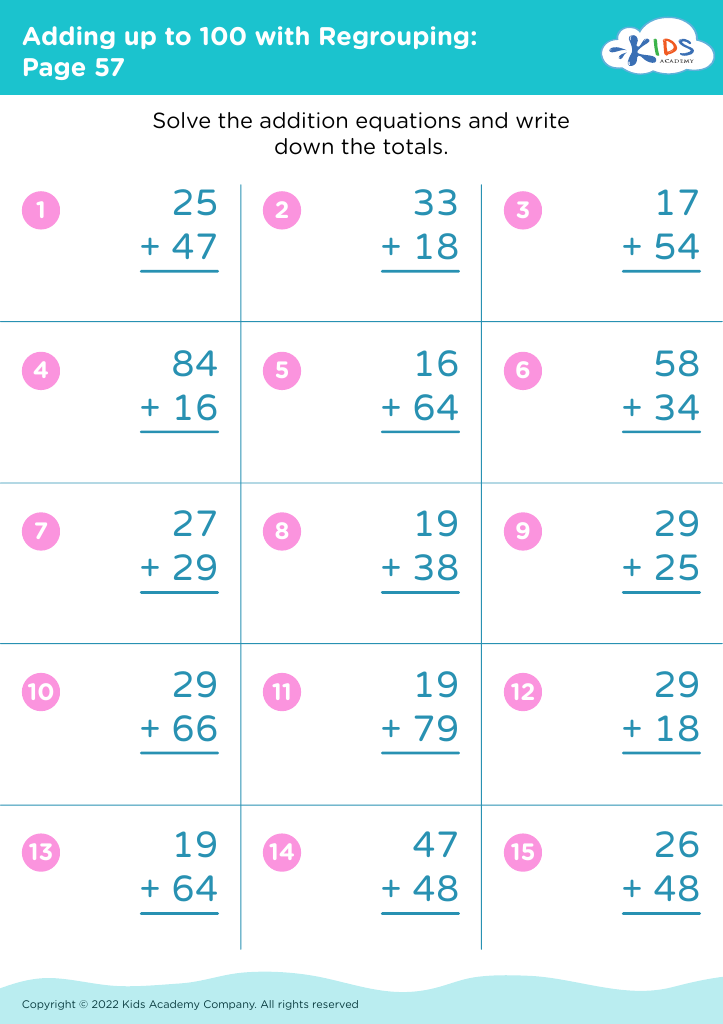
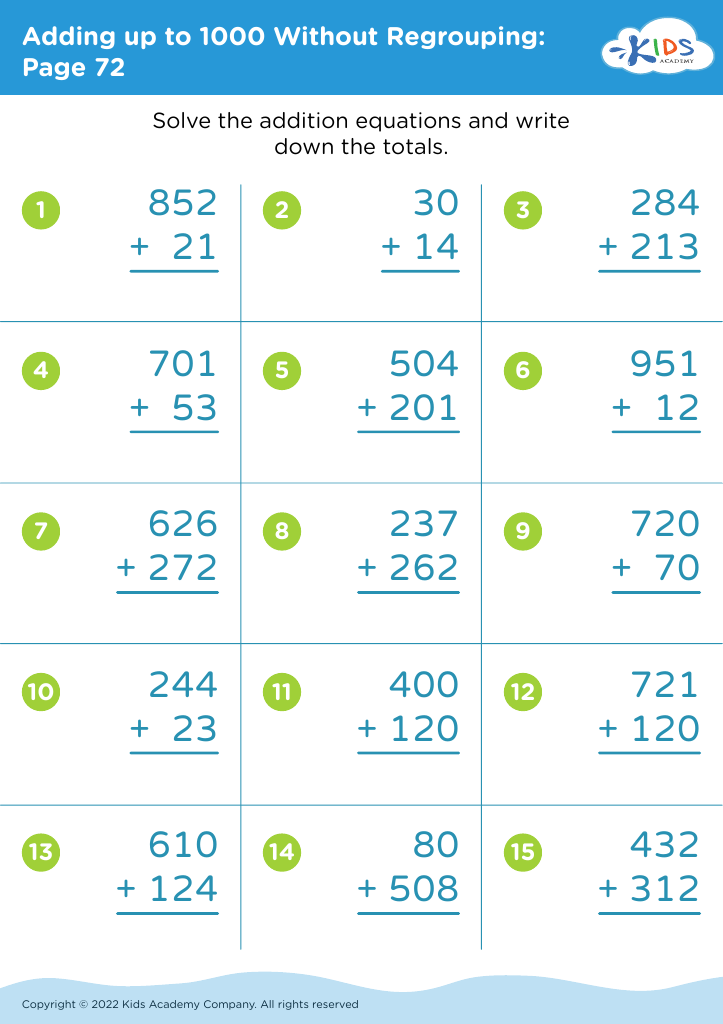
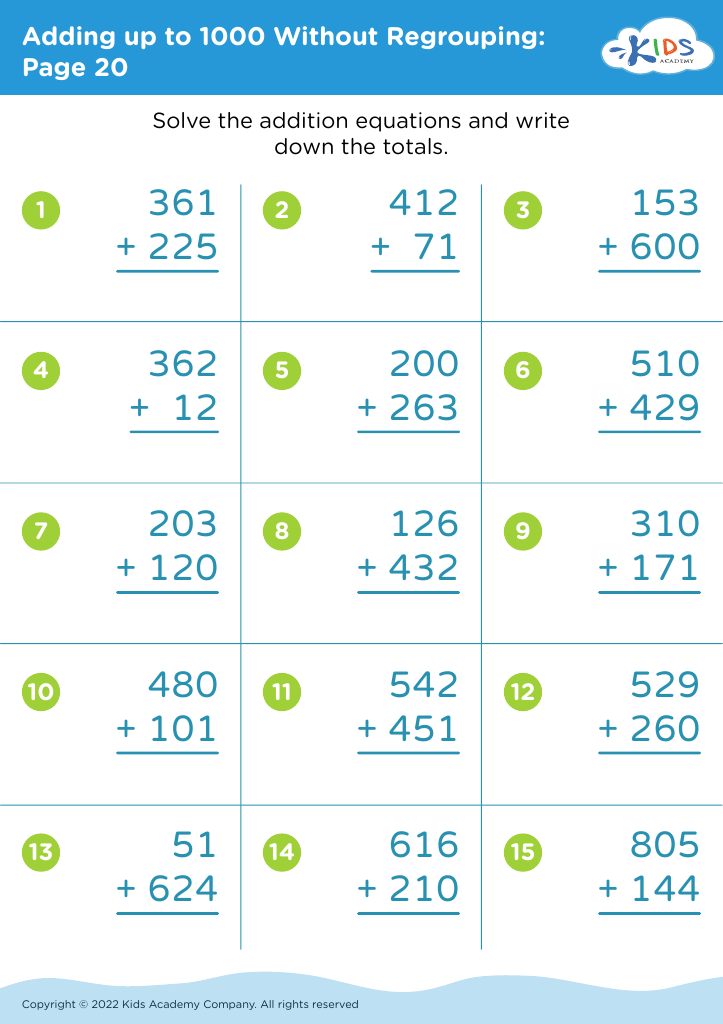
Boost your child's language skills with our "Learn New Vocabulary Math Worksheets" designed specifically for ages 6-7! These engaging worksheets provide a fun and interactive way for young learners to combine math and vocabulary development. Each activity focuses on introducing essential math terms in a lively context, helping kids understand and confidently use new words related to math concepts. With colorful illustrations and simple explanations, your child will be excited to explore ideas like addition, subtraction, and shapes while enhancing their verbal skills. Perfect for classroom or home practice, these resources make learning enjoyable and effective! download now and start the adventure!








Parents and teachers should prioritize teaching new vocabulary related to math for children ages 6-7 because of the crucial role language plays in understanding mathematical concepts. At this age, children are developing foundational skills that will support their future learning. By expanding their math vocabulary, children can better articulate their thoughts and questions, fostering deeper comprehension and engagement with the material.
Introducing specific terms such as "addition," "subtraction," "greater than," and "less than" equips children with the language necessary for problem-solving and communicating their reasoning. It also helps them make connections to real-world situations, where these concepts often apply. A richer vocabulary enhances their ability to interpret math problems accurately and facilitates collaborative learning, as they can share ideas and strategies with peers.
Furthermore, exposure to math vocabulary helps build critical thinking skills. As children learn to express mathematical concepts verbally, they are encouraged to think logically and approach problems analytically. This foundational work in vocabulary paves the way for more advanced mathematics, making it essential for their academic growth.
Overall, investing in math vocabulary not only aids mathematical proficiency but also boosts confidence, encouraging a positive attitude toward learning that can last a lifetime.








