Recognize shapes Math Worksheets for Ages 6-7
9 filtered results
-
From - To
Enhance your child's geometry skills with our "Recognize Shapes Math Worksheets" designed for ages 6-7. These engaging worksheets from Kids Academy help young learners identify and differentiate shapes while developing critical thinking and problem-solving skills. With vibrant illustrations and interactive activities, kids will enjoy learning about circles, squares, triangles, rectangles, and more. Perfect for classroom or home use, these resources support continuous math growth and foundational geometry understanding, setting the stage for future success in mathematics. Download today and make shape recognition fun and educational!
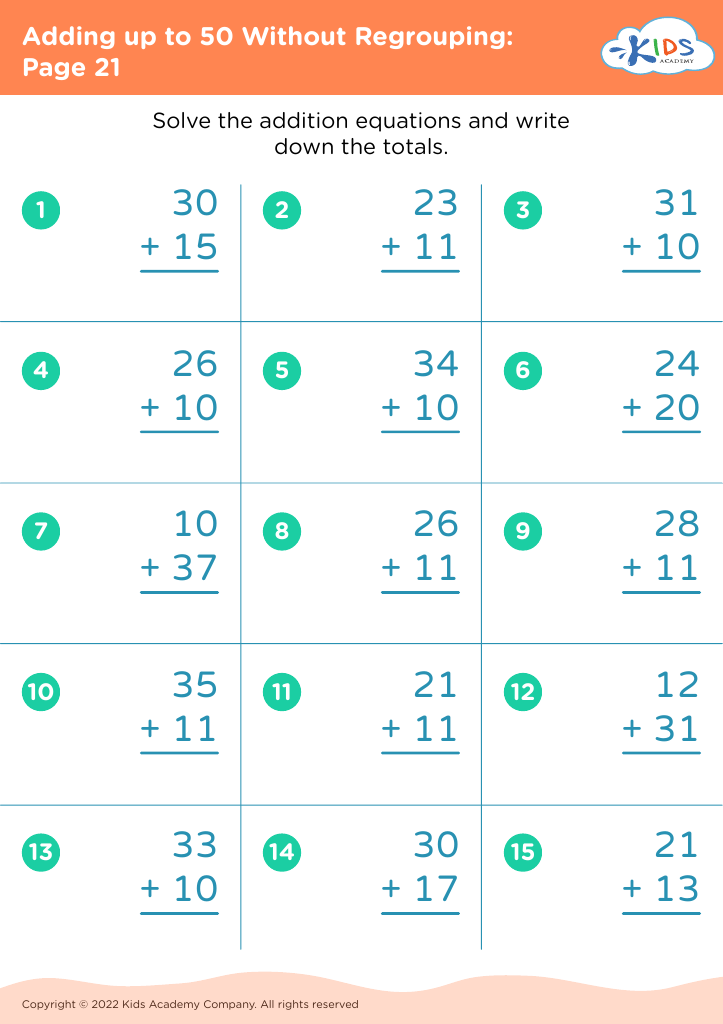
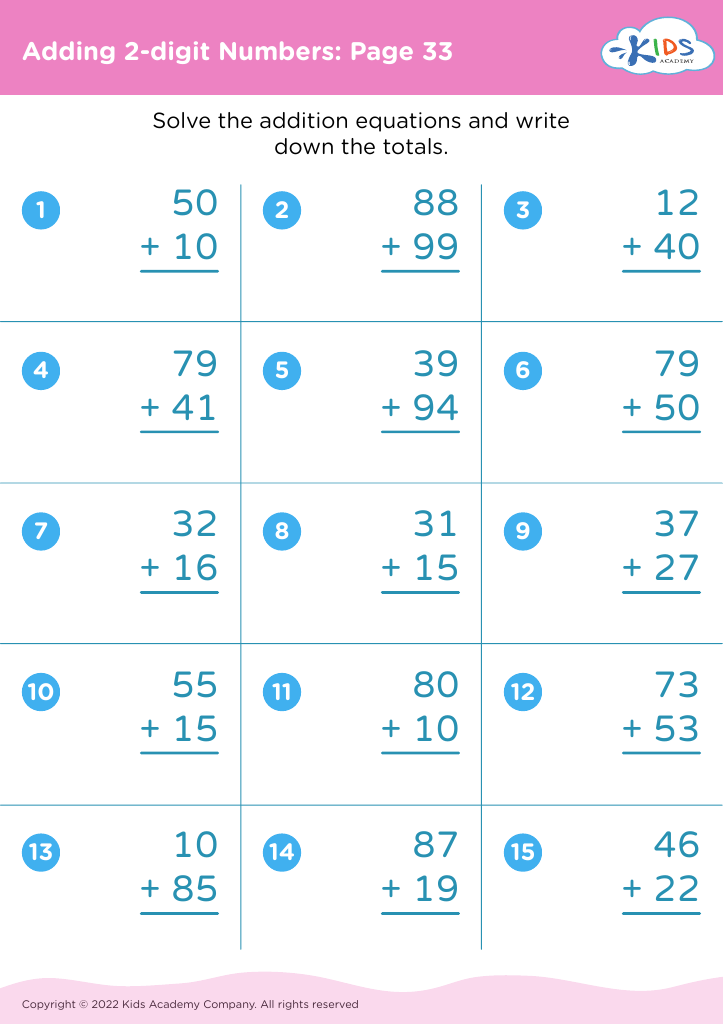
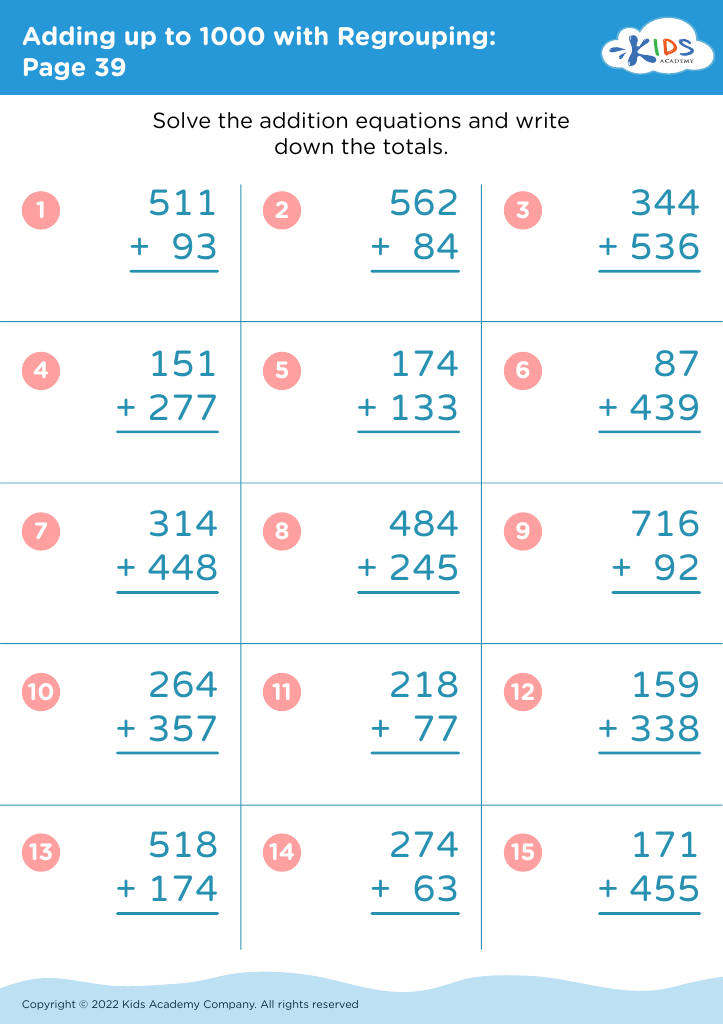
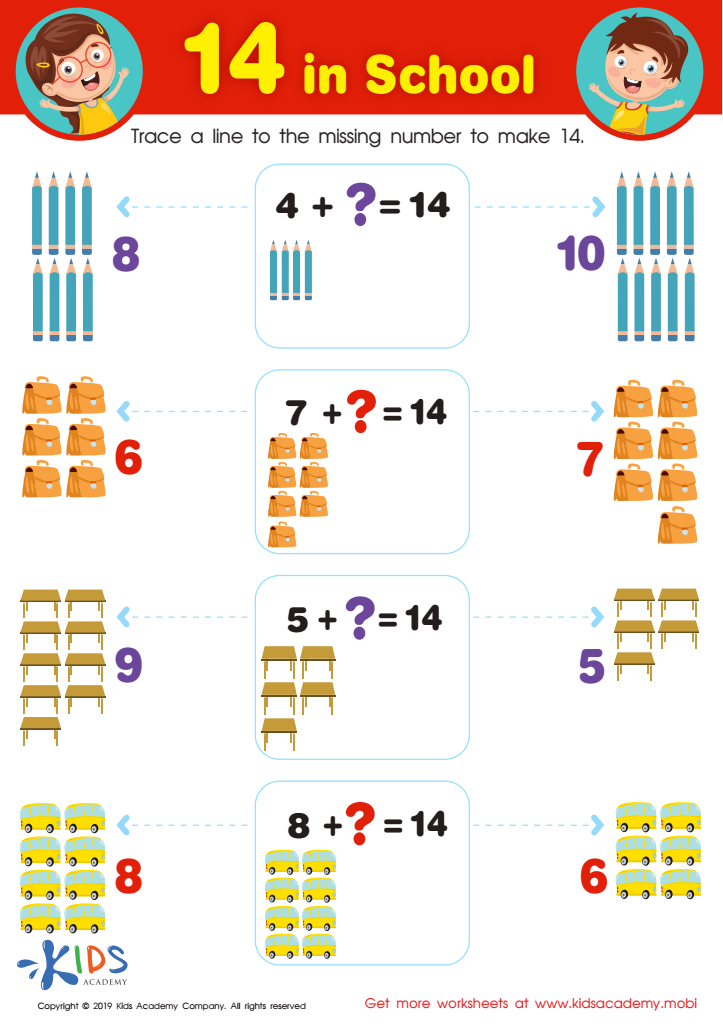
14 in School Worksheet
 Assign to My Students






Understanding and recognizing shapes is crucial for children aged 6-7 as it lays the foundation for essential cognitive and academic skills. At this point in their development, children are honing their ability to identify, compare, and contrast different shapes, an early form of critical thinking and problem-solving. Recognizing shapes improves spatial awareness, which helps them navigate their physical world more confidently and safely.
Moreover, shapes are the building blocks of more complex mathematical concepts. Knowing basic shapes like circles, squares, and triangles enables kids to grasp geometry fundamentals, which they will encounter in advanced math. Proficiency in shape recognition also enhances their ability to understand fractions, symmetry, and various measurement concepts.
Engaging with shapes in playful and interactive ways can significantly augment a child's creativity and observational skills. These activities can include sorting shapes, puzzles, and drawing, all of which stimulate mental and motor development. Furthermore, recognizing and naming shapes empower children to describe their world more thoroughly, enriching their communication skills.
For teachers, incorporating shape exercises into the curriculum makes math tangible and relatable. Parents can reinforce this learning at home through everyday observations and conversations about different shapes in their surroundings, fostering a love for learning that extends beyond the classroom.








