Matching skills Matching Worksheets for Ages 6-7
4 filtered results
-
From - To
Introduce your child to the world of matching skills with our specially designed Matching Worksheets for Ages 6-7. Perfect for young learners, these printable worksheets from Kids Academy help kids develop critical thinking and problem-solving abilities while making learning engaging and fun. Available activities include matching numbers, shapes, patterns, and more to cultivate foundational math skills. Our educational resources align with curricula standards and are ideal for both classroom learning and home practice. Start unlocking your child’s potential today with these interactive and educational worksheets that blend learning and play seamlessly.
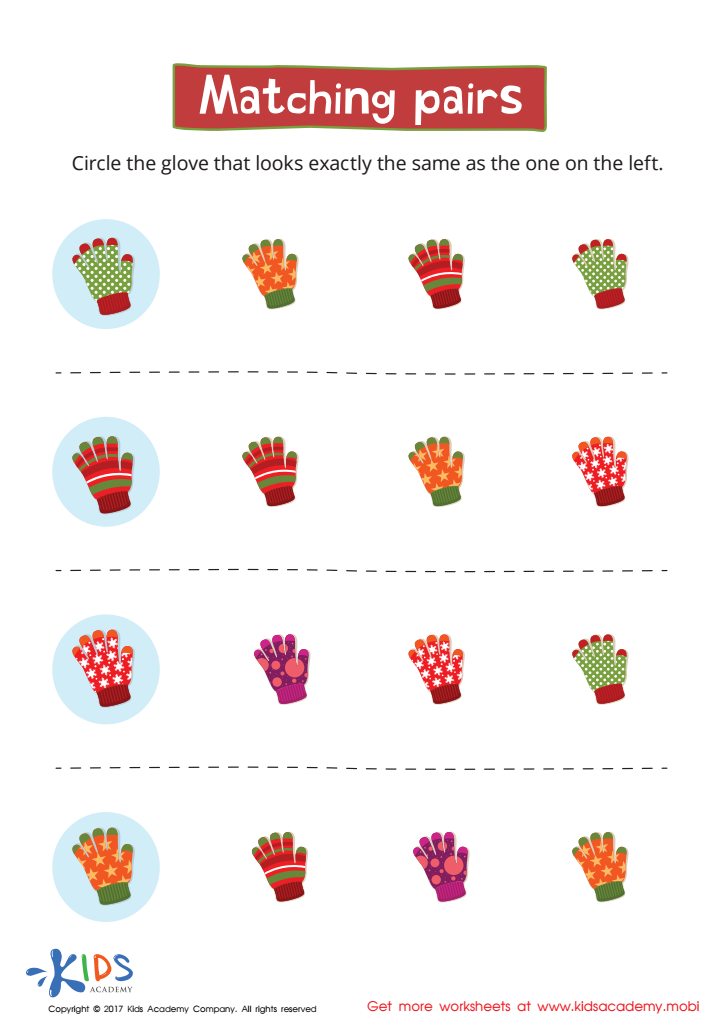
Matching: Matching Pairs Worksheet
 Assign to My Students
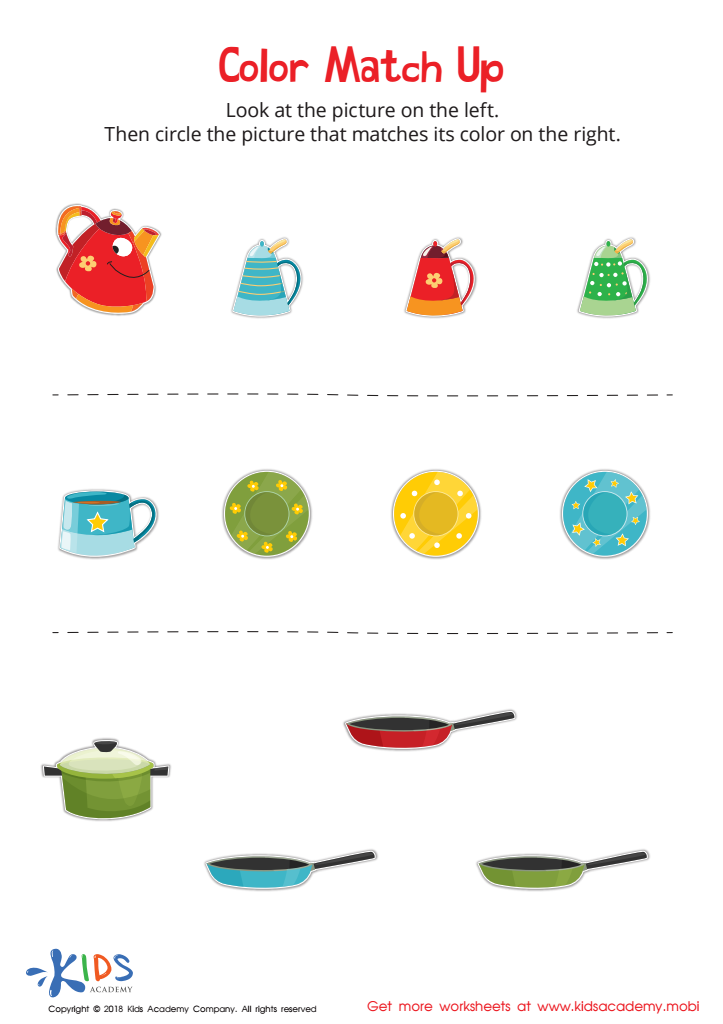
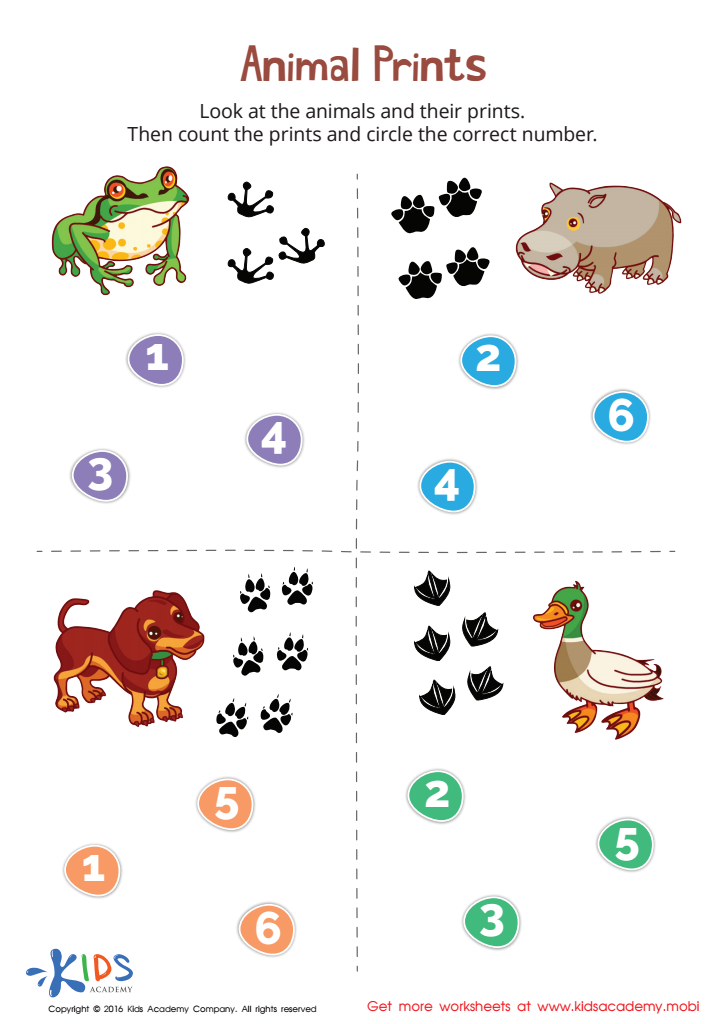
Animal Prints Match-Up Worksheet
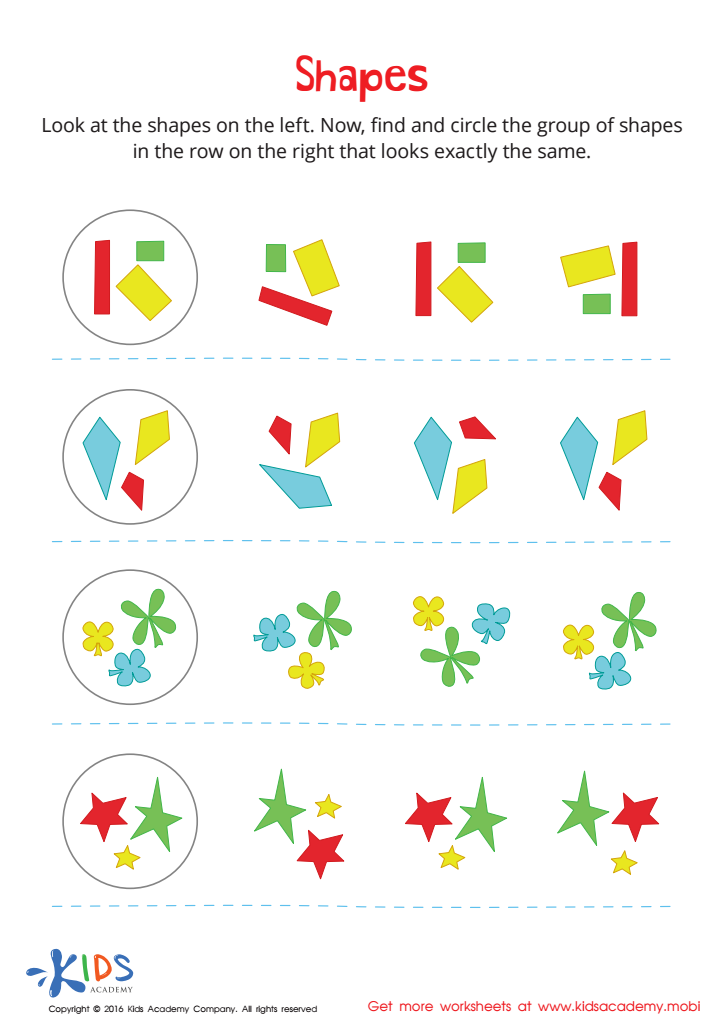
Shapes Worksheet








Parents and teachers should prioritize matching skills for children ages 6-7 because these skills are foundational for cognitive and academic development. Matching activities help young children develop important cognitive skills such as visual discrimination, attention to detail, memory recall, and problem-solving abilities. When children engage in matching exercises, they learn to identify similarities and differences, an essential skill for reading and mathematical concepts.
For example, recognizing letters and numbers involves matching shapes and symbols which is a precursor to literacy and numeracy. These activities also enhance a child’s ability to focus and complete tasks, skills that are critical for academic success in a structured school environment. Aside from cognitive benefits, matching games often require children to use fine motor skills, thereby naturally enhancing hand-eye coordination.
In addition, matching activities can be highly engaging and enjoyable, fostering a positive attitude towards learning. In a classroom setting, matching games can encourage cooperative play and communication among peers, while at home, they can provide opportunities for meaningful parent-child interaction. Thus, focusing on matching skills for children ages 6-7 not only supports their academic readiness but also contributes to their overall cognitive, social, and emotional development.








