Vocabulary enhancement Matching Worksheets for Ages 6-7
5 filtered results
-
From - To
Boost your child's vocabulary with our engaging Vocabulary Enhancement Matching Worksheets designed specifically for ages 6-7! These fun, interactive activities help young learners connect words with their meanings, synonyms, and images, promoting language development through playful learning. Our worksheets cater to different learning styles, ensuring every child can thrive. By encouraging matching skills, these exercises reinforce comprehension and retention. Perfect for classroom use or at-home practice, our worksheets make vocabulary building a delightful experience. Help your child explore the richness of language while enhancing their cognitive skills. Discover the joy of words today with our vibrant, kid-friendly resources!
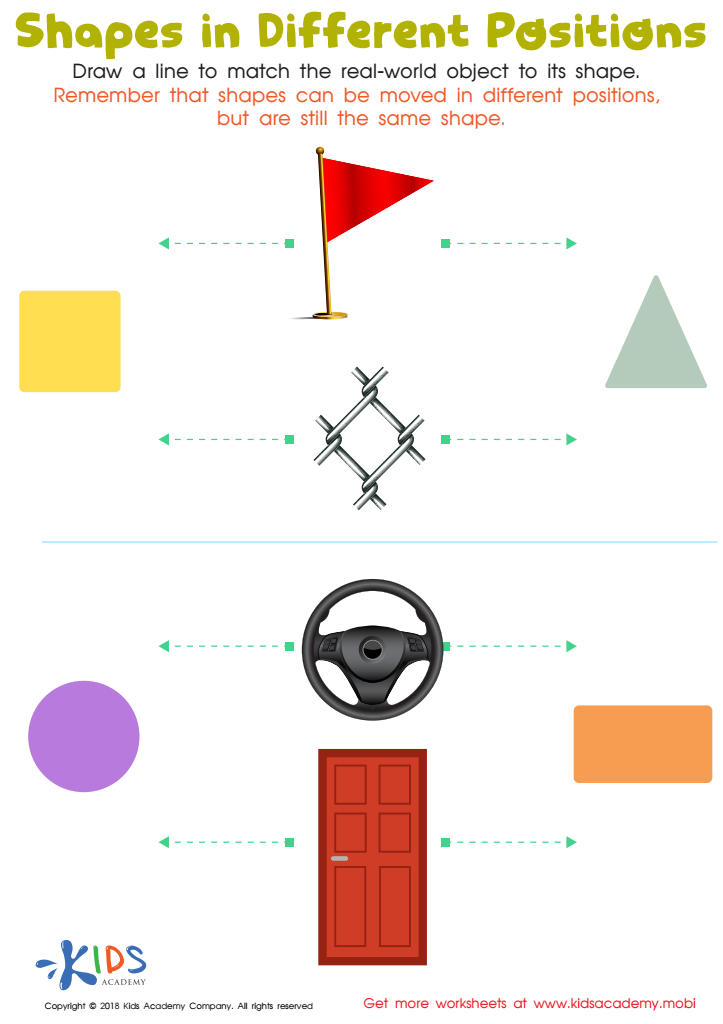
Shapes in Different Positions Worksheet
 Assign to My Students
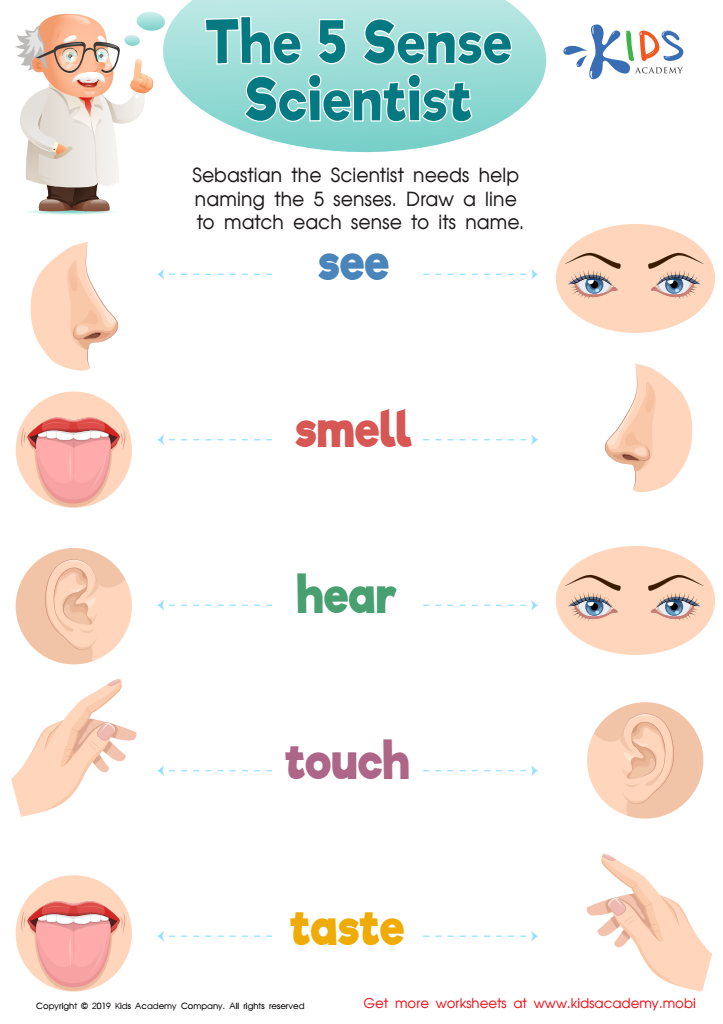
The 5 Sense Scientist Worksheet
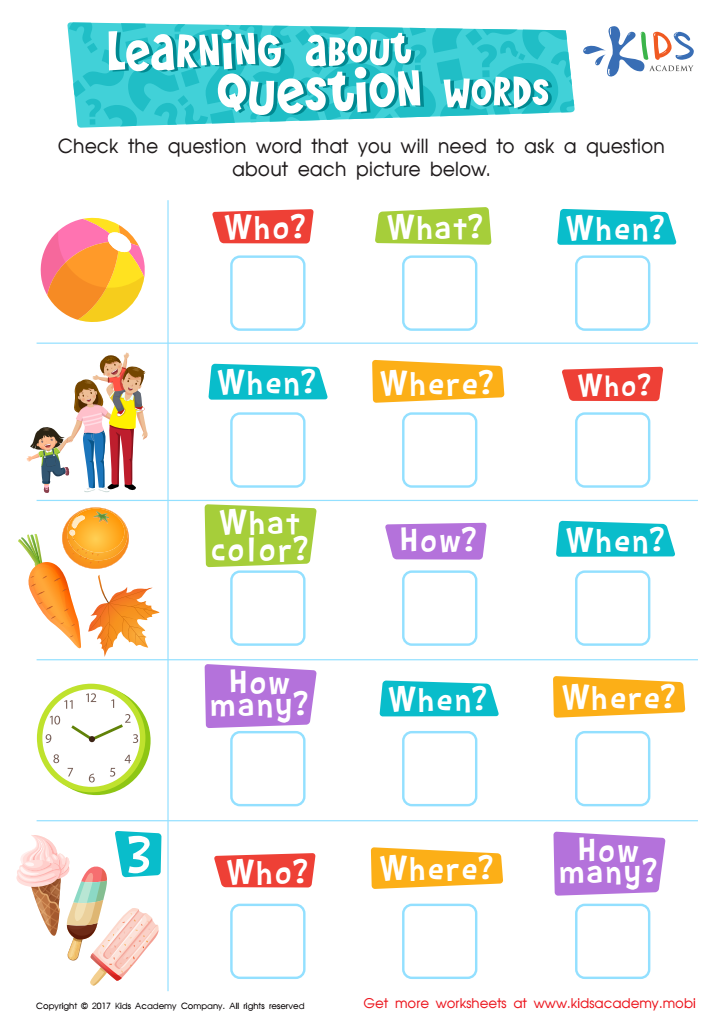
Learning about Question Words Worksheet
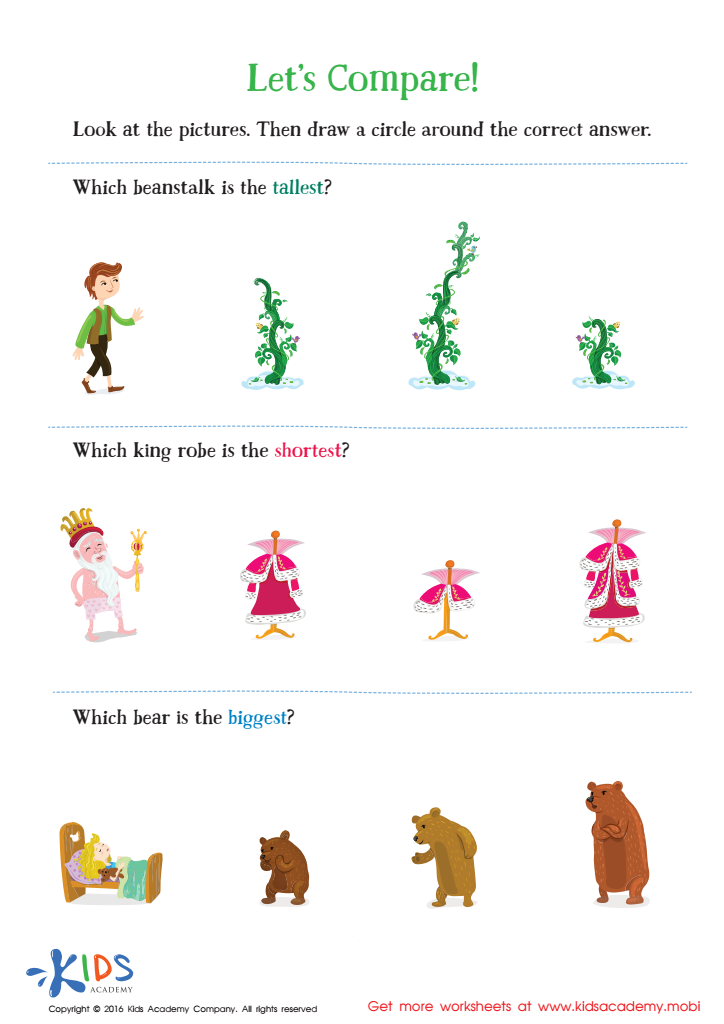
Fairy Tale Worksheet: Let's Compare
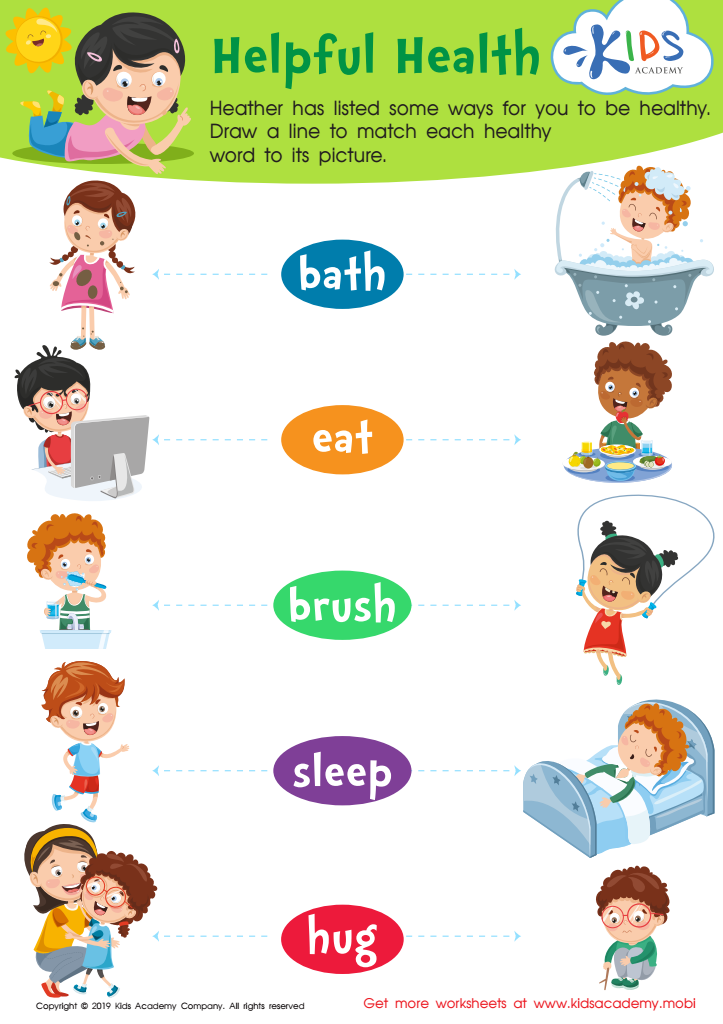
Helpful Health Worksheet








Vocabulary enhancement is crucial for children ages 6-7, as it directly impacts their reading comprehension, communication skills, and overall academic success. During these formative years, children are rapidly developing language abilities, making it an optimal time for vocabulary expansion. A robust vocabulary allows them to understand more complex texts and express themselves clearly, which are essential skills for both school and life.
Matching activities specifically engage children in an interactive way, helping them connect words to meanings, contexts, or images. This method not only makes learning enjoyable but reinforces retention through play. When children explore vocabulary through matching games, they are more likely to remember new words and use them in character, enhancing both their spoken and written communication.
Parents and teachers should care about vocabulary enhancement because a strong vocabulary foundation encourages critical thinking and promotes confidence in language use. Children with rich vocabularies can articulate their thoughts better, participate actively in discussions, and perform well academically. Ultimately, investing in vocabulary development during these years sets the stage for lifelong learning and success, ensuring children are well-equipped to tackle future linguistic challenges.








