Fine Motor Skills Numbers 0–10 Worksheets for Ages 6-7 - Page 2
48 filtered results
-
From - To

Eight Geese Worksheet
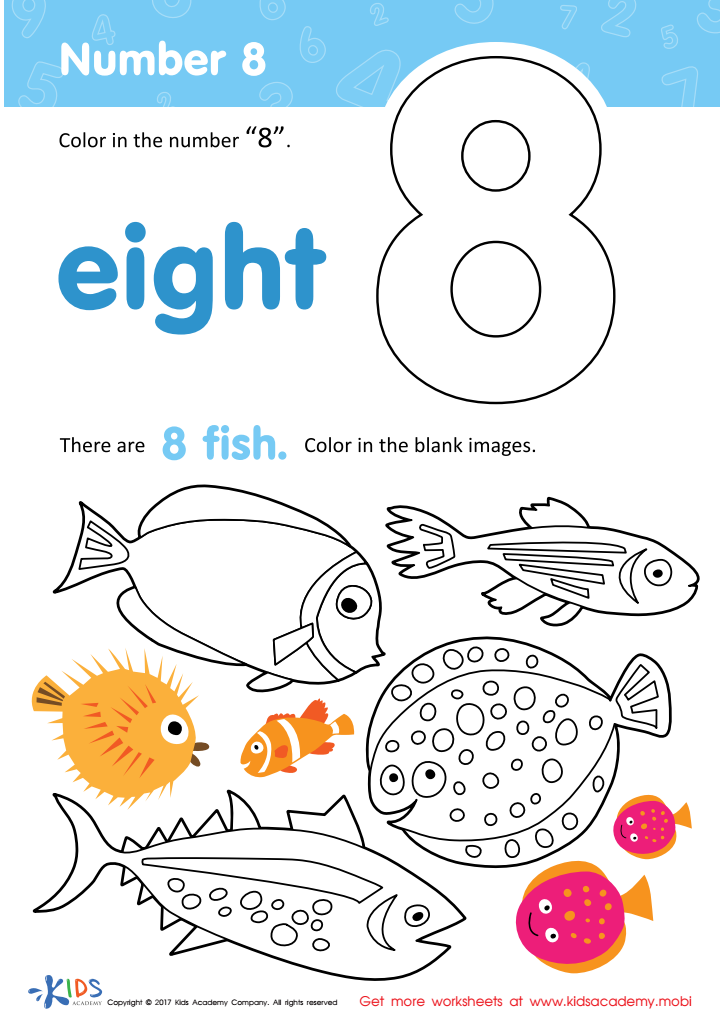
Number 8 Printable
 Assign to My Students
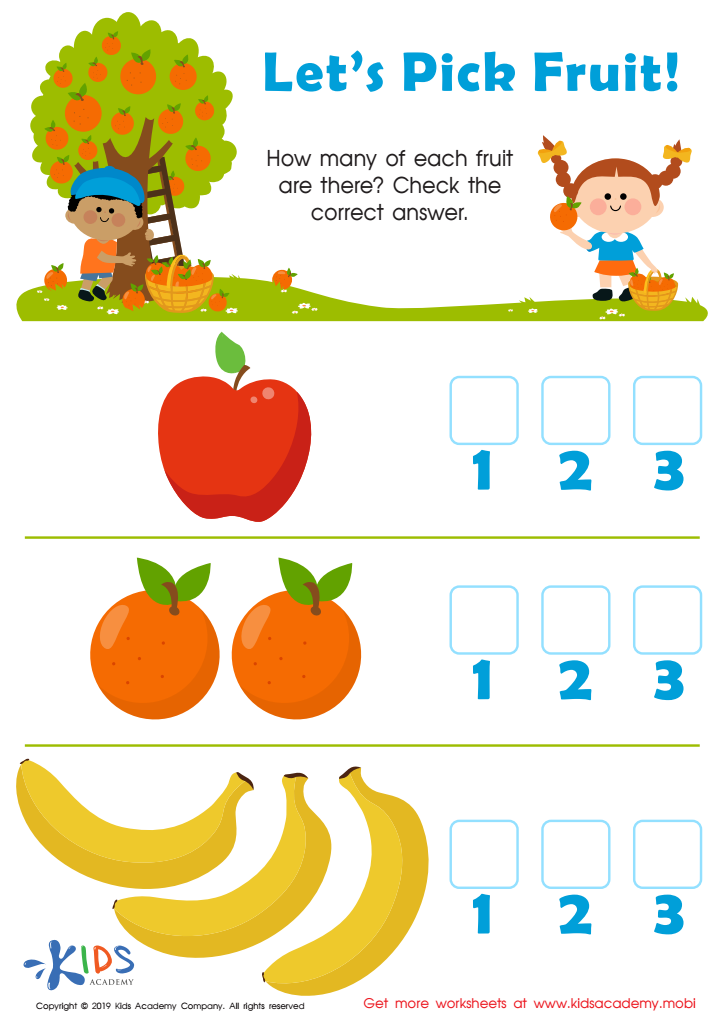
Let's Pick Fruit Worksheet
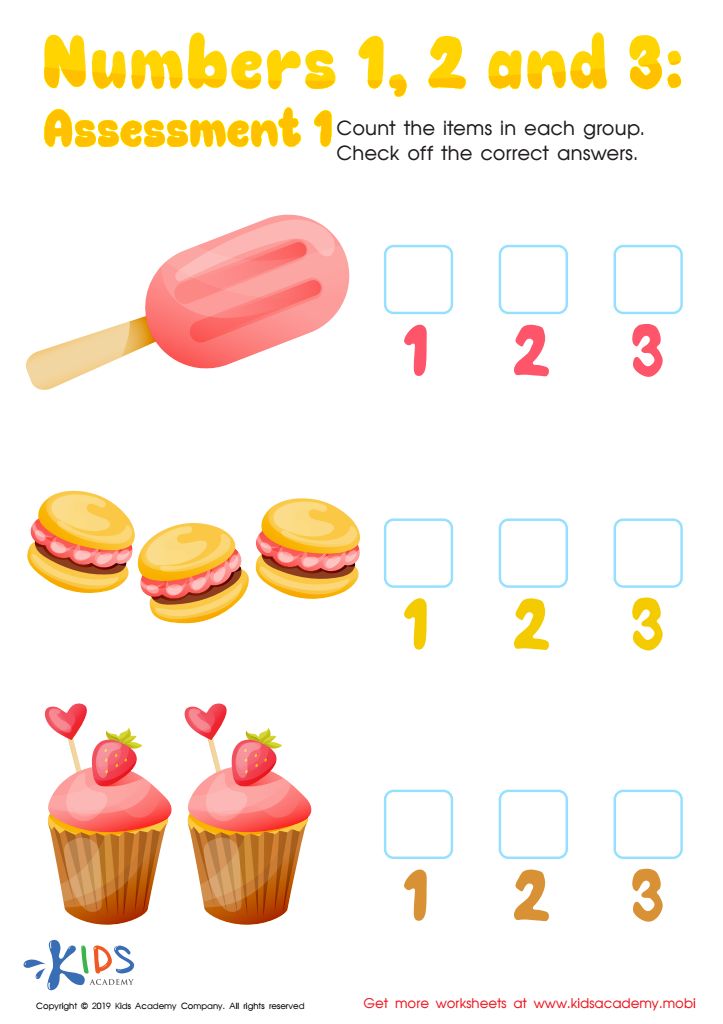
Numbers 1, 2 and 3: Assessment 1 Worksheet

Underwater Adventure Worksheet
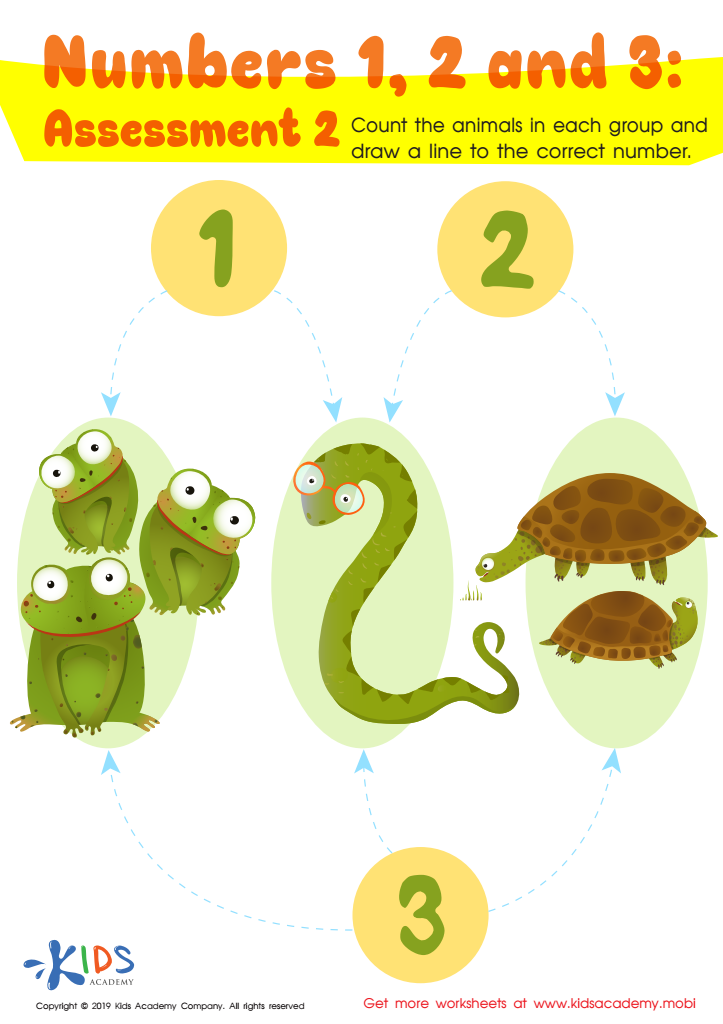
Numbers 1, 2 and 3: Assessment 2 Worksheet
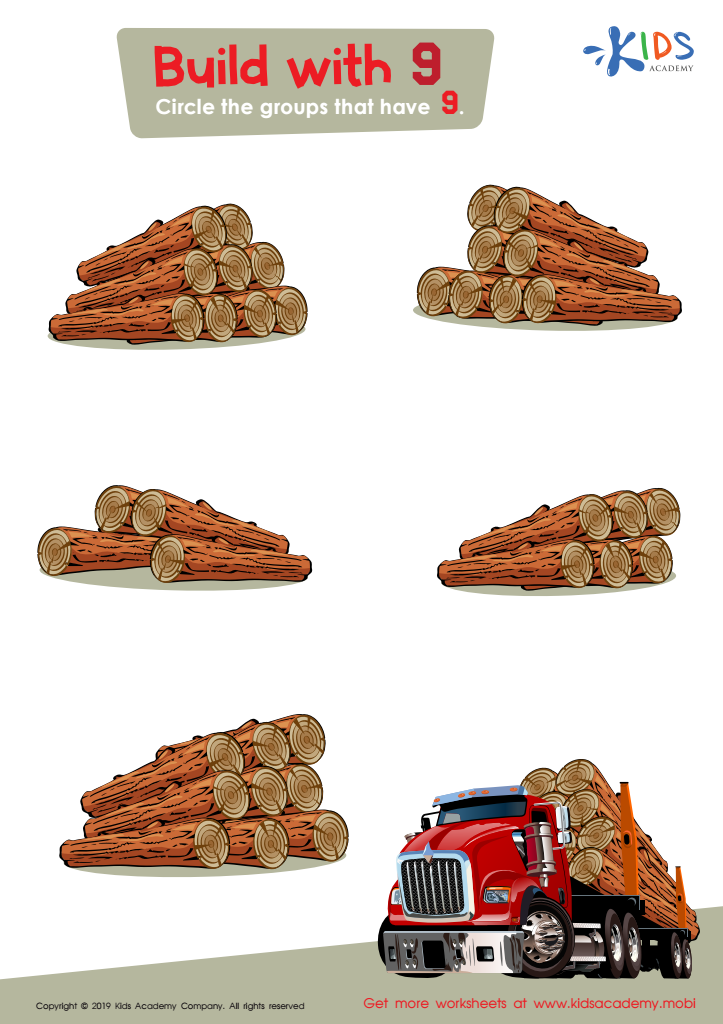
Build with 9 Worksheet
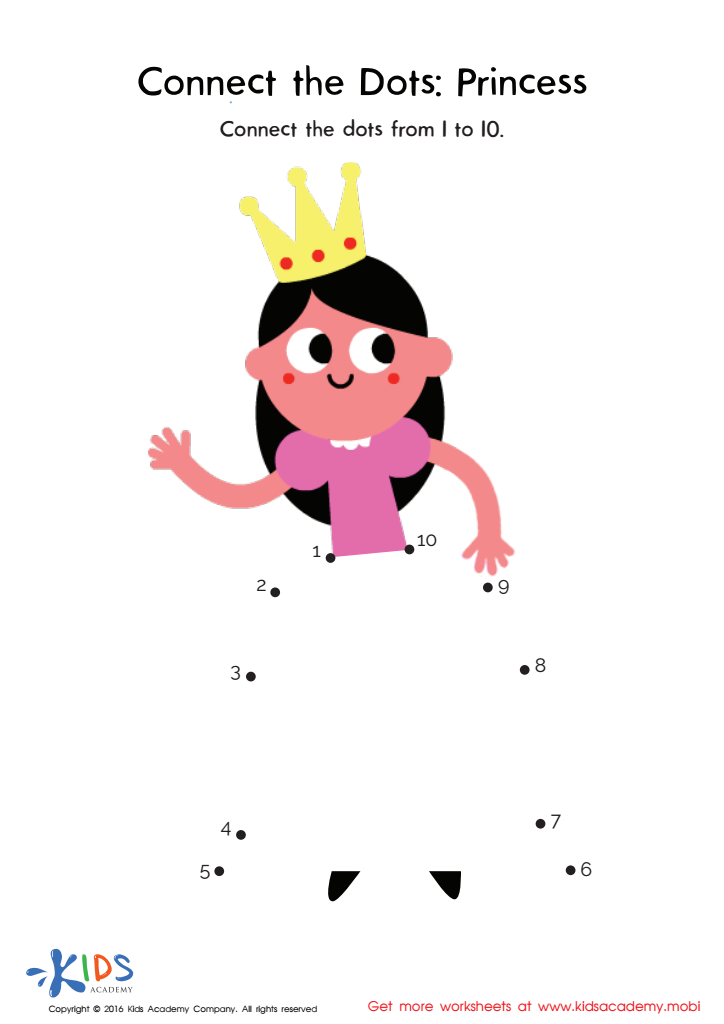
Princess Connect Dots Worksheet
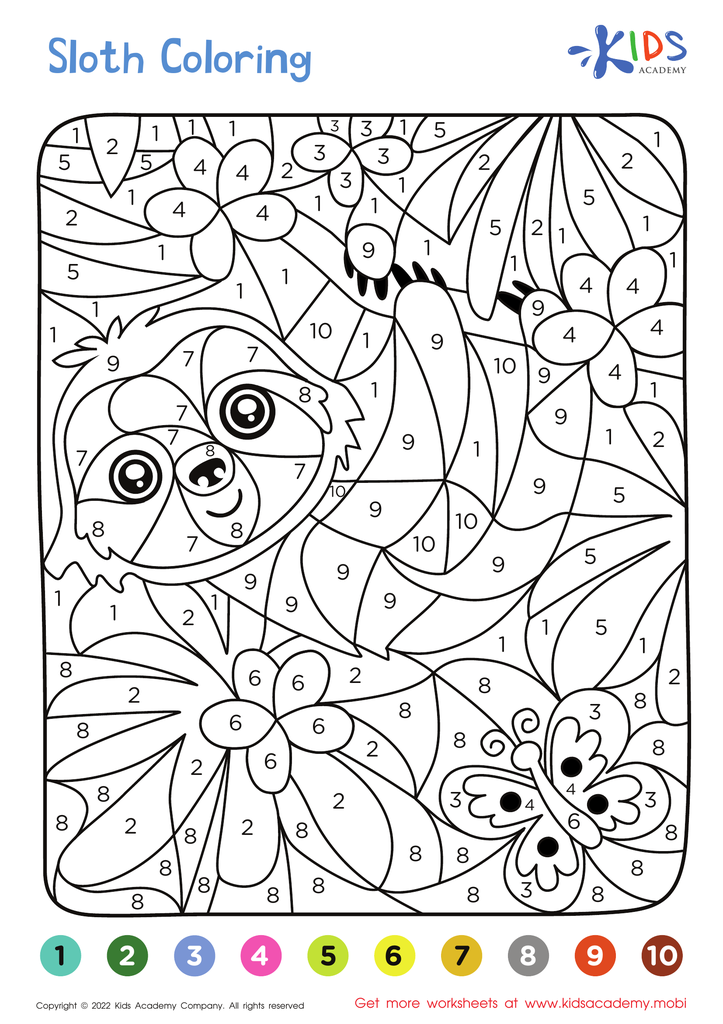
Sloth – Coloring by Numbers

Count the Cucumbers and Trace the Number 8 Printable
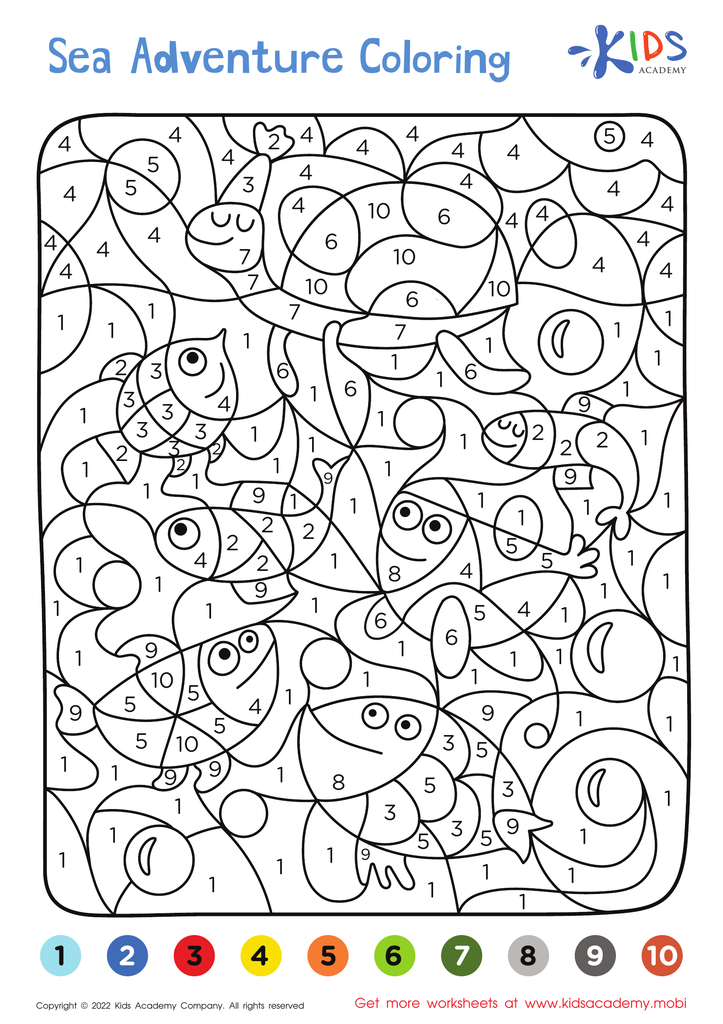
Sea Adventure – Coloring by Numbers
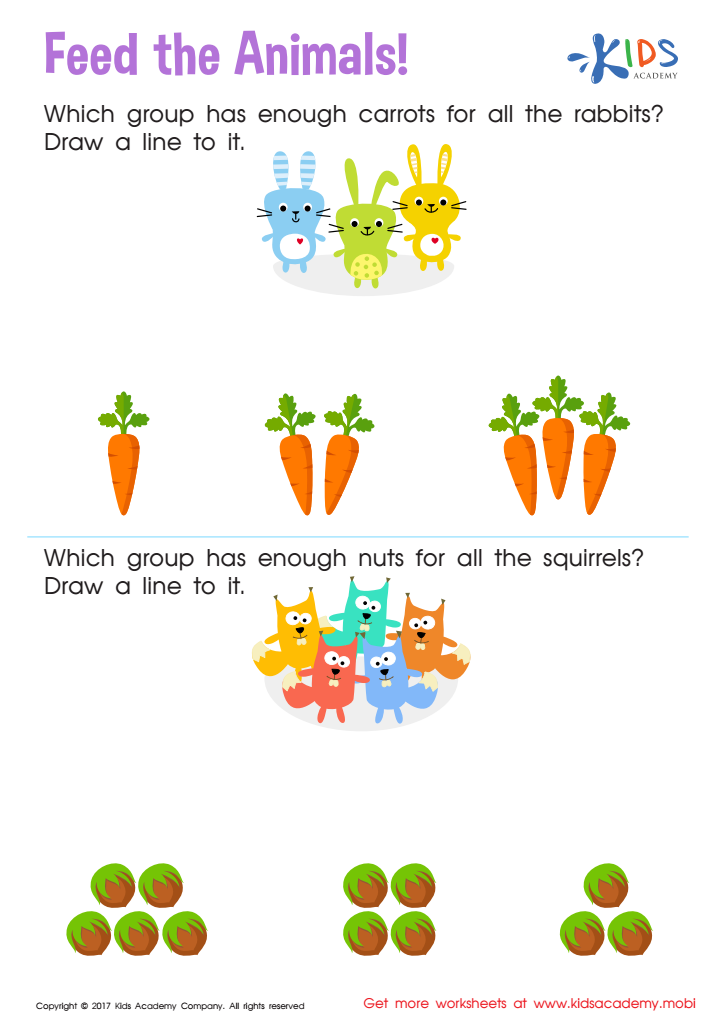
Count and Match: Feed the Animals Worksheet
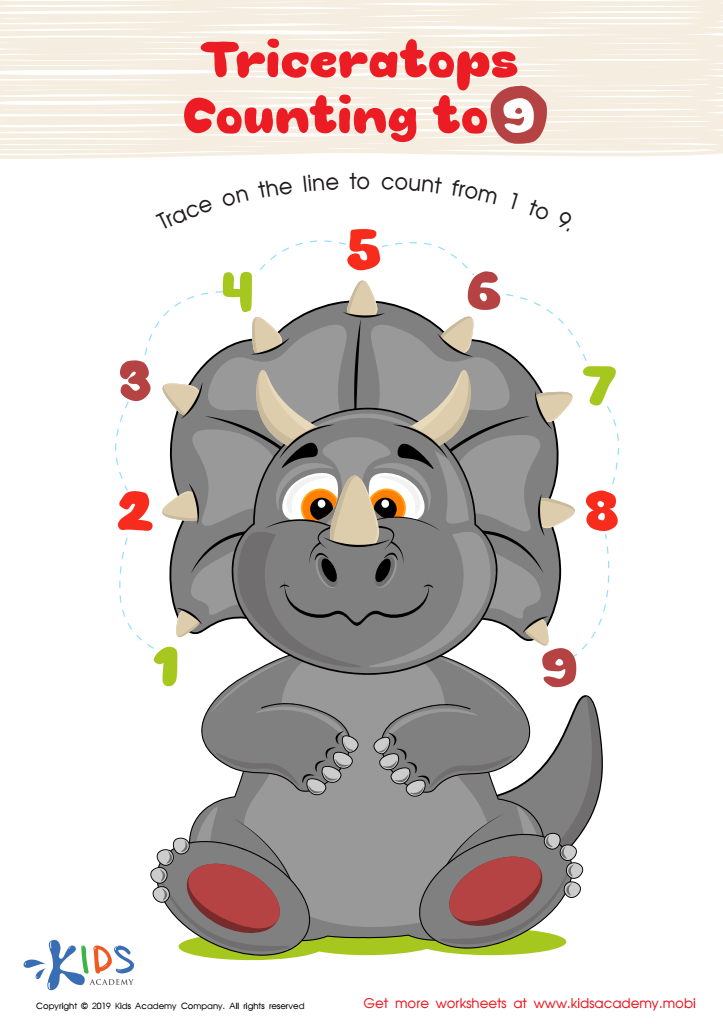
Triceratops Counting to 9 Worksheet
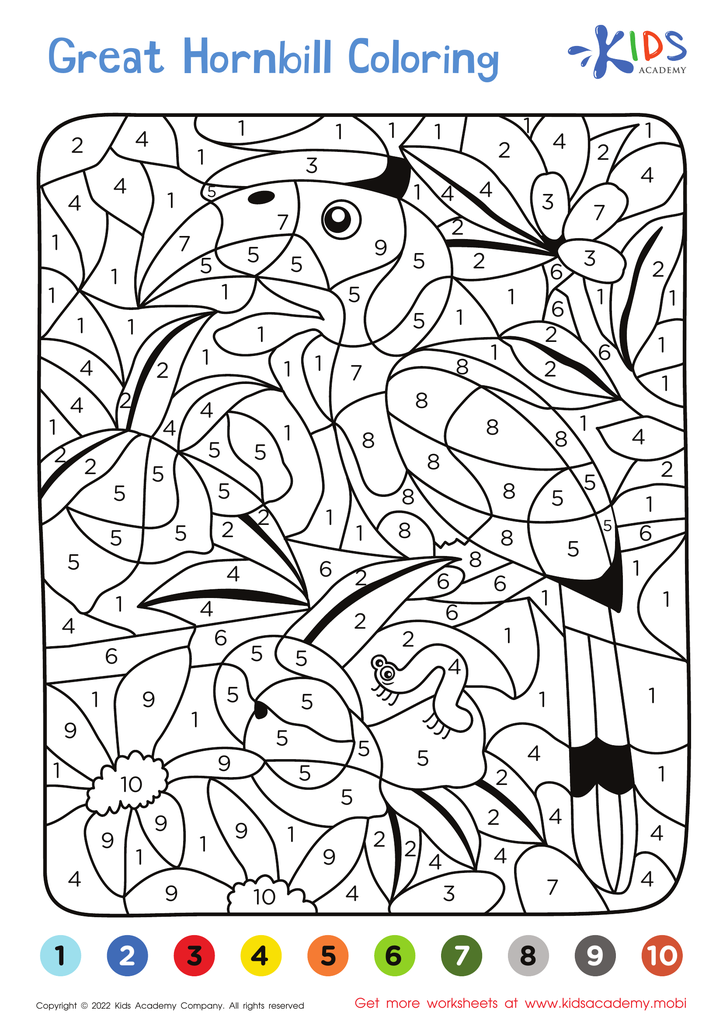
Great Hornbill – Coloring by Numbers
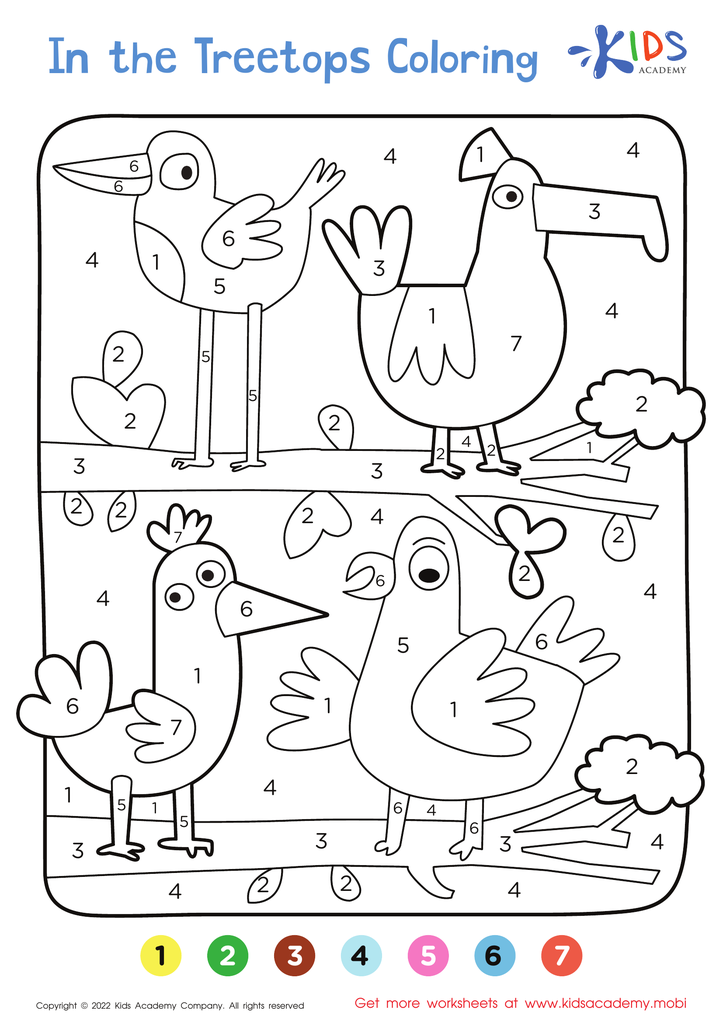
In the Treetops – Coloring Page

Twinkle, Twinkle, Little Star – Coloring by Numbers
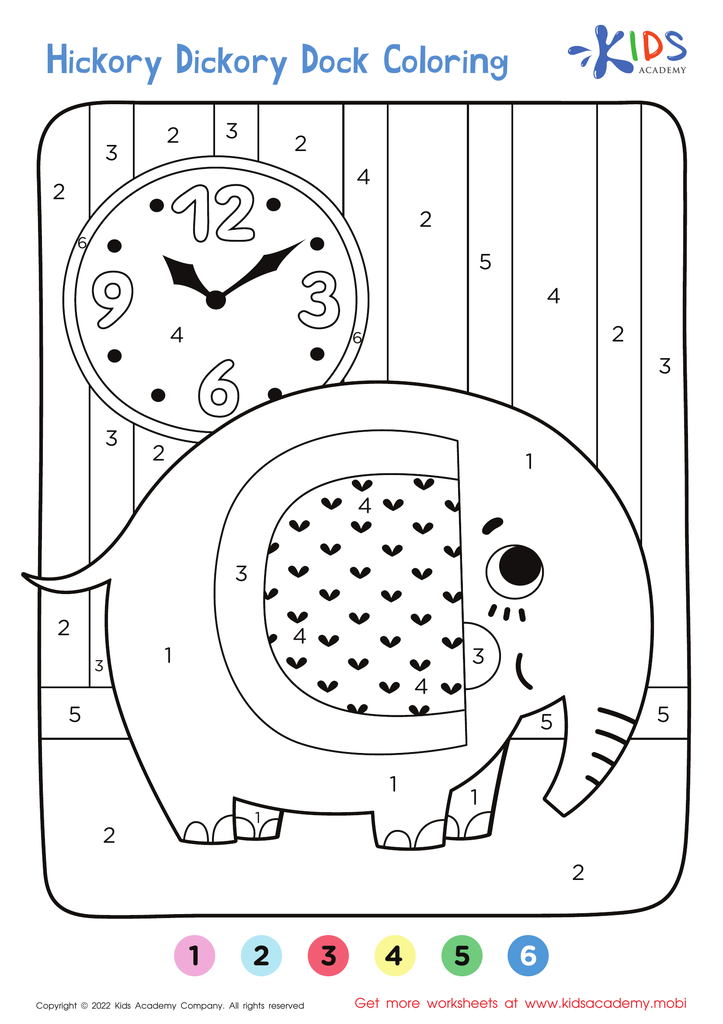
Hickory Dickory Dock – Coloring by Numbers
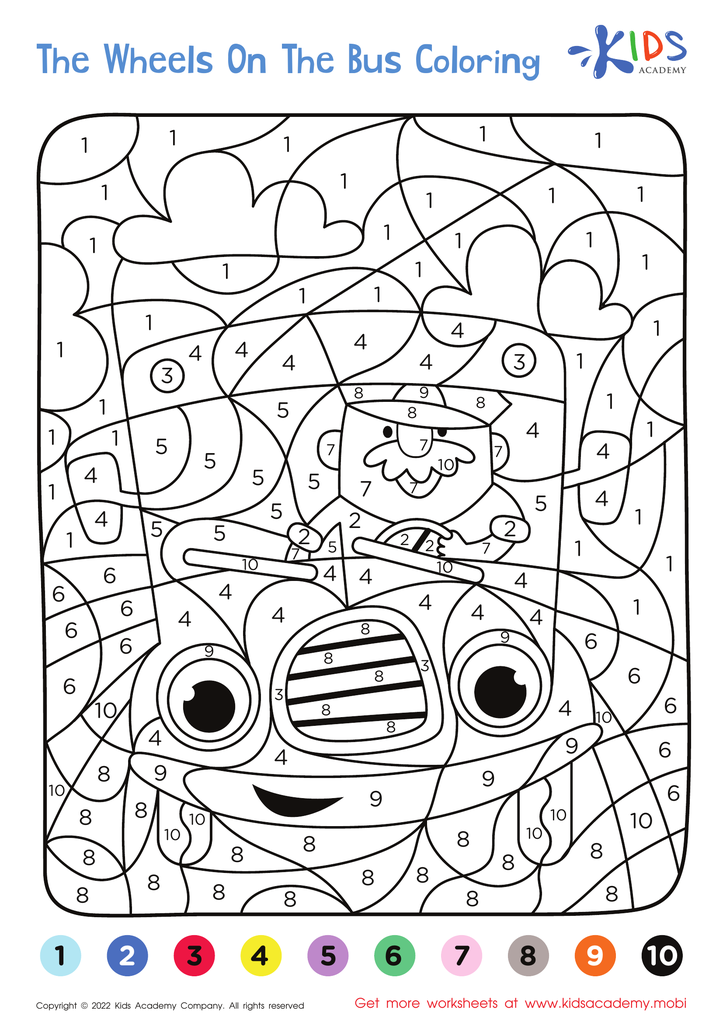
Wheels on the Bus – Coloring by Numbers

Night Sky Numbers Worksheet
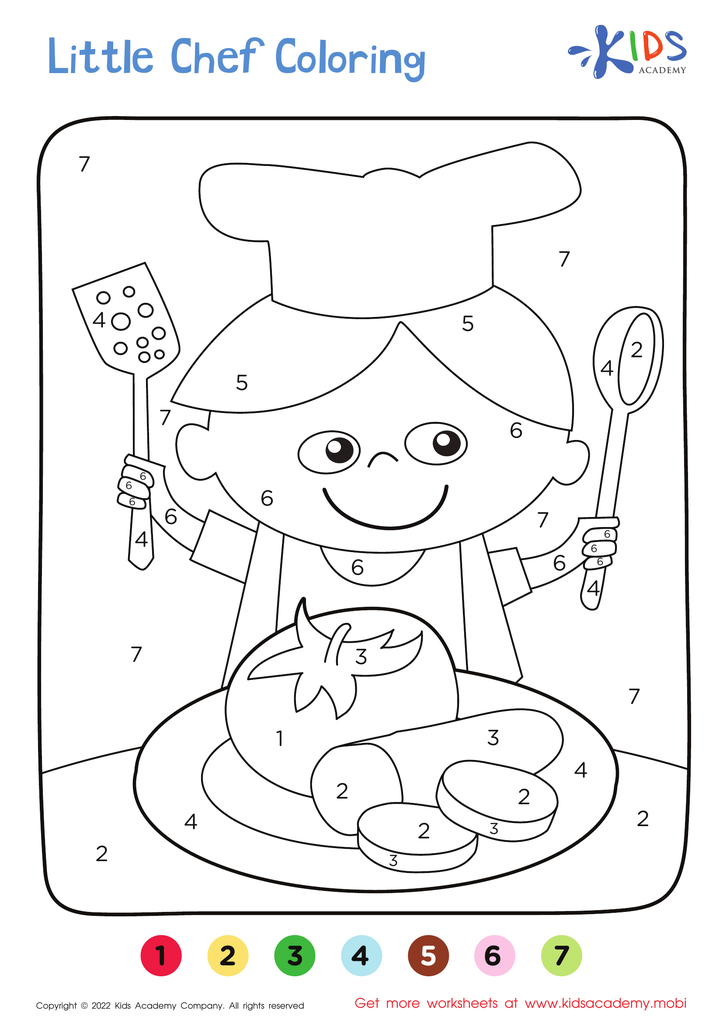
Little Chef – Coloring by Numbers
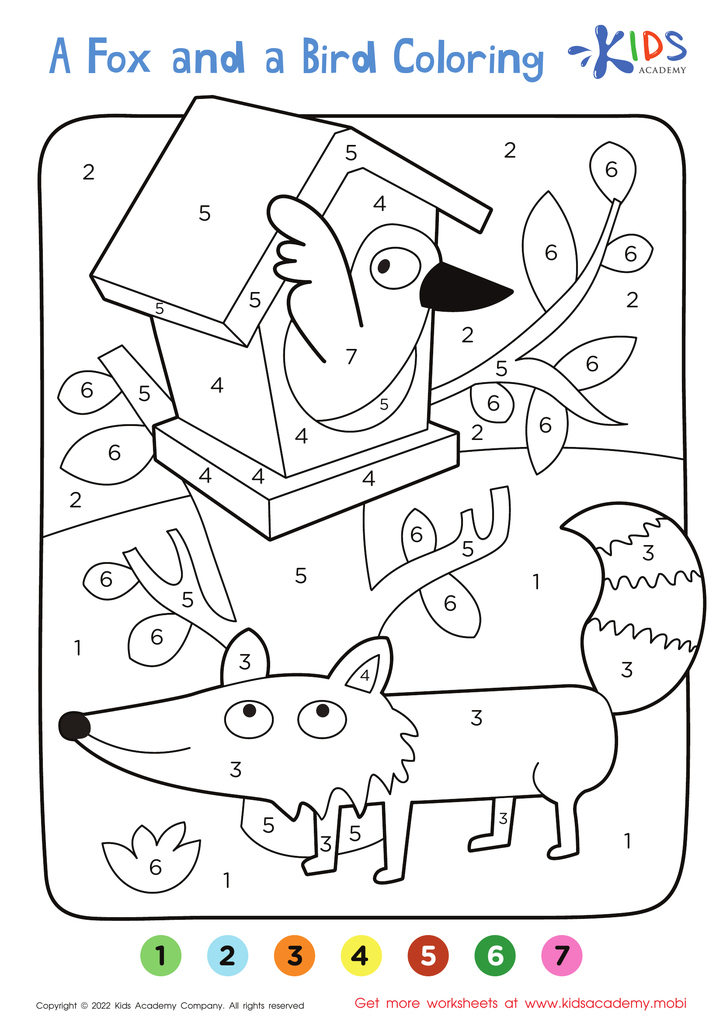
A Fox and a Bird – Coloring by Numbers
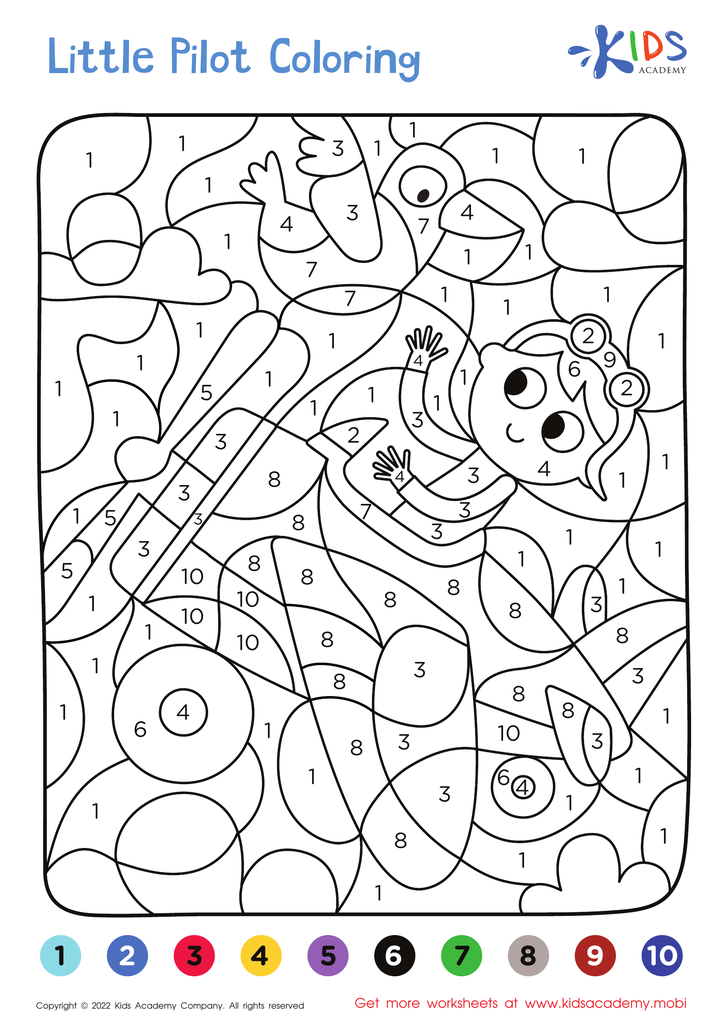
Little Pilot – Coloring by Numbers
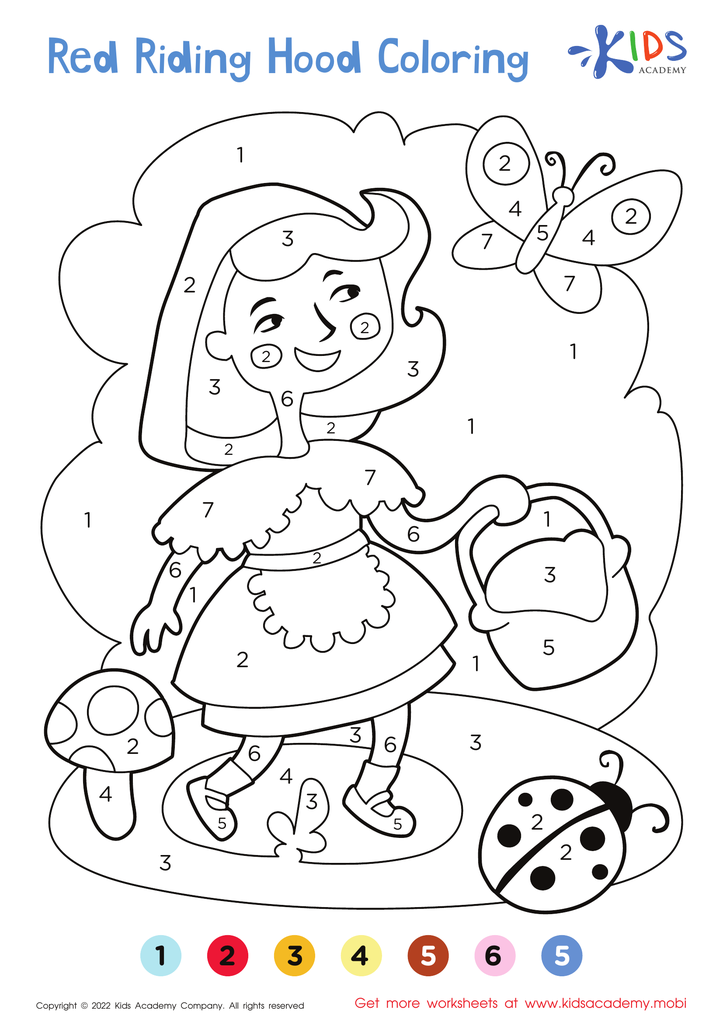
Little Red Riding Hood – Coloring by Numbers
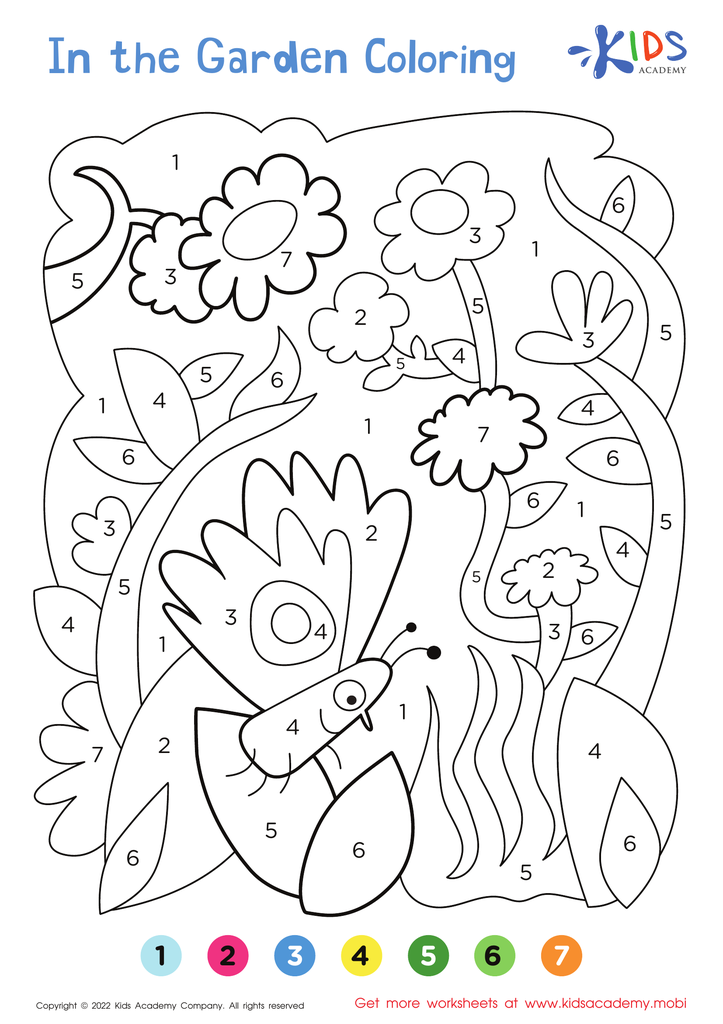
In the Garden – Coloring by Numbers








Fine motor skills are crucial for children aged 6-7, particularly in mastering numbers 0-10. During this developmental stage, children refine their ability to control hand and finger movements, which lays the groundwork for writing, counting, and performing simple math tasks. Strong fine motor skills enhance a child's ability to hold and manipulate pencils, use scissors, and engage in activities such as threading beads or assembling puzzles—key tasks that promote tactile learning and cognitive development.
For parents and teachers, fostering fine motor skills through engaging activities can significantly influence a child's confidence and academic success. As children become adept with numbers 0-10, they learn to form digits accurately, leading to neater handwriting and better presentation of their work. Furthermore, healthy fine motor development correlates with increased hand-eye coordination, critical for tasks beyond academics.
Encouraging fine motor skill development through playful activities supports not only academic learning but also emotional and social growth. Children who navigate these skills successfully often exhibit greater self-esteem and problem-solving abilities. By prioritizing fine motor skills, parents and teachers contribute significantly to a child’s holistic development, ensuring they are prepared for more complex educational challenges ahead.








