Number Recognition Word Problems Worksheets for Ages 6-7
18 filtered results
-
From - To
Unlock the world of math with our engaging Number Recognition Word Problems Worksheets designed for ages 6-7! These interactive resources help young learners master number recognition through fun and relatable scenarios. Each worksheet presents creative word problems that challenge students to identify, read, and write numbers accurately, reinforcing essential math skills. Tailored to align with early education standards, these worksheets provide hands-on practice that promotes critical thinking and problem-solving. Ideal for classroom use or at-home learning, our worksheets transform math into an enjoyable adventure, paving the way for a solid foundation in numeracy. Explore our collection today and watch your child excel!
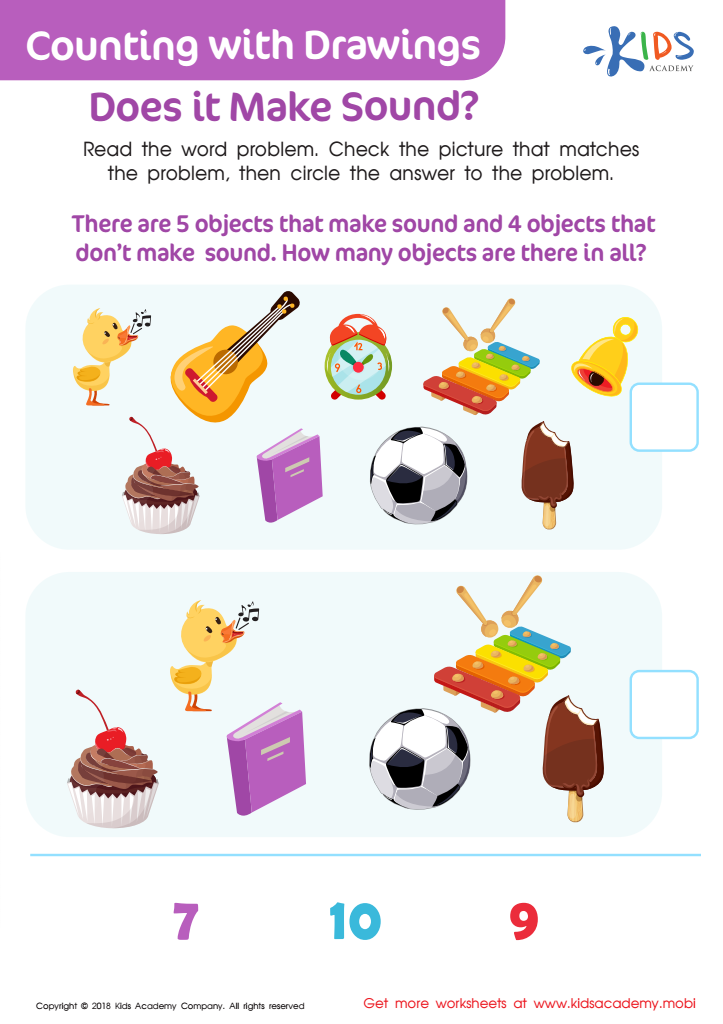
Counting With Drawings. Does It Make Sound? Worksheet
 Assign to My Students
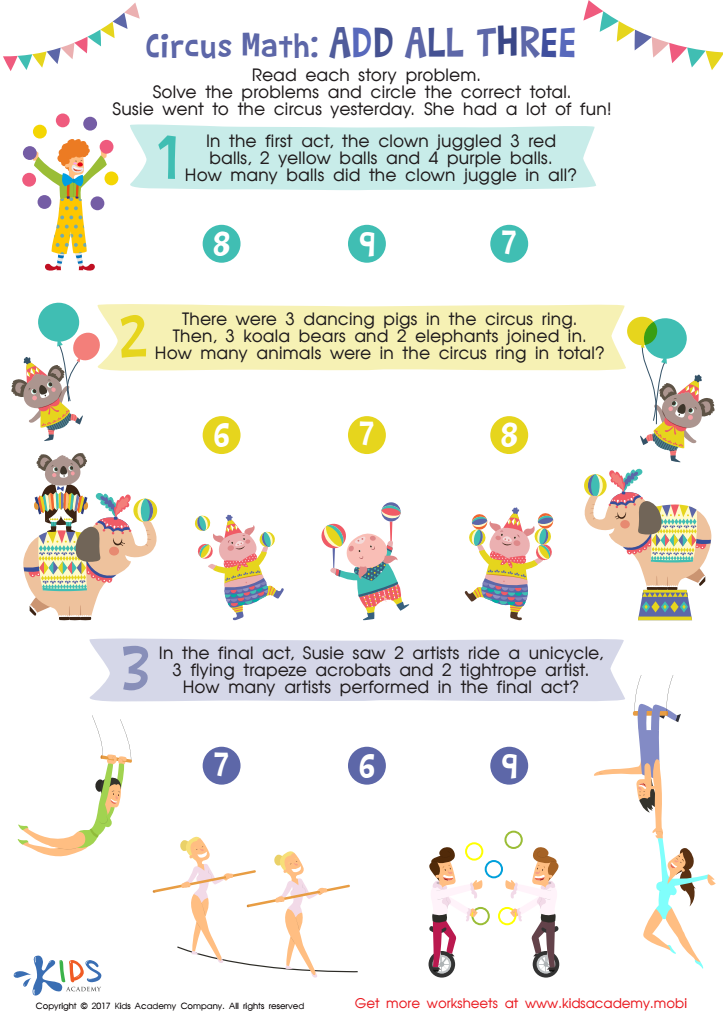
Circus Math Printable
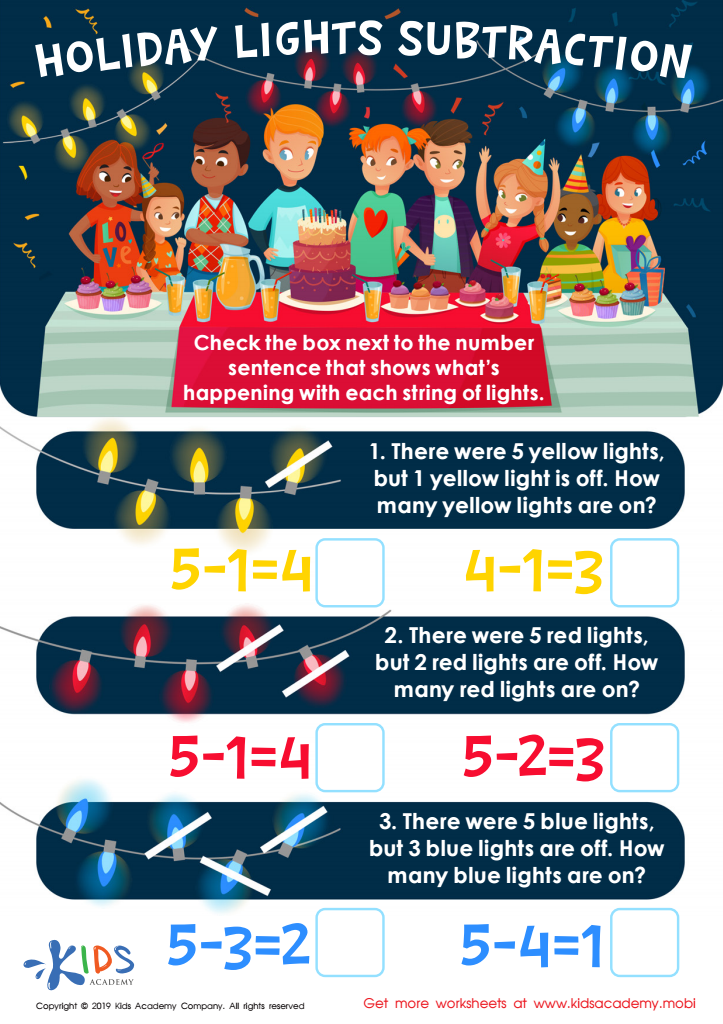
Holiday Lights Subtraction Worksheet
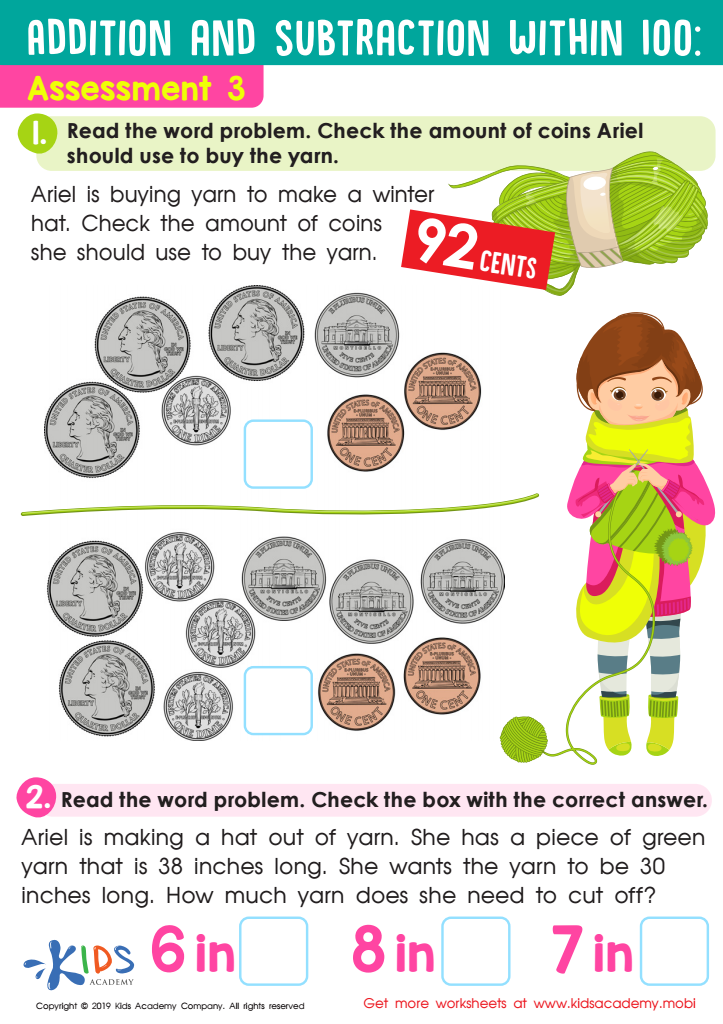
Assessment 3 Math Worksheet
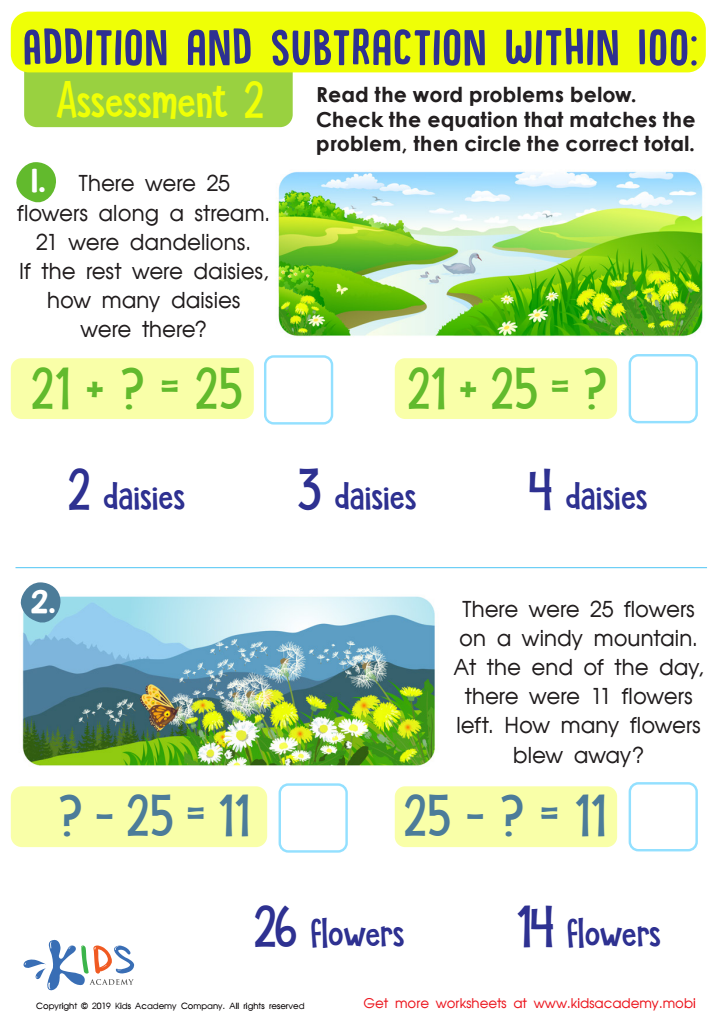
Assessment 2 Math Worksheet
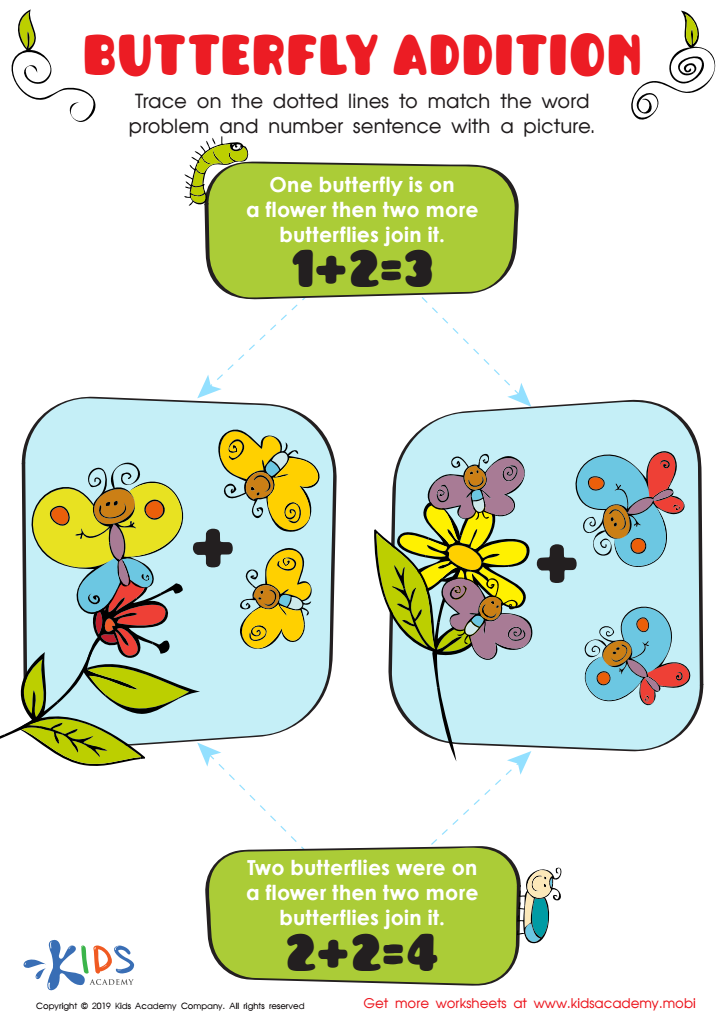
Butterfly Addition Worksheet
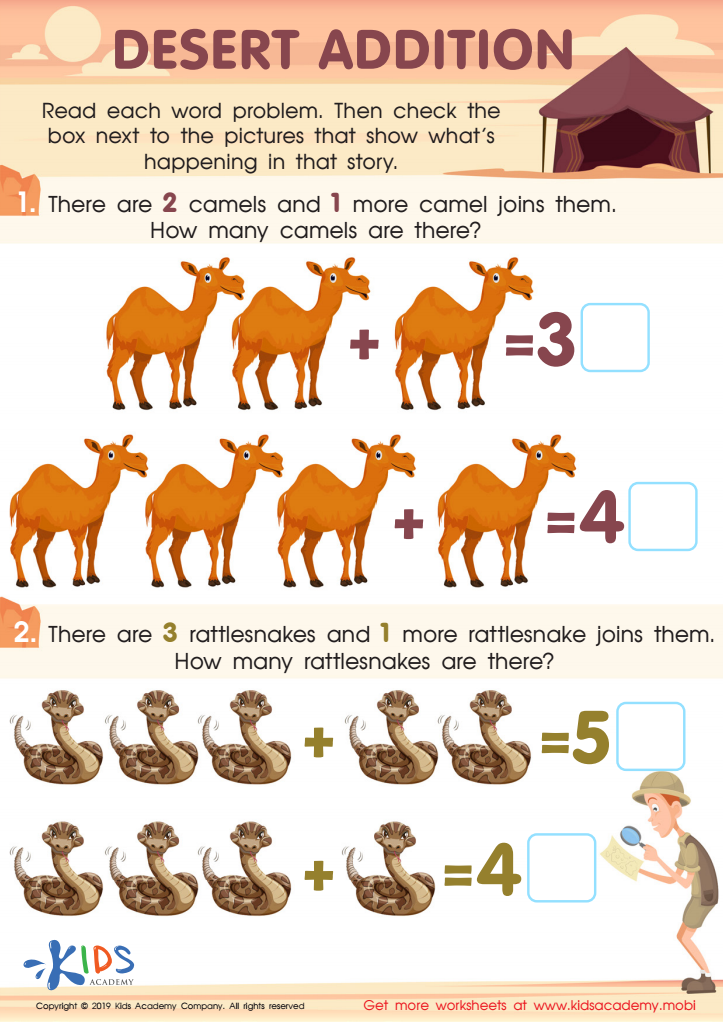
Desert Addition Worksheet
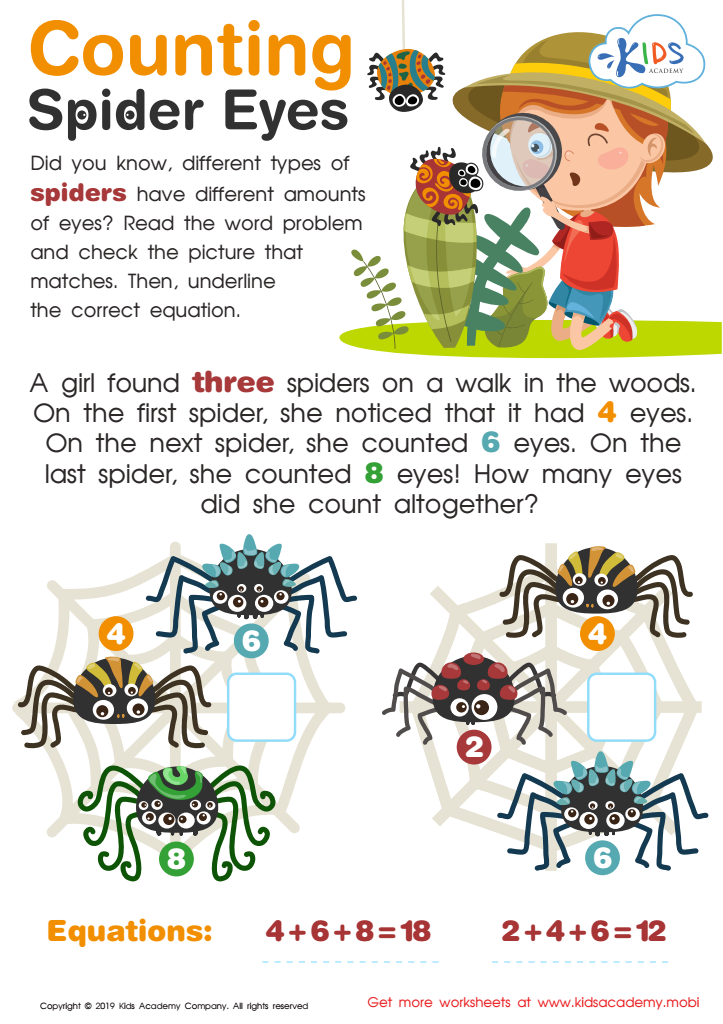
Counting Spider Eyes Worksheet
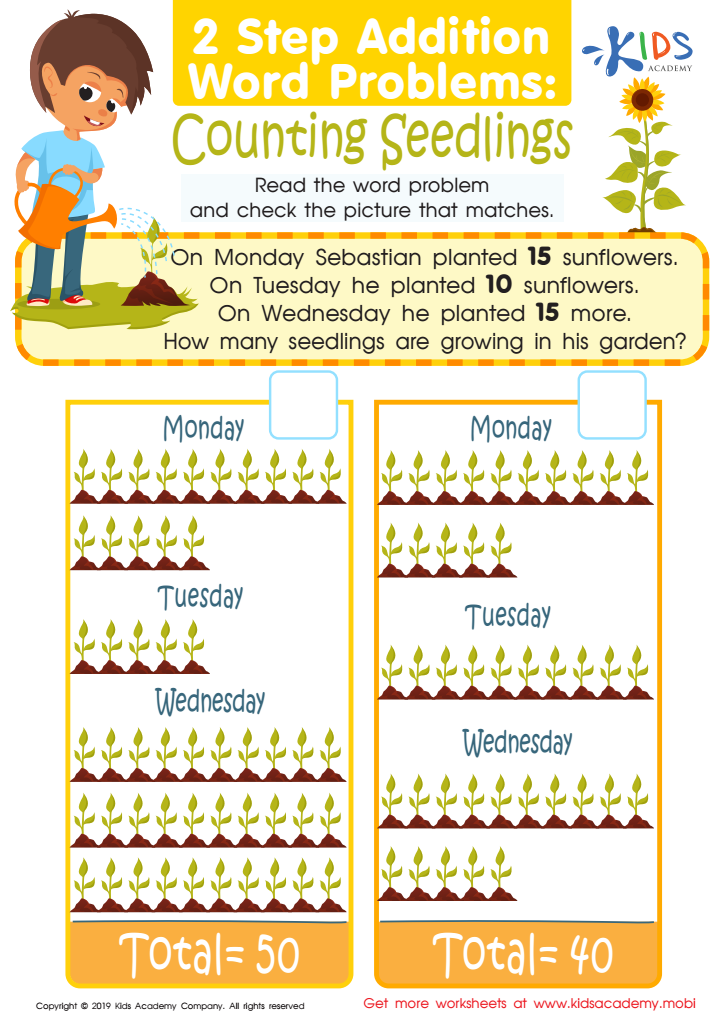
Counting Seedlings Worksheet
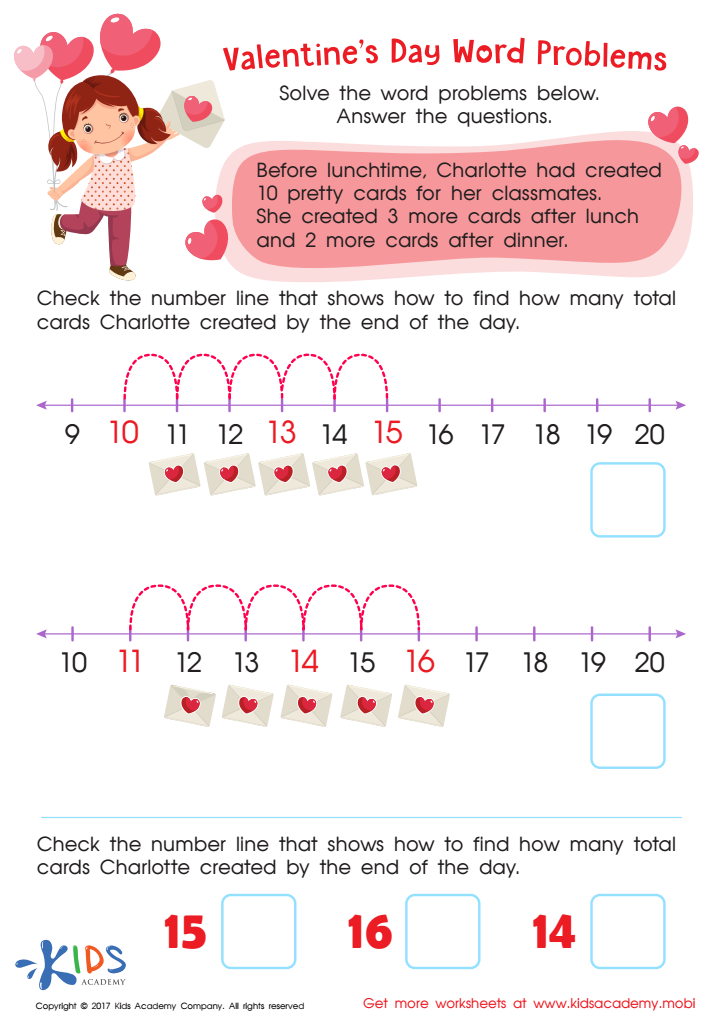
Valentines Day Word Problem Worksheet
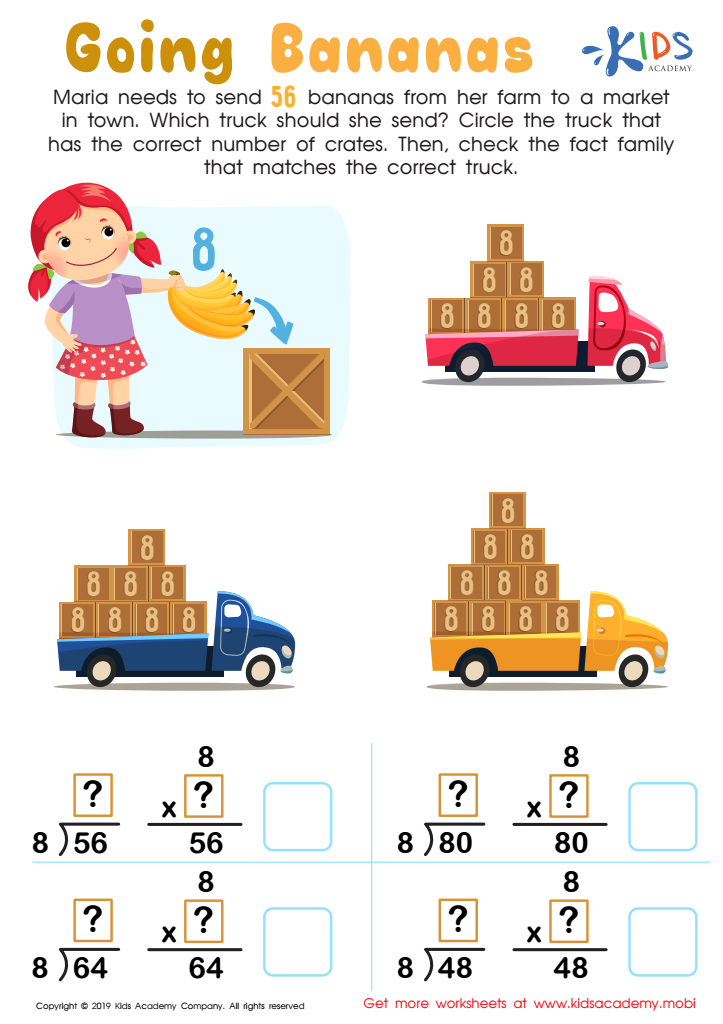
Going Bananas Worksheet
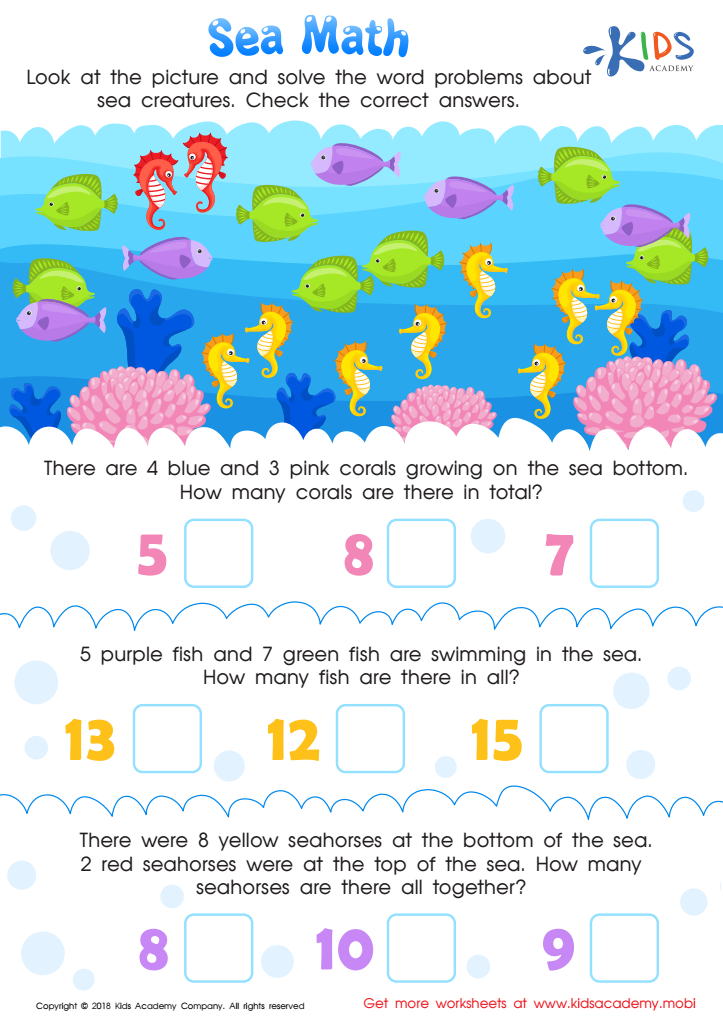
Sea Math Worksheet
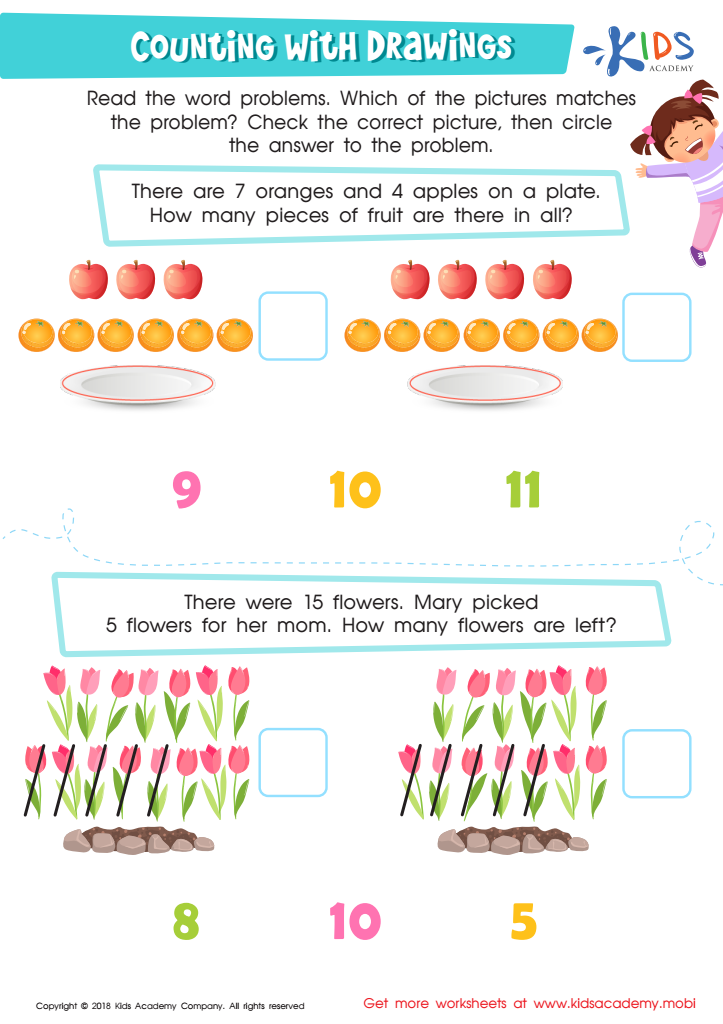
Counting with Drawings: Fruits & Chocolates Worksheet
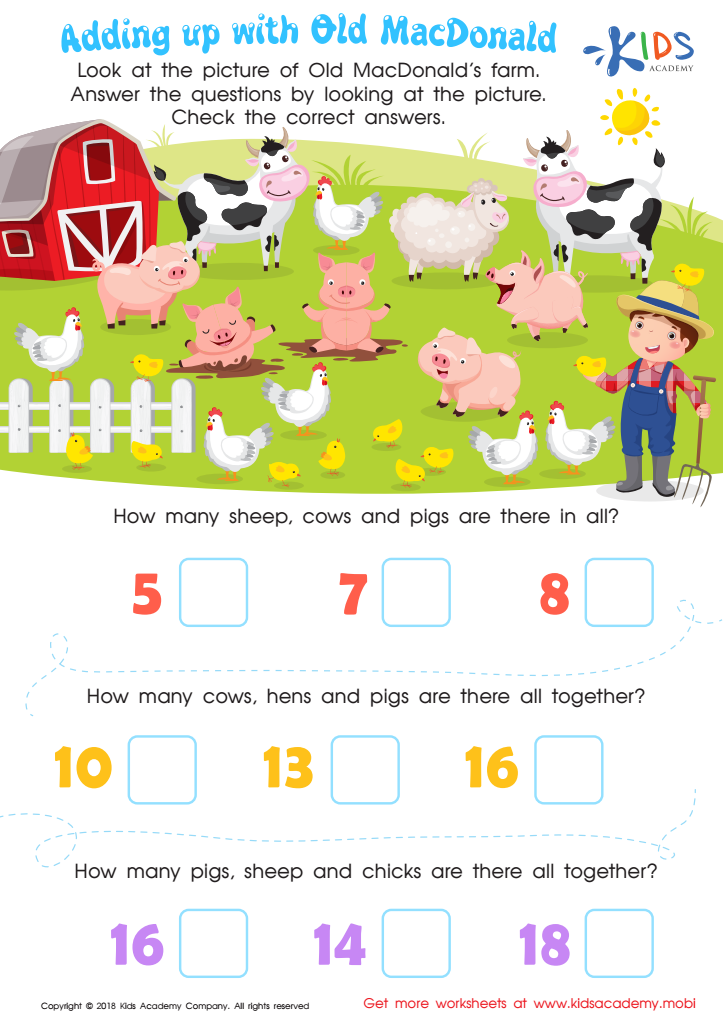
Adding Up with Old MacDonald Worksheet
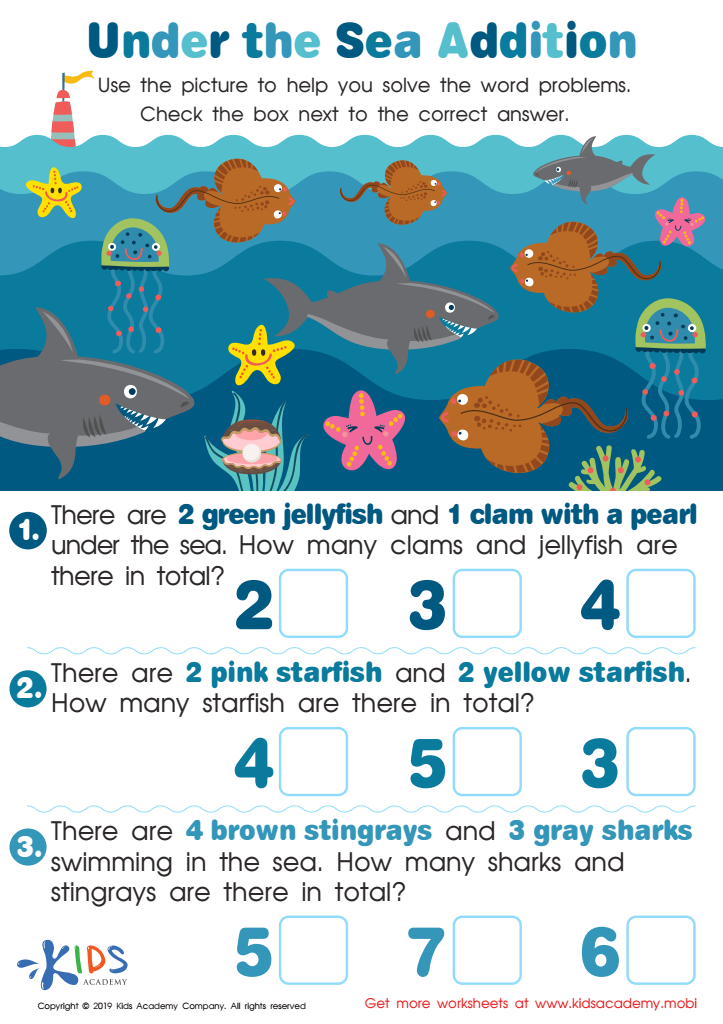
Under the Sea Addition Worksheet
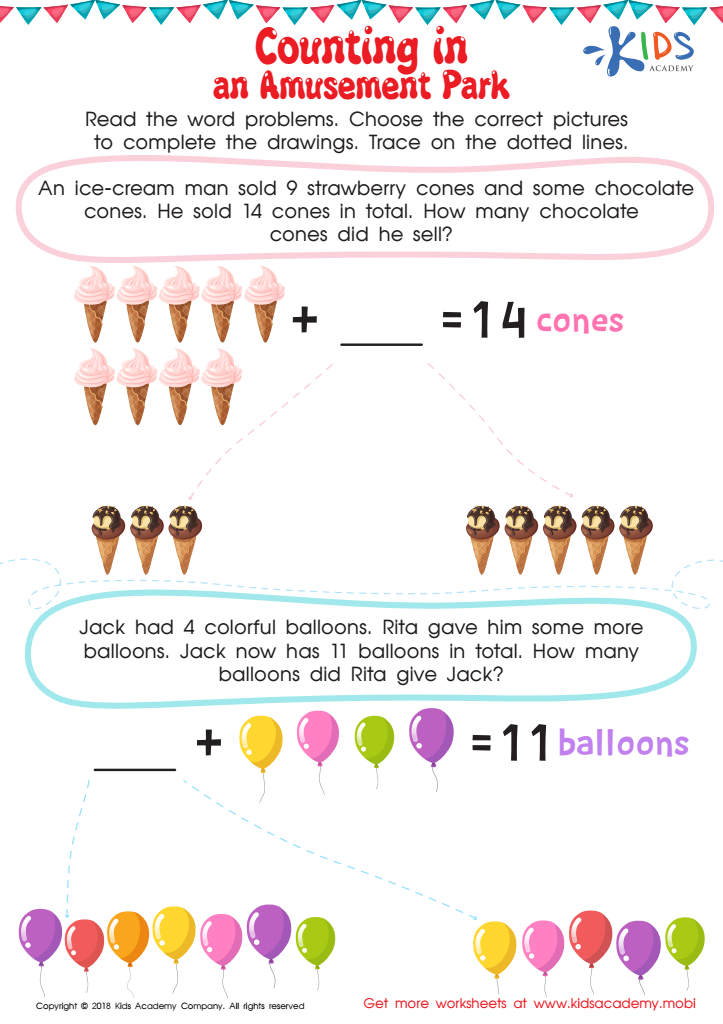
Counting in an Amusement Park Worksheet
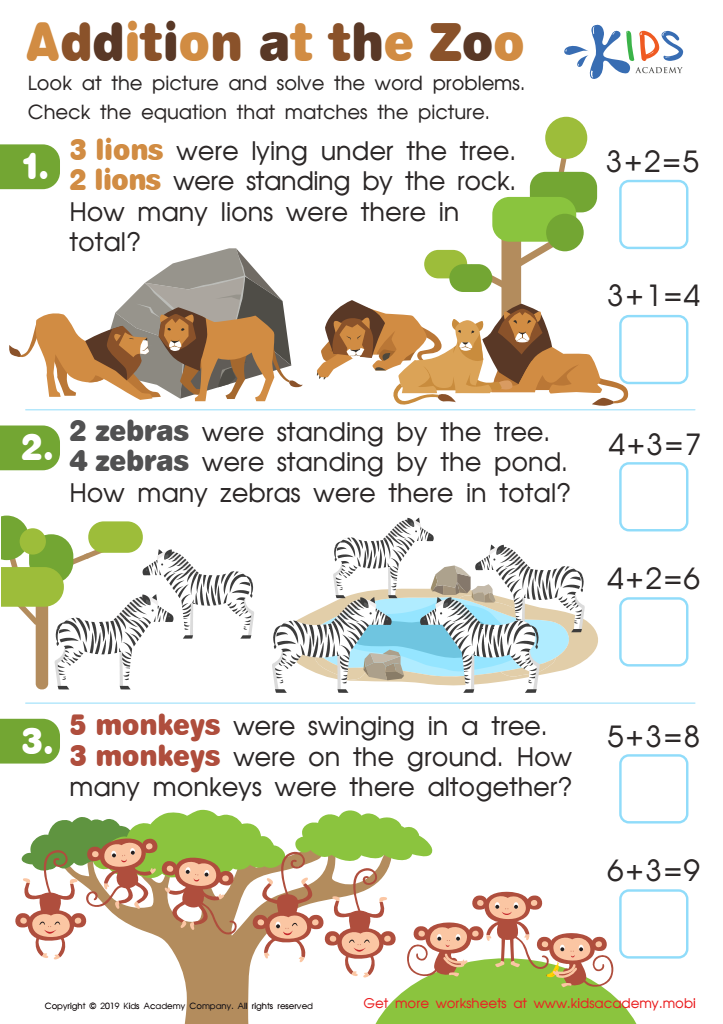
Addition at the Zoo Worksheet
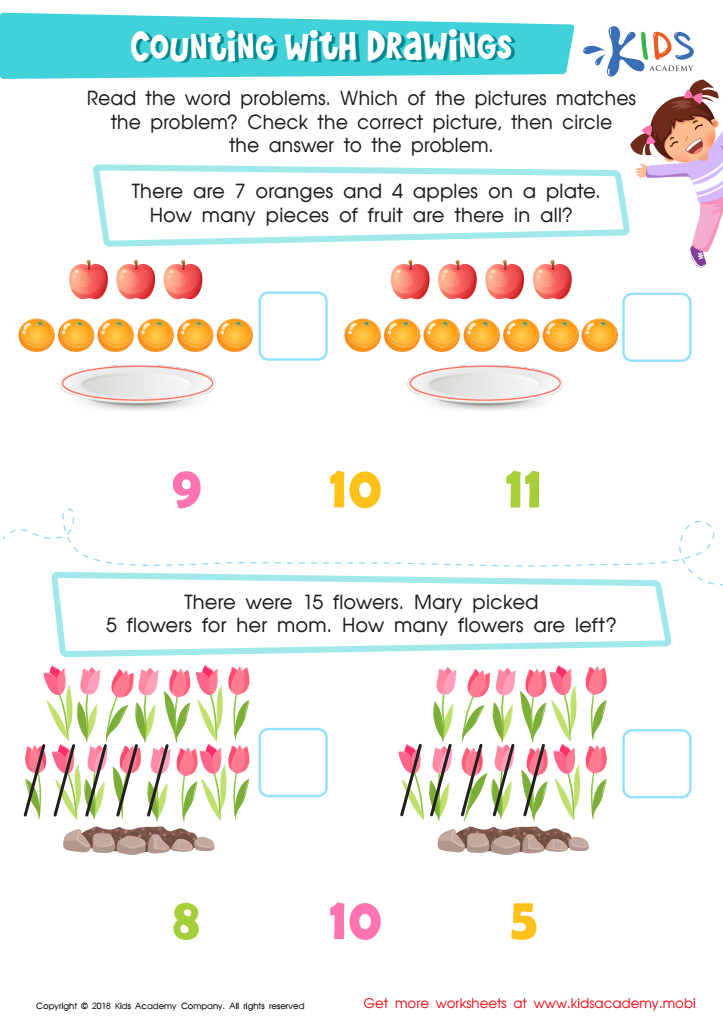
Counting with Drawings:Fruits & Flowers Worksheet


.jpg)





Number recognition and word problems are essential components of early mathematics education for children aged 6-7. At this stage, children are developing critical thinking skills and problem-solving abilities, which are foundation blocks for their future academic success. Recognizing numbers and understanding how to solve word problems helps students build essential literacy in math, valuable for everyday life.
When parents and teachers emphasize number recognition, they aid children in grasping the concept of quantity and value. This understanding is crucial when tackling word problems, as it enables students to decode the story, identify relevant information, and perform necessary calculations. Word problems encourage children to apply mathematical concepts to real-world scenarios, developing their analytical skills.
Moreover, engaging in word problems can boost children's confidence in mathematics. By nurturing their ability to translate a narrative into numbers, we promote perseverance and creativity in problem-solving. This reinforces a positive attitude toward math, helping to combat math anxiety often observed in later years.
In essence, paying attention to number recognition and word problems lays the groundwork for academic achievement and equips children with skills essential for their future learning endeavors. It ultimately paves the way for more complex mathematical concepts and improved overall academic performance.








