
Enhance comprehension Building Vocabulary Worksheets for Ages 6-7
5 filtered results
Difficulty Level
Grade
Age
-
From - To
Subject
Activity
Standards
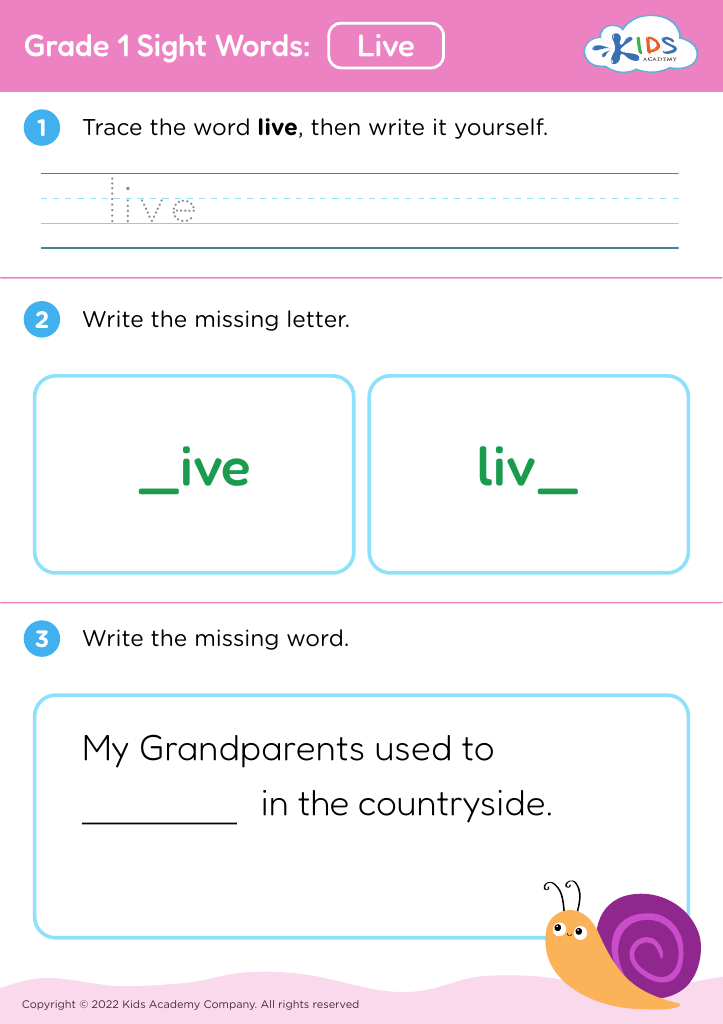
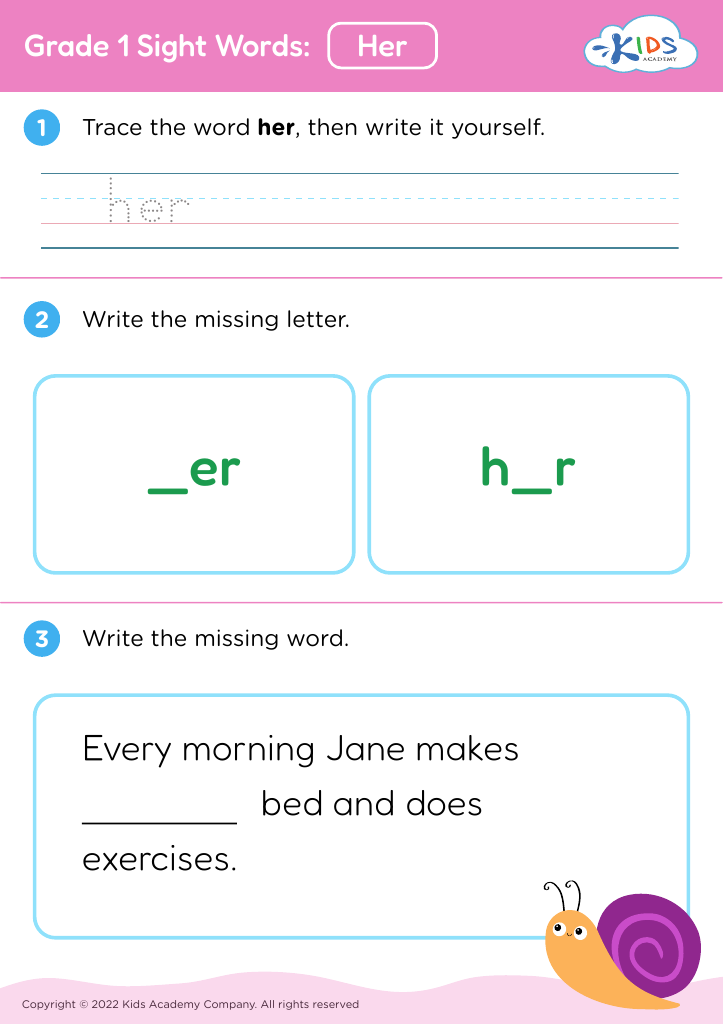
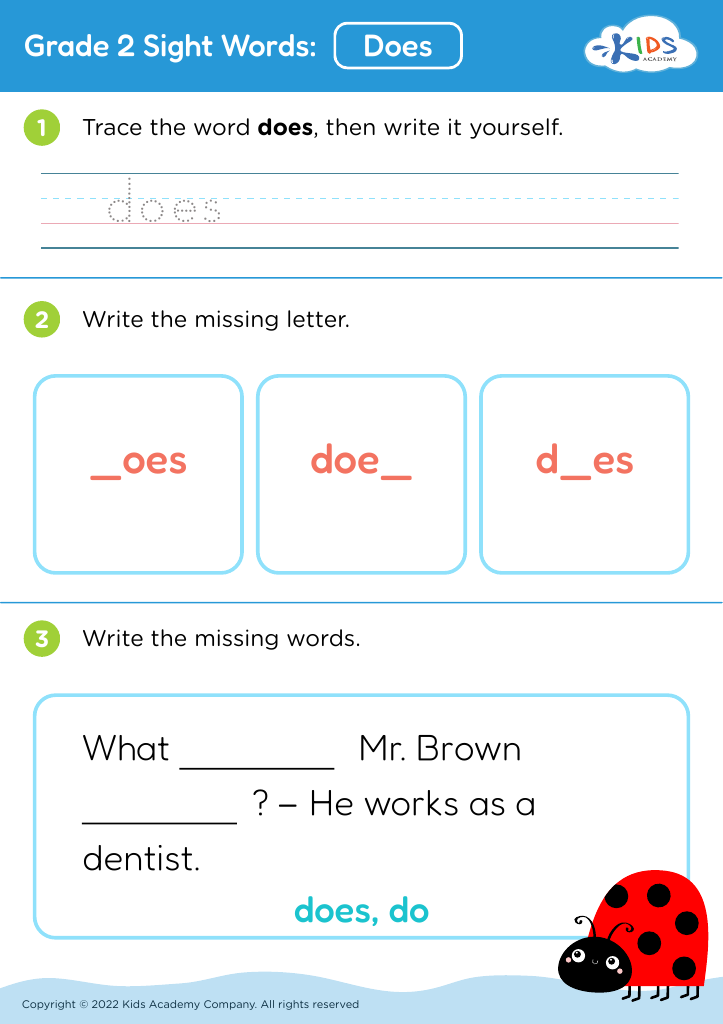
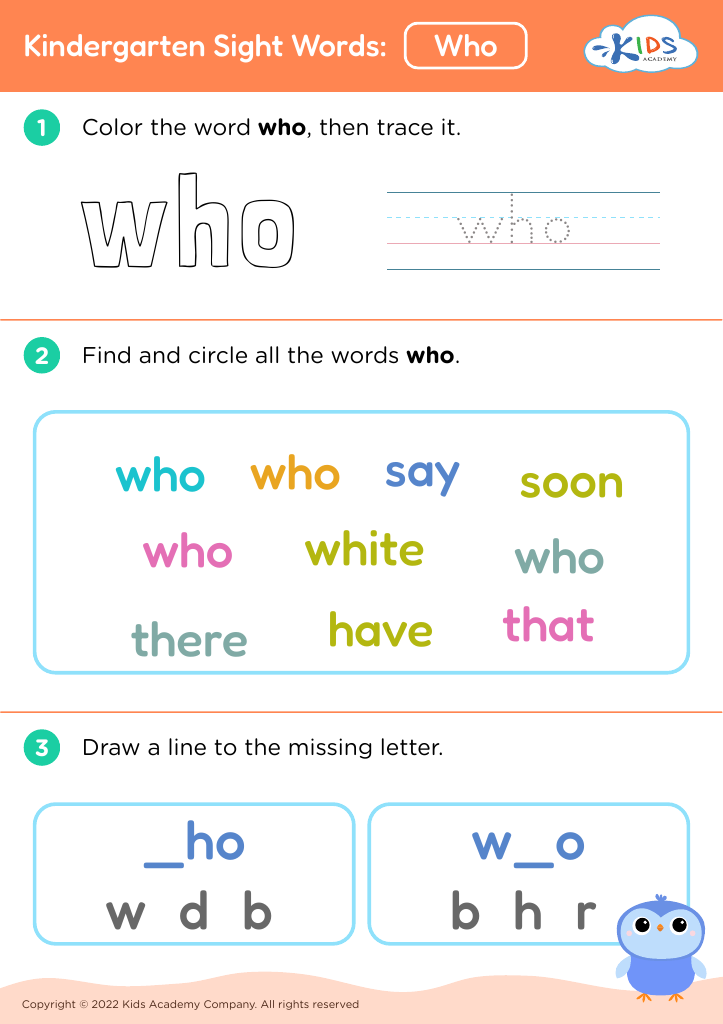
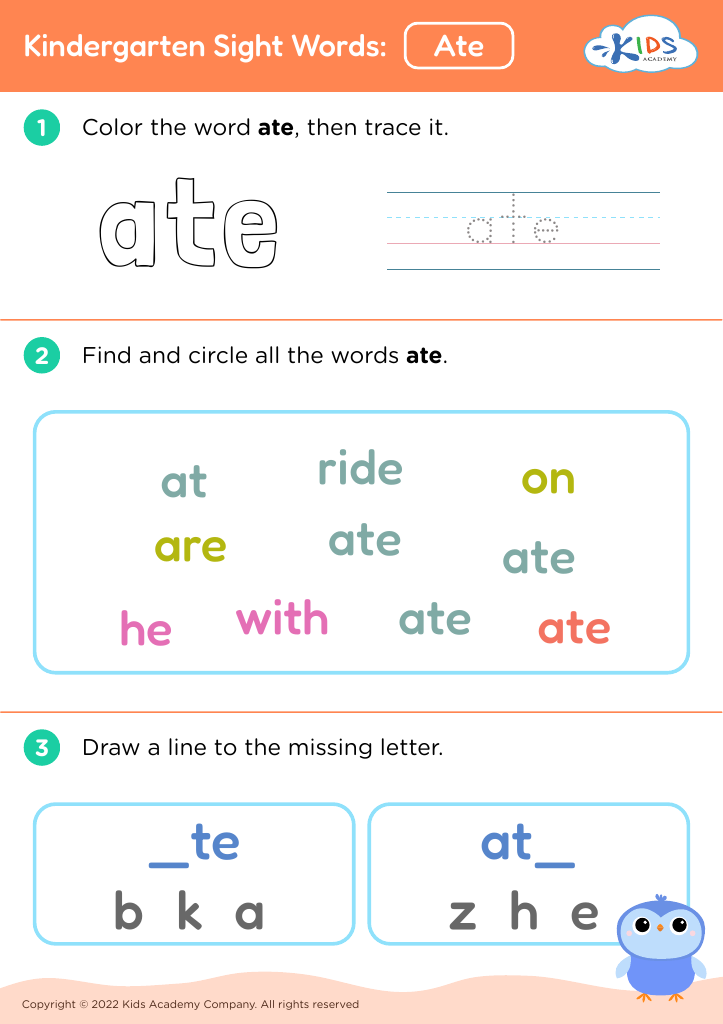
Welcome to our "Enhance Comprehension: Building Vocabulary Worksheets for Ages 6-7"! Designed to support young learners, these engaging worksheets help children develop essential vocabulary skills while enhancing their reading comprehension. Our resources feature interactive activities that encourage kids to explore new words, understand their meanings, and use them in context. By fostering a love for language and improving their comprehension abilities, our worksheets empower students to excel in reading. Perfect for home or classroom use, these activities make learning fun and effective. Equip your child with the tools they need for academic success and watch their confidence blossom!
Favorites
With answer key
Interactive











Join Kids Academy for Free
Who is primarily going to use this learning content?





.jpg)


Building vocabulary is essential for children aged 6-7, as it forms the foundation for effective communication and comprehension skills. At this age, children are in a critical period of language development, and expanding their vocabulary can significantly enhance their ability to understand and engage with texts. As they encounter new words, they become better equipped to comprehend what they read and listen to, enabling deeper understanding of concepts and ideas.
Furthermore, a robust vocabulary helps children express themselves more clearly and confidently. With a rich selection of words at their disposal, they can articulate their thoughts, feelings, and opinions more effectively, fostering both verbal and written communication skills.
Parents and teachers play a vital role in this development by providing varied and rich language experiences. Engaging children in discussions, reading diverse books, and exposing them to new vocabulary in context can effortlessly build their word bank. This not only boosts academic performance but also enhances cognitive development, critical thinking, and social interactions. Therefore, prioritizing vocabulary building is an investment in a child’s holistic growth and future success both in school and beyond. It empowers them with the skills they need to navigate an increasingly complex world.








