Enhancing vocabulary Building Vocabulary Worksheets for Ages 6-7
5 filtered results
-
From - To
Enhance your child's vocabulary with our engaging Building Vocabulary Worksheets, designed specifically for ages 6-7. These expertly crafted resources help young learners explore new words through fun activities and interactive exercises. Each worksheet encourages creativity, comprehension, and critical thinking while making learning enjoyable. With colorful graphics and age-appropriate challenges, children will develop a robust vocabulary that aids reading and communication skills. Our worksheets cover various themes and contexts, ensuring a well-rounded approach to language development. Visit our website to access these valuable tools and watch your child blossom into a confident reader and communicator! Perfect for home or classroom use!
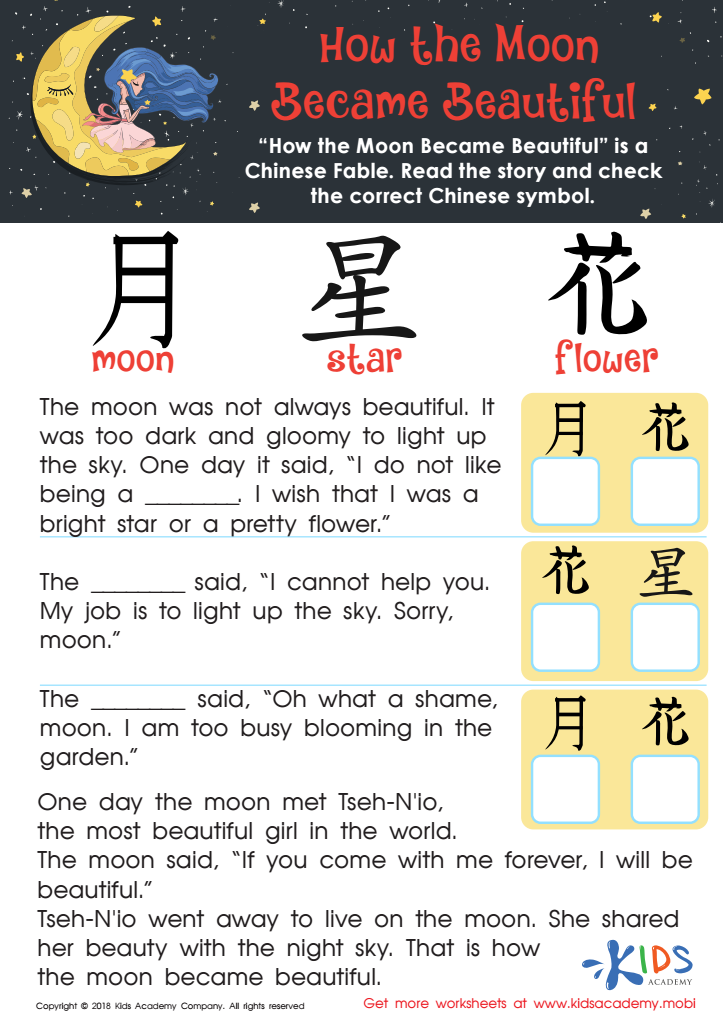
How the Moon Became Beautiful Worksheet
 Assign to My Students











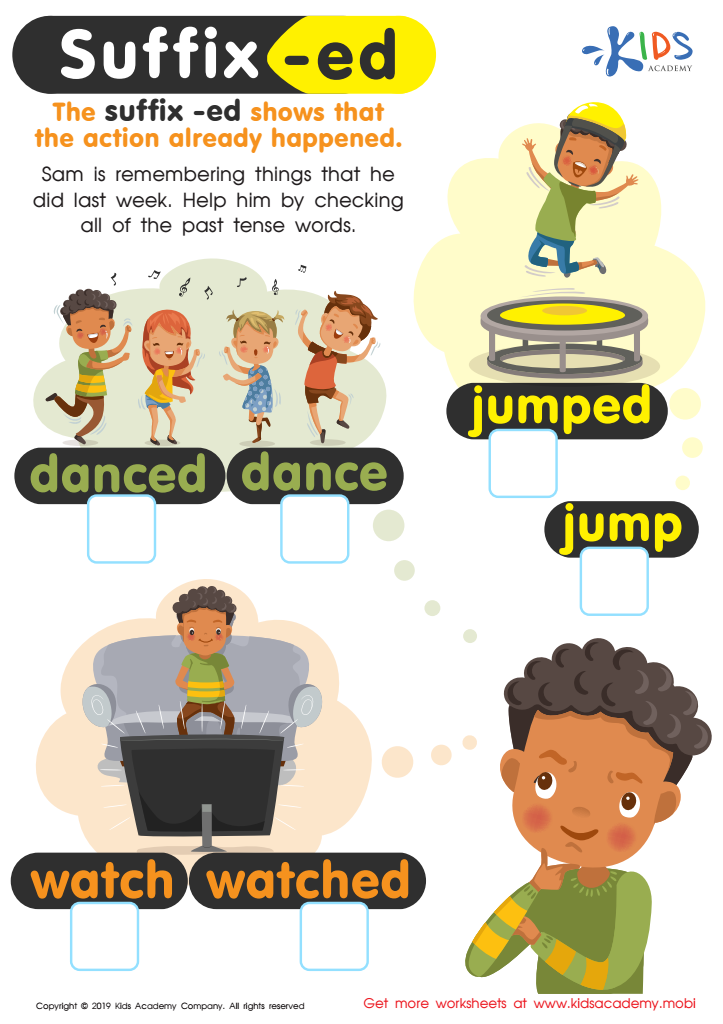
Suffix-ed Worksheet
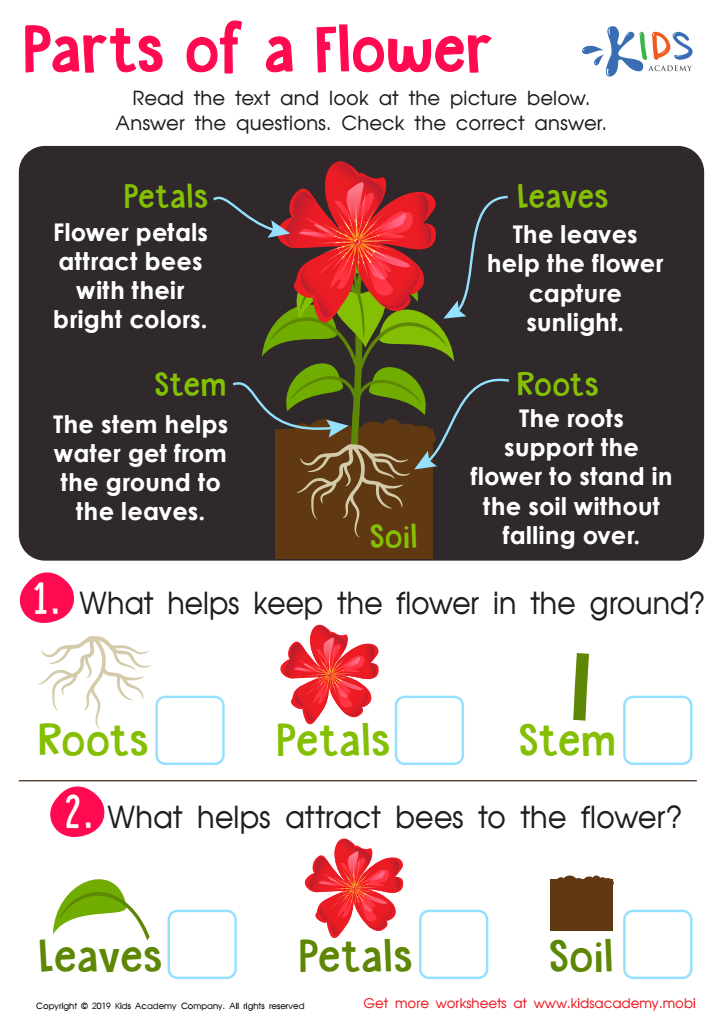
Parts of Flower Worksheet
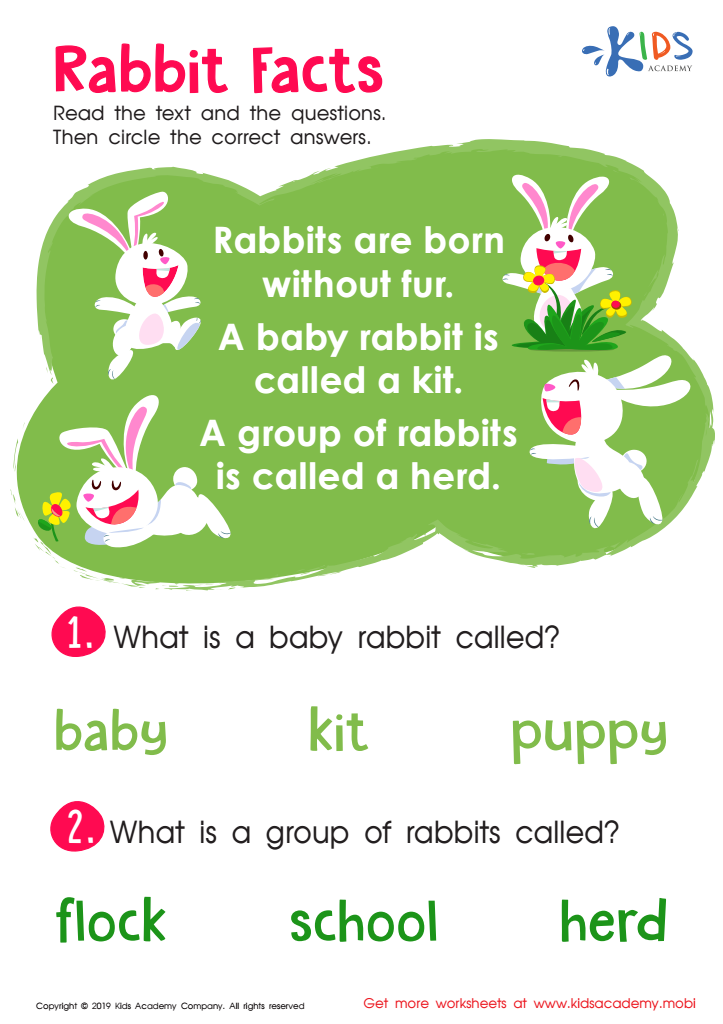
Rabbit Facts Worksheet
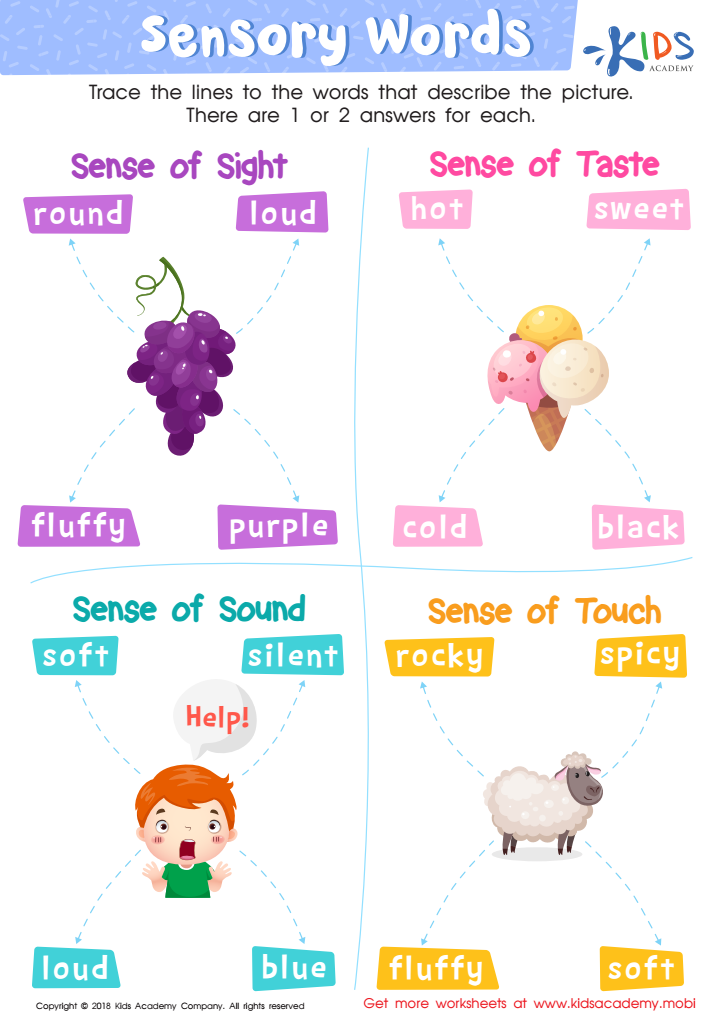
Sensory Words Worksheet








Enhancing vocabulary for children aged 6-7 is crucial for their overall development and academic success. At this stage, children begin to read and write more independently, making a rich vocabulary essential for comprehension and expression. A robust vocabulary allows them to understand new concepts and engage more fully with texts, enhancing their ability to think critically and articulate thoughts clearly.
Moreover, a strong vocabulary correlates with improved communication skills, nurturing children's confidence when speaking and participating in group discussions. This age is marked by curiosity and a desire to explore, and introducing new words can expand their understanding of the world around them, making learning both enjoyable and effective.
Additionally, vocabulary development is foundational for future literacy skills. Children who are exposed to diverse vocabulary and engaging language experiences are likely to excel in reading and writing as they progress in school. Teachers and parents play a critical role by providing rich language environments, utilizing games, storytelling, and discussions that promote word explorations. By prioritizing vocabulary enhancement, caretakers contribute not just to academic achievement, but also to building a lifelong love for learning and communication. Thus, fostering vocabulary at this formative age is an investment in a child's future.








