Understanding fractions Building Vocabulary Worksheets for Ages 6-7
37 filtered results
-
From - To
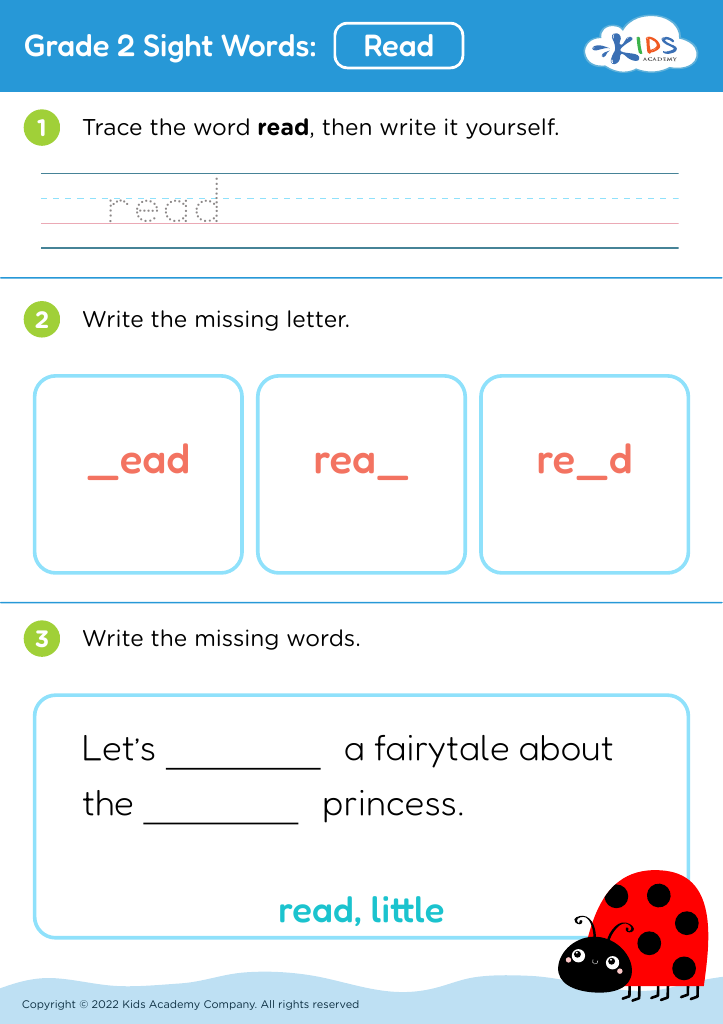
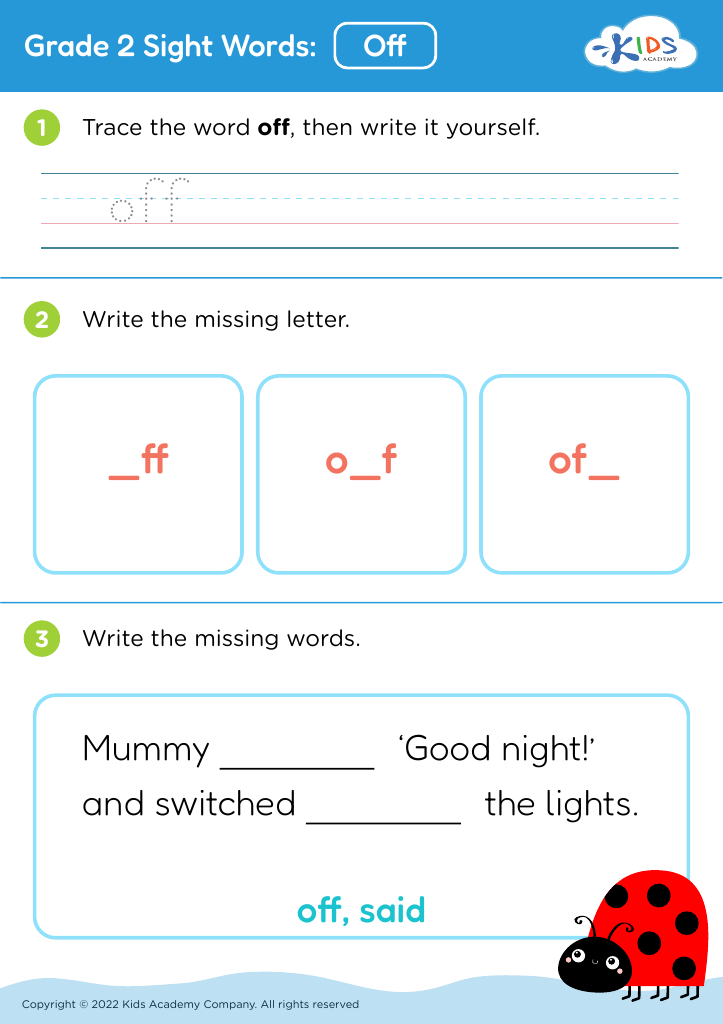
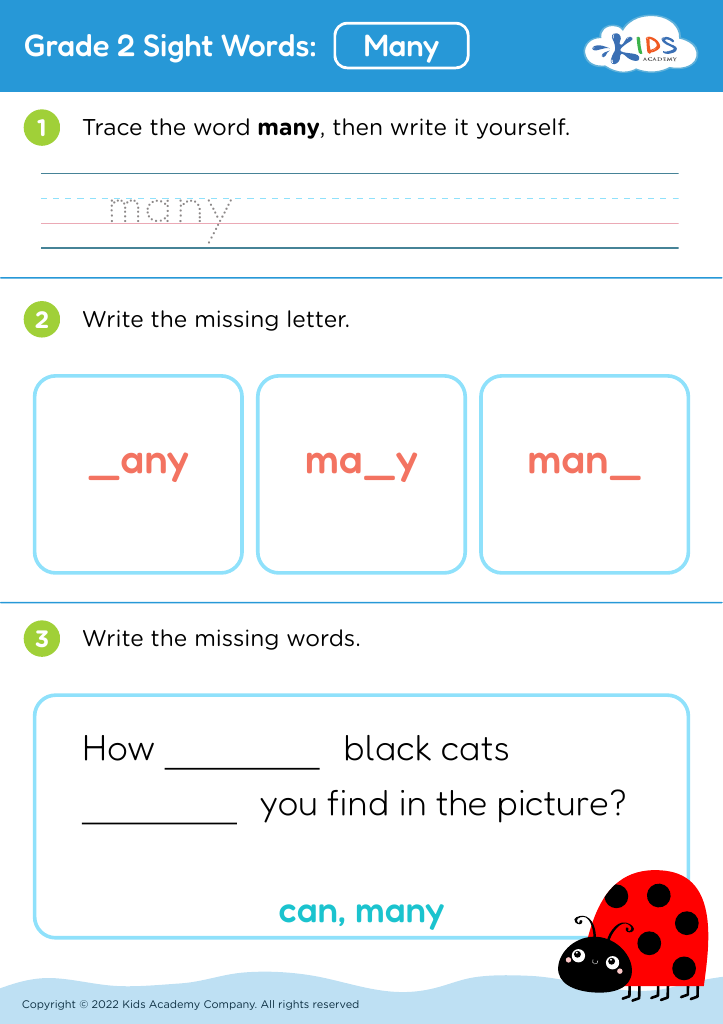
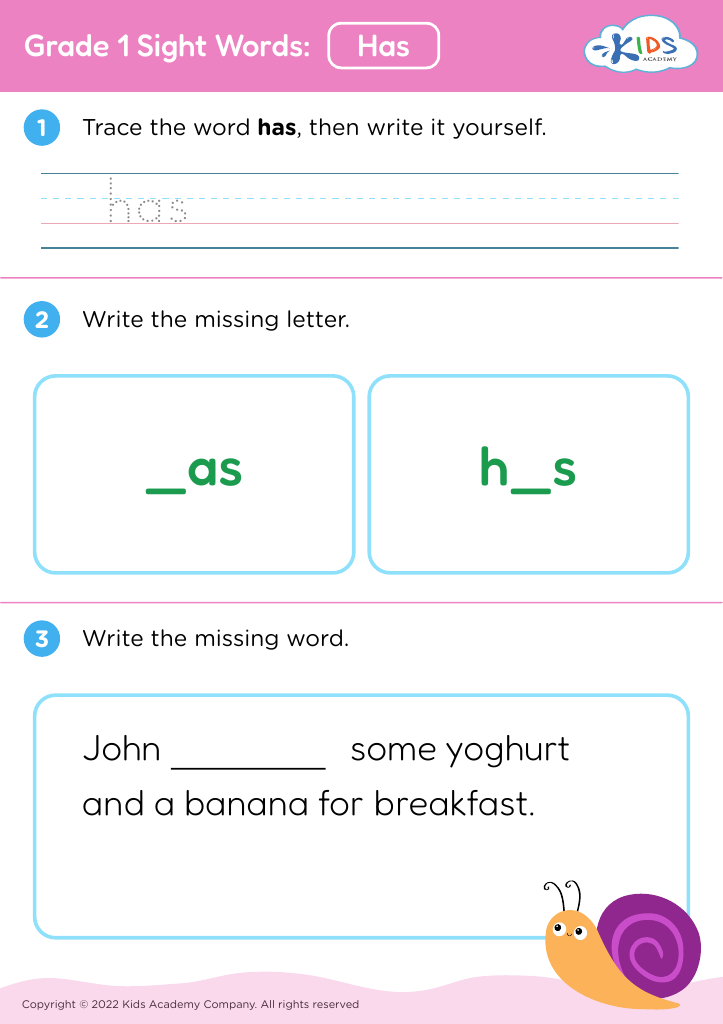
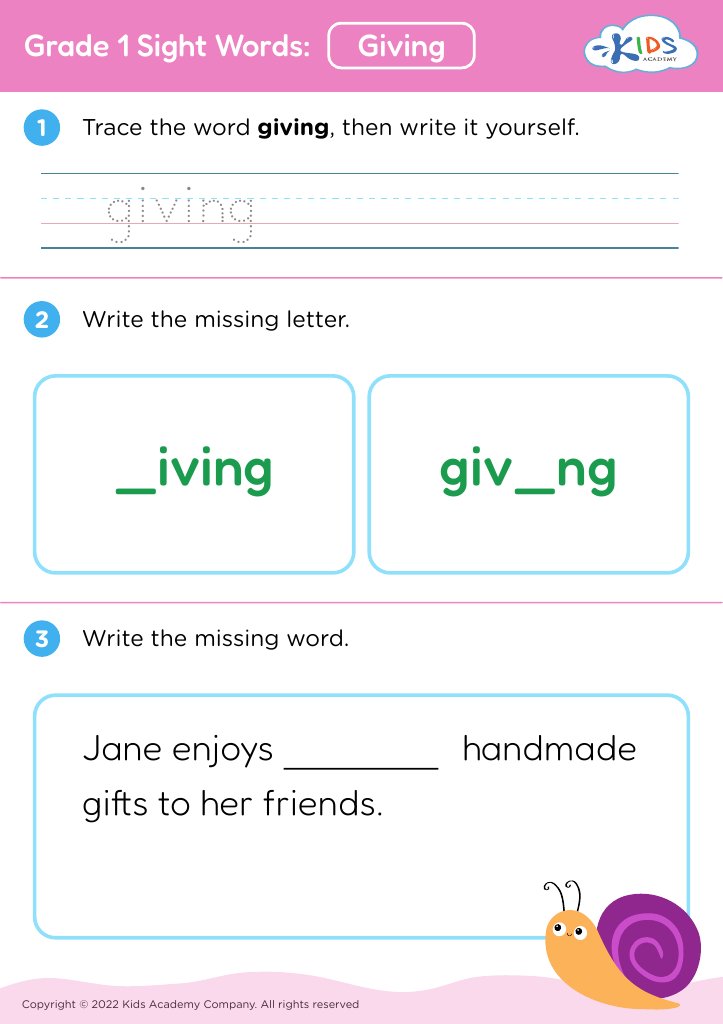
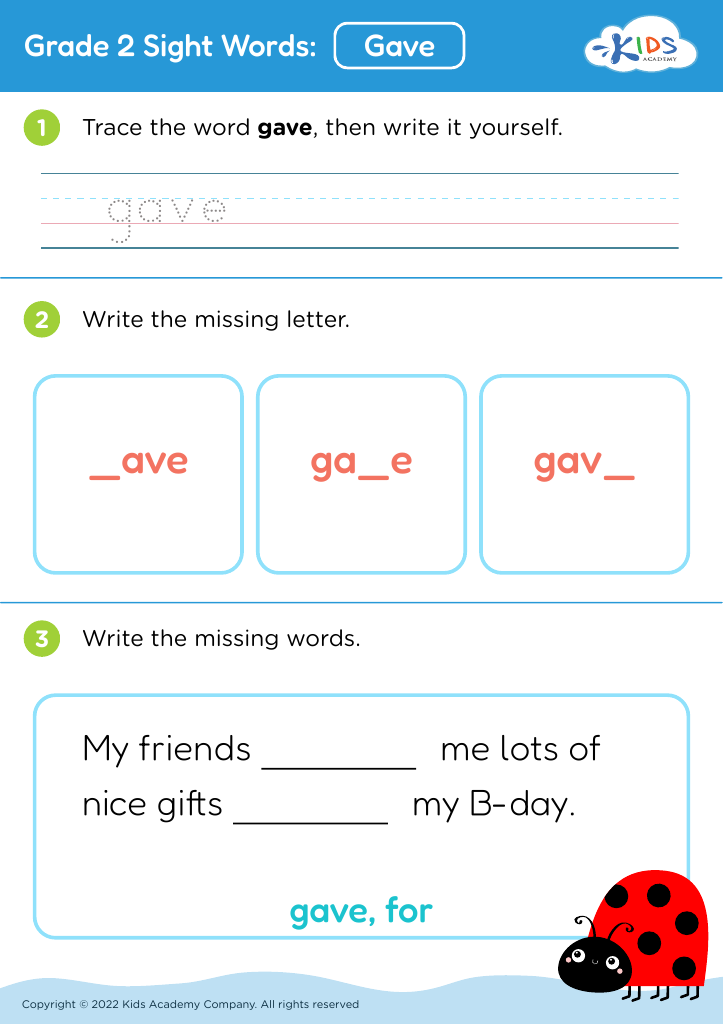
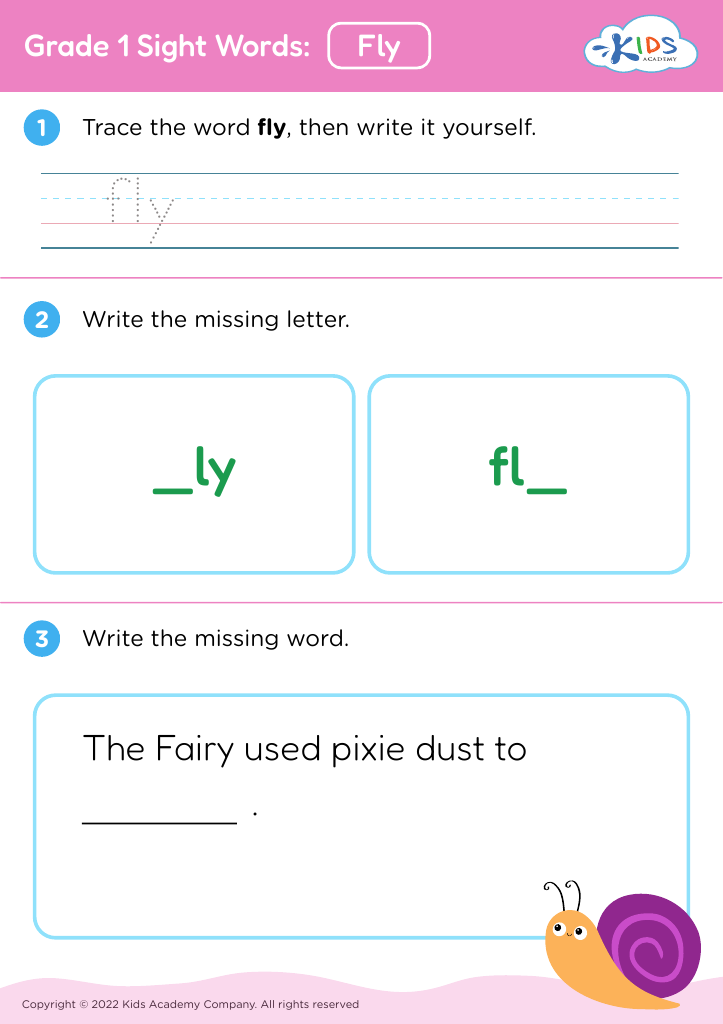
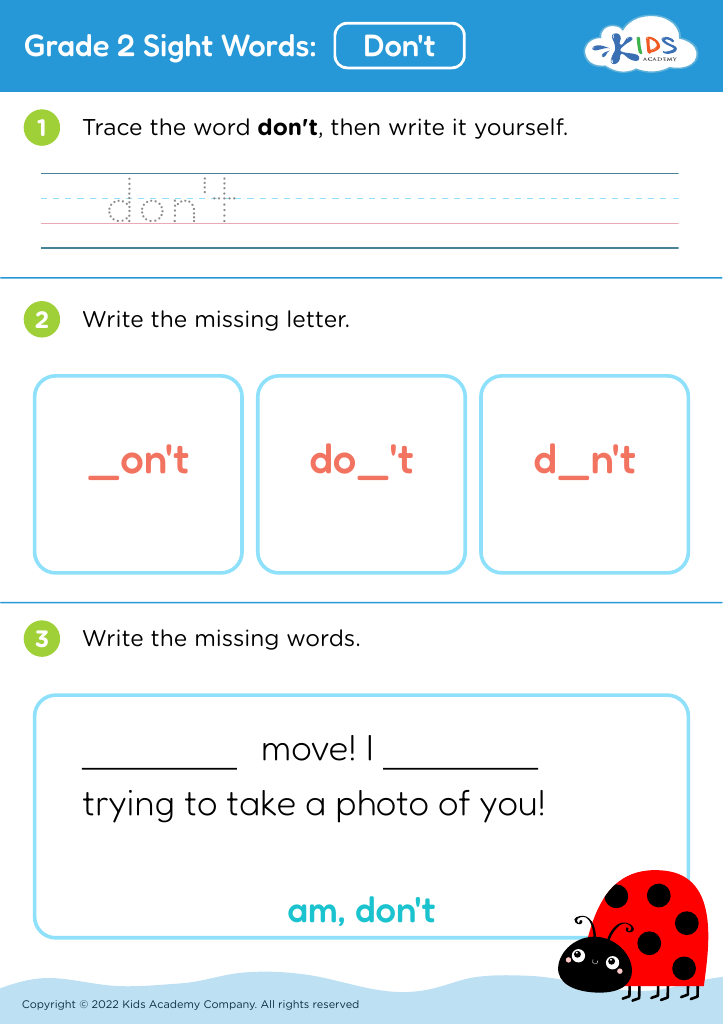
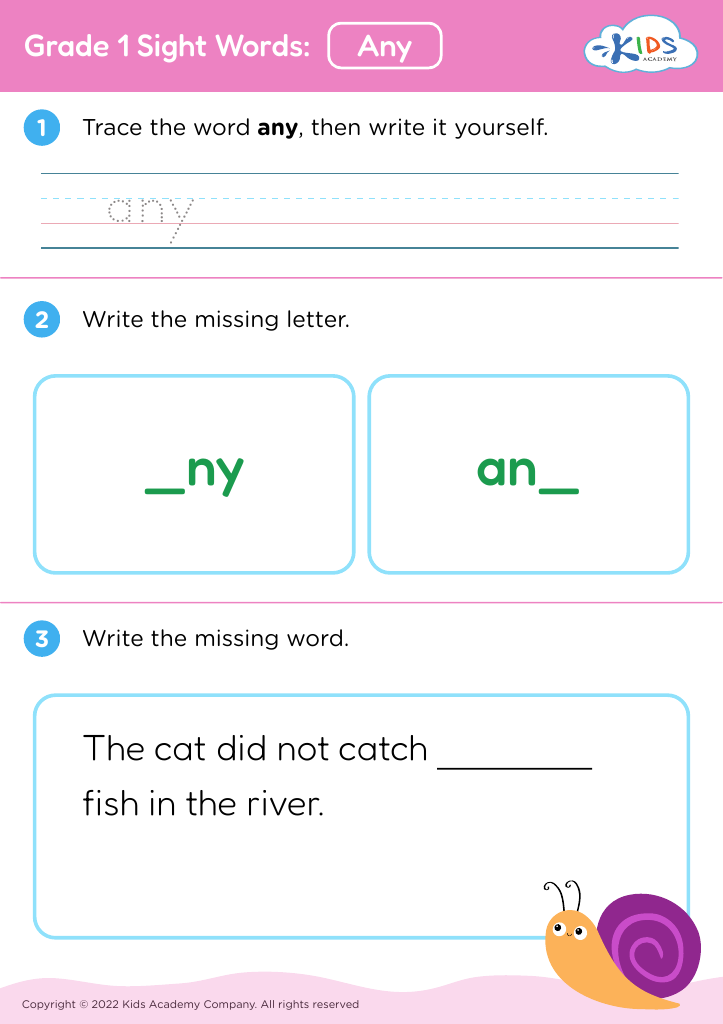
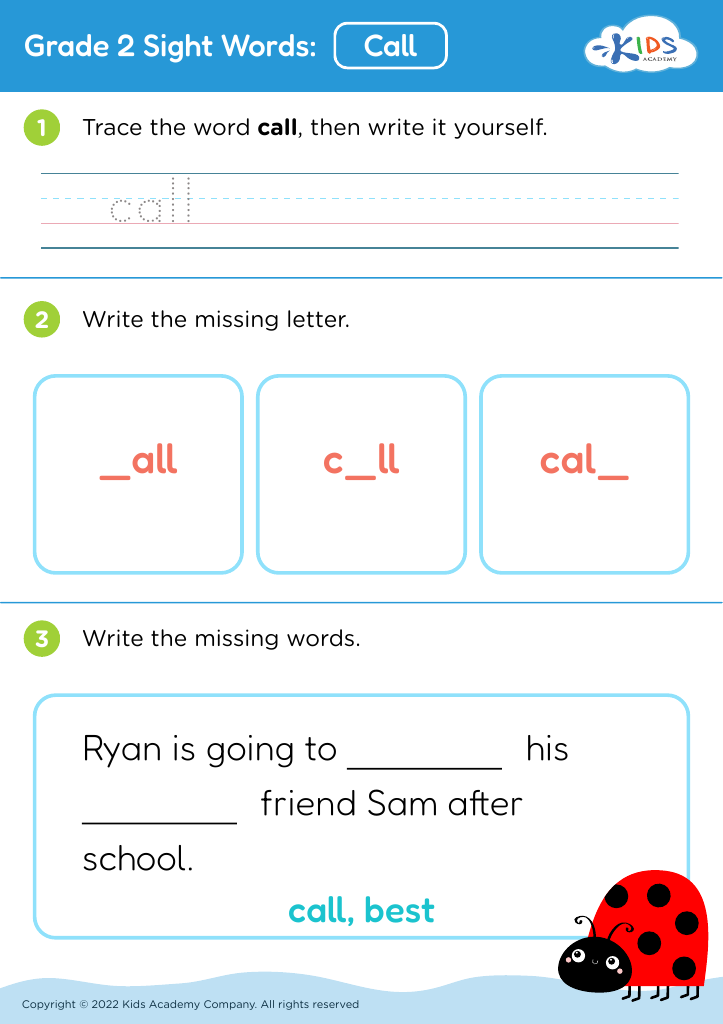
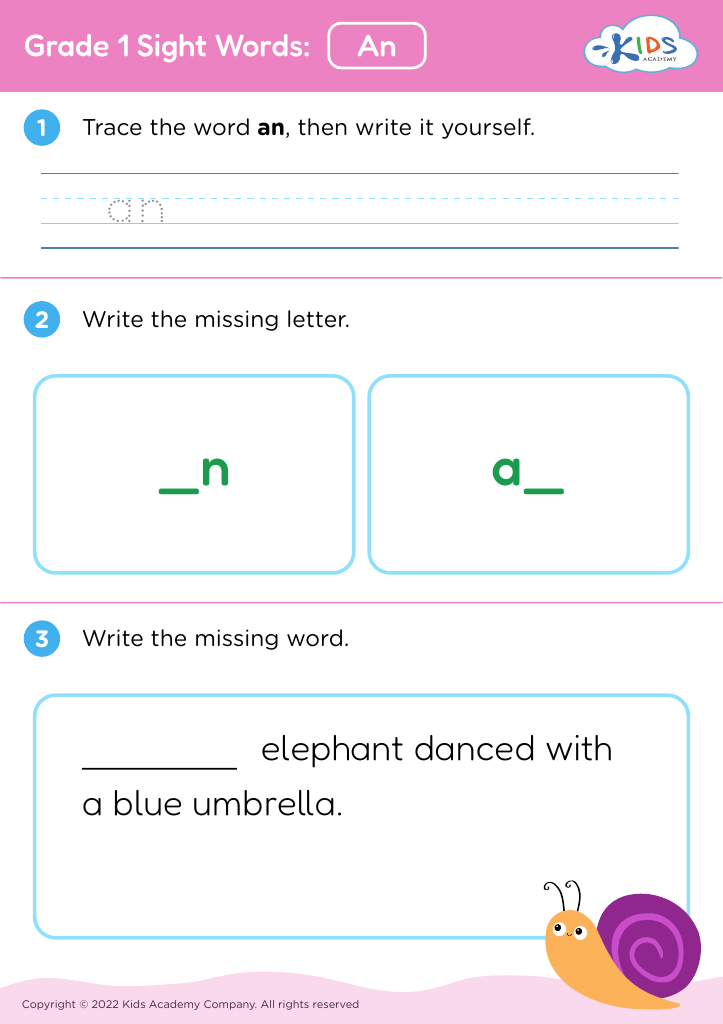
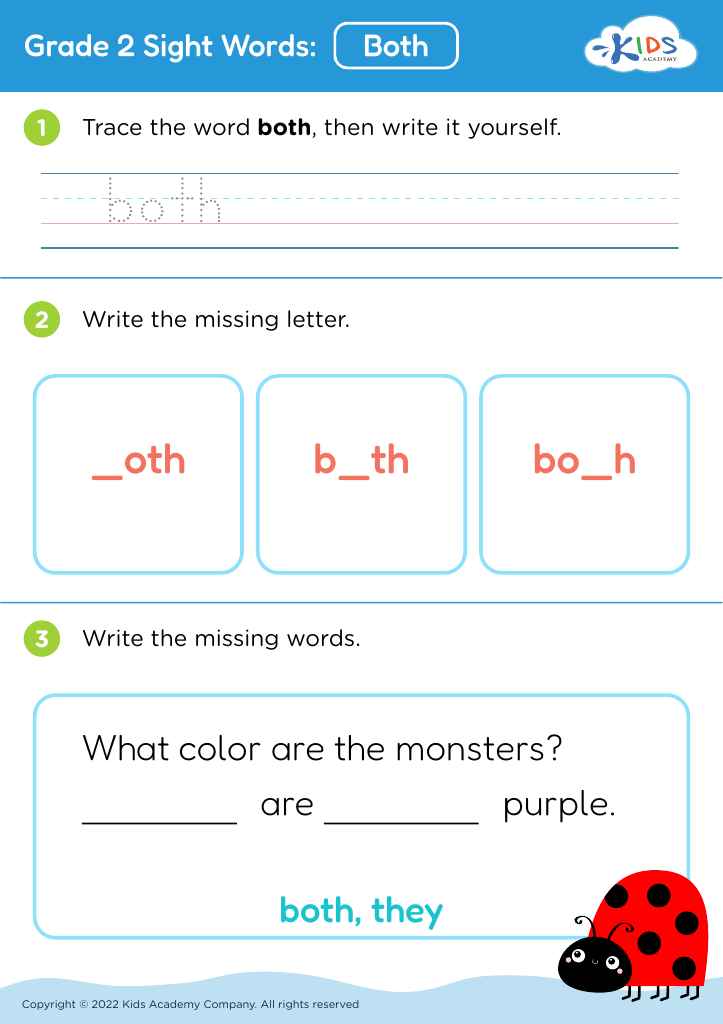
"Understanding Fractions Building Vocabulary Worksheets for Ages 6-7" are designed to make learning fractions engaging for young minds. These worksheets help kids grasp fraction basics through fun and educational activities. Featuring colorful visuals and age-appropriate language, they break down complex concepts into manageable segments. Children enhance their understanding of halves, quarters, and thirds while expanding essential math vocabulary. Ideal for both classroom and at-home learning, these worksheets support core math skills and reinforce vocabulary development, ensuring a well-rounded educational experience. Boost your child's confidence and competence in math with our expertly crafted and interactive materials.















.jpg)



Parents and teachers play crucial roles in the foundational learning years of children, particularly those aged 6-7. At this stage, understanding fractions and building vocabulary are vital components of their cognitive and academic development.
Understanding fractions is essential because it introduces children to fundamental mathematical concepts. Fractions are often among the first times children see numbers represented in a form that is not whole, encouraging critical thinking about parts and wholes. Mastering this concept early on not only lays the groundwork for more advanced math topics like percentages and ratios but also enhances problem-solving skills.
Simultaneously, building a robust vocabulary at this age can significantly influence a child's communication skills. Vocabulary forms the building blocks of language, reading, and writing proficiency. Children with a richer vocabulary can express themselves more clearly and understand instructions and stories better, which fosters confidence and independence. This, in turn, leads to better academic outcomes across all subjects. Understanding and using new words can also spark curiosity and a love for reading, setting a positive trajectory for lifelong learning.
Ultimately, focusing on these areas ensures that children develop the essential skills for both quantitative reasoning and qualitative communication, forming a balanced foundation for their future education and everyday life.








