Vocabulary enhancement Building Vocabulary Worksheets for Ages 6-7 - Page 3
50 filtered results
-
From - To
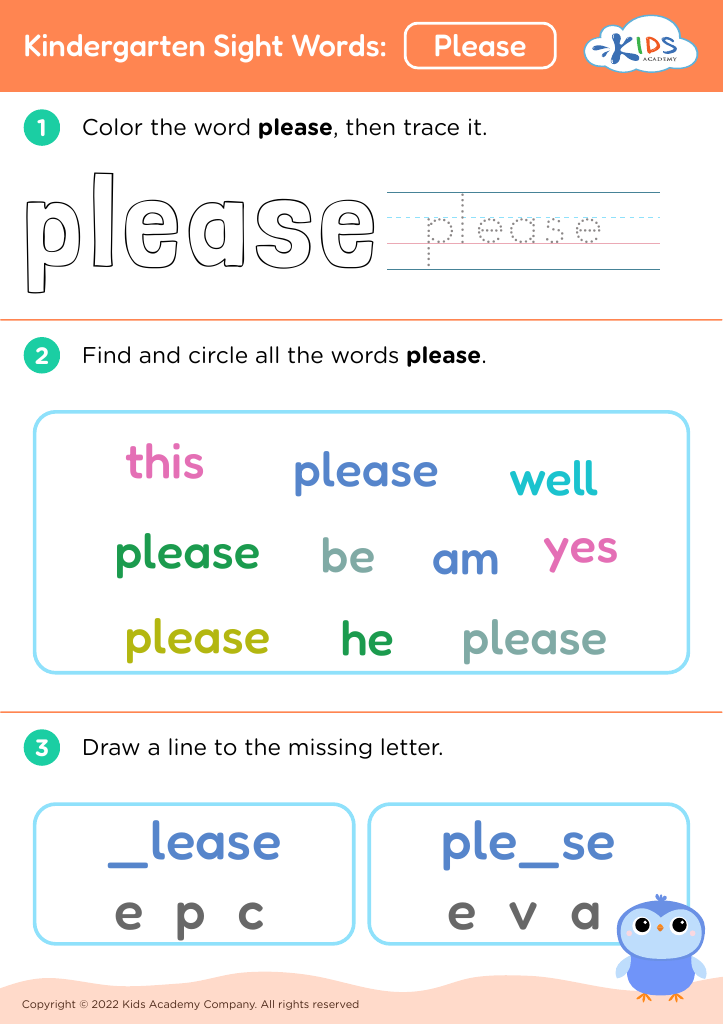











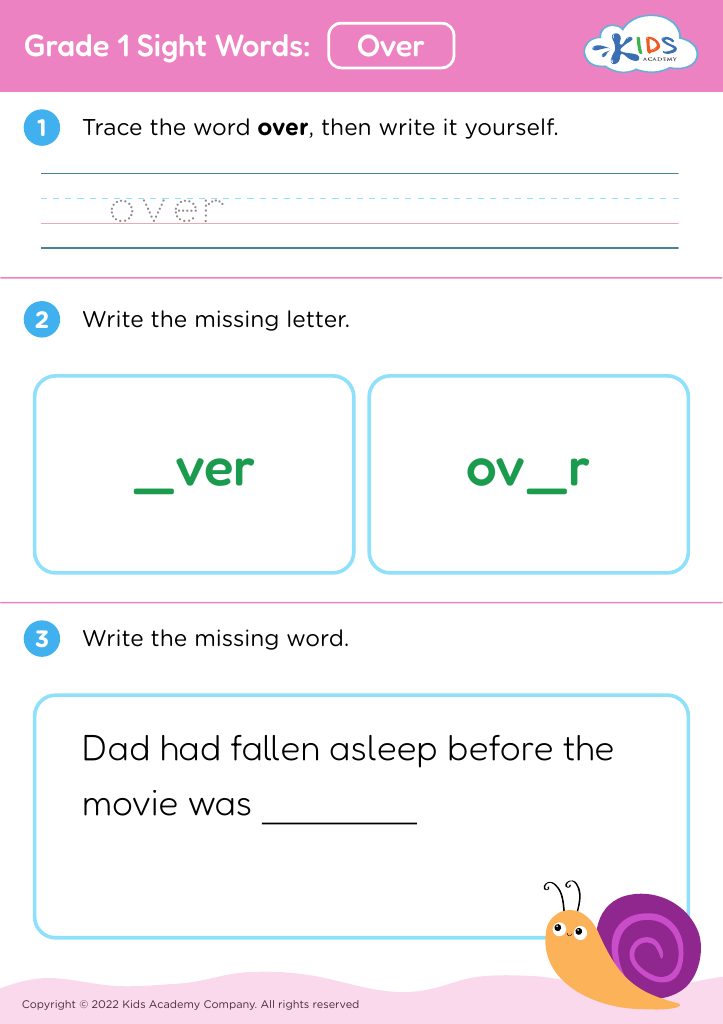







Vocabulary development is crucial for children aged 6-7 as it lays the foundation for successful communication, both in speaking and writing. At this age, children are transitioning from learning to read to reading to learn. A rich vocabulary improves reading comprehension, making it easier for them to grasp story plots, understand classroom instructions, and make sense of new information across subjects.
Furthermore, a broad vocabulary equips children with the tools to express themselves more effectively and confidently. Children with a wider range of words are better able to articulate their thoughts, feelings, and questions, which can significantly impact their social interactions and emotional development.
In an academic context, a strong vocabulary aids in mastering other subjects such as math, science, and social studies, where understanding terminology is fundamental. It also enhances critical thinking skills, allowing children to make connections between concepts and ideas more easily.
For parents and teachers, focusing on vocabulary enhancement activities not only contributes to academic achievement but also fosters a lifelong love of reading and learning. Simple acts such as daily reading, engaging in conversations, playing word games, and encouraging curiosity can have profound and lasting effects.
Therefore, investing in vocabulary development at this stage is essential. It sets the stage for future educational success and personal growth, making it a key area of focus for parents and teachers alike.








