Enhance vocabulary skills Reading Worksheets for Ages 6-7
3 filtered results
-
From - To
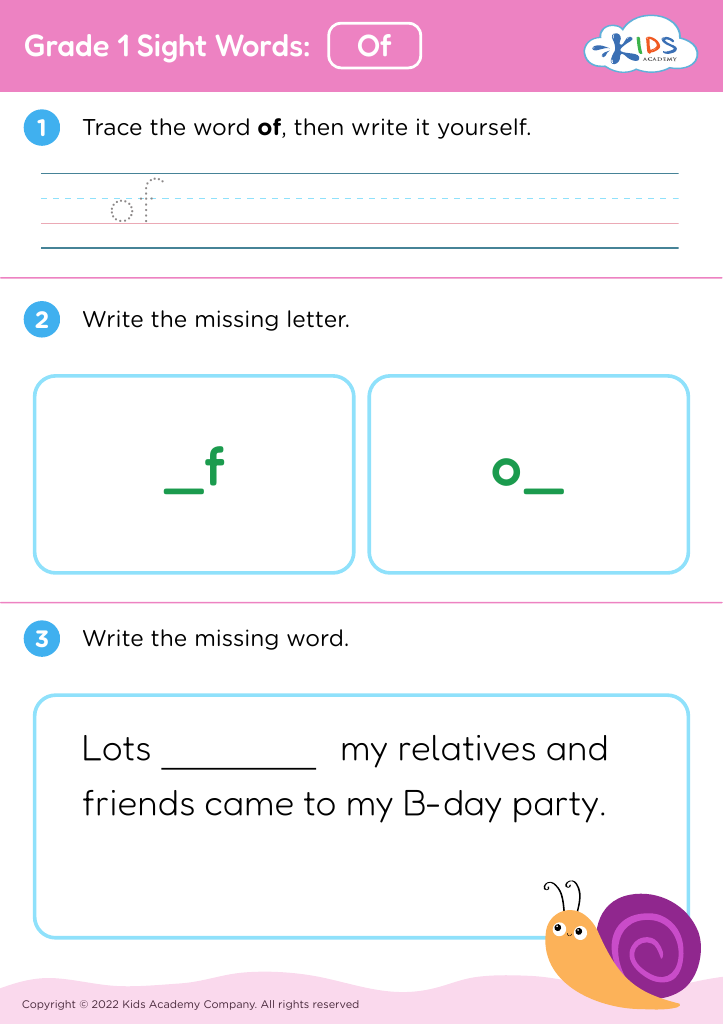
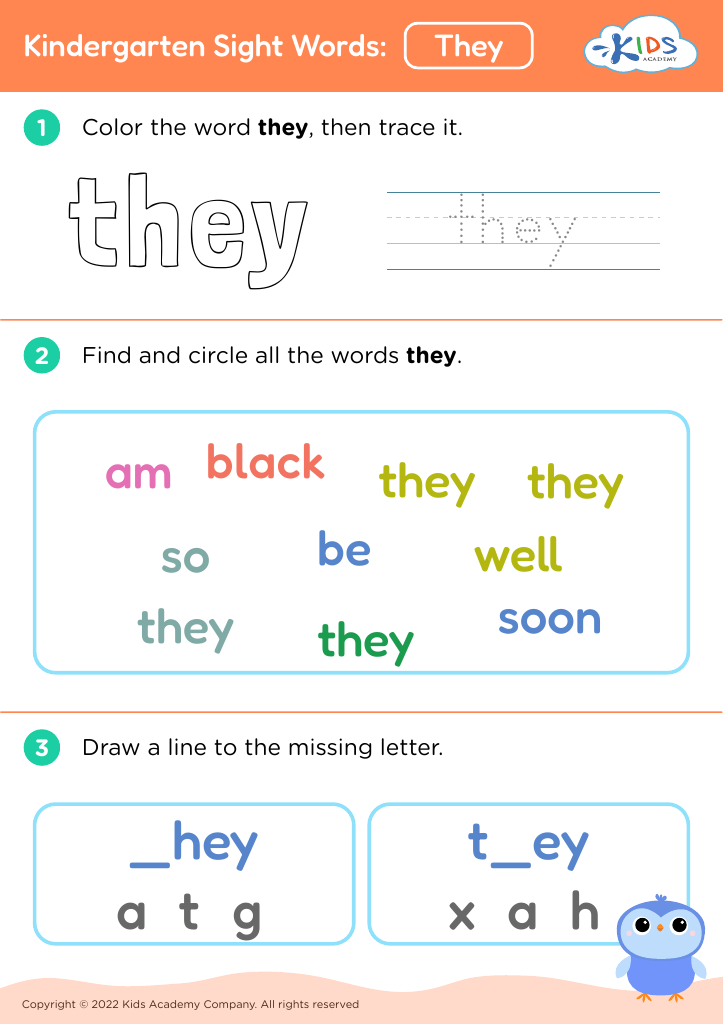
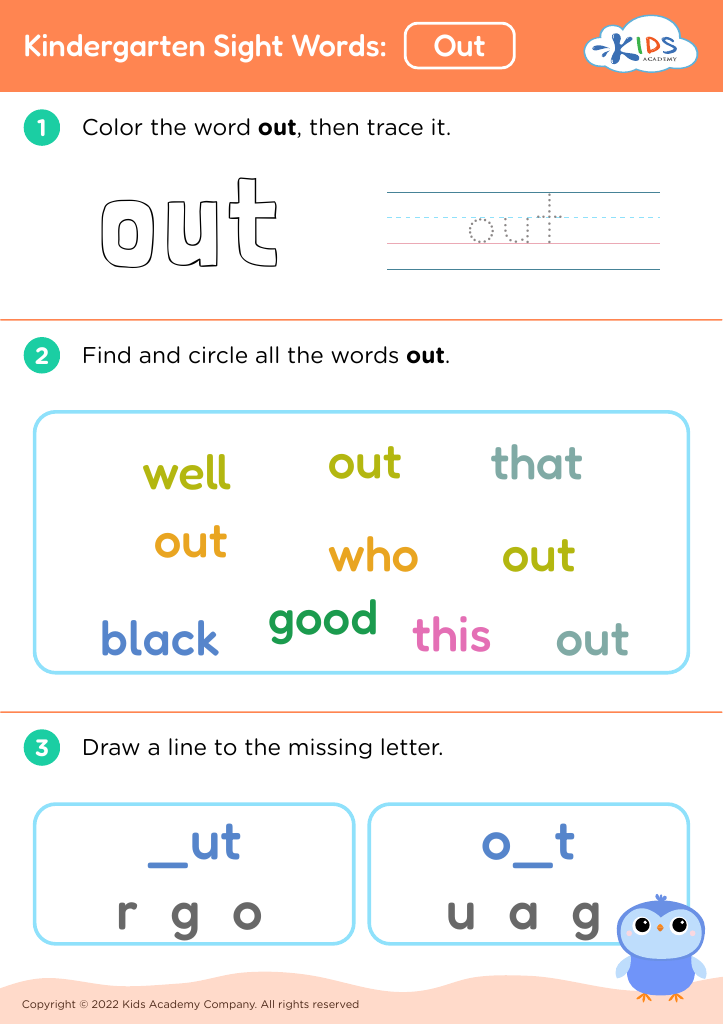
Boost your child's language development with our "Enhance Vocabulary Skills Reading Worksheets for Ages 6-7." Designed to make learning fun and engaging, these worksheets help young learners expand their vocabulary through a variety of interactive reading activities. Each worksheet incorporates age-appropriate texts, colorful visuals, and exercises aimed at improving word recognition, spelling, and comprehension. Perfect for both classroom and at-home practice, these worksheets will enhance your child’s language abilities and build a strong foundation for future reading success. Give your child the tools they need to enrich their vocabulary in a fun and educational way.





.jpg)


Enhancing vocabulary skills for children aged 6-7 is crucial for multiple reasons. At this age, children are undergoing rapid cognitive development and forming the foundation for future learning. A robust vocabulary helps students decode new words, comprehend reading materials, and communicate effectively. When children understand a wider array of words, they can grasp complex concepts more easily, which fosters better learning and academic success.
Reading enriches a child’s understanding of the world by exposing them to new topics, cultures, and viewpoints, thereby broadening their knowledge base. Additionally, a strong vocabulary fosters critical thinking and problem-solving skills as children learn to articulate thoughts and understand nuanced ideas.
Moreover, fluency in vocabulary also impacts social skills. Children with a rich vocabulary are more confident in expressing their needs and emotions, leading to better peer relationships and conflict resolution. Ideally, parents and teachers should integrate vocabulary learning into daily reading and conversations, turning everyday experiences into growth opportunities.
Overall, investing time in developing vocabulary skills during these formative years offers children lifelong benefits that go beyond academics, including improved self-confidence and more meaningful interpersonal connections. Hence, it is essential for parents and teachers to be proactive in fostering a rich linguistic environment for young learners.








